GLP-1 Vision Side Effects: What You Need to Know
GLP-1 medications have changed the way millions of people manage type 2 diabetes, obesity, and long-term weight management.
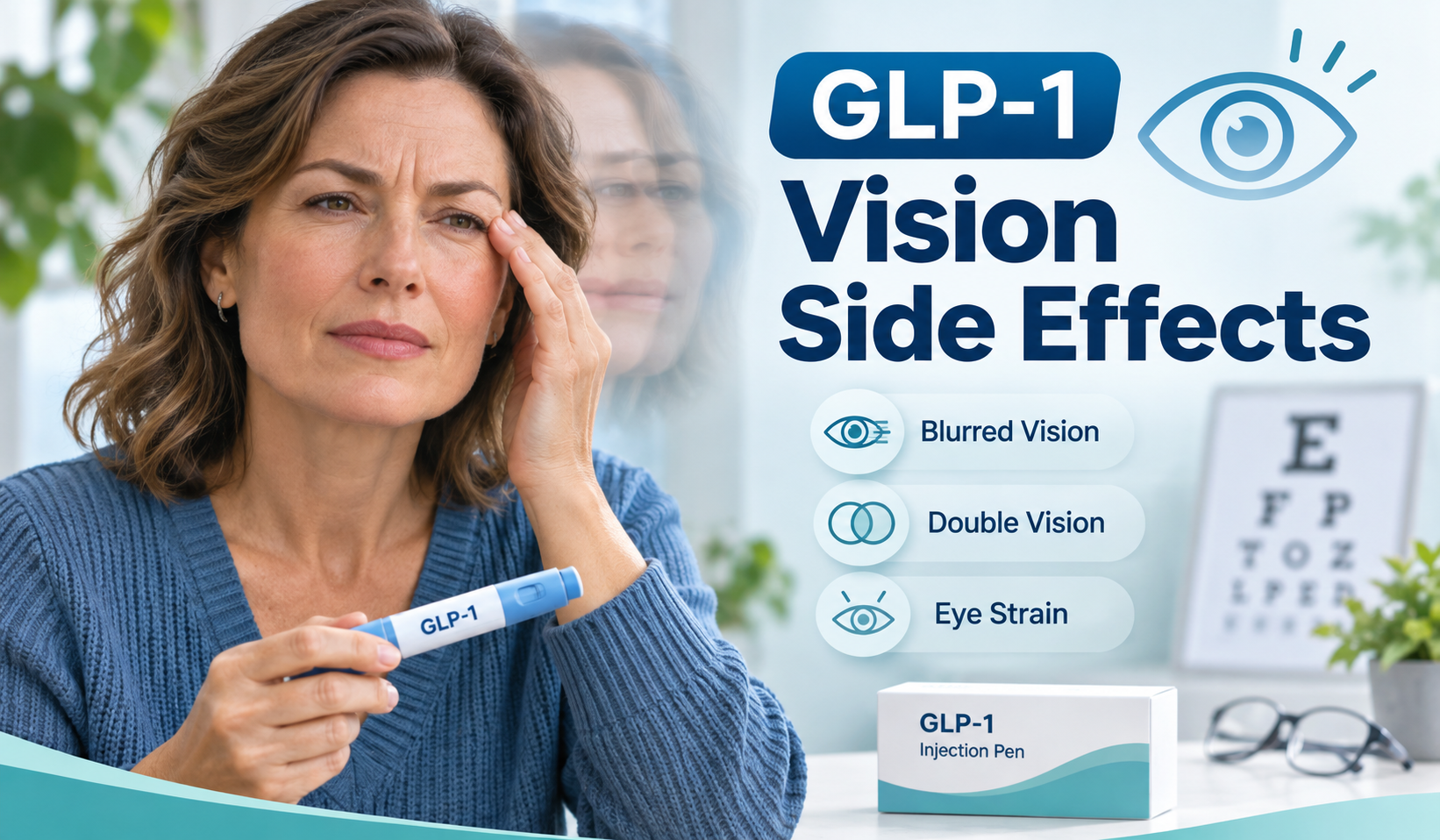
GLP-1 medications do not experience serious eye problems, certain individuals may face additional risks, particularly those with diabetes, existing retinal disease, or other vision-related conditions.
Prescription treatments such as Ozempic, Wegovy, Mounjaro, and Zepbound have gained attention for their ability to improve blood sugar control, reduce appetite, and support significant weight loss.
As these medications become increasingly popular, questions about their effects on eye health are also growing. One concern involves GLP-1 vision side effects, including blurry vision, changes in eyesight, diabetic retinopathy, and rare cases of serious vision loss.
Recent research has also examined whether semaglutide, the active ingredient in Ozempic and Wegovy, may be associated with a rare optic nerve condition known as non-arteritic anterior ischemic optic neuropathy (NAION).
Understanding these potential effects is important for anyone currently taking a GLP-1 medication or considering treatment.
This comprehensive guide explores GLP-1 vision side effects, their possible causes, warning signs, risk factors, and practical ways to protect eye health during treatment.
What Are GLP-1 Medications?
GLP-1 stands for glucagon-like peptide-1, a naturally occurring hormone released by the intestines after eating. It helps regulate blood sugar levels, appetite, insulin secretion, and digestion.
GLP-1 receptor agonists are prescription medications designed to mimic the effects of this hormone.
They work by stimulating insulin release when blood glucose is elevated, reducing glucagon secretion, slowing stomach emptying, and influencing appetite-regulating pathways in the brain.
These effects can help individuals manage type 2 diabetes and achieve meaningful weight loss.
Common GLP-1 and related medications include:
| Medication | Active Ingredient | Primary Uses |
|---|---|---|
| Ozempic | Semaglutide | Type 2 diabetes |
| Wegovy | Semaglutide | Weight management and other approved indications |
| Rybelsus | Semaglutide | Type 2 diabetes |
| Trulicity | Dulaglutide | Type 2 diabetes |
| Victoza | Liraglutide | Type 2 diabetes |
| Saxenda | Liraglutide | Weight management |
| Mounjaro | Tirzepatide | Type 2 diabetes |
| Zepbound | Tirzepatide | Weight management and certain other indications |
Tirzepatide is technically a dual GIP and GLP-1 receptor agonist rather than a GLP-1-only medication.
While these treatments offer important metabolic benefits, their effects on blood glucose and other physiological processes can sometimes influence vision.
 GLP-1 Starting at $59 Per Month – 100% Online
Can GLP-1 Medications Cause Vision Problems?
Yes, GLP-1 medications may be associated with vision changes in some individuals, although the type and severity of these changes vary considerably.
Some people notice temporary blurred vision when blood sugar levels change. Others, especially those with preexisting diabetic eye disease, may experience worsening retinal problems during periods of rapid glucose improvement.
Researchers have also identified a rare but potentially serious association between semaglutide and NAION, a condition involving reduced blood flow to the optic nerve.
Importantly, these concerns do not mean that everyone taking a GLP-1 medication will develop eye complications.
The American Academy of Ophthalmology’s 2026 guidance emphasizes that evidence about diabetic retinopathy worsening remains inconsistent and recommends additional monitoring for patients with diabetes beginning GLP-1 therapy.
Common GLP-1 Vision Side Effects
Understanding the different types of vision changes can help patients recognize symptoms and obtain appropriate medical care.
1. Blurry Vision
Blurry vision is one of the most commonly discussed eye-related symptoms among people experiencing changes in blood sugar during diabetes treatment.
When glucose levels rise or fall significantly, the amount of fluid within the eye’s lens can change. This affects how light focuses on the retina and may temporarily alter vision.
Individuals may notice difficulty reading, focusing on small objects, or seeing clearly at certain distances.
These changes can occur when glucose control improves rapidly after beginning treatment.
In some cases, vision stabilizes as blood sugar levels become more consistent. Nevertheless, persistent or worsening blurriness should be evaluated by an eye care professional.
2. Diabetic Retinopathy Complications
Diabetic retinopathy is an eye condition caused by damage to small blood vessels in the retina, the light-sensitive tissue at the back of the eye.
It is particularly relevant to people with longstanding diabetes.
Interestingly, improving blood sugar control is essential for protecting retinal health over time, but a rapid reduction in glucose can sometimes temporarily worsen existing diabetic retinopathy.
Clinical research involving semaglutide has identified this concern.
In a two-year clinical trial involving people with type 2 diabetes and elevated cardiovascular risk, diabetic retinopathy complications occurred in approximately 3% of semaglutide-treated participants compared with 1.8% receiving placebo.
The Wegovy prescribing information advises monitoring patients with a history of diabetic retinopathy.
3. Temporary Changes in Visual Focus
Some individuals notice changes in their ability to focus while their blood sugar levels are adjusting.
These symptoms may include occasional difficulty reading, changes in distance vision, or fluctuations in eyeglass prescription requirements.
Such changes are not necessarily signs of permanent eye damage.
However, patients should avoid assuming that new visual symptoms are simply part of their medication adjustment.
An eye examination can help identify whether the symptoms are related to glucose fluctuations, existing eye disease, or another medical condition.
4. Vision Changes Related to Low Blood Sugar
GLP-1 medications generally have a relatively low risk of causing hypoglycemia when used alone.
However, that risk increases when certain GLP-1 treatments are combined with insulin or medications such as sulfonylureas.
Low blood sugar can cause blurred vision, difficulty concentrating, sweating, trembling, dizziness, and weakness.
People who develop these symptoms should check their blood glucose when possible and follow their prescribed hypoglycemia management plan.
Severe hypoglycemia requires urgent treatment.
GLP-1 Starting at $59 Per Month – 100% Online
Can GLP-1 Medications Cause Vision Loss?
One of the most important questions surrounding GLP-1 vision side effects is whether these medications can cause permanent vision loss.
Research has identified a potential relationship between semaglutide and a rare condition called non-arteritic anterior ischemic optic neuropathy (NAION).
NAION develops when blood flow to part of the optic nerve becomes insufficient, potentially damaging the nerve responsible for transmitting visual information to the brain.
Unlike temporary blurry vision associated with glucose fluctuations, NAION can cause lasting visual impairment.
What Does Recent Research Show?
In June 2025, the European Medicines Agency concluded that NAION is a very rare side effect of semaglutide-containing medications, including Ozempic, Wegovy, and Rybelsus.
The agency classified the condition as potentially affecting up to 1 in 10,000 people taking semaglutide.
Several large observational studies suggested approximately a twofold increase in relative risk among certain patients taking semaglutide.
The absolute risk remains low, and research continues into the mechanisms and risk factors involved.
In September 2026, the American Academy of Ophthalmology also highlighted findings from a broad evidence review examining GLP-1 medications and vision loss.
These findings reinforce the importance of recognizing serious symptoms while maintaining perspective about the uncommon nature of the condition.
Warning Signs of NAION
NAION typically causes sudden, painless vision loss, often affecting one eye.
Possible symptoms include a sudden reduction in visual clarity, a dark or missing area in the field of vision, or significant loss of sight.
Sudden vision loss is a medical emergency. Anyone experiencing it should seek immediate emergency ophthalmic assessment rather than waiting for a routine appointment.
If NAION is confirmed, regulatory guidance recommends discontinuing semaglutide under medical supervision.
GLP-1 Starting at $59 Per Month – 100% Online
How Do GLP-1 Medications Affect Eye Health?
GLP-1 medications can influence vision through several different pathways.
Rapid Blood Sugar Improvement
One important mechanism involves rapid improvements in glucose control.
For individuals with poorly controlled diabetes, blood sugar levels may decrease substantially after treatment begins.
Although this improvement offers significant long-term health benefits, sudden metabolic changes can temporarily affect the retina.
This phenomenon, sometimes called early worsening of diabetic retinopathy, has also been observed with other intensive glucose-lowering treatments.
Changes in Retinal Blood Vessels
The retina contains a network of small blood vessels that provide oxygen and nutrients to visual cells.
Diabetes can gradually damage these vessels, increasing the likelihood of bleeding, swelling, and visual impairment.
GLP-1 treatment improves glucose control, which can benefit vascular health over time.
Nevertheless, individuals who already have significant retinal damage may require closer monitoring when beginning intensive treatment.
Potential Optic Nerve Effects
Researchers are investigating why semaglutide use may be associated with NAION.
Possible explanations involve underlying vascular risk factors and changes affecting optic nerve blood supply, although a definitive biological mechanism has not been established.
It is important to distinguish observational associations from proven explanations of how an adverse event occurs.
GLP-1 Starting at $59 Per Month – 100% Online
Who Is More Likely to Experience GLP-1 Vision Side Effects?
Certain health characteristics can increase the likelihood of eye complications during diabetes treatment.
People With Existing Diabetic Retinopathy
Individuals who already have diabetic retinopathy may be more vulnerable to temporary worsening when blood sugar levels improve rapidly.
Regular retinal examinations are especially important for this group.
Individuals With Longstanding Diabetes
Longstanding diabetes can affect retinal blood vessels even before noticeable symptoms appear.
Patients with a history of elevated blood sugar may benefit from a comprehensive eye examination before beginning a new glucose-lowering treatment.
People With Poorly Controlled Blood Sugar
A substantial reduction in HbA1c over a relatively short period may increase the likelihood of early retinopathy worsening in susceptible patients.
Medical professionals can help determine an appropriate treatment and monitoring strategy.
Individuals With Other Eye Conditions
Patients with existing optic nerve disorders, retinal disease, or previous unexplained vision loss should discuss their eye history with their prescribing clinician.
A personalized evaluation can help determine whether additional monitoring is appropriate.
GLP-1 Starting at $59 Per Month – 100% Online
How to Protect Your Vision While Taking GLP-1 Medications
Fortunately, several practical strategies can help patients monitor and protect their eye health during GLP-1 treatment.
Schedule Comprehensive Eye Examinations
A baseline eye examination is particularly valuable for people with diabetes or existing eye conditions.
The American Optometric Association recommends a comprehensive dilated eye examination within the year before starting GLP-1 treatment, or shortly after beginning therapy.
Follow-up frequency should reflect individual risk factors and examination findings.
Monitor Blood Sugar Levels
Maintaining stable glucose levels is important for both metabolic and eye health.
Patients should follow their healthcare provider’s instructions for glucose monitoring and report significant changes.
Those using insulin or other medications associated with hypoglycemia may require additional monitoring.
Follow the Prescribed Dosage Schedule
GLP-1 medications are typically introduced using a gradual dose-escalation schedule.
Patients should follow their prescribed treatment plan rather than independently increasing their dosage.
Any changes to medication should be discussed with the prescribing healthcare professional.
Maintain Healthy Blood Pressure
Blood pressure management is important for protecting the small blood vessels that support the retina and optic nerve.
Individuals with hypertension should follow their prescribed treatment plans and attend regular medical appointments.
Eat a Balanced, Nutrient-Rich Diet
Nutrition contributes to overall eye health.
Foods containing lutein, zeaxanthin, vitamin C, vitamin E, and omega-3 fatty acids can form part of a balanced diet.
Leafy greens, colorful vegetables, citrus fruits, nuts, and oily fish provide valuable nutrients.
These foods support general health but should not be considered treatments for medication-associated eye complications.
Report Vision Changes Promptly
Patients should inform their healthcare professional about new or unexplained visual symptoms.
Sudden loss of vision, a dark curtain across the visual field, or rapidly worsening eyesight requires emergency assessment.
GLP-1 Starting at $59 Per Month – 100% Online
When Should You Seek Medical Attention?
It is important to distinguish between symptoms that require a routine appointment and those that need immediate treatment.
Seek emergency eye care immediately for:
-
Sudden partial or complete vision loss
-
Rapidly worsening eyesight
-
A new dark curtain or missing area of vision
-
Sudden visual changes accompanied by weakness, speech difficulty, or other neurological symptoms
-
Severe eye pain with vision loss
Arrange a prompt medical or eye appointment for: persistent blurred vision, recurring visual disturbances, or noticeable changes in reading or distance vision.
New symptoms should not automatically be attributed to GLP-1 therapy because several unrelated eye conditions can produce similar changes.
Should You Stop Taking GLP-1 Medication If Your Vision Changes?
Not every vision change means a patient needs to discontinue GLP-1 treatment.
Mild fluctuations related to changing glucose levels may improve as blood sugar stabilizes.
Nevertheless, patients should contact their prescribing clinician for advice if new symptoms occur.
Sudden or rapidly worsening visual symptoms require emergency evaluation, regardless of whether the medication is believed to be responsible.
If NAION is diagnosed, current European and UK regulatory guidance recommends stopping semaglutide.
For other symptoms, clinicians may consider the patient’s eye examination findings, diabetes control, treatment benefits, and alternative medication options before making changes.
The decision should be individualized rather than based solely on a single symptom.
GLP-1 Starting at $59 Per Month – 100% Online
Can GLP-1 Medications Benefit Eye Health?
Although discussions often focus on potential complications, improved long-term blood sugar control is an important part of protecting vision in people with diabetes.
Chronically elevated glucose can damage retinal blood vessels and contribute to progressive diabetic eye disease.
GLP-1 medications can help improve glycemic control and support weight management, both of which are relevant to broader metabolic health.
These benefits may contribute indirectly to long-term eye health when treatment is appropriately managed.
However, this does not establish that GLP-1 medications themselves prevent or treat diabetic retinopathy.
The American Academy of Ophthalmology notes that more research is needed to clarify the relationship between these medications and retinal outcomes, including results from ongoing long-term clinical trials.
Final Verdict:
GLP-1 medications offer substantial benefits for managing type 2 diabetes, obesity, and associated metabolic conditions. Nevertheless, understanding their potential effects on eyesight is an important part of responsible treatment.
GLP-1 vision side effects can range from temporary blurry vision associated with blood sugar fluctuations to diabetic retinopathy complications and very rare cases of serious optic nerve damage.
Current research has identified a particular concern involving semaglutide and NAION, although this remains an uncommon complication.
For most patients, awareness, appropriate monitoring, and regular communication with healthcare professionals can help balance treatment benefits with potential risks.
People with diabetes, existing retinal disease, or unexplained visual symptoms should prioritize comprehensive eye examinations and individualized medical guidance.
Ultimately, the goal is to achieve the metabolic benefits of GLP-1 treatment while recognizing changes early and protecting long-term vision.
GLP-1 Starting at $59 Per Month – 100% Online
References
https://pmc.ncbi.nlm.nih.gov/articles/PMC13422913/
https://en.wikipedia.org/wiki/GLP1_poly-agonist_peptides
https://www.healthline.com/health-news/glp-1-drugs-eye-health-research
