How Does GLP-1 Work? A Complete Guide to Its Benefits
GLP-1 medications have become one of the most talked-about developments in modern healthcare, particularly for people interested in weight management, blood sugar control, and metabolic health.
But how does GLP-1 work, and what makes these medications different from traditional weight-loss treatments?
The answer begins with a naturally occurring hormone that helps your body respond to food.
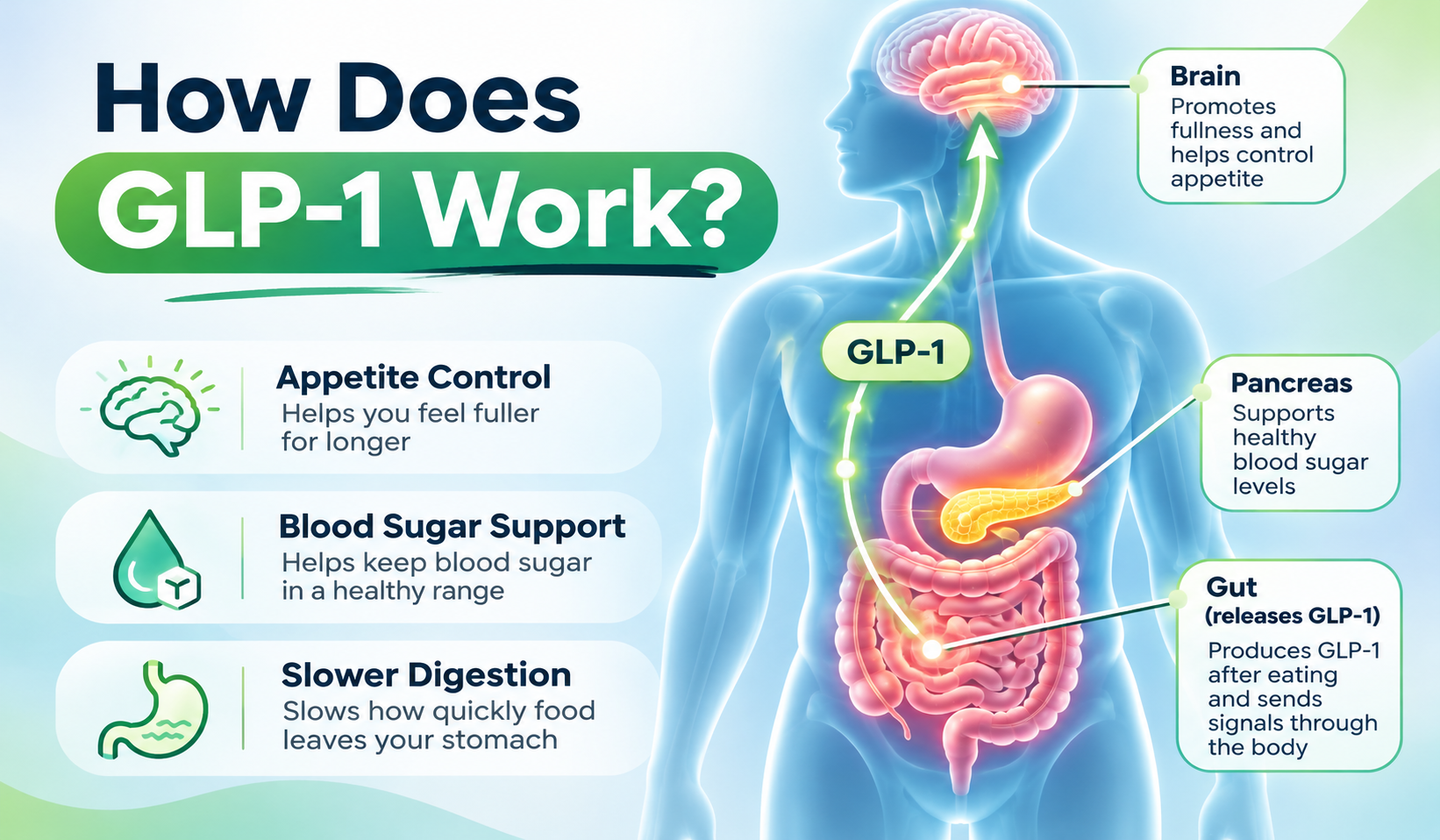
GLP-1 plays an important role in communication between the digestive system, pancreas, and brain. By influencing these systems, it helps regulate appetite, support insulin secretion, and maintain blood sugar balance.
GLP-1 medications enhance these natural processes, often making it easier for eligible individuals to manage their food intake and achieve meaningful improvements in metabolic health.
In this comprehensive guide, we’ll explain how GLP-1 works in the body, why it helps with weight loss, how it affects blood sugar, how quickly results may appear, and what to expect during treatment.
 GLP-1 Starting at $59 Per Month – 100% Online
What Is GLP-1?
GLP-1 stands for glucagon-like peptide-1, a hormone naturally produced in the intestines in response to food.
It belongs to a group of hormones called incretins, which help regulate blood sugar after eating.
When you consume a meal, specialized intestinal cells release GLP-1 into your bloodstream. This hormone sends signals to several organs involved in digestion, appetite regulation, and glucose metabolism.
Its main functions include encouraging insulin secretion when blood sugar rises, reducing unnecessary glucagon release, slowing stomach emptying, and promoting feelings of fullness.
Natural GLP-1 has a very short lifespan in the bloodstream because enzymes rapidly break it down.
GLP-1 medications are designed to activate the same receptors for longer periods, allowing their effects to continue beyond the brief activity of the natural hormone.
This longer-lasting action is one reason these medications can help manage type 2 diabetes and support weight reduction.
How Does GLP-1 Work in the Body?
GLP-1 works by activating receptors in the pancreas, brain, and digestive system that help regulate blood sugar, appetite, and digestion. Its effects involve several interconnected biological processes.
Understanding these mechanisms makes it easier to see why GLP-1 treatments can influence both metabolic health and body weight.
The GLP-1 mechanism explained
Food enters the digestive system
Natural GLP-1 is released after eating, while medications activate GLP-1 receptors for longer
Brain
Increases fullness and reduces hunger
Pancreas
Supports glucose-dependent insulin release
Liver signaling
Reduces excess glucagon-driven glucose release
Stomach
Slows gastric emptying
Combined effects
Improved blood sugar regulation, reduced food intake, and potential weight loss
1. GLP-1 Stimulates Insulin Release
One of GLP-1’s most important functions is helping the pancreas release insulin when blood glucose levels are elevated.
Insulin allows glucose from the bloodstream to enter cells, where it can be used for energy or stored for future use.
After eating, blood sugar normally rises. GLP-1 helps the pancreas respond by increasing insulin secretion.
An important feature of this process is that GLP-1’s insulin-stimulating effect is glucose-dependent.
In simple terms, it becomes more active when blood sugar is high and decreases as glucose returns toward normal levels.
This helps explain why GLP-1 medications generally have a lower risk of causing low blood sugar when used without insulin or certain other diabetes medications.
2. GLP-1 Reduces Glucagon Secretion
Glucagon is another hormone produced by the pancreas.
While insulin helps lower blood sugar, glucagon generally raises it by signaling the liver to release stored glucose.
Both hormones are essential for maintaining healthy glucose levels.
GLP-1 helps reduce inappropriate glucagon secretion when blood sugar is elevated.
As a result, the liver releases less unnecessary glucose into the bloodstream, helping improve blood sugar control.
This mechanism is particularly beneficial for people with type 2 diabetes, who may experience excessive glucose production by the liver.
3. GLP-1 Slows Stomach Emptying
Another important GLP-1 effect involves the movement of food through the digestive tract.
Normally, food leaves the stomach and enters the small intestine, where nutrients are absorbed.
GLP-1 can slow this process, meaning the stomach empties more gradually.
This delayed gastric emptying may help people feel full longer after meals and can moderate how quickly glucose enters the bloodstream.
The size of this effect varies among medications and may change during continued treatment.
It can also contribute to digestive side effects such as nausea, bloating, and uncomfortable fullness.
4. GLP-1 Communicates With the Brain
GLP-1 signaling influences brain regions involved in appetite, hunger, and feelings of fullness.
These signals help regulate how much food a person wants to consume.
When GLP-1 receptors are activated, individuals may experience less hunger, become satisfied with smaller portions, and feel less interested in frequent snacking.
Some people also report fewer persistent thoughts about food, sometimes described as reduced food noise.
Although experiences differ, appetite regulation is a major reason GLP-1 medications can support significant weight loss.
GLP-1 Starting at $59 Per Month – 100% Online
How Does GLP-1 Work for Weight Loss?
GLP-1 medications support weight loss primarily by changing appetite and food intake rather than directly burning body fat.
Their effects on hunger, fullness, and digestion can help individuals maintain a lower calorie intake over time.
Reduces Hunger Throughout the Day
One of the biggest challenges of weight management is dealing with persistent hunger.
GLP-1 treatments influence appetite-related signaling, which can make hunger feel less intense for some individuals.
This may make it easier to maintain a balanced eating pattern without constantly feeling deprived.
Helps Control Portion Sizes
GLP-1 medications may help people become satisfied after eating smaller amounts of food.
Someone who previously needed a large meal to feel full may find that a moderate portion is sufficient.
Over time, these changes can reduce total calorie consumption.
Reduces Food Cravings
Some patients notice decreased interest in highly rewarding foods, excessive snacking, or eating when they are not physically hungry.
Researchers continue to investigate how GLP-1 affects food reward and eating behavior.
Reduced cravings are not universal, but they may contribute to weight-management success.
Supports Sustainable Calorie Reduction
Weight loss generally occurs when energy intake remains below energy expenditure over time.
GLP-1 medications make it easier for some patients to achieve this calorie deficit by influencing hunger and fullness.
The medication does not eliminate the importance of nutrition and physical activity.
Instead, it can provide biological support that makes lifestyle changes more manageable.
Clinical research demonstrates that certain GLP-1 and dual GLP-1/GIP treatments can produce substantial weight reduction in eligible patients.
How Does GLP-1 Work for Type 2 Diabetes?
GLP-1 medications were initially developed to improve blood sugar management in people with type 2 diabetes.
Their effectiveness comes from targeting several aspects of glucose regulation simultaneously.
First, they support insulin secretion when glucose levels rise.
Second, they reduce inappropriate glucagon secretion, limiting unnecessary glucose release from the liver.
Third, their effects on digestion can help moderate post-meal blood sugar increases.
These combined actions can improve fasting blood glucose, after-meal glucose readings, and hemoglobin A1c, a measure of average blood sugar over approximately three months.
For many patients, weight reduction also contributes to improvements in insulin sensitivity and metabolic health.
Certain GLP-1 medications have demonstrated cardiovascular and kidney-related benefits in specific patient populations.
Nevertheless, treatment choices depend on the individual medication, diabetes history, existing medical conditions, and other prescriptions.
GLP-1 medications are generally used for type 2 diabetes rather than replacing insulin in people who require it.
GLP-1 Starting at $59 Per Month – 100% Online
How Quickly Does GLP-1 Start Working?
GLP-1 medications begin activating their target receptors after entering the bloodstream, but noticeable effects and treatment outcomes develop on different timelines.
Some patients notice appetite changes relatively early, while blood sugar improvements and weight reduction may become more apparent over several weeks.
Typical GLP-1 treatment timeline
-
First few days
The medication begins working. Some individuals notice appetite changes or mild digestive symptoms, while others experience little noticeable difference.
-
Weeks 1–4
Appetite regulation and blood sugar changes may become more noticeable. Many treatment plans begin with a low dose to improve tolerability.
-
Weeks 5–12
Gradual dose increases may strengthen treatment effects. Some individuals experience measurable weight reduction and improvements in glucose control.
-
Months 3–6
More substantial weight changes may develop with consistent treatment, appropriate nutrition, and physical activity.
-
Beyond 6 months
Weight management and metabolic improvements may continue. The overall response depends on the medication, dose, individual biology, and lifestyle.
Illustrative timeline only. Results vary significantly and should not be interpreted as guaranteed milestones.
A gradual approach is important because increasing medication doses too quickly can increase digestive side effects.
Types of GLP-1 Medications and How They Differ
Several prescription medications activate GLP-1 receptors, but they differ in their active ingredients, dosing schedules, and approved indications.
| Medication | Active ingredient | Main treatment focus |
|---|---|---|
| Ozempic | Semaglutide | Type 2 diabetes and certain risk-reduction indications |
| Wegovy | Semaglutide | Weight management and other approved indications |
| Rybelsus | Semaglutide | Type 2 diabetes |
| Saxenda | Liraglutide | Weight management |
| Trulicity | Dulaglutide | Type 2 diabetes |
| Mounjaro | Tirzepatide | Type 2 diabetes |
| Zepbound | Tirzepatide | Weight management and certain cases of sleep apnea |
Tirzepatide works differently from traditional GLP-1 receptor agonists because it activates two hormone receptors: GLP-1 and glucose-dependent insulinotropic polypeptide (GIP).
Both pathways influence metabolic regulation.
While these medications share important similarities, they should not be treated as interchangeable. Their dosing schedules, approved uses, and safety considerations differ.
GLP-1 Starting at $59 Per Month – 100% Online
How Does GLP-1 Affect Metabolism?
GLP-1 medications can improve several aspects of metabolic health, particularly glucose regulation and body weight.
However, they do not primarily work by dramatically increasing the number of calories the body burns.
Instead, they influence the processes that govern energy intake and glucose handling.
By improving blood sugar control, supporting weight reduction, and changing appetite signals, GLP-1 treatments may contribute to better overall metabolic function.
Weight loss itself can improve insulin sensitivity, reduce excess fat accumulation, and support cardiovascular health.
Researchers are also studying other possible metabolic effects involving inflammation, liver health, and organ protection.
The extent of these benefits varies by medication and health condition.
What Are the Health Benefits of GLP-1 Medications?
GLP-1 treatments offer benefits that extend beyond appetite management for certain patients.
Improved blood sugar regulation: These medications help control glucose through insulin and glucagon signaling, making them valuable treatments for type 2 diabetes.
Meaningful weight reduction: Reduced hunger and increased fullness may support substantial weight loss when treatment is combined with appropriate lifestyle measures.
Cardiovascular protection: Certain medications have demonstrated reduced cardiovascular event risks in eligible adults with established cardiovascular disease.
Kidney-related benefits: Some GLP-1 treatments have shown protective effects on kidney outcomes in people with type 2 diabetes and chronic kidney disease.
Improved weight-related health markers: Successful weight reduction can contribute to improvements in blood pressure, mobility, and other obesity-associated health concerns.
These outcomes are not guaranteed for everyone, and the evidence supporting each benefit is specific to individual medications and patient populations.
GLP-1 Starting at $59 Per Month – 100% Online
Does GLP-1 Work Without Exercise or Dieting?
GLP-1 medications can reduce appetite and promote weight loss even before significant lifestyle changes occur.
Nevertheless, nutrition and physical activity remain important for achieving the best overall health outcomes.
Eating balanced meals helps provide the protein, vitamins, minerals, and other nutrients needed while consuming fewer calories.
Physical activity supports cardiovascular fitness, insulin sensitivity, and long-term weight management.
Resistance training is particularly useful because weight loss can involve reductions in muscle mass as well as body fat.
Adequate sleep, hydration, and consistent meal habits also contribute to better treatment experiences.
GLP-1 medications are most effective as part of a comprehensive health strategy rather than as a replacement for healthy behaviors.
What Happens When You Stop Taking GLP-1?
When GLP-1 medication is discontinued, its appetite-regulating effects gradually diminish as the drug leaves the body.
Hunger may increase, fullness may become less pronounced, and previous eating patterns may return.
Some individuals regain part or much of the weight they lost after stopping treatment.
For patients with diabetes, blood sugar levels may also rise if the medication is discontinued without an alternative management plan.
These changes reflect the chronic nature of obesity and diabetes rather than a failure of the medication.
Because long-term weight management often requires ongoing support, patients should discuss treatment duration and discontinuation plans with their healthcare professional.
GLP-1 Starting at $59 Per Month – 100% Online
Are There Side Effects When GLP-1 Starts Working?
GLP-1 medications are generally well tolerated by many patients, but side effects can develop as the digestive system adjusts.
Common symptoms include nausea, vomiting, diarrhea, constipation, abdominal discomfort, and reduced appetite.
These effects may be more noticeable when treatment begins or the dosage increases.
Eating smaller meals, avoiding overly large or high-fat meals, and maintaining hydration may help with mild symptoms.
More serious complications can include pancreatitis, gallbladder problems, dehydration-related kidney injury, and severe digestive reactions.
Some products also carry important thyroid tumor warnings and specific contraindications.
Persistent severe abdominal pain, repeated vomiting, sudden vision changes, or signs of an allergic reaction require prompt medical evaluation.
Patients should follow FDA-approved prescribing instructions and discuss their medical history before starting therapy.
Who Can Benefit From GLP-1 Treatment?
GLP-1 medications may be appropriate for adults with type 2 diabetes who need improved blood sugar management.
Certain medications are also approved for people with obesity or overweight accompanied by qualifying weight-related medical conditions.
Some products have additional indications related to cardiovascular, kidney, liver, or sleep-related health conditions.
Before recommending treatment, healthcare professionals typically consider body weight, metabolic health, medical history, current medications, and potential safety concerns.
GLP-1 medications are not appropriate for everyone, particularly during pregnancy or when certain serious medical contraindications exist.
A personalized evaluation helps determine whether treatment is likely to provide meaningful benefits.
Conclusion:
GLP-1 works by coordinating several natural processes involved in appetite regulation, blood sugar management, and digestion.
By activating GLP-1 receptors, these medications help the pancreas release insulin when needed, reduce excessive glucagon secretion, slow stomach emptying, and influence hunger signals in the brain.
Together, these effects can improve glucose control and make it easier for eligible patients to manage food intake and achieve meaningful weight loss.
The effectiveness of GLP-1 medications comes from addressing biological factors involved in eating behavior and metabolic health rather than relying on willpower alone.
For people managing type 2 diabetes, obesity, or certain related medical conditions, GLP-1 therapy may offer important health benefits.
The key to successful GLP-1 treatment is choosing an appropriate medication, following medical guidance, maintaining healthy lifestyle habits, and monitoring progress over time.
With the right approach, GLP-1 medications can become a valuable part of long-term metabolic health and weight-management care.
GLP-1 Starting at $59 Per Month – 100% Online
References
https://pmc.ncbi.nlm.nih.gov/articles/PMC13509466/
https://www.healthline.com/health/weight-loss/glp1-for-weight-loss
https://www.webmd.com/diet/appetite-suppressants
