Foods That Increase GLP-1: Best Foods to Eat
Have you ever noticed how some meals leave you feeling satisfied for hours, while others make you hungry again almost immediately? The difference isn’t always about how much food you eat. It can also depend on how your digestive system responds to specific nutrients and how your body releases hormones that regulate hunger and fullness.
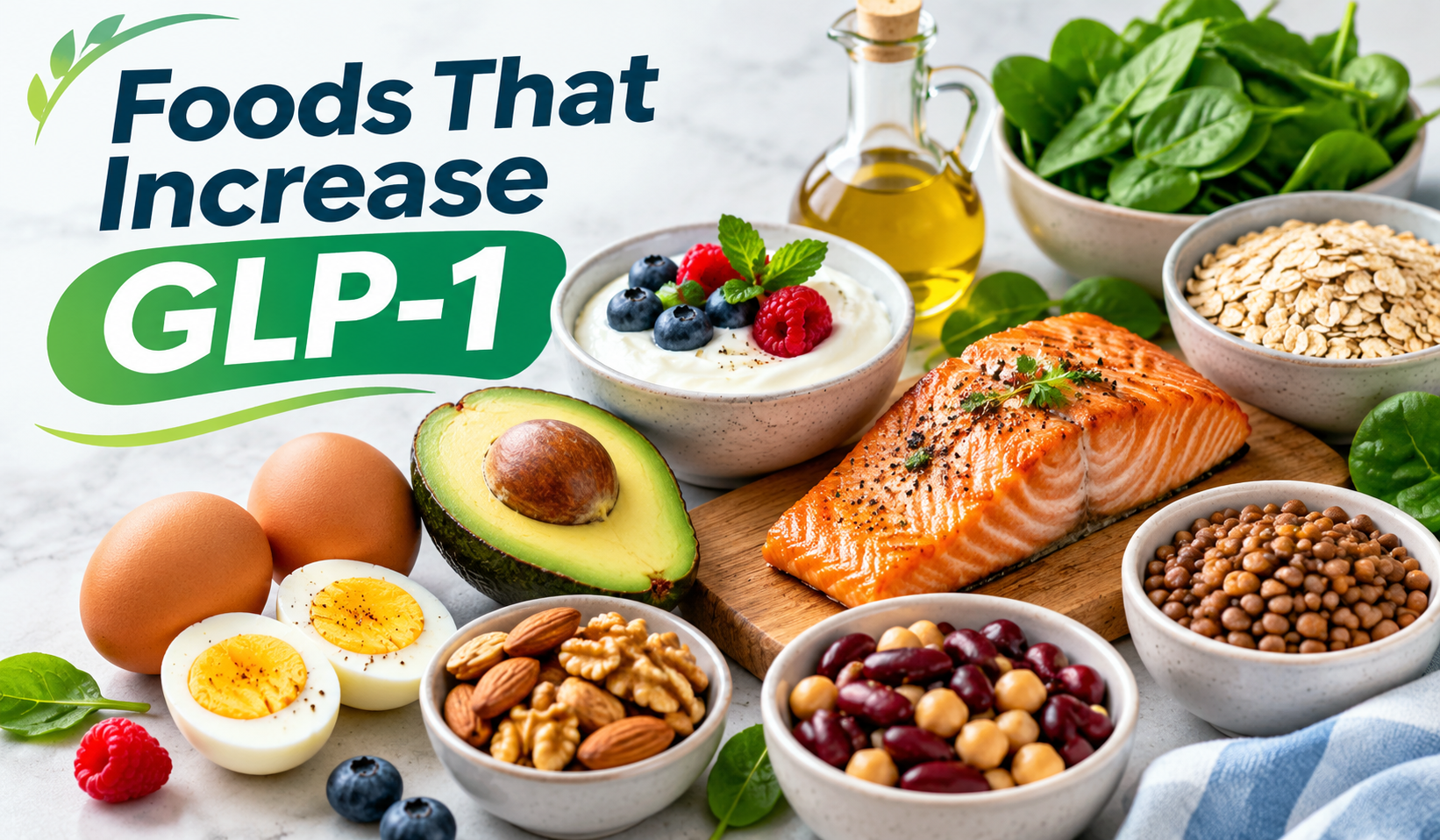
One hormone that plays an important role in this process is glucagon-like peptide-1 (GLP-1). This naturally occurring hormone helps regulate appetite, supports blood sugar control, slows stomach emptying, and signals the brain when you’ve eaten enough.
With the growing popularity of GLP-1 medications such as Ozempic, Wegovy, and Mounjaro, more people are interested in finding foods that increase GLP-1 naturally.
The good news is that certain everyday foods may encourage your body’s natural GLP-1 release. Protein-rich meals, fiber-packed vegetables, healthy fats, and fermented foods can support digestive health and the hormonal processes involved in appetite regulation.
In this guide, we’ll explore 15 of the best foods that increase GLP-1 naturally, explain how they work, and share practical ways to include them in your daily diet.
 GLP-1 Starting at $59 Per Month – 100% Online
What Is GLP-1 and Why Is It Important?
GLP-1 stands for glucagon-like peptide-1, a hormone released primarily by specialized cells in the intestines after eating.
It belongs to a group of hormones called incretins, which help coordinate digestion, insulin secretion, and blood sugar regulation.
When you consume food, especially meals containing protein, fiber, carbohydrates, or healthy fats, your digestive system releases GLP-1 as part of its normal response.
GLP-1 performs several important functions in the body:
-
Appetite regulation: Helps communicate feelings of fullness to the brain.
-
Blood sugar management: Stimulates insulin release when blood glucose levels rise.
-
Digestive support: Slows gastric emptying, helping food remain in the stomach longer.
-
Reduced glucagon secretion: Helps limit unnecessary glucose production by the liver.
-
Weight management: Contributes to natural appetite regulation and meal satisfaction.
Naturally produced GLP-1 is broken down quickly by the body. GLP-1 medications are designed to produce stronger, longer-lasting effects, so foods cannot be expected to replicate medication results.
Still, building meals around nutrients that promote natural GLP-1 secretion can be a useful part of a balanced eating plan.
15 Best Foods That Increase GLP-1 Naturally
Certain foods are especially interesting because they contain nutrients associated with intestinal hormone release, gut fermentation, or improved satiety.
1. Eggs
Eggs are rich in high-quality protein and essential nutrients that support overall metabolic health. Protein digestion stimulates intestinal hormones, including GLP-1, which contribute to feelings of fullness. Starting your morning with boiled eggs, scrambled eggs, or a vegetable omelet may help create a more satisfying breakfast.
2. Avocados
Avocados contain monounsaturated fats, dietary fiber, potassium, and several beneficial plant compounds. Fat digestion can stimulate GLP-1 secretion, while fiber contributes to digestive health and satiety. Adding sliced avocado to toast, salads, or grain bowls provides a combination of nutrients that may support appetite regulation.
3. Broccoli
Broccoli is a nutrient-dense vegetable containing fiber, vitamin C, vitamin K, and antioxidant compounds. Its fiber supports intestinal function and can contribute to the production of short-chain fatty acids during gut fermentation. These compounds may influence GLP-1 release and support healthy digestive processes.
4. Greek Yogurt
Plain Greek yogurt provides substantial protein, making it a convenient choice for supporting fullness and appetite control. Protein digestion can stimulate GLP-1 and other satiety hormones. Yogurt containing live cultures may also contribute to gut microbiome diversity, depending on the product and individual digestive response.
5. Lentils
Lentils are an excellent source of plant protein, soluble fiber, and complex carbohydrates. Their combination of protein and fermentable fiber makes them particularly useful for satisfying meals. Gut bacteria ferment some of this fiber into short-chain fatty acids, which may stimulate GLP-1-producing intestinal cells.
6. Salmon
Salmon provides high-quality protein and omega-3 fatty acids. Protein supports the normal release of digestive hormones associated with fullness, while omega-3 fats contribute to cardiovascular health. Salmon paired with vegetables and whole grains can create a balanced meal that supports comfortable, sustained satiety.
7. Oats
Oats contain beta-glucan, a soluble fiber that forms a gel-like substance in the digestive tract. This fiber slows carbohydrate absorption and supports beneficial gut fermentation. Research suggests beta-glucan and its fermentation products may influence satiety hormones, making oatmeal a practical breakfast choice.
8. Nuts
Almonds, walnuts, and pistachios provide healthy fats, plant protein, and dietary fiber. These nutrients work together to promote meal satisfaction. Nuts are energy-dense, so a small handful can be a useful snack. Direct evidence that individual nuts substantially increase GLP-1 remains limited.
9. Berries
Blueberries, raspberries, strawberries, and blackberries offer fiber, vitamins, and polyphenols. These plant compounds may interact with gut microorganisms and metabolic pathways associated with glucose regulation. Their fiber content also makes berries a satisfying alternative to many refined-sugar desserts.
10. Spinach
Spinach contains fiber, folate, magnesium, and beneficial plant compounds while providing relatively few calories. Although direct evidence of a substantial GLP-1 increase from spinach is lacking, including leafy greens can improve the nutritional quality, volume, and overall satisfaction of meals.
11. Chia Seeds
Chia seeds contain soluble fiber, plant protein, and omega-3 fats. When mixed with liquid, they absorb moisture and form a gel-like consistency. This characteristic may help slow digestion and improve fullness. Their fermentable fiber may also support gut processes involved in natural GLP-1 regulation.
12. Chickpeas
Chickpeas are rich in fiber, plant protein, and complex carbohydrates. These nutrients help make meals satisfying and may support a steadier post-meal glucose response compared with refined carbohydrates. Chickpeas also provide fermentable substrates that can influence beneficial intestinal hormone signaling.
13. Apples
Apples contain pectin, a soluble fiber that supports gut fermentation. Some research suggests that pectin-derived fermentation products may influence GLP-1 secretion. Eating whole apples with their skin provides more fiber than drinking filtered apple juice and usually produces greater fullness.
14. Extra Virgin Olive Oil
Extra virgin olive oil contains monounsaturated fats and polyphenols. Dietary fats stimulate digestive processes that can include GLP-1 release. Using moderate amounts of olive oil in place of butter or highly processed dressings can complement a heart-healthy Mediterranean-style eating pattern.
15. Kefir
Kefir is a fermented dairy beverage that can contain protein and live microorganisms. Protein supports fullness, while fermented foods may help maintain a diverse gut microbiome. The effect of kefir specifically on GLP-1 is still being studied, but unsweetened varieties can fit into a balanced diet.
How Do Foods Increase GLP-1 Naturally?
Foods influence GLP-1 through several biological pathways. Understanding these mechanisms can help you build meals that promote natural satiety without relying on a single ingredient.
1. Protein Stimulates Digestive Hormones
Protein is one of the important dietary triggers for GLP-1 secretion.
When protein is broken down into peptides and amino acids, it activates nutrient-sensing mechanisms in the gastrointestinal tract.
These signals stimulate intestinal cells that release GLP-1 and other hormones involved in satiety.
Protein-rich choices include eggs, fish, Greek yogurt, poultry, tofu, lentils, and beans.
2. Fiber Supports GLP-1 Through Gut Fermentation
Certain dietary fibers pass through the small intestine without being fully digested.
When they reach the large intestine, beneficial bacteria ferment them into short-chain fatty acids such as acetate, propionate, and butyrate.
These compounds can interact with receptors on intestinal cells involved in GLP-1 secretion.
Foods containing fermentable fiber include oats, legumes, apples, vegetables, and certain seeds.
3. Healthy Fats Activate Intestinal Signaling
Dietary fats stimulate several digestive hormones, including GLP-1.
When fats enter the small intestine, specialized receptors detect fatty acids and help coordinate hormone secretion.
Foods such as avocados, nuts, olive oil, and fatty fish provide fats that can contribute to this response.
Because fats contain more calories per gram than protein or carbohydrates, portion size still matters for weight management.
4. Gut Bacteria Influence Hormone Regulation
The gut microbiome plays a role in nutrient processing, inflammation, and intestinal hormone signaling.
A diverse diet containing fiber-rich plants and suitable fermented foods helps nourish gut microorganisms.
Researchers are investigating how microbiome changes might affect GLP-1 secretion, insulin sensitivity, and appetite regulation.
The relationship is complex, and individual responses can differ.
Best Food Groups for Natural GLP-1 Support
| Food group | Best examples | Potential benefit |
|---|---|---|
| Protein-rich foods | Eggs, salmon, Greek yogurt | Stimulate satiety hormones |
| High-fiber vegetables | Broccoli, spinach, Brussels sprouts | Support fullness and gut health |
| Legumes | Lentils, chickpeas, beans | Provide protein and fermentable fiber |
| Whole grains | Oats, barley, whole wheat | Support gradual digestion |
| Healthy fats | Avocados, nuts, olive oil | Activate digestive hormone signaling |
| Fiber-rich fruits | Apples, berries, pears | Support gut fermentation |
| Fermented foods | Kefir, plain yogurt | Support gut microbiome health |
| Seeds | Chia, flaxseed, pumpkin seeds | Provide fiber, fats, and protein |
The most effective approach is to combine multiple food groups instead of depending on one food to increase GLP-1.
GLP-1 Starting at $59 Per Month – 100% Online
Best Breakfast Foods That Increase GLP-1
Breakfast is an opportunity to build a balanced meal with adequate protein and fiber.
A breakfast containing only refined carbohydrates may leave some people hungry sooner than a meal that includes protein, fiber, and healthy fats.
Consider these satisfying breakfast combinations:
Eggs with spinach and avocado – Combines protein, plant fiber, and healthy fats to support fullness throughout the morning.
Greek yogurt with chia seeds and berries – Provides protein and fermentable fiber alongside beneficial fruit nutrients.
Oatmeal with almonds and apple slices – Delivers soluble fiber, healthy fats, and complex carbohydrates for a balanced start.
These meals support nutritional quality and may encourage normal satiety hormone responses.
Foods That May Work Against GLP-1-Friendly Eating Habits
No single food completely stops GLP-1 production. Your body continues to release this hormone as part of normal digestion.
Still, certain eating patterns can make hunger management and blood sugar regulation more difficult.
Sugary beverages: Soft drinks, sweetened teas, and sugary coffee drinks provide rapidly absorbed carbohydrates with relatively little fiber or fullness.
Highly refined carbohydrates: White bread, pastries, and many packaged snack foods contain less fiber than whole-grain alternatives.
Low-protein meals: Meals lacking substantial protein may be less satisfying and may make it harder to meet daily nutritional requirements.
Ultra-processed snack foods: Some energy-dense products are easy to consume quickly and in large amounts, especially when they contain little fiber or protein.
The goal is not to eliminate every favorite food. Instead, emphasize whole foods that provide protein, fiber, and valuable nutrients.
GLP-1 Starting at $59 Per Month – 100% Online
7-Day GLP-1-Friendly Meal Plan
This sample meal plan emphasizes foods associated with natural fullness, digestive health, and balanced blood sugar.
| Day | Breakfast | Lunch | Dinner |
|---|---|---|---|
| Monday | Eggs, spinach, avocado | Lentil salad | Salmon with broccoli |
| Tuesday | Oatmeal with chia | Chicken and quinoa bowl | Chickpea vegetable curry |
| Wednesday | Greek yogurt with berries | Tuna and avocado salad | Tofu with brown rice |
| Thursday | Eggs with whole-grain toast | Lentil vegetable soup | Grilled fish and asparagus |
| Friday | Kefir with oats and berries | Chickpea grain bowl | Chicken with roasted vegetables |
| Saturday | Vegetable omelet | Black bean salad | Salmon with sweet potatoes |
| Sunday | Chia pudding with yogurt | Quinoa and vegetable bowl | Lentil stew with leafy greens |
Portions should reflect your energy requirements, activity level, medical needs, and individual nutritional goals.
Can Foods That Increase GLP-1 Help With Weight Loss?
Foods that support natural GLP-1 secretion may help with weight management by improving meal satisfaction and supporting appetite regulation.
Protein-rich meals can help preserve lean muscle during weight loss, while dietary fiber adds volume and slows digestion.
Healthy fats can also contribute to feelings of fullness when consumed in appropriate portions.
These effects may make it easier to manage overall calorie intake without experiencing constant hunger.
Nevertheless, increasing natural GLP-1 does not automatically produce weight loss. Body weight is influenced by total dietary intake, physical activity, sleep, medications, genetics, and other factors.
For sustainable results, combine satisfying foods with consistent eating habits and a realistic, nutritionally balanced approach.
GLP-1 Starting at $59 Per Month – 100% Online
Can You Increase GLP-1 Without Medication?
Yes. GLP-1 is naturally released in response to eating, and dietary choices can influence its secretion.
Protein, certain fats, and fermentable fibers are among the dietary components that affect intestinal hormone signaling.
Regular physical activity, adequate sleep, and maintaining healthy metabolic habits may also support appetite and glucose regulation.
The important distinction is that dietary GLP-1 responses are typically brief and substantially different from the prolonged action of prescription GLP-1 receptor agonists.
People using GLP-1 medications should continue following their prescribed treatment plans rather than replacing medication with specific foods.
How to Increase GLP-1 Naturally Through Daily Eating Habits
Making a few practical adjustments to your meals can help you take advantage of the body’s natural appetite-regulating mechanisms.
-
Include protein at every main meal. Choose eggs, fish, poultry, tofu, yogurt, or legumes to support fullness and nutritional balance.
-
Increase fiber gradually. Add vegetables, oats, beans, and whole fruits while drinking enough water to support comfortable digestion.
-
Choose unsaturated fats. Include moderate portions of olive oil, nuts, seeds, and avocados.
-
Combine carbohydrates with protein and fiber. Pair fruit with yogurt or whole-grain toast with eggs instead of relying on refined carbohydrates alone.
-
Eat slowly and respond to fullness cues. Allow time to recognize satisfaction and avoid routinely eating beyond comfortable fullness.
These habits provide benefits beyond GLP-1, including improved dietary quality and better long-term nutritional consistency.
Final Verdict:
The best foods that increase GLP-1 naturally are those that provide high-quality protein, fermentable fiber, and healthy fats.
Eggs, Greek yogurt, salmon, lentils, oats, avocados, chia seeds, and fiber-rich vegetables are particularly useful choices for building balanced, satisfying meals.
Rather than focusing on one GLP-1-boosting food, prioritize variety and consistency. Combining protein-rich foods with vegetables, whole grains, legumes, and healthy fats supports normal digestive hormone function while providing valuable nutrients.
Natural GLP-1 stimulation is only one part of appetite and weight regulation, and dietary effects are not equivalent to prescription medications.
For most people, the strongest foundation is a sustainable eating pattern that supports fullness, stable energy, good digestive health, and long-term metabolic wellness.
GLP-1 Starting at $59 Per Month – 100% Online
References
https://www.healthline.com/health/foods-that-increase-glp-1
