Foods That Mimic GLP-1: 15 Best Foods for Weight Loss
Weight loss is not always about eating less or exercising more. Your body has a complex system of hormones that regulate hunger, digestion, blood sugar, and feelings of fullness.
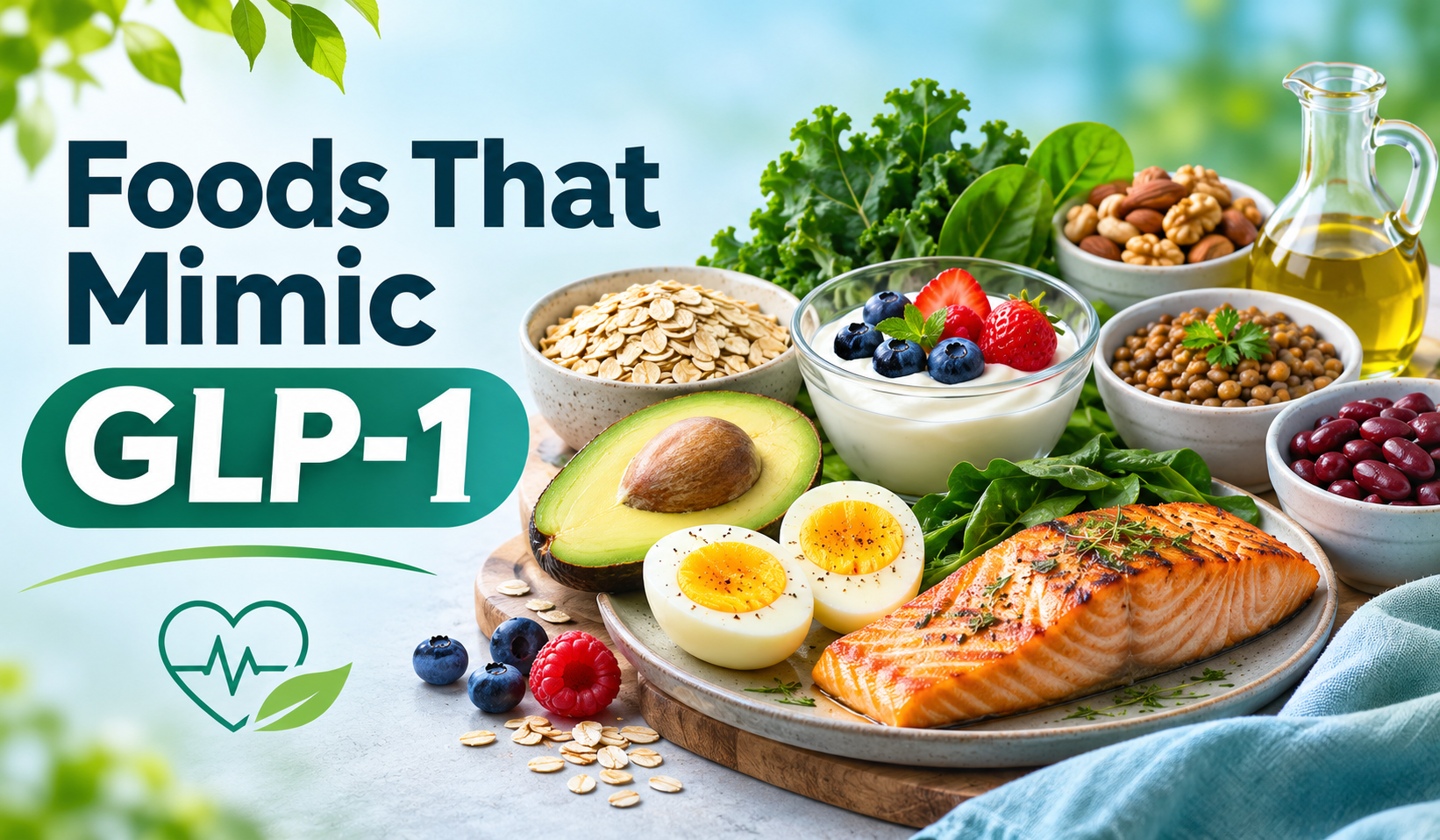
Certain foods can naturally stimulate GLP-1 secretion and support the body’s appetite-regulating mechanisms.
One of the most important hormones involved in this process is glucagon-like peptide-1, commonly known as GLP-1.
With the growing popularity of GLP-1 medications such as Ozempic, Wegovy, and Mounjaro, many people are searching for natural ways to support the same biological pathways through everyday foods.
This has created significant interest in foods that mimic GLP-1, particularly those that may help reduce hunger, improve blood sugar regulation, and support healthy weight management.
Fiber-rich vegetables, protein-packed foods, healthy fats, and fermented products can influence how your digestive system communicates with your brain.
While no food reproduces the powerful effects of prescription GLP-1 medications, making thoughtful dietary choices can help support your body’s natural GLP-1 activity.
In this guide, we’ll explore 15 foods that mimic GLP-1 activity, explain how they work, and share practical strategies for including them in your daily diet.
 GLP-1 Starting at $59 Per Month – 100% Online
What Is GLP-1, and Why Is It Important?
GLP-1, or glucagon-like peptide-1, is a hormone naturally released by specialized cells in your intestines after eating. It plays an important role in controlling appetite, regulating blood sugar, and coordinating several digestive processes.
When food enters your digestive tract, your body releases GLP-1 as part of its normal metabolic response. This hormone communicates with multiple organs, including the pancreas, stomach, and brain.
One of its primary functions is helping you recognize when you’ve eaten enough. GLP-1 contributes to feelings of fullness by influencing appetite-related signals in the brain.
It also supports healthy blood sugar regulation by stimulating insulin secretion when glucose levels are elevated and reducing inappropriate glucagon release.
Another important action involves slowing gastric emptying, meaning food moves from your stomach into your intestines more gradually.
Together, these effects help coordinate digestion, appetite, and metabolic balance.
Prescription GLP-1 receptor agonists act on the same receptor system but produce stronger and longer-lasting effects than the body’s naturally released hormone.
Can Foods Really Mimic GLP-1 Naturally?
Certain foods can support natural GLP-1 secretion, but the term “mimic” needs some explanation.
Foods do not function exactly like GLP-1 medications. Instead, specific nutrients can stimulate intestinal cells to release GLP-1 or influence metabolic pathways involved in fullness and blood sugar regulation.
Protein, dietary fiber, and certain fats are particularly relevant.
When these nutrients enter your digestive system, they activate receptors and signaling processes that help regulate appetite-related hormones.
For example, fermentable fiber can be broken down by beneficial gut bacteria, producing short-chain fatty acids that may stimulate GLP-1 secretion.
Similarly, protein digestion releases amino acids and peptides that influence gut hormone production.
The result is a natural physiological response that supports satiety and metabolic health.
However, the amount of GLP-1 released varies between individuals, and a temporary increase does not necessarily translate into significant weight loss.
The most effective approach is to combine several nutrient-rich foods within a balanced eating pattern.
GLP-1 Starting at $59 Per Month – 100% Online
15 Best Foods That Mimic GLP-1 Naturally
1. Oats – Support Natural GLP-1 Production Through Fiber
Oats are among the most useful foods for supporting appetite control because they contain beta-glucan, a type of soluble fiber associated with metabolic benefits.
When consumed, beta-glucan absorbs water and forms a gel-like substance in the digestive tract. This increases the viscosity of intestinal contents and can slow carbohydrate absorption.
Oat fiber may also support beneficial gut bacteria, which produce compounds involved in intestinal hormone signaling.
These processes can contribute to fullness and improved post-meal blood sugar responses.
A bowl of oatmeal at breakfast provides a satisfying foundation for the day, especially when combined with protein-rich ingredients.
Best way to eat: Choose plain rolled oats or steel-cut oats and add Greek yogurt, berries, or nuts for a balanced breakfast.
2. Eggs – High-Quality Protein for Better Fullness
Eggs are a valuable addition to a GLP-1-supportive diet because they provide high-quality protein containing all nine essential amino acids.
Protein-rich meals stimulate several appetite-regulating hormones, including GLP-1 and peptide YY.
This response can help increase satisfaction after eating and reduce the desire to snack shortly afterward.
Eggs also provide nutrients such as choline, vitamin B12, selenium, and vitamin D.
Their combination of protein and dietary fat makes them useful for creating balanced, satisfying meals.
Although eggs do not directly imitate GLP-1 medications, they can support some of the same goals, particularly meal satisfaction and appetite management.
Best way to eat: Enjoy boiled, poached, or scrambled eggs with vegetables and whole-grain toast.
3. Lentils – A Powerful Combination of Protein and Fiber
Lentils contain two nutrients strongly associated with fullness: dietary fiber and plant-based protein.
Their fiber content helps slow digestion and provides material for fermentation by intestinal bacteria.
During fermentation, gut bacteria produce short-chain fatty acids, including acetate, propionate, and butyrate.
These compounds participate in metabolic signaling pathways that may influence GLP-1 secretion.
Lentils also have a relatively low glycemic impact compared with many refined carbohydrate foods.
This makes them a practical choice for supporting steady energy and healthy post-meal glucose levels.
Best way to eat: Add cooked lentils to soups, salads, vegetable bowls, or homemade curries.
4. Greek Yogurt – Protein-Rich Support for Appetite Regulation
Plain Greek yogurt is an excellent source of protein and can be particularly helpful for people seeking meals that promote longer-lasting fullness.
Protein stimulates the digestive system to release hormones involved in appetite regulation.
Greek yogurt also provides calcium and, when made with live cultures, beneficial microorganisms.
Fermented foods may influence gut microbial activity, although evidence that yogurt consistently increases GLP-1 in humans remains limited.
Choosing unsweetened varieties helps avoid unnecessary added sugars.
Greek yogurt works especially well as a breakfast food or snack because it combines convenience with strong nutritional value.
Best way to eat: Combine plain Greek yogurt with chia seeds, walnuts, and fresh berries.
5. Avocados – Healthy Fats and Fiber for Lasting Satisfaction
Avocados provide a combination of monounsaturated fats and dietary fiber that can help make meals more satisfying.
Fat digestion activates intestinal signaling pathways involved in the release of several digestive hormones, including GLP-1.
The fiber in avocados may also contribute to fullness and support gut health.
Because avocados contain relatively little sugar, they fit easily into balanced meals designed to support healthy blood glucose regulation.
Their creamy texture can replace less nutritious spreads and sauces.
Still, avocados are energy-dense, so portion size matters when weight management is the goal.
Best way to eat: Add one-quarter to one-half of an avocado to salads, whole-grain toast, or vegetable bowls.
6. Chia Seeds – Soluble Fiber That Supports Satiety
Chia seeds are rich in fiber, including soluble fiber that absorbs water and creates a gel-like consistency.
This property can influence digestive processes and make meals feel more substantial.
Chia seeds also contain plant-based omega-3 fatty acids, protein, and minerals.
Their fiber reaches the large intestine, where some of it may be fermented by gut bacteria.
This fermentation supports the production of compounds involved in intestinal signaling.
Although direct evidence that chia seeds meaningfully increase GLP-1 in people is still developing, their fiber content makes them beneficial for digestive health and appetite control.
Best way to eat: Stir chia seeds into yogurt, oatmeal, or smoothies, or prepare overnight chia pudding.
7. Beans – Natural Support for Gut Hormones and Blood Sugar
Black beans, kidney beans, chickpeas, and other legumes are excellent additions to a GLP-1-friendly eating pattern.
They provide resistant starch, fiber, and protein.
Resistant starch passes through the small intestine without being fully digested and becomes available for fermentation in the colon.
Gut bacteria break it down into short-chain fatty acids, which can activate receptors associated with GLP-1 and peptide YY secretion.
Beans also promote meal satisfaction and can help moderate post-meal blood sugar increases when they replace refined carbohydrates.
Their versatility makes them an easy ingredient to incorporate into everyday meals.
Best way to eat: Add beans to salads, soups, grain bowls, or homemade chili.
8. Salmon – Protein and Healthy Fats for Metabolic Health
Salmon offers high-quality protein along with omega-3 fatty acids.
Both protein and fat can stimulate digestive responses associated with satiety hormones.
Omega-3 fats are also important for cardiovascular health and normal cellular function.
Although research does not establish salmon as a powerful direct GLP-1 booster, its nutrient composition makes it a valuable food for supporting a balanced, weight-conscious diet.
Protein-rich meals can help preserve muscle mass during weight loss, especially when combined with resistance exercise.
Salmon is particularly useful because it provides substantial protein without requiring large meal portions.
Best way to eat: Serve grilled or baked salmon with roasted vegetables and a fiber-rich whole grain.
9. Broccoli – Fiber-Rich Nutrition for Digestive Health
Broccoli contains fiber, vitamin C, vitamin K, folate, and various plant compounds.
Its fiber helps support digestive health and may indirectly influence gut hormone activity through microbial fermentation.
Broccoli also adds volume to meals without contributing many calories.
This can help people feel satisfied while maintaining an appropriate daily energy intake.
Cruciferous vegetables are associated with numerous nutritional benefits, making them worthwhile additions to a balanced eating pattern.
The evidence for broccoli specifically increasing GLP-1 in humans is not strong, but its contribution to fiber intake and meal quality is valuable.
Best way to eat: Steam or roast broccoli and serve it alongside lean protein and whole grains.
10. Barley – Beta-Glucan Fiber for Appetite and Glucose Support
Barley is another whole grain rich in beta-glucan, the soluble fiber also found in oats.
Beta-glucan can slow nutrient absorption and contribute to improved post-meal glucose responses.
Barley fiber also supports fermentation by intestinal microorganisms.
Some research suggests that fermentable carbohydrates may influence GLP-1 secretion through microbial metabolites.
Barley has a pleasantly chewy texture and works well as an alternative to refined grains.
Its fiber content makes meals more filling and supports overall digestive health.
Best way to eat: Use barley in vegetable soups, warm grain bowls, or as a side dish with beans and lean protein.
11. Almonds – A Nutrient-Dense Snack for Hunger Management
Almonds contain protein, fiber, and unsaturated fats.
These nutrients work together to support fullness and help make snacks more satisfying.
Eating almonds may reduce the desire for additional food compared with less filling snack options, depending on the overall meal and portion size.
Their fat and protein content can also influence digestive hormone responses.
Almonds provide vitamin E, magnesium, and other nutrients important for general metabolic health.
They are calorie-dense, so a modest serving is generally appropriate.
Best way to eat: Enjoy a small handful of unsalted almonds with fruit or add chopped almonds to oatmeal.
12. Apples – Pectin Fiber for Natural Appetite Support
Apples contain pectin, a soluble fiber that can be fermented by gut bacteria.
Pectin contributes to digestive health and may influence appetite-related processes through its effects on intestinal contents and microbial activity.
Eating a whole apple also involves chewing and provides water and fiber, which can promote fullness.
This makes whole apples a useful alternative to juice, which typically contains less fiber and is easier to consume quickly.
Research on pectin and GLP-1 is promising in some experimental settings, but the effect of eating apples on GLP-1 levels is not firmly established.
Best way to eat: Eat whole apples with the skin, paired with a protein source such as plain yogurt.
13. Flaxseeds – Fiber and Healthy Fats for Digestive Balance
Flaxseeds provide soluble and insoluble fiber, plant-based omega-3 fats, and lignans.
Their soluble fiber forms a viscous mixture when exposed to water, which may influence digestion and fullness.
Some flaxseed fiber can also undergo fermentation in the large intestine.
These characteristics make flaxseeds useful in an eating pattern designed to support healthy appetite regulation.
Ground flaxseeds are generally easier for the body to digest than whole seeds.
While flaxseeds are nutritious, research has not established that they produce clinically meaningful GLP-1 medication-like effects.
Best way to eat: Add one to two tablespoons of ground flaxseed to oatmeal, yogurt, or smoothies.
14. Berries – Fiber and Polyphenols for Metabolic Wellness
Blueberries, raspberries, blackberries, and strawberries offer fiber, vitamins, and natural plant compounds called polyphenols.
Some polyphenols interact with gut bacteria and metabolic signaling pathways.
Laboratory and animal studies suggest that certain plant compounds may influence GLP-1-related activity, but human findings are less conclusive.
Berries can still be an excellent choice for weight management because they provide sweetness, fiber, and water.
Raspberries and blackberries are particularly notable for their fiber content.
They can help satisfy cravings for sweet foods while contributing valuable nutrients.
Best way to eat: Add fresh or frozen berries to plain Greek yogurt, oatmeal, or homemade smoothies.
15. Sweet Potatoes – Fiber and Resistant Starch for Fullness
Sweet potatoes provide complex carbohydrates, fiber, potassium, and beta-carotene.
When cooked and then cooled, some of their starch becomes more resistant to digestion.
Resistant starch can reach the colon, where gut bacteria ferment it into short-chain fatty acids.
This process may support intestinal hormone pathways involved in GLP-1 secretion.
Sweet potatoes also provide carbohydrates needed for energy, making them a useful addition to balanced meals.
Their effect on blood glucose depends on preparation, portion size, and what they are eaten with.
Best way to eat: Enjoy baked or roasted sweet potatoes with a protein source and non-starchy vegetables.
GLP-1 Starting at $59 Per Month – 100% Online
How Do Foods That Mimic GLP-1 Work in the Body?
The relationship between food and GLP-1 involves several interconnected biological processes.
Understanding these mechanisms helps explain why a balanced meal often produces greater satisfaction than one built primarily around refined carbohydrates.
Stimulating GLP-1 Secretion
Specialized intestinal cells called L cells release GLP-1 in response to nutrients.
Protein digestion products, fats, and carbohydrates can activate signaling mechanisms involved in this process.
Meals containing a combination of these nutrients naturally stimulate post-meal hormone responses.
Supporting Gut Bacteria
Certain dietary fibers and resistant starches reach the large intestine, where beneficial microorganisms ferment them.
This process creates short-chain fatty acids, which can interact with receptors on intestinal cells.
Experimental studies suggest these metabolites may influence GLP-1 secretion and other appetite-related signals.
Promoting Fullness
Fiber-rich foods increase meal volume, while protein helps stimulate satiety hormones.
Healthy fats can contribute to satisfaction and affect digestive signaling.
Together, these nutritional properties may help reduce hunger between meals without the need for extreme dietary restriction.
Supporting Healthy Blood Sugar
GLP-1 helps regulate insulin and glucagon secretion in response to blood glucose.
Meanwhile, fiber-rich whole foods can slow carbohydrate absorption and moderate post-meal glucose increases.
These complementary effects make nutrient-dense meals valuable for metabolic health.
What Is the Best Diet to Naturally Support GLP-1?
A diet that supports natural GLP-1 activity does not need to be complicated or restrictive.
The most practical approach is to combine protein, fiber-rich carbohydrates, healthy fats, and a variety of vegetables.
A Mediterranean-style eating pattern is one useful example because it emphasizes legumes, whole grains, vegetables, fruits, nuts, olive oil, and fish.
These foods provide several nutrients associated with appetite regulation and metabolic health.
Instead of relying on a single GLP-1-supporting ingredient, focus on creating balanced meals that work together.
For breakfast, oatmeal topped with Greek yogurt and berries offers protein, soluble fiber, and antioxidants.
At lunch, a lentil salad with vegetables and avocado provides plant protein, fiber, and unsaturated fats.
Dinner might include baked salmon, roasted broccoli, and barley.
These combinations support general health while encouraging satisfying, nutrient-dense eating.
GLP-1 Starting at $59 Per Month – 100% Online
Can Eating More Protein Naturally Increase GLP-1?
Protein is one of the dietary nutrients most consistently associated with the release of appetite-regulating gut hormones.
After protein is digested, amino acids and peptides interact with intestinal signaling systems that influence GLP-1 and other hormones.
This response contributes to the greater fullness many people experience after eating protein-rich meals.
Good protein sources include eggs, fish, chicken, Greek yogurt, tofu, beans, and lentils.
Including protein throughout the day can also help maintain muscle during weight loss.
Nevertheless, eating excessive protein does not guarantee greater GLP-1 secretion or faster weight loss.
Individual requirements vary according to body size, activity level, age, and medical circumstances.
A balanced intake distributed across meals is generally more useful than focusing on exceptionally large portions.
Does Fiber Help Your Body Produce More GLP-1?
Dietary fiber plays an important role in the relationship between food, gut bacteria, and appetite regulation.
Soluble fiber can slow digestion and contribute to fullness.
Fermentable fiber provides nutrients for intestinal microorganisms, which produce metabolites that participate in gut hormone signaling.
Foods such as oats, barley, lentils, beans, chia seeds, and certain fruits are particularly useful sources.
Resistant starch, found in legumes and some cooked-and-cooled starchy foods, may provide similar fermentation benefits.
The effects depend on the type of fiber and an individual’s gut microbiome.
Increasing fiber gradually is important because sudden dietary changes can cause gas, bloating, or abdominal discomfort.
Drinking adequate water also helps support digestive comfort.
For most adults, achieving approximately 25–38 grams of dietary fiber daily, depending on age and sex, is a reasonable nutritional goal.
GLP-1 Starting at $59 Per Month – 100% Online
Foods That May Work Against Healthy Appetite Regulation
Some foods are less effective at promoting sustained fullness, particularly when they contain large amounts of refined carbohydrates and relatively little protein or fiber.
Sugary drinks are one example. Liquid calories can be consumed quickly and may produce less satisfaction than whole foods.
Highly refined snacks, such as certain pastries, candies, and low-fiber crackers, can also make it easier to consume more calories without feeling comfortably full.
Large meals dominated by refined starches may produce rapid changes in blood glucose, especially when eaten without protein, fiber, or healthy fats.
This does not mean these foods completely stop GLP-1 production.
In fact, carbohydrates can stimulate GLP-1 release.
The important distinction is that the overall nutritional composition of a meal affects satiety, energy intake, and metabolic responses.
Replacing some highly processed, low-fiber options with whole foods may help improve appetite management over time.
Natural GLP-1 Foods vs. GLP-1 Medications: What’s the Difference?
Natural dietary strategies and GLP-1 medications influence overlapping biological pathways, but their effects are substantially different.
Foods stimulate the body’s normal release of GLP-1 and other digestive hormones after eating.
Naturally released GLP-1 is broken down rapidly, so its effects are relatively short-lived.
Prescription GLP-1 receptor agonists are designed to activate GLP-1 receptors for much longer periods.
This produces stronger effects on appetite, glucose regulation, and, for certain medications, body weight.
Some prescription treatments also act on additional receptors. For example, tirzepatide targets both GIP and GLP-1 receptors.
Eating oats, eggs, lentils, or avocados cannot reproduce the magnitude of weight loss typically seen with effective prescription obesity treatments.
Nevertheless, nutritious dietary patterns remain important whether someone uses medication or prefers lifestyle-based weight management.
Food choices can support digestive comfort, adequate nutrition, and long-term metabolic health.
GLP-1 Starting at $59 Per Month – 100% Online
Simple Daily Habits to Support Natural GLP-1 Activity
Beyond choosing individual foods, your overall eating habits can influence hunger and metabolic regulation.
Begin by building meals around vegetables, whole grains, legumes, and satisfying protein sources.
Try to include fiber at breakfast rather than waiting until dinner to consume most of your daily intake.
Eating at a comfortable pace can also help you recognize fullness signals before becoming uncomfortably full.
Regular physical activity supports glucose regulation and metabolic health. Walking after meals can be especially useful for managing post-meal blood sugar.
Adequate sleep is another important factor because insufficient sleep can interfere with appetite regulation and food choices.
Avoid relying on extreme fasting schedules or severely restrictive diets as shortcuts to increasing GLP-1.
A sustainable routine built around nutritious meals, movement, and consistent sleep is more likely to support long-term results.
How Long Does It Take for GLP-1-Supporting Foods to Work?
GLP-1 secretion naturally increases after eating, so the hormonal response to nutrients can begin within minutes.
Feelings of fullness may also develop during and after a meal, depending on the amount and composition of food consumed.
The effects of higher fiber intake on gut bacteria and digestive function generally develop over a longer period.
Some people notice improved meal satisfaction within days of increasing protein and fiber, while changes in bowel habits and digestive comfort may take longer.
Weight changes, when they occur, depend on overall calorie intake, physical activity, sleep, health status, and many other factors.
There is no established timeline showing that eating specific foods will produce a predictable increase in GLP-1 or a particular amount of weight loss.
Consistency is more important than expecting dramatic results from one meal or ingredient.
GLP-1 Starting at $59 Per Month – 100% Online
Are Natural GLP-1-Boosting Foods Safe for Everyone?
Most foods associated with natural GLP-1 support are nutritious and suitable for many adults.
Still, individual dietary needs should be considered.
Increasing fiber too quickly can cause bloating, gas, and digestive discomfort, particularly in people with sensitive digestive systems.
Nuts, eggs, fish, and dairy products may not be appropriate for individuals with allergies or intolerances.
People with diabetes who take medications that can cause low blood sugar should discuss substantial dietary changes with their healthcare team.
Individuals with kidney disease or conditions requiring specialized diets may also need personalized guidance regarding protein, potassium, or fiber intake.
A gradual, balanced approach is usually preferable to making sudden, extreme changes.
Final Verdict:
Foods that mimic GLP-1 activity can play a meaningful supporting role in appetite control, blood sugar management, and healthy weight maintenance. They do this primarily by stimulating natural digestive hormone responses, promoting fullness, and supporting gut health.
Oats, lentils, eggs, Greek yogurt, beans, chia seeds, avocados, and other nutrient-dense foods are particularly valuable because they supply protein, fiber, or healthy fats.
No individual food acts like a prescription GLP-1 medication, and naturally increasing GLP-1 does not guarantee substantial weight loss.
The greatest benefit comes from combining these foods within a sustainable eating pattern rather than treating any one ingredient as a shortcut.
By prioritizing satisfying meals, adequate protein, diverse fiber sources, regular movement, and healthy daily routines, you can support your body’s natural appetite-regulating systems while building a stronger foundation for long-term metabolic health.
GLP-1 Starting at $59 Per Month – 100% Online
References
https://en.wikipedia.org/wiki/Caloric_restriction_mimetic
https://www.healthline.com/health/foods-that-increase-glp-1
https://www.webmd.com/obesity/weight-loss-prescription-weight-loss-medicine
