GLP-1 Kidney Stones: Can GLP-1 Increase Kidney Stone Risk?
GLP-1 medications have transformed the way millions of people approach weight loss, blood sugar management, and metabolic health. Medications such as Ozempic, Wegovy, Mounjaro, and Zepbound help control appetite, increase feelings of fullness, and support healthier body weight.
While these medications offer significant health benefits, concerns about their potential side effects have led many people to ask: Can GLP-1 medications cause kidney stones?
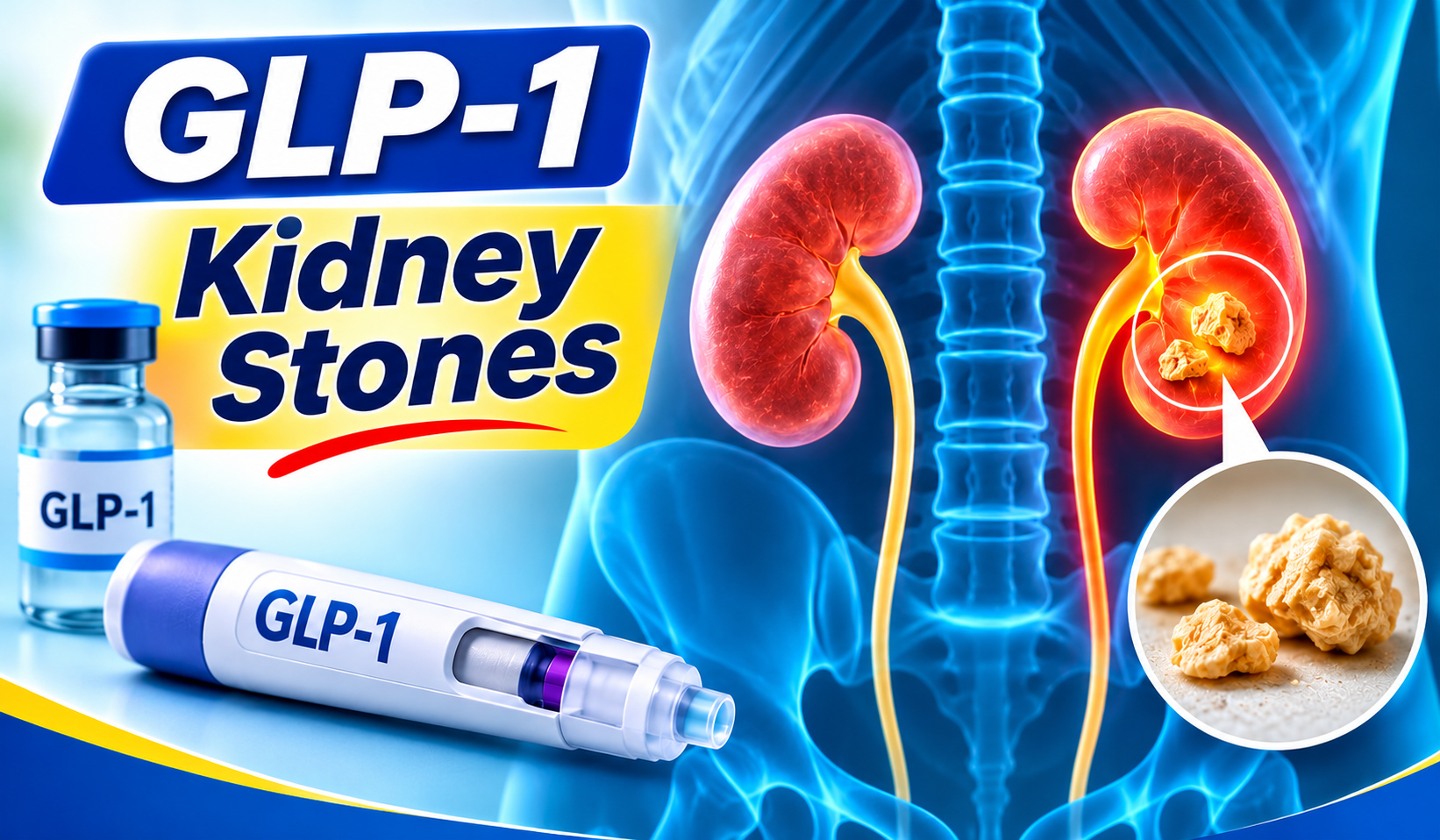
The relationship between GLP-1 and kidney stones is more complex than many people realize. Although these medications have not been established as a direct cause of kidney stones, changes in hydration, eating habits, digestive function, and nutritional intake may influence the risk of stone formation.
Understanding these risk factors can help you protect your kidneys while continuing your weight loss journey.
This guide explores the connection between GLP-1 medications and kidney stones, common warning signs, scientific research, prevention strategies, and ways to maintain optimal kidney health.
 GLP-1 Starting at $59 Per Month – 100% Online
What Is the Connection Between GLP-1 and Kidney Stones?
GLP-1 stands for glucagon-like peptide-1, a naturally occurring hormone involved in appetite regulation, digestion, insulin secretion, and blood sugar management.
GLP-1 receptor agonists mimic the actions of this hormone, while newer dual-action medications also target other metabolic hormone receptors.
Popular GLP-1-based medications include:
| Medication | Active ingredient |
|---|---|
| Ozempic | Semaglutide |
| Wegovy | Semaglutide |
| Rybelsus | Semaglutide |
| Mounjaro | Tirzepatide |
| Zepbound | Tirzepatide |
| Saxenda | Liraglutide |
| Trulicity | Dulaglutide |
| Victoza | Liraglutide |
Kidney stones, also known as nephrolithiasis, are hard deposits that develop when certain minerals and substances crystallize inside the kidneys.
When GLP-1 users experience reduced fluid consumption or dehydration, their urine may become more concentrated, creating conditions that favor crystal formation.
The potential connection between these medications and kidney stones may therefore involve lifestyle and digestive changes rather than a direct effect of the medication itself.
Can GLP-1 Medications Cause Kidney Stones?
Current research has not established GLP-1 medications as a direct cause of kidney stones. Some studies even suggest that GLP-1-assisted weight loss may improve certain urinary markers associated with stone formation.
Individual risk can still vary depending on hydration, underlying health conditions, dietary choices, and medication tolerance.
Several factors may indirectly increase kidney stone risk.
Dehydration
GLP-1 medications reduce appetite, and some individuals also find themselves drinking less water throughout the day.
Inadequate hydration increases the concentration of minerals in urine, making it easier for crystals to develop.
Nausea and Vomiting
Nausea and vomiting are potential side effects of GLP-1 medications, particularly when starting treatment or increasing the dosage.
Frequent vomiting can contribute to fluid loss and dehydration.
Diarrhea
Persistent diarrhea can reduce fluid levels and affect electrolyte balance, potentially increasing the likelihood of concentrated urine.
Dietary Changes
Many individuals adopt high-protein or restrictive diets while using GLP-1 medications. Excessive animal protein, inadequate dietary calcium, and high sodium consumption may influence stone formation.
Existing Metabolic Conditions
Obesity, type 2 diabetes, gout, and certain metabolic disorders are independently associated with kidney stone risk.
These underlying conditions may partly explain why some individuals develop kidney stones during GLP-1 treatment.
GLP-1 Starting at $59 Per Month – 100% Online
What Does Scientific Research Say About GLP-1 and Kidney Stones?
Researchers continue to investigate how GLP-1 receptor agonists influence kidney function, urinary composition, and kidney stone formation.
Several studies have produced encouraging findings.
Reduced Urinary Oxalate Levels
A 2024 study published in Kidney360 examined urinary changes in people with obesity and a history of kidney stones undergoing GLP-1-assisted weight loss.
Researchers observed reductions in urinary oxalate and sulfate levels. Lower urinary oxalate may be beneficial because calcium oxalate is the most common component of kidney stones.
Changes in Urinary Composition
A 2025 retrospective cohort study found that GLP-1 receptor agonists were not associated with significant changes in urinary parameters that influence kidney stone formation.
Potential Kidney Stone Risk Reduction
Preliminary research presented in 2026 suggests that GLP-1 therapy may be associated with fewer kidney stone events in certain populations.
Other observational findings have raised concerns about increased risk, making further research necessary to establish a definitive relationship.
Improved Long-Term Kidney Health
The FLOW clinical trial found that semaglutide reduced the relative risk of major kidney disease outcomes by 24% in patients with type 2 diabetes and chronic kidney disease.
These findings relate to chronic kidney disease progression rather than kidney stone prevention.
Symptoms of GLP-1 Kidney Stones
Recognizing the early warning signs of kidney stones can help prevent complications and ensure timely medical treatment.
Common kidney stone symptoms include:
-
Sharp pain in the lower back or side
-
Pain that spreads toward the lower abdomen or groin
-
Blood in the urine
-
Painful urination
-
Frequent urges to urinate
-
Cloudy or foul-smelling urine
-
Nausea and vomiting
-
Difficulty passing urine
-
Fever and chills
Kidney stone pain often occurs in waves and may become increasingly uncomfortable as the stone moves through the urinary tract.
Because nausea, vomiting, and abdominal discomfort are also potential GLP-1 side effects, some individuals may mistakenly associate kidney stone symptoms with their medication.
GLP-1 Starting at $59 Per Month – 100% Online
GLP-1 Side Effects vs. Kidney Stone Symptoms
| Symptom | GLP-1 side effects | Kidney stones |
|---|---|---|
| Nausea | Common | Possible |
| Vomiting | Possible | Possible |
| Constipation | Common | Not typical |
| Severe flank pain | Not typical | Common |
| Blood in urine | Not typical | Possible |
| Painful urination | Not typical | Possible |
| Reduced appetite | Common | Possible |
| Fever and chills | Not typical | Possible with infection |
| Abdominal discomfort | Possible | Possible |
Seek immediate medical attention if you experience severe pain, fever, chills, persistent vomiting, or an inability to urinate.
How GLP-1 Medications May Influence Kidney Stone Formation
GLP-1 medications influence several physiological processes that may indirectly affect kidney stone development.
Reduced Urine Volume
When fluid intake decreases, the kidneys conserve water and produce more concentrated urine.
Higher concentrations of calcium, oxalate, and uric acid can encourage crystal formation.
Changes in Food Consumption
Appetite suppression can significantly change eating habits. Individuals may consume fewer calcium-rich foods, fruits, and vegetables while increasing their reliance on protein-rich meals.
An unbalanced diet may contribute to unfavorable urinary conditions.
Changes in Urinary pH
Urinary acidity plays an important role in determining which types of kidney stones may develop.
Persistently acidic urine can encourage uric acid stone formation, particularly in individuals with insulin resistance or metabolic syndrome.
Reduced Citrate Intake
Citrate is a naturally occurring substance that helps inhibit calcium-based crystal formation in urine.
Consuming fewer fruits and vegetables may affect urinary citrate levels in some individuals.
Fluid and Electrolyte Loss
Prolonged gastrointestinal side effects can contribute to fluid and electrolyte depletion, potentially affecting kidney function and increasing susceptibility to dehydration-related complications.
GLP-1 Starting at $59 Per Month – 100% Online
Who Is Most at Risk of Developing Kidney Stones While Taking GLP-1?
Although kidney stones can affect anyone, certain individuals may have a higher baseline risk.
| Risk factor | Potential concern |
|---|---|
| Previous kidney stones | Increased likelihood of recurrence |
| Chronic dehydration | Concentrated urine |
| Type 2 diabetes | Changes in urinary acidity |
| Obesity | Increased metabolic risk |
| High-sodium diet | Increased urinary calcium |
| Excessive animal protein intake | Changes in uric acid and citrate |
| Family history of kidney stones | Genetic susceptibility |
| Gout | Increased uric acid stone risk |
| Previous bariatric surgery | Potential increase in oxalate absorption |
| Chronic diarrhea | Fluid and electrolyte loss |
People with existing kidney conditions or recurrent kidney stones should discuss their medical history with their healthcare provider before starting GLP-1 treatment.
How to Prevent Kidney Stones While Taking GLP-1 Medications
Making a few practical lifestyle adjustments can help support kidney health and reduce preventable risk factors.
Stay Properly Hydrated
Drinking sufficient water throughout the day is one of the most effective kidney stone prevention strategies.
For many adults with a history of kidney stones, urological guidelines recommend fluid consumption sufficient to produce at least 2.5 liters of urine daily.
People with prescribed fluid restrictions should follow their healthcare provider’s recommendations.
Reduce Sodium Consumption
Excessive sodium intake can increase the amount of calcium excreted through urine.
Reduce your consumption of processed meats, packaged snacks, fast food, instant noodles, and heavily salted meals.
Maintain Adequate Dietary Calcium
Avoid unnecessarily eliminating calcium from your diet. Dietary calcium helps bind oxalate within the digestive tract, reducing its absorption.
Milk, yogurt, and other calcium-rich foods can support balanced nutrition.
Eat More Citrate-Rich Fruits
Lemons, oranges, and other citrus fruits provide citrate, which may help inhibit certain types of kidney stone formation.
Unsweetened lemon water can also make regular hydration more enjoyable.
Avoid Excessive Animal Protein
Protein is important for preserving muscle mass during GLP-1-assisted weight loss. Excessive animal protein consumption, nonetheless, may contribute to unfavorable urinary changes.
Incorporate a balanced variety of protein sources.
Manage Digestive Side Effects
Eat smaller meals, avoid foods that trigger nausea, and drink fluids gradually throughout the day.
Contact your healthcare provider if digestive discomfort interferes with your ability to stay hydrated.
Avoid Unnecessary Supplements
High-dose vitamin C and inappropriate calcium supplementation may increase stone risk in susceptible individuals.
Discuss your supplement routine with a healthcare professional.
GLP-1 Starting at $59 Per Month – 100% Online
Best Foods to Eat on GLP-1 to Prevent Kidney Stones
A balanced diet can support healthy weight loss while helping reduce several dietary risk factors associated with kidney stones.
| Food | Potential benefit |
|---|---|
| Lemons | Provide dietary citrate |
| Oranges | Support citrate intake |
| Watermelon | Supports hydration |
| Cucumbers | High water content |
| Greek yogurt | Provides dietary calcium |
| Cauliflower | Lower-oxalate vegetable option |
| Cabbage | Supports balanced nutrition |
| Apples | Provide fiber and hydration |
| Rice | Lower-oxalate carbohydrate source |
| Eggs | Convenient protein source |
| Pears | Provide dietary fiber |
| Milk | Helps meet calcium requirements |
Foods to Limit While Taking GLP-1
People susceptible to calcium oxalate stones may benefit from moderating certain high-oxalate foods, while others may need to focus more on sodium or animal protein intake.
| Food | Reason to limit |
|---|---|
| Spinach | High oxalate content |
| Rhubarb | High oxalate content |
| Almonds | High oxalate content |
| Beets | Contain oxalates |
| Processed meats | High sodium content |
| Potato chips | Excessive sodium |
| Sugary soft drinks | Added sugar |
| Fast food | High sodium content |
| Excessive red meat | High animal protein intake |
| Excessive dark chocolate | Contains oxalates |
Dietary restrictions should be personalized to your kidney stone type, nutritional requirements, and medical history.
GLP-1 Starting at $59 Per Month – 100% Online
How Much Water Should You Drink on GLP-1?
Proper hydration becomes particularly important when taking medications that reduce appetite or cause digestive side effects.
For many people prone to kidney stones, approximately 2.5–3 liters of daily fluid intake may be a reasonable starting point, provided there are no medical fluid restrictions. Actual requirements depend on fluid losses and urine output.
Sample Daily Hydration Schedule
Daily Water Intake
Example hydration routine
After waking up
500 mL
With breakfast
300 mL
Mid-morning
400 mL
Around lunchtime
500 mL
Mid-afternoon
400 mL
Around dinner
400 mL
During the evening
300 mL
Total daily intake
2.8 L
This schedule is an example rather than a universal recommendation. Spread your fluid intake throughout the day instead of consuming large quantities at once.
GLP-1 Kidney Stones vs. Acute Kidney Injury
Kidney stones and acute kidney injury are two different medical conditions that should not be confused.
Kidney stones involve the crystallization of substances within the urinary system, whereas acute kidney injury involves a sudden reduction in kidney function.
| Feature | Kidney stones | Acute kidney injury |
|---|---|---|
| Primary cause | Crystal formation | Sudden kidney dysfunction |
| Severe flank pain | Common | Not typical |
| Blood in urine | Possible | Possible |
| Reduced urine output | Possible with obstruction | Possible |
| Swelling | Not typical | Possible |
| Dehydration-related risk | Yes | Yes |
| Medical treatment | Depends on stone size and location | Depends on underlying cause |
The prescribing information for semaglutide and tirzepatide includes warnings about acute kidney injury associated with fluid depletion.
Monitoring hydration and managing gastrointestinal side effects are important aspects of safe GLP-1 treatment.
GLP-1 Starting at $59 Per Month – 100% Online
Can You Take GLP-1 If You Have a History of Kidney Stones?
Yes. Many individuals with a history of kidney stones may be eligible for GLP-1 treatment under appropriate medical supervision.
A healthcare provider may recommend blood tests, kidney function monitoring, urine analysis, or 24-hour urine testing for individuals with recurrent stones.
Maintaining adequate hydration, following a balanced diet, managing digestive side effects, and attending regular medical appointments can help reduce avoidable complications.
Do Ozempic, Wegovy, Mounjaro, and Zepbound Cause Kidney Stones?
Ozempic, Wegovy, Mounjaro, and Zepbound have not been conclusively established as direct causes of kidney stones.
Their effects on appetite and digestion may indirectly influence hydration and dietary habits.
Individuals experiencing persistent vomiting, diarrhea, or difficulty drinking enough fluids should contact their healthcare provider to discuss appropriate treatment adjustments.
Final Verdict
The relationship between GLP-1 and kidney stones involves several factors, including hydration, dietary habits, metabolic health, and individual susceptibility.
Current scientific research has not established GLP-1 medications as a direct cause of kidney stone formation. Some emerging studies even suggest potential improvements in urinary risk markers and kidney stone outcomes.
Drinking sufficient water, maintaining adequate dietary calcium, reducing excessive sodium intake, eating balanced meals, and managing digestive side effects can help protect kidney health.
Individuals with a history of kidney stones should work closely with their healthcare providers to develop a personalized prevention strategy.
With appropriate medical supervision and healthy lifestyle habits, many individuals can pursue the metabolic and weight loss benefits of GLP-1 medications while managing their kidney stone risk.
GLP-1 Starting at $59 Per Month – 100% Online
References
https://pmc.ncbi.nlm.nih.gov/articles/PMC12282619/
https://www.healthline.com/health/obesity/obesity-and-kidney-stones
