GLP-1 Weight Loss Non Diabetic 2026: How It Works & Benefits
GLP-1 Weight Loss Non Diabetic: 🔥How GLP-1 Medications Help People Without Diabetes Lose Weight
Weight loss has always been a challenging journey for many people, especially those who struggle with persistent hunger, food cravings, slow metabolism, or difficulty maintaining long-term results through diet and exercise alone.
In recent years, GLP-1 medications have gained significant attention as an advanced approach for weight management, not only among people with diabetes but also among individuals without diabetes who are looking for effective weight loss solutions.
The topic of GLP-1 weight loss non diabetic has become increasingly popular because many people wonder whether GLP-1 medications can be used safely and effectively if they do not have diabetes.
While GLP-1 medications were originally developed to help manage blood sugar levels in people with type 2 diabetes, researchers discovered that they also have powerful effects on appetite regulation, calorie intake, and body weight.
Today, certain GLP-1 medications are approved specifically for chronic weight management in adults who meet medical criteria, including those who are not diabetic.
These treatments work by mimicking a naturally occurring hormone called glucagon-like peptide-1 (GLP-1), which helps regulate hunger, digestion, and feelings of fullness.
For non-diabetic individuals struggling with obesity or excess weight, GLP-1 treatments may provide additional support when combined with healthy lifestyle changes.
They are not considered a quick fix or a replacement for nutritious eating and physical activity, but they can be an important tool for people who need medical assistance to achieve sustainable weight management.
This comprehensive guide explains how GLP-1 weight-loss therapy works for non-diabetics, its benefits, potential side effects, eligibility requirements, expected results, and important factors to consider before starting treatment.
What Is GLP-1 Weight Loss for Non-Diabetics?
GLP-1 weight loss for non-diabetic individuals refers to the use of GLP-1 receptor agonist medications to support weight reduction in people without diabetes.
These medications activate GLP-1 receptors in the body, creating effects that influence appetite, digestion, and eating behavior.
GLP-1 is a hormone naturally produced in the intestine after eating. It plays an important role in communicating hunger and fullness to the brain.
When GLP-1 levels increase, the body receives signals that help reduce appetite and promote satisfaction after meals.
In people without diabetes, GLP-1 medications can still produce these appetite-regulating effects. They may help individuals:
- Feel full with smaller portions
- Reduce frequent cravings
- Control emotional or unnecessary eating
- Lower overall calorie intake
- Develop healthier eating patterns
The goal of GLP-1 weight-loss treatment is not only rapid weight reduction but also the improvement of the biological factors that often make weight loss difficult.
Many people experience weight regain after traditional dieting because hunger hormones increase after weight loss. GLP-1 medications may help address some of these challenges by supporting appetite control.
How Do GLP-1 Medications Work for Weight Loss Without Diabetes?
GLP-1 medications work by imitating the activity of the natural GLP-1 hormone. Although blood sugar control is one of their major functions, their effects on appetite and digestion also make them useful for weight management.
1. Appetite Regulation
One of the main reasons GLP-1 medications support weight loss is their ability to influence appetite signals in the brain.
GLP-1 receptors are found in areas of the brain involved in hunger and food reward. When these receptors are activated, many people experience reduced hunger and fewer cravings.
This can make it easier to follow a calorie-controlled eating plan without feeling constantly hungry.
2. Slower Stomach Emptying
GLP-1 medications slow down the movement of food from the stomach into the small intestine.
This slower digestion process may help people:
- Stay satisfied longer after meals
- Avoid frequent snacking
- Experience improved portion control
Because food remains in the stomach longer, many individuals naturally consume fewer calories throughout the day.
3. Improved Hunger Hormone Signals
Weight management is influenced by many biological signals, including hormones that regulate hunger and fullness.
GLP-1 medications help improve communication between the digestive system and brain, making hunger signals more balanced.
For many non-diabetic users, this may reduce the constant desire to eat and make healthy lifestyle changes easier to maintain.
4. Better Blood Sugar Regulation
Even people without diabetes can experience blood sugar fluctuations that influence hunger and cravings.
GLP-1 medications help regulate post-meal glucose responses, which may support steadier energy levels and reduce sudden hunger episodes.
Why Are Non-Diabetic People Using GLP-1 Medications?
The growing interest in GLP-1 weight loss non diabetic treatment comes from increasing awareness that obesity is a complex medical condition influenced by genetics, hormones, metabolism, and lifestyle factors.
Many people who seek GLP-1 treatment have already tried traditional approaches such as:
- Calorie restriction
- Exercise programs
- Weight loss supplements
- Meal replacement plans
- Popular diets
However, some individuals continue to struggle because their bodies naturally resist weight loss.
GLP-1 medications provide another option by targeting biological pathways involved in appetite and weight regulation.
Non-diabetic individuals may consider GLP-1 weight loss treatments if they:
- Have obesity
- Have weight-related health concerns
- Struggle with appetite control
- Have difficulty maintaining previous weight loss
- Need additional medical support
Which GLP-1 Medications Are Used for Weight Loss?
Several GLP-1-related medications are available for weight management. The exact medication prescribed depends on individual health factors, medical history, and provider recommendations.
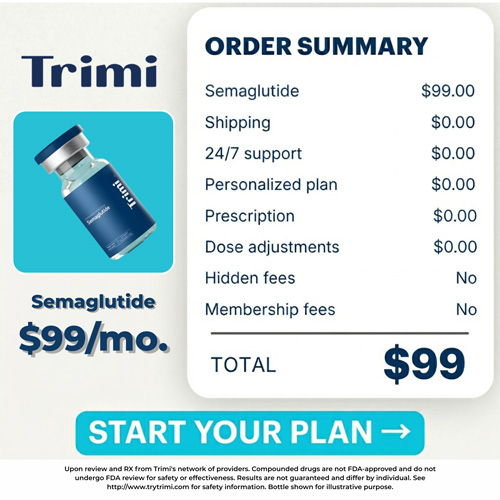
➥ Semaglutide
Semaglutide is one of the most recognized GLP-1 medications used for weight management.
It works by:
- Reducing appetite
- Increasing fullness
- Supporting lower calorie intake
- Helping maintain healthier eating habits
Semaglutide-based weight-management treatments are available under specific brand names and are approved for chronic weight management.
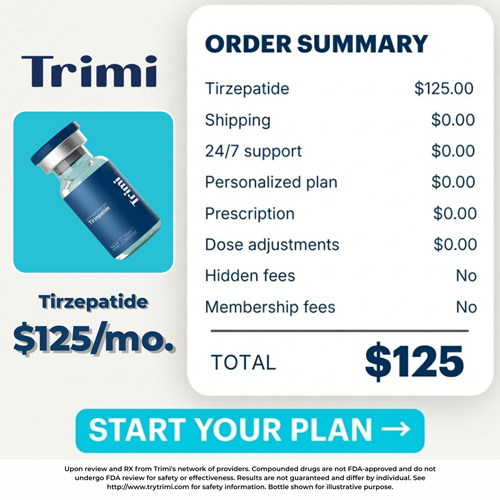
➥ Tirzepatide
Tirzepatide is a newer medication that works on both GLP-1 and GIP pathways. Because it activates two hormone pathways, it may provide strong effects on appetite control and weight reduction.
Potential benefits include:
- Improved appetite regulation
- Reduced cravings
- Support for significant weight loss
- Better metabolic health markers
➥ Liraglutide
Liraglutide is another medication that affects GLP-1 receptors. It is administered daily and may help support weight management by reducing hunger and improving feelings of fullness.
Benefits of GLP-1 Weight Loss for Non-Diabetic Individuals
1. Supports Significant Weight Reduction
Clinical studies have shown that GLP-1 medications can support meaningful weight loss when combined with lifestyle changes.
Results vary depending on:
- Medication type
- Dosage
- Duration of treatment
- Individual health factors
- Diet and exercise habits
2. Helps Control Appetite
Many people report that their biggest challenge with weight loss is constant hunger.
GLP-1 medications may help reduce:
- Frequent snacking
- Strong food cravings
- Large portion sizes
- Uncontrolled appetite
This makes healthy eating habits easier to maintain.
3. Encourages Better Eating Patterns
When hunger signals become more balanced, individuals may naturally develop improved eating behaviors.
Many people find it easier to:
- Choose healthier foods
- Eat smaller portions
- Avoid overeating
- Maintain consistency
4. Supports Long-Term Weight Management
Unlike short-term dieting methods, GLP-1 treatments are designed as part of a broader medical weight management approach.
They may help individuals create sustainable lifestyle changes.
5. Improves Metabolic Health
Weight loss supported by GLP-1 medications may contribute to improvements in:
- Blood pressure
- Cholesterol levels
- Insulin sensitivity
- Overall metabolic health
Who May Qualify for GLP-1 Weight Loss Without Diabetes?
Not everyone who wants to lose weight will qualify for GLP-1 medication.
Healthcare providers typically evaluate factors such as:
- Body mass index (BMI)
- Weight-related medical conditions
- Previous weight loss attempts
- Overall health history
Many weight management guidelines consider GLP-1 treatment for adults who:
- Have obesity, or
- Are overweight with related health conditions
A medical provider determines whether GLP-1 treatment is appropriate based on individual circumstances.
⏳ Expected GLP-1 Weight Loss Timeline
Everyone responds differently, but many people experience gradual changes over time.
🗓️ First Few Weeks
During the beginning stages, individuals may notice:
- Reduced appetite
- Earlier feelings of fullness
- Changes in food cravings
The body is adjusting to the medication during this period.
🗓️ One to Three Months
Many users begin to notice more pronounced weight changes. Common improvements include:
- Better portion control
- More consistent eating habits
- Reduced desire for high-calorie foods
🗓️ Three Months and Beyond
With continued treatment and healthy lifestyle habits, individuals may experience greater weight reduction.
Long-term results depend on:
- Medication adherence
- Nutrition choices
- Physical activity
- Medical guidance
GLP-1 Weight Loss Side Effects in Non-Diabetic People
Like all medications, GLP-1 treatments may cause side effects. Common side effects include:
Nausea
Nausea is one of the most frequently reported effects, especially when starting treatment or increasing dosage.
Digestive Changes
Some people experience:
- Constipation
- Diarrhea
- Bloating
- Stomach discomfort
Reduced Appetite
Although reduced appetite is a desired effect, some individuals may need guidance to ensure they still consume enough nutrients.
Fatigue
Some people report temporary fatigue as their bodies adjust.
How to Maximize GLP-1 Weight Loss Results
GLP-1 medications work best when combined with healthy habits.
Focus on Protein Intake
Protein helps maintain muscle mass during weight loss.
Good sources include:
- Eggs
- Fish
- Lean meats
- Greek yogurt
- Beans
- Protein-rich foods
Stay Hydrated
Adequate hydration may support digestion and reduce some side effects.
Exercise Regularly
Physical activity helps:
- Maintain muscle
- Improve fitness
- Support metabolism
A combination of strength training and cardiovascular exercise can be beneficial.
Prioritize Whole Foods
A balanced diet containing:
- Vegetables
- Fruits
- Lean proteins
- Healthy fats
- Whole grains
can support better results.
GLP-1 Weight Loss vs Traditional Dieting
Traditional dieting usually focuses on reducing calories through willpower and lifestyle changes.
While diet and exercise remain essential, GLP-1 medications approach weight management differently by influencing biological hunger pathways.
Traditional Weight Loss
- Focuses mainly on calorie control
- Requires strong appetite management
- May be difficult to maintain long term
GLP-1 Supported Weight Loss
- Helps regulate appetite signals
- Supports portion control
- Provides medical assistance
The most effective approach often combines medication with sustainable lifestyle changes.
Common Myths About GLP-1 Weight Loss Without Diabetes
⚡Myth 1: GLP-1 Medications Are Only for Diabetes
Although originally developed for diabetes management, some GLP-1 medications are approved for weight management in eligible non-diabetic adults.
⚡Myth 2: GLP-1 Medications Replace Healthy Habits
GLP-1 medications are not substitutes for nutrition and exercise.
They work best as part of a complete weight management strategy.
⚡Myth 3: Everyone Loses the Same Amount of Weight
Results vary from person to person.
Factors such as genetics, lifestyle, dosage, and health conditions affect outcomes.
Is GLP-1 Weight Loss Safe for Non-Diabetics?
When prescribed and monitored by a qualified healthcare provider, GLP-1 medications can be a safe option for eligible individuals.
Before starting treatment, providers typically review:
- Medical history
- Current medications
- Health risks
- Weight loss goals
Regular follow-up appointments help monitor progress and manage possible side effects.
Who Should Consider GLP-1 Weight Loss Treatment Without Diabetes?
GLP-1 weight loss treatment may be considered by adults who have struggled with weight management despite making consistent lifestyle changes.
Non-diabetic individuals who experience obesity, excess weight-related health concerns, or difficulty controlling appetite may benefit from discussing GLP-1 options with a healthcare provider.
These medications are generally considered as part of a comprehensive weight management plan that includes nutrition improvements, physical activity, and regular medical monitoring.
People who may benefit from GLP-1 weight loss support often include those who experience frequent hunger, strong food cravings, emotional eating patterns, or difficulty maintaining previous weight loss results.
A healthcare professional can evaluate personal health history, weight goals, and potential risks to determine whether GLP-1 treatment is an appropriate option.
The Future of GLP-1 Weight Management for Non-Diabetic Adults
The growing interest in GLP-1 weight-loss treatments non non-diabetic patients reflects a shift toward understanding weight management as a complex medical process rather than simply a matter of willpower.
As research continues, GLP-1-based therapies are becoming an important part of personalized approaches to weight care.
Future developments may focus on improving treatment options, reducing side effects, and creating more individualized plans based on each person’s metabolism, lifestyle, and health goals.
For non-diabetic individuals seeking long-term weight management support, GLP-1 medications represent a promising advancement when used responsibly under professional guidance.
By combining medical treatment with healthy lifestyle habits, individuals may achieve better control over their appetite, improve overall wellness, and develop sustainable strategies for maintaining a healthier weight.
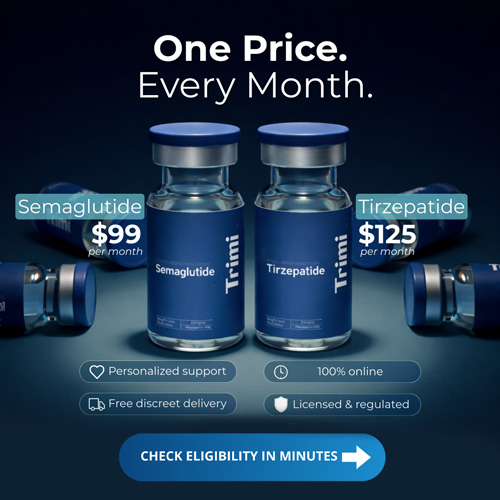
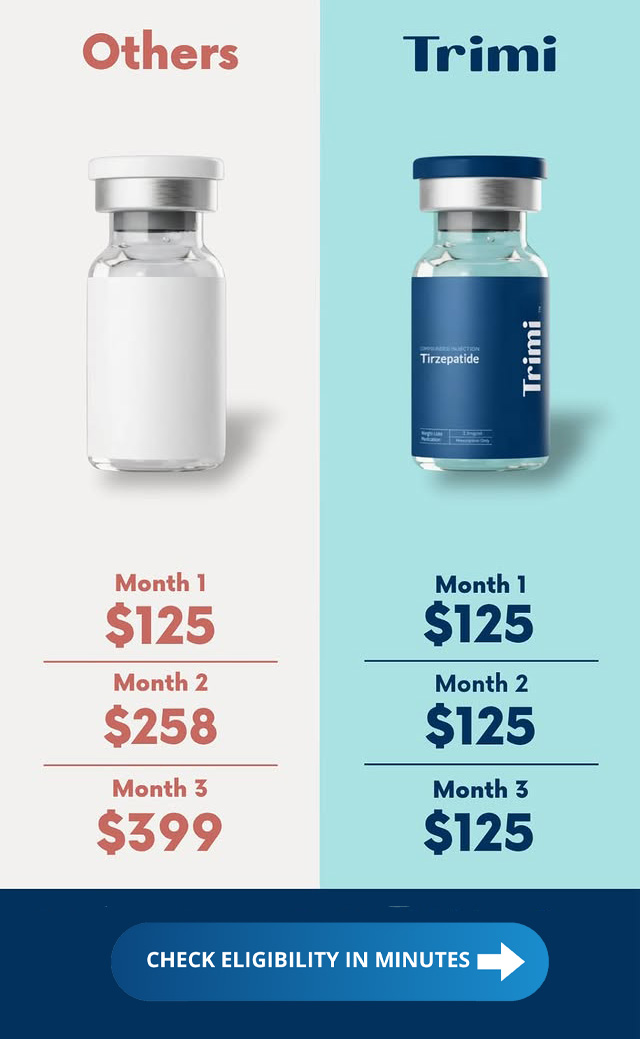
Cost of GLP-1 Weight Loss Treatment Without Diabetes
The cost of GLP-1 treatment varies depending on:
- Medication type
- Insurance coverage
- Provider fees
- Pharmacy pricing
- Treatment plan
Some insurance plans may not cover weight loss medications, while others may provide coverage under specific conditions.
Many people explore telehealth providers and medical weight management clinics that offer consultation, prescription support, and ongoing guidance.
Conclusion
GLP-1 weight loss for non-diabetic individuals has become an important advancement in modern weight management.
While these medications were initially developed for diabetes care, their ability to regulate appetite, improve fullness, and support healthier eating behaviors has made them a valuable option for eligible people without diabetes.
I highly recommend considering GLP-1 weight-loss treatment only under the guidance of a qualified healthcare provider who can evaluate your health needs and develop a personalized approach.
When combined with balanced nutrition, regular physical activity, and sustainable lifestyle habits, GLP-1 medications may provide meaningful support for individuals who have struggled with traditional weight-loss methods.
For people looking for a medically supported approach to managing weight, understanding how GLP-1 medications work, their benefits, risks, and expectations is the first step toward making an informed decision.
.