Are Glp 1 Patches Safe? – Complete Safety Guide 2026
Are GLP-1 Patches Safe? – (🔥Safety & Effectiveness Guide!). Learn whether GLP-1 patches work, their potential risks and safety concerns, and better weight-loss options.
GLP-1 medications have become one of the most discussed topics in modern weight management and metabolic health.
Medications that target the glucagon-like peptide-1 (GLP-1) pathway have gained attention because of their ability to support appetite regulation, blood sugar control, and weight management when prescribed appropriately.
As interest in GLP-1 treatments continues to grow, new products claiming to provide similar benefits have appeared online.
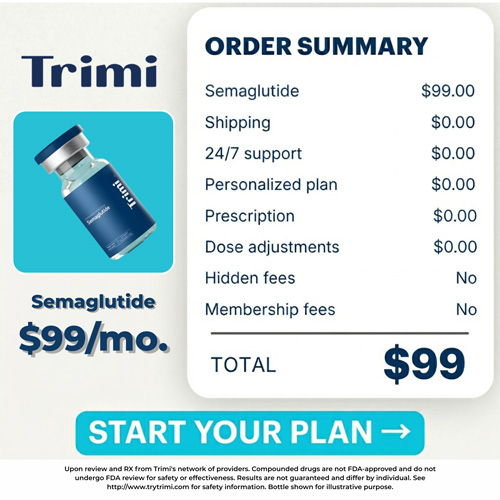
Among these products are GLP-1 patches, which are marketed as a convenient, non-invasive alternative to traditional GLP-1 injections.
These patches are often promoted as an easy way to support weight loss without needles, prescriptions, or medical appointments.
What Are GLP-1 Patches?
GLP-1 patches are adhesive patches placed on the skin, usually on the arm, abdomen, or shoulder.
Companies selling these products often claim that the patch can deliver GLP-1-related ingredients through the skin and provide benefits similar to injectable GLP-1 medications.
The idea behind these products is transdermal delivery, a method in which substances are absorbed through the skin into the bloodstream. This approach is already used for certain medications, such as nicotine patches and hormone replacement patches.
However, delivering larger biological molecules like GLP-1 medications through the skin is much more complex.
FDA-approved GLP-1 medications, including certain injectable treatments, use carefully developed formulations designed to ensure the active ingredient is delivered to the body at an effective dose.
The skin acts as a protective barrier, making it difficult for many large molecules to pass through effectively.
Because of this challenge, many products marketed as GLP-1 patches may not contain actual GLP-1 medications.
Instead, some may contain vitamins, herbal extracts, plant-based ingredients, or other compounds that are promoted as supporting weight management.
How Do GLP-1 Medications Work?
To understand whether GLP-1 patches are safe, it is important to understand how real GLP-1 medications work.
GLP-1 is a naturally occurring hormone produced in the body. It plays several important roles related to digestion, appetite, and blood sugar regulation.
When activated, GLP-1 receptors can help:
- Slow down stomach emptying
- Increase feelings of fullness after eating
- Support healthy blood sugar regulation
- Reduce appetite signals
- Improve insulin response after meals
Prescription GLP-1 medications are designed to mimic or enhance these natural effects. They are typically prescribed for specific medical conditions and used under the supervision of a healthcare professional.
Because these medications influence important body systems, they require careful dosing and monitoring.
A true GLP-1 medication is not simply absorbed through the skin like a basic skincare ingredient. It requires advanced formulation and delivery technology to achieve consistent effects.
Are GLP-1 Patches Safe?
One of the most important factors when considering the safety of GLP-1 patches is whether they are FDA-approved.
Currently, FDA-approved GLP-1 medications are available in specific prescription forms, mainly injections and certain oral medications depending on the active ingredient.
These approved treatments have undergone clinical trials evaluating their safety, effectiveness, dosing, and potential side effects.
Most products marketed online as “GLP-1 patches” are not FDA-approved medications.
This means:
- They may not have undergone large clinical studies.
- Their ingredients and dosages may vary.
- Their effectiveness may not be scientifically proven.
- Their manufacturing standards may differ between companies.
A product being labeled as a “GLP-1 patch” does not automatically mean it contains an FDA-approved GLP-1 medication or provides the same effects as prescription treatments.
Consumers should carefully review product information and avoid assuming that a patch offers the same benefits as medically approved GLP-1 therapy.
Why Are People Interested in GLP-1 Patches?
The popularity of GLP-1 patches stems from the desire for a simpler, more convenient approach to weight management.
Many people are attracted to patches because they appear to offer:
Needle-Free Convenience – Some individuals are uncomfortable with injections and prefer a patch-based option that feels easier to use.
Simple Daily Routine – A patch may appear more convenient than scheduling injections or visiting healthcare providers.
Lower Perceived Barrier – Some online products are promoted as available without a prescription, making them seem easier to access.
Privacy – A patch may seem like a discreet option for those who do not want others to know they are seeking weight-management support.
While these reasons explain why patches are appealing, convenience alone does not determine whether a product is effective or safe.
Medical treatments require evidence showing that they work as intended and do not create unnecessary risks.
Potential Safety Concerns With GLP-1 Patches
The biggest concern surrounding GLP-1 patches is the lack of reliable evidence for many products currently available.
Safety concerns may include:
Unclear Ingredients and Dosages
Some GLP-1 patches do not clearly explain exactly what ingredients they contain or how much of each ingredient is delivered.
Without accurate dosing information, it becomes difficult to determine:
- Whether the product is effective
- Whether the amount is safe
- Whether it could interact with medications or health conditions
Prescription medications undergo strict quality control to ensure every dose contains the correct amount of active ingredient.
Lack of Clinical Research
Approved GLP-1 medications are supported by years of research involving thousands of participants.
Many commercial GLP-1 patches do not have comparable clinical studies showing:
- Meaningful weight loss outcomes
- Long-term safety
- Consistent absorption
- Proper dosing
Without robust research, claims about effectiveness should be approached with caution.
Skin Reactions
Because patches sit directly on the skin, some users may experience:
- Redness
- Irritation
- Itching
- Dryness
- Allergic reactions
People with sensitive skin or allergies to adhesives may be more likely to experience discomfort.
Delayed Medical Care
Another potential concern is that people may rely on unproven products instead of seeking appropriate medical guidance.
Weight management is influenced by many factors, including:
- Nutrition
- Physical activity
- Hormones
- Metabolic health
- Existing medical conditions
A healthcare professional can help determine the safest and most effective approach based on individual needs.
Are GLP-1 Patches Worth Trying?
When considering whether GLP-1 patches are worth trying, it is important to look beyond convenience and focus on safety, evidence, and expected results.
Many people are interested in GLP-1 patches because they appear to offer a simple alternative to injections.
However, the current concern is that many products marketed as GLP-1 patches lack the scientific support of FDA-approved GLP-1 medications.
A product may use the term “GLP-1” in its name or advertising, but that does not guarantee that it contains an active GLP-1 medication or that it works through the same biological pathway.
Before trying any GLP-1 patch, consider:
- Whether the product has been clinically tested
- Whether the ingredients are clearly listed
- Whether the company provides reliable safety information
- Whether claims are supported by scientific evidence
- Whether a healthcare provider has reviewed your situation
For people looking for medically proven GLP-1 treatment, prescription options under professional guidance may provide more predictable results.
GLP-1 medications are not suitable for everyone, and a healthcare provider can help determine whether they are appropriate based on individual health needs.
Questions to Ask Before Using GLP-1 Patches
Before purchasing a GLP-1 patch, ask the right questions to make a safer decision.
Does the Patch Contain Actual GLP-1 Medication?
One of the first questions to ask is whether the product contains a real GLP-1 medication or simply uses GLP-1-related marketing language.
A genuine medication should clearly identify:
- The active ingredient
- The dosage amount
- How the ingredient works
- Supporting clinical evidence
If this information is unavailable, it may be difficult to evaluate the product’s safety.
Has the Product Been Tested in Clinical Studies?
Clinical research helps determine whether a treatment is safe and effective.
Look for evidence related to:
- Human studies
- Long-term safety
- Effectiveness results
- Side effect monitoring
Products that rely only on testimonials or before-and-after photos may not provide enough evidence to support their claims.
Is the Manufacturer Transparent?
A trustworthy manufacturer should provide clear details about:
- Product ingredients
- Manufacturing standards
- Safety warnings
- Customer support information
Be cautious with products that make major health claims but provide limited information.
Does It Require Medical Guidance?
Weight management involves more than choosing a product.
A healthcare provider can evaluate:
- Your health history
- Current medications
- Weight goals
- Potential risks
Medical guidance is especially important for people with chronic conditions or those considering prescription treatments.

Common Myths About GLP-1 Patches
Myth 1: GLP-1 Patches Work Exactly Like Injections
A common misunderstanding is that a patch provides the same effects as an injectable GLP-1 medication.
However, delivery methods can significantly affect how medications work in the body. Injectable GLP-1 treatments are specifically designed to provide controlled absorption and consistent dosing.
A patch may not deliver the same amount of active medication or produce the same results.
Myth 2: Natural or Non-Prescription Means Completely Safe
Many people assume that products sold without prescriptions are automatically safe.
However, natural ingredients can still cause:
- Allergic reactions
- Medication interactions
- Unwanted effects
Safety depends on testing, dosage, quality, and individual health factors.
Myth 3: A Patch Can Replace Healthy Lifestyle Habits
No weight management product should be viewed as a replacement for healthy habits.
Long-term success usually involves:
- Nutritious eating patterns
- Physical activity
- Adequate sleep
- Consistent lifestyle choices
Medical treatments may support weight goals, but they work best as part of a complete health approach.
The Importance of Evidence-Based Weight Management
Weight management is a complex process influenced by multiple factors, including genetics, metabolism, hormones, lifestyle, and overall health.
Evidence-based approaches focus on treatments that have been properly studied and evaluated.
A safe weight management plan may include:
Personalized Nutrition
Eating patterns should support:
- Adequate protein intake
- Balanced meals
- Healthy portions
- Long-term sustainability
Extreme diets or unverified products may not provide lasting benefits.
Regular Movement
Physical activity supports:
- Muscle maintenance
- Cardiovascular health
- Energy levels
- Overall wellness
Combining strength exercises with daily movement can support healthier body composition.
Medical Support When Needed
Some individuals may benefit from professional guidance, especially when managing:
- Obesity
- Diabetes risk
- Metabolic concerns
- Weight-related health conditions
Healthcare providers can recommend treatments based on medical needs rather than general marketing claims.
Final Thoughts
The answer depends on the specific product, ingredients, and quality standards. However, many commercially available GLP-1 patches currently lack the extensive clinical research and regulatory approval that support prescription GLP-1 medications.
While patches may seem appealing because they are convenient and needle-free, consumers should be cautious about products making GLP-1-related claims without strong scientific evidence.
Before using any GLP-1 patch, consider checking the product’s ingredients, researching the manufacturer, and discussing your options with a qualified healthcare professional.
For individuals interested in GLP-1-based treatments, approved medications, combined with healthy nutrition, regular physical activity, and medical supervision, may offer a safer and more reliable approach.
Making informed decisions based on evidence, not just marketing claims, is the best way to support long-term health and wellness.
.
.
.