GLP-1 Eating Plan: Best Foods, 7-Day Meal Plan & Diet Tips
GLP-1 Eating Plan: Complete Food Guide, Meal Plan, and Weight Loss Tips
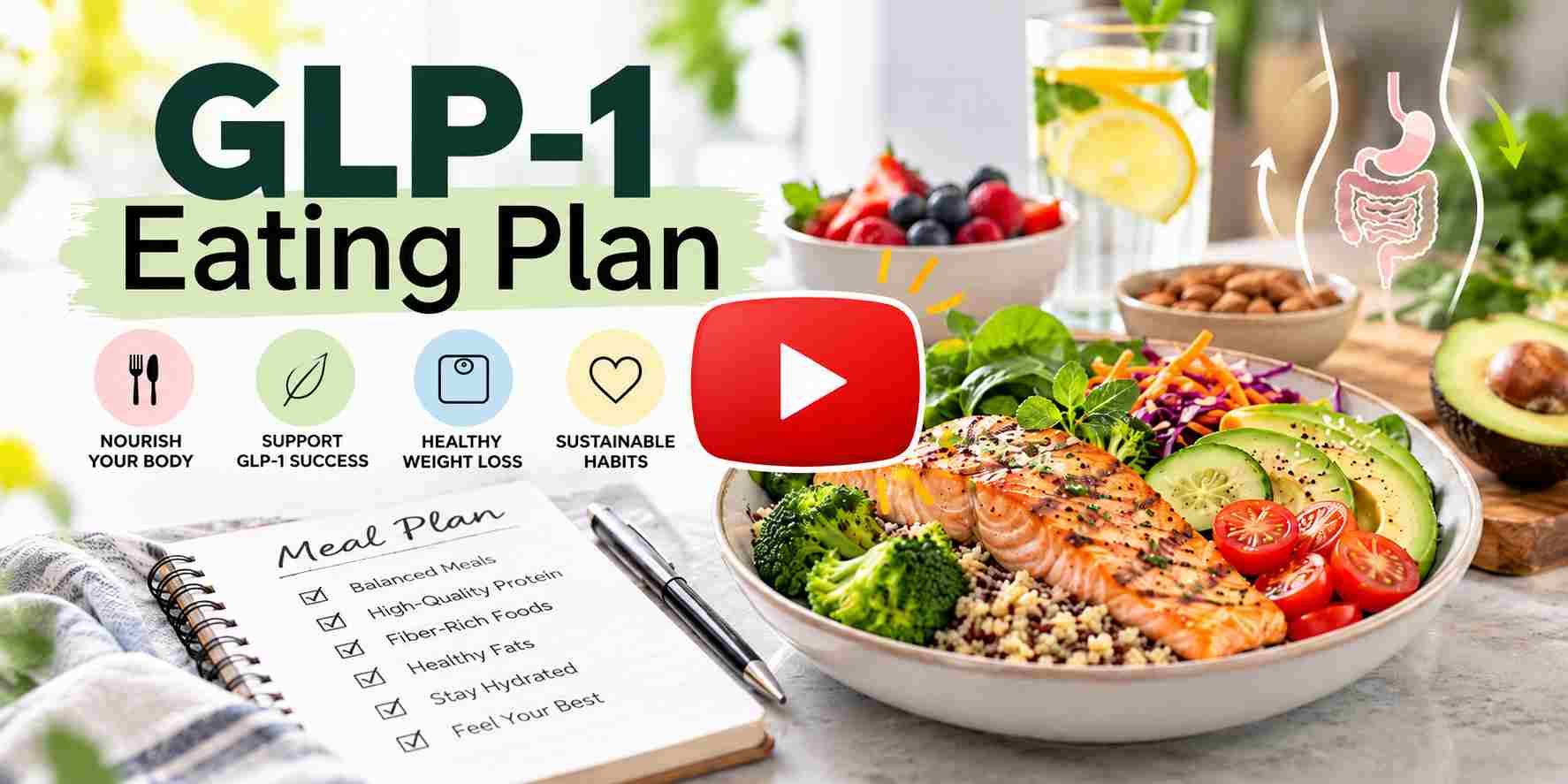

A well-balanced GLP-1 eating plan can make a meaningful difference in how comfortably and successfully you manage your weight while taking GLP-1 medications.
Although these medications help regulate appetite, increase feelings of fullness, and support blood sugar control, the foods you choose remain essential for maintaining energy, protecting muscle mass, and supporting long-term health.
Many people taking GLP-1 medications such as semaglutide or tirzepatide notice that their eating habits change significantly. Portions shrink, hunger decreases, and certain foods can cause uncomfortable digestive symptoms.
These changes make it important to develop an eating routine that provides adequate nutrition without overwhelming your digestive system.
The best GLP-1 eating plan emphasizes lean proteins, fiber-rich vegetables, whole grains, healthy fats, adequate hydration, and appropriately sized meals.
This comprehensive guide explains what to eat on GLP-1 medications, which foods to limit, how to organize your meals, and how to create a practical seven-day GLP-1 meal plan.
What Is a GLP-1 Eating Plan?
A GLP-1 eating plan is a structured nutrition approach for people taking glucagon-like peptide-1 receptor agonists or related medications for weight management or type 2 diabetes.
These medications affect appetite regulation, glucose metabolism, and digestion. As a result, people may naturally consume smaller amounts of food throughout the day.
A thoughtfully designed GLP-1 diet focuses on nutritional quality, meal balance, and adequate intake of essential nutrients rather than simply reducing calories.
The primary purpose is to help individuals meet their nutritional needs while supporting the appetite-related effects of their medication.
A practical eating plan generally includes protein-rich foods, colorful vegetables, whole grains, fruits, healthy fats, and sufficient fluids.
Unlike a rigid diet with universal restrictions, a GLP-1 eating plan can be adjusted to fit different lifestyles and nutritional requirements.
How Does a GLP-1 Eating Plan Work?
GLP-1 medications mimic the actions of naturally occurring hormones involved in appetite regulation and blood sugar management.
They help increase feelings of fullness, influence hunger signaling in the brain, and slow gastric emptying to varying degrees.
These effects can make it easier to consume smaller portions and reduce overall food intake.
However, medication-related appetite suppression can also make it challenging to consume sufficient protein, fiber, vitamins, minerals, and fluids.
A balanced eating plan helps address these concerns by prioritizing nutrient-dense foods.
Protein contributes to muscle maintenance and tissue repair. Fiber supports bowel regularity and digestive health. Healthy fats provide essential fatty acids, while carbohydrates from whole foods supply energy and important nutrients.
Best Foods to Eat on a GLP-1 Eating Plan
Selecting the right foods can help you obtain essential nutrients from smaller meals. Nutrient density matters most when your appetite decreases.
The following food groups form the foundation of a balanced GLP-1 eating plan.
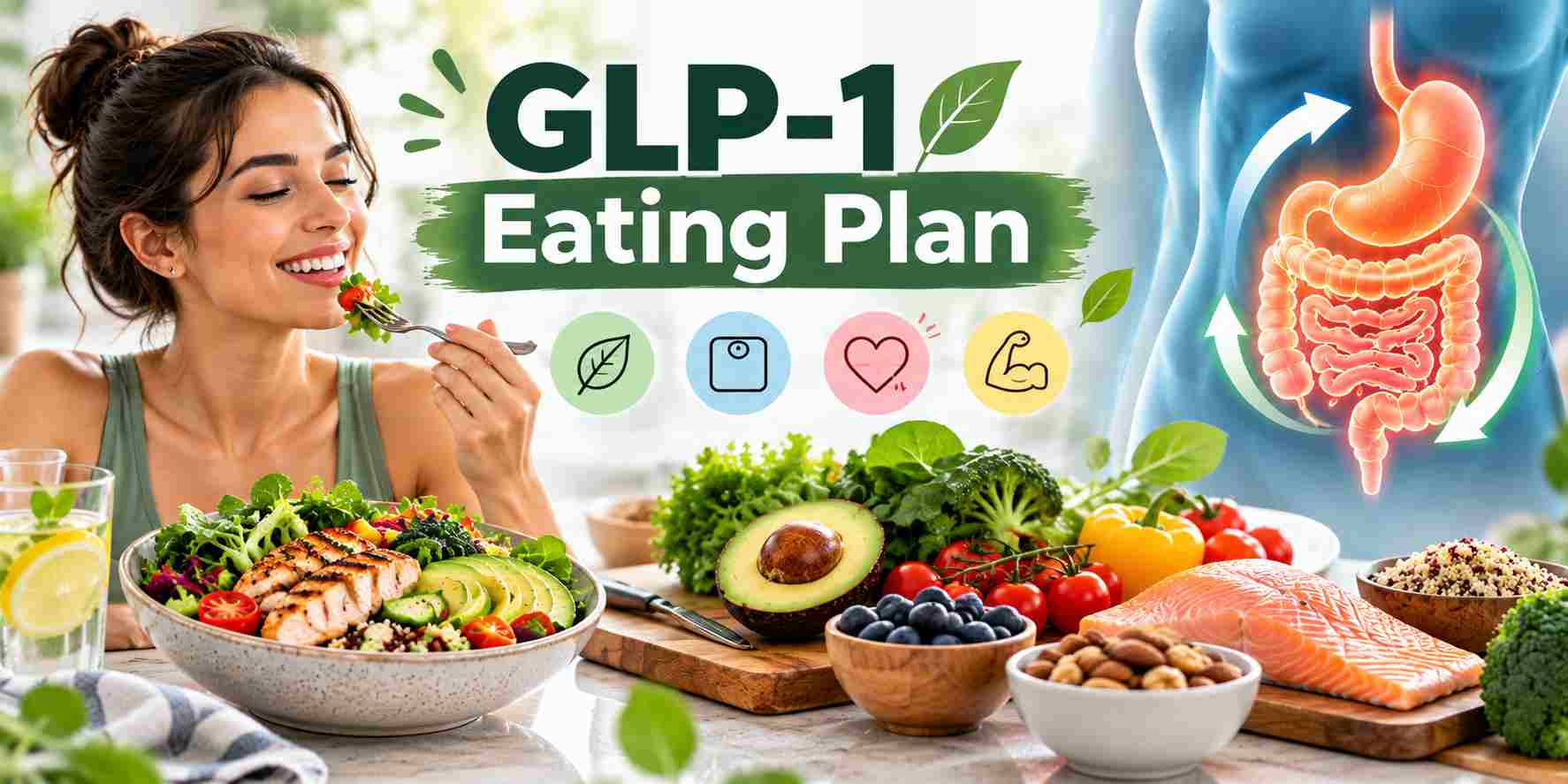
1. Lean Protein Foods for Muscle Maintenance
- Protein is one of the most important nutrients to prioritize during GLP-1-assisted weight loss.
- When body weight decreases, some lean muscle mass may also be lost. Adequate protein intake, combined with resistance exercise, helps preserve muscle.
Good protein sources include:
- Skinless chicken breast and turkey
- Fish such as salmon, cod, and tuna
- Eggs and egg whites
- Plain Greek yogurt
- Cottage cheese
- Tofu and tempeh
- Beans, lentils, and chickpeas
- Lean cuts of beef
- Unsweetened soy products
If For struggle to finish large meals, eating protein-rich foods earlier in the meal can help. A breakfast containing Greek yogurt or eggs, for example, provides protein without requiring a large portion.
2. Fiber-Rich Vegetables for Digestive Health
Vegetables provide vitamins, minerals, antioxidants, and dietary fiber while generally contributing relatively few calories. Fiber supports digestive health and may help you feel full.
Recommended vegetables include spinach, broccoli, carrots, zucchini, cucumbers, bell peppers, asparagus, cauliflower, and green beans.
However, some people taking GLP-1 medications experience bloating or constipation. Large servings of raw vegetables or sudden increases in fiber can worsen these symptoms.
If you experience digestive discomfort, start with smaller portions of cooked vegetables and increase fiber gradually as tolerated.
Steamed carrots, roasted zucchini, and cooked spinach may be easier to tolerate than large raw salads during periods of nausea.
3. Whole Grains for Sustained Energy
Carbohydrates remain an important part of a balanced diet, even when following a GLP-1 eating plan. Whole grains supply carbohydrates, fiber, B vitamins, and minerals.
Useful options include oatmeal, quinoa, brown rice, whole-wheat bread, barley, bulgur, and whole-grain pasta.
Choosing minimally processed carbohydrate sources can help provide steady energy and support overall dietary quality. Portion sizes should reflect individual energy needs and blood sugar goals.
People taking GLP-1 medications for diabetes should also consider how carbohydrate intake interacts with their broader treatment plan.
4. Healthy Fats for Overall Wellness
Dietary fat helps the body absorb fat-soluble vitamins and provides essential fatty acids.
Healthy fat sources include avocados, olive oil, walnuts, almonds, chia seeds, flaxseeds, and fatty fish.
Although these foods are nutritious, very large or high-fat meals may worsen nausea or feelings of excessive fullness in some people taking GLP-1 medications.
5. Fruits for Vitamins and Antioxidants
Whole fruits provide vitamins, minerals, fiber, water, and beneficial plant compounds. Suitable choices include berries, apples, oranges, bananas, pears, kiwi, peaches, and melon.
Fruit can be a useful light snack when appetite is limited. Bananas, applesauce, or peeled fruit may be easier to tolerate during mild digestive discomfort, although individual responses vary.
6. Dairy and Fortified Alternatives for Bone Health
Milk, yogurt, cheese, and fortified dairy alternatives can provide calcium, protein, vitamin D, and other nutrients.
Low-fat Greek yogurt, cottage cheese, milk, and fortified soy milk are convenient options. For individuals who avoid dairy, fortified plant-based alternatives can help meet nutritional needs.
Check labels because protein and calcium content vary considerably between products.
GLP-1 Eating Plan Food Chart
The following table provides a practical overview of foods to prioritize and foods to consume more selectively.
| Food Category | Recommended Choices | Foods to Limit if Poorly Tolerated |
| Protein | Chicken, fish, eggs, tofu, Greek yogurt | Fried meats, heavily processed meats |
| Vegetables | Spinach, carrots, zucchini, broccoli | Large portions of raw vegetables when bloated |
| Fruits | Berries, apples, bananas, oranges | Large servings of juice or sugary fruit drinks |
| Grains | Oats, quinoa, brown rice | Refined pastries and sugary cereals |
| Healthy fats | Olive oil, avocado, nuts | Very greasy or deep-fried foods |
| Dairy | Plain yogurt, cottage cheese, fortified alternatives | High-fat dairy if it worsens nausea |
| Beverages | Water, unsweetened tea, broth | Sugary drinks and excessive alcohol |
These are general recommendations, not universal food restrictions. Personal tolerance, nutritional requirements, and medical conditions should guide food choices.
Foods to Avoid or Limit on a GLP-1 Eating Plan
No single food needs to be permanently eliminated from every GLP-1 diet. However, certain foods may aggravate digestive symptoms, make blood sugar management harder, or add substantial calories without enough nutrients.
Understanding these foods can help you make more comfortable and nutritious choices.
Fried and Greasy Foods
- Deep-fried chicken, French fries, fried pastries, and heavily greasy meals may worsen nausea, indigestion, and abdominal discomfort.
- Because GLP-1 medications can slow gastric emptying, large fatty meals may feel particularly uncomfortable.
- Try choosing baked, steamed, roasted, or grilled foods instead.
Highly Processed Sugary Foods
- Candy, sugary cereals, sweetened desserts, and heavily processed snack foods often contain substantial added sugar with relatively little protein or fiber.
- Regularly replacing nutritious meals with these foods can make it difficult to meet essential nutritional requirements.
- Occasional desserts can still fit into a balanced diet, but be mindful of portions.
Carbonated and Sugary Beverages
- Soda, sweetened energy drinks, and other sugary beverages may add unnecessary calories.
- Carbonated beverages can also increase bloating or burping in susceptible individuals.
- Water, unsweetened tea, and other low-sugar beverages are generally more practical choices.
Large, Heavy Meals
- Eating large portions can cause excessive fullness, nausea, and stomach discomfort.
- Instead of eating one or two very large meals, consider splitting your daily intake into smaller meals when needed.
Excessive Alcohol
- Alcohol provides calories without meaningful nutritional benefits and can aggravate nausea or dehydration.
- It may also increase the risk of low blood sugar in certain people with diabetes, particularly those using insulin or sulfonylureas.
- Discuss alcohol consumption with your healthcare professional, especially if you have liver disease, pancreatitis risk factors, or other relevant medical conditions.
7-Day GLP-1 Eating Plan for Weight Loss
A structured weekly meal plan can make healthy eating easier, particularly when your appetite and food preferences change during treatment.
The following seven-day GLP-1 eating plan emphasizes protein, whole foods, moderate portions, and nutritional variety.
This is an illustrative menu, not a calorie-controlled prescription. Portions and snacks should be adjusted to meet individual energy, protein, and medical needs.
Monday’s meals
Breakfast: Greek yogurt with blueberries and oatmeal
Lunch: Grilled chicken, quinoa, and steamed broccoli
Dinner: Baked salmon, sweet potato, and green beans
Optional snack: Apple slices with almond butter
How to Use This Weekly Meal Plan
Start by choosing meals that you enjoy and can prepare consistently.
There is no requirement to eat every suggested snack. However, if you are struggling to consume enough nutrition, an additional small meal or snack may be helpful.
The sample meals are not guaranteed to provide sufficient daily calories or protein in every serving size.
A registered dietitian can help adapt the plan to your needs, especially if you have diabetes, chronic kidney disease, food allergies, or a history of nutritional deficiencies.
Meal planning should remain flexible. If nausea makes a particular meal hard to tolerate, substitute a gentler option with similar nutrients.
How Much Should You Eat on GLP-1 Medications?
One of the most common questions about GLP-1 medications is how much food to consume each day.
Because these medications reduce appetite, some individuals may unintentionally eat much less than their bodies require.
While reducing excessive calorie intake supports weight loss, eating too little for extended periods can increase the risk of fatigue, nutritional deficiencies, dehydration, and muscle loss.
Daily energy requirements depend on age, body size, activity level, health conditions, and weight management goals.
Understanding Portion Sizes
The plate method offers a simple starting point for building balanced meals.
The balanced plate method
A flexible visual guide to meal composition, not a requirement to finish a full plate. A balanced plate generally includes vegetables or fruit, a protein source, and a whole-grain or other fiber-containing carbohydrate.
A modest serving of healthy fat can complete the meal. If For have a reduced appetite, a smaller plate may be more comfortable. The key is maintaining adequate nutrition throughout the day rather than forcing yourself to finish a large meal.
Should You Count Calories?
- Calorie tracking can be useful for some individuals, but it is not necessary for everyone.
- Some people benefit from recording meals to identify patterns in protein intake, fiber consumption, and hydration.
- Others find detailed calorie counting stressful or difficult to maintain.
- A healthcare professional can help determine whether tracking would be appropriate.
- Focus on nutritional quality, consistent eating habits, and adequate intake rather than pursuing the lowest possible calorie number.
How Much Protein Do You Need on a GLP-1 Eating Plan?
Protein deserves special attention during medication-assisted weight loss because it supports muscle tissue, recovery, and overall physical function.
Research-based clinical guidance often emphasizes adequate protein intake during weight loss.
Some experts recommend about 1.2 to 1.6 grams of protein per kilogram of body weight daily for selected adults undergoing weight loss.
However, the appropriate amount varies. Clinicians may calculate requirements using an adjusted or reference body weight rather than actual weight in some circumstances.
People with kidney disease or other conditions may need different recommendations.
For example, a protein target of 90 grams per day could be distributed across meals as follows:
| Meal | Example Protein Amount |
| Breakfast | 25 g |
| Lunch | 30 g |
| Dinner | 25 g |
| Snack | 10 g |
| Daily total | 90 g |
A person with a very small appetite may find it easier to spread protein across several meals.
Protein-rich smoothies, Greek yogurt, eggs, fish, and tofu can be useful when large meals are difficult.
Resistance training is equally important. Eating more protein without muscle-strengthening activity may not adequately protect muscle during substantial weight loss.
How to Manage GLP-1 Side Effects Through Diet
Digestive side effects are common with GLP-1 medications, particularly when treatment begins or doses increase.
Common symptoms include nausea, vomiting, constipation, diarrhea, reflux, and abdominal bloating.
Dietary adjustments may help reduce mild symptoms, although persistent or severe symptoms require medical evaluation.
Managing Nausea
Nausea can make normal meals seem unappealing.
- Try eating smaller portions at regular intervals rather than waiting until you become extremely hungry.
- Simple foods such as toast, oatmeal, rice, bananas, and mild soups may be easier to tolerate temporarily.
- Avoid lying down immediately after meals, and limit greasy or heavily seasoned foods if they trigger symptoms.
- If nausea repeatedly prevents adequate eating or drinking, contact your prescriber. Medication adjustments or other treatment may be necessary.
Managing Constipation
- Constipation may develop because of changes in gastrointestinal motility, reduced food intake, and inadequate hydration.
- Gradually increasing fiber from oats, fruits, vegetables, and legumes can support bowel regularity.
- Water intake and regular movement are also helpful.
- However, rapidly increasing fiber when experiencing significant bloating or delayed gastric emptying may worsen discomfort.
- Persistent constipation, severe abdominal pain, or inability to pass gas should be medically assessed.
Managing Diarrhea
- If diarrhea occurs, prioritize fluid replacement and choose foods that are easy to digest.
- Rice, bananas, toast, potatoes, and broth-based soups may help temporarily.
- Avoid large fatty meals and foods that clearly worsen symptoms.
- Frequent diarrhea can cause dehydration and electrolyte disturbances, particularly when accompanied by vomiting.
Managing Acid Reflux
- Some individuals experience heartburn or reflux during GLP-1 treatment.
- Smaller meals, avoiding late-night eating, and remaining upright after meals may help.
- Limit foods that personally trigger symptoms, which may include spicy dishes, acidic foods, chocolate, or high-fat meals.
- Reflux that becomes persistent or severe should be discussed with a healthcare professional.
Best Breakfast Ideas for a GLP-1 Eating Plan
Breakfast is a great opportunity to get valuable nutrients early in the day. A protein-containing breakfast may be especially useful if your appetite decreases later.
Greek Yogurt Breakfast Bowl
- Combine plain Greek yogurt with blueberries, oats, and a small amount of chia seeds.
- This meal provides protein, fiber, and important micronutrients.
- Adjust the serving size according to your appetite and digestive tolerance.
Scrambled Eggs With Whole-Grain Toast
- Eggs provide high-quality protein, while whole-grain toast supplies carbohydrates and fiber.
- Add cooked spinach or another vegetable if tolerated.
Protein-Rich Oatmeal
- Prepare oatmeal using milk or fortified soy milk and add plain yogurt or another suitable protein source.
- Top with sliced banana or berries.
Cottage Cheese and Fruit
- Cottage cheese provides protein in a relatively small serving.
- Pair it with peaches, berries, or another preferred fruit for a simple breakfast.
Smoothie With Yogurt and Fruit
- Blend plain Greek yogurt, milk or fortified soy milk, berries, and a small amount of oats.
- Smoothies may be useful when chewing or finishing solid meals feels difficult.
- Avoid making smoothies excessively large or high in fat if they worsen fullness or nausea.
Healthy GLP-1 Lunch and Dinner Ideas
Lunch and dinner should combine nutritional quality with manageable portions.
Simple meals are often easier to prepare and maintain consistently than complicated recipes.
Grilled Chicken and Quinoa Bowl
Combine grilled chicken, cooked quinoa, and steamed vegetables.
Add a small amount of olive oil or a light dressing.
This meal offers protein, carbohydrates, and fiber.
Baked Salmon With Vegetables
Salmon provides protein and omega-3 fatty acids.
Pair it with roasted zucchini, carrots, or asparagus and a small serving of potatoes or rice.
Turkey and Vegetable Soup
A broth-based soup with turkey, carrots, spinach, and potatoes provides nutrients in a lighter meal.
Soups may be especially appealing when appetite is reduced.
Tofu and Brown Rice
Combine baked tofu with cooked vegetables and brown rice.
This practical plant-based option provides protein and carbohydrates.
Lentil and Vegetable Stew
Lentils provide plant protein, fiber, and minerals.
Start with modest portions if legumes increase gas or bloating.
Chicken and Sweet Potato
Roasted chicken with baked sweet potato and green beans provides a straightforward balance of protein, carbohydrates, and vegetables.
Preparing these foods in advance can simplify daily meal planning.
Healthy Snacks for People Taking GLP-1 Medications
Snacks aren’t mandatory, but they can help people meet nutritional needs when full meals are difficult.
A small, nutrient-rich snack may be preferable to skipping food for extended periods.
Useful options include:
- Plain Greek yogurt with berries
- Cottage cheese with sliced fruit
- A boiled egg with whole-grain crackers
- Apple slices with peanut butter
- Hummus with soft or cooked vegetables
- A small serving of nuts
- A banana with yogurt
- A protein smoothie
- Whole-grain toast with avocado
- Fortified soy yogurt with fruit
Choose snacks based on hunger, dietary requirements, and individual tolerance.
If you consistently struggle to meet your nutritional needs, a dietitian may recommend a more structured meal and snack schedule.
How Much Water Should You Drink on a GLP-1 Eating Plan?
Hydration is essential for normal digestion, circulation, temperature regulation, and kidney function.
People taking GLP-1 medications may become dehydrated if they experience vomiting, diarrhea, or significantly reduced fluid intake.
Water needs vary with body size, activity level, climate, medications, and medical conditions.
General adult adequate-intake estimates are approximately 2.7 liters of total water per day for women and 3.7 liters for men, including water obtained from foods and all beverages.
Many people can stay hydrated by drinking water regularly throughout the day and adjusting intake based on thirst, activity, and medical advice.
GLP-1 Eating Plan for Vegetarians and Vegans
You can adapt a GLP-1 eating plan to vegetarian or vegan dietary preferences. However, individuals following plant-based diets should pay attention to protein quality, vitamin B12, iron, calcium, and other nutrients.
Vegetarian protein sources include eggs, Greek yogurt, cottage cheese, lentils, tofu, tempeh, and beans. Vegan options include tofu, tempeh, edamame, lentils, chickpeas, fortified soy products, and suitable plant-based protein foods.
A simple vegan meal might include baked tofu, quinoa, cooked spinach, and a small serving of avocado. Another option is lentil soup with whole-grain toast and fortified soy yogurt.
Because some plant-based foods are high in fiber, introducing them gradually may improve digestive comfort. Vegans generally require a reliable source of vitamin B12 through fortified foods or supplementation.
GLP-1 Eating Plan for People With Type 2 Diabetes
People taking GLP-1 medications for type 2 diabetes may benefit from an eating plan that supports both weight management and blood glucose control.
Carbohydrate quality and portion size are important considerations. Choose fiber-rich carbohydrates such as whole grains, beans, vegetables, and whole fruits more often than sugary beverages and highly refined snacks.
Pair carbohydrates with protein and healthy fats to create balanced meals. However, carbohydrate needs vary considerably between individuals. People using insulin or sulfonylureas may face an increased risk of hypoglycemia when their food intake decreases.
Symptoms of low blood sugar can include sweating, shaking, dizziness, confusion, and a rapid heartbeat. Anyone using medications that can cause hypoglycemia should have an individualized blood glucose monitoring and treatment plan.
Common Mistakes to Avoid With a GLP-1 Eating Plan
Even a carefully designed eating plan can become less effective when important nutritional habits are overlooked.
Skipping Too Many Meals
- Reduced hunger may make skipping meals seem convenient.
- However, repeatedly missing meals can lead to inadequate intake of protein, energy, and micronutrients.
- A smaller, nutritious meal may help more than prolonged restriction.
Eating Too Little Protein
- Insufficient protein during weight loss can make it harder to maintain muscle mass.
- Include suitable protein sources throughout the day and discuss your requirements with a qualified professional.
Ignoring Hydration
- Some individuals become less interested in drinking fluids when their appetite decreases.
- Consistent hydration is important, especially when digestive side effects occur.
Eliminating Entire Food Groups
- Cutting out carbohydrates, fruits, or other major food groups without a medical reason may reduce dietary variety.
- A balanced eating pattern is generally more sustainable than unnecessary restrictions.
Increasing Fiber Too Quickly
- Fiber supports digestive health, but sudden increases may cause bloating and gas.
- Gradual changes are usually easier to tolerate.
How to Make Your GLP-1 Eating Plan More Effective
Long-term consistency is more valuable than following an overly strict routine for a short period. Begin with small, manageable dietary changes.
Prepare a few protein-rich meals in advance, keep convenient, nutritious foods on hand, and identify meals that digest easily.
Use simple cooking methods such as baking, grilling, steaming, or roasting. Pay attention to fullness cues and avoid forcing large portions when you already feel comfortably satisfied.
Regular strength training can help protect muscle mass during weight reduction. Walking and other enjoyable activities can also support cardiovascular health and physical function.
Pay attention to sleep quality and stress management because they influence eating behavior, energy, and overall well-being.
Final Thoughts
A successful GLP-1 eating plan is about more than reducing calories or eating smaller portions. It involves creating a balanced nutritional routine that supports weight management, digestive comfort, muscle maintenance, and long-term health.
GLP-1 medications can make hunger easier to manage, but they don’t replace the nutrients your body needs.
Choosing lean protein sources, fiber-rich vegetables, whole grains, fruits, and healthy fats helps provide essential nutrition during periods of reduced appetite.
Smaller meals, gradual dietary adjustments, and adequate hydration may help improve comfort while supporting nutritional intake.
The seven-day meal plan provided in this guide offers a flexible starting point, but individual requirements will vary.
Combining balanced nutrition with regular physical activity, especially strength training, can further support healthy weight management.
.
