GLP-1 Foods: The Complete Food Guide for 2026
GLP-1 Foods include protein, fiber-rich vegetables, fruits, and whole grains that support fullness and weight management.
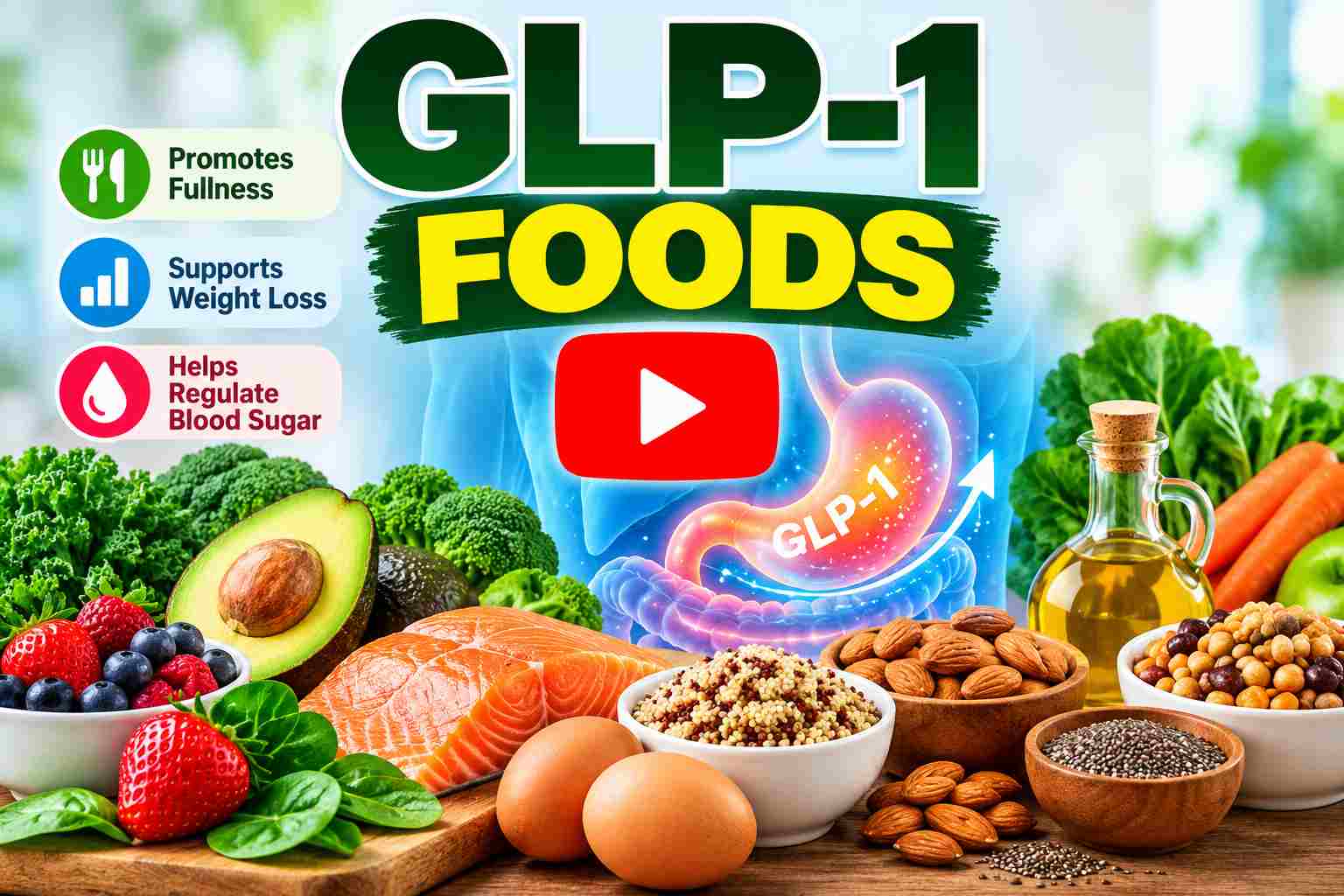

GLP-1 Foods: 10 Best Food Choices for Weight Loss and Better Health
GLP-1 foods have become an important topic for people who want to manage their weight, improve eating habits, and support healthy blood sugar levels.
With growing interest in GLP-1 medications, including semaglutide and tirzepatide, many people are searching for foods that can complement their treatment or naturally support the body’s appetite-regulating processes.
Glucagon-like peptide-1 (GLP-1) is a hormone produced in the digestive system after eating. It helps regulate appetite, supports insulin secretion when blood glucose rises, and influences how quickly food moves through the stomach.
Although GLP-1 medications have demonstrated significant benefits for eligible patients, food choices remain an essential part of maintaining balanced nutrition and long-term metabolic health.
What Are GLP-1 Foods and How Do They Work?
GLP-1 foods are foods that support healthy appetite regulation, blood sugar management, and digestive function. The term does not describe a medically recognized food category.
Instead, it generally refers to nutritious foods that may stimulate natural GLP-1 secretion or complement a healthy eating plan during GLP-1 medication treatment.
GLP-1 is an incretin hormone released primarily by specialized intestinal cells in response to nutrients entering the digestive tract.
When you eat, your digestive system communicates with the pancreas, brain, and other organs to coordinate metabolism and appetite.
GLP-1 contributes to this process through several mechanisms.
Supports Natural Appetite Regulation
- GLP-1 communicates with areas of the brain involved in hunger and fullness.
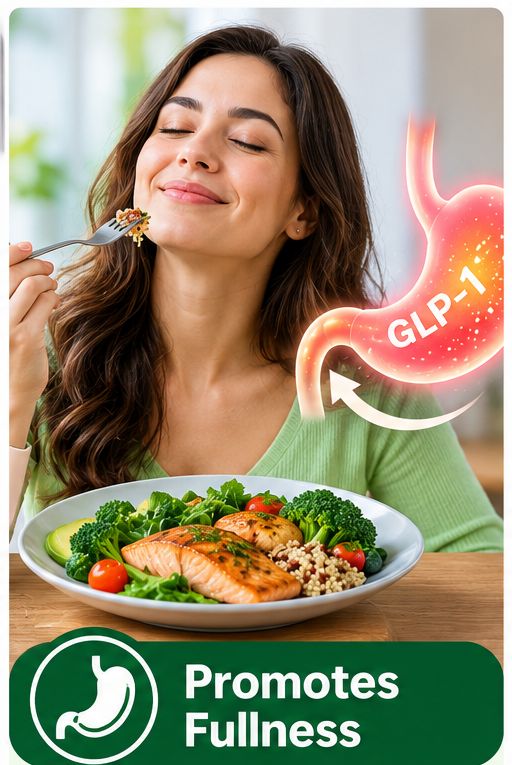
- Meals containing adequate protein and fiber can help people feel satisfied for longer periods, potentially reducing the desire for frequent snacking.
Helps Regulate Blood Sugar
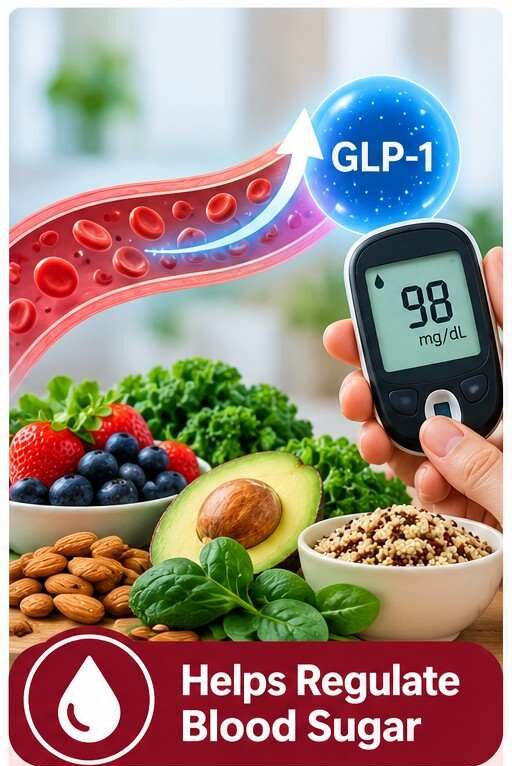
- GLP-1 stimulates insulin release when blood glucose is elevated and reduces inappropriate glucagon secretion.
- These actions help the body manage post-meal blood sugar.
Influences Digestion
- GLP-1 can slow gastric emptying, meaning food moves more gradually from the stomach into the small intestine.
- This can increase fullness but may also cause digestive discomfort, particularly with medications that activate GLP-1 receptors.
Supports Weight Management
- Foods that promote satisfaction while providing essential nutrients may help people maintain an appropriate calorie intake.
- However, no individual food reproduces the weight-loss effects demonstrated with prescription GLP-1 medications.
Best Protein-Rich GLP-1 Foods for Appetite Control
Protein is one of the most valuable nutrients for individuals following a GLP-1-friendly eating plan.
It supports muscle maintenance, tissue repair, immune function, and overall nutrition. Protein-containing meals can also stimulate hormones involved in satiety, including GLP-1.
For people taking GLP-1 medications, adequate protein becomes especially important because reduced appetite may make it difficult to consume enough essential nutrients.
Eggs
- Eggs provide high-quality protein and several important nutrients, including vitamin B12, choline, and selenium.
- A boiled egg, vegetable omelet, or scrambled eggs can be a practical breakfast option.
- Pairing eggs with vegetables and whole-grain toast creates a balanced meal that combines protein, fiber, and carbohydrates.
Chicken Breast
- Skinless chicken breast is a lean source of protein.
- It can be grilled, baked, shredded into soups, or added to salads.
- Choosing cooking methods that use modest amounts of added fat may improve comfort for people who experience nausea after heavy meals.
Fish
- Salmon, trout, sardines, and other fish provide protein and valuable nutrients.
- Fatty fish also contain omega-3 fatty acids, which contribute to cardiovascular health.
- Grilled salmon with vegetables and a small serving of brown rice makes a nutritious meal.
Greek Yogurt
- Plain Greek yogurt generally contains more protein than regular yogurt.
- It can be combined with berries, chia seeds, or oats for a convenient breakfast or snack.
- Choose unsweetened varieties when possible to limit unnecessary added sugar.
Tofu and Tempeh
- Tofu and tempeh provide plant-based protein and can be useful for vegetarian or vegan diets.
- They work well in stir-fries, grain bowls, and soups.
- Important: Include a suitable protein source in your main meals to help preserve lean body mass during weight loss.
Protein Content of Common GLP-1 Foods
| Protein Food | Typical Serving | Approximate Protein |
|---|---|---|
| Chicken breast, cooked | 100 g | 31 g |
| Salmon, cooked | 100 g | 22 g |
| Eggs | 2 large | 13 g |
| Plain Greek yogurt | 170 g | 15 to 18 g |
| Cottage cheese | 100 g | 11 g |
| Firm tofu | 100 g | 10 to 17 g |
| Lentils, cooked | 1 cup | 18 g |
3. High-Fiber Vegetables That Support GLP-1-Friendly Eating
Vegetables are essential components of a balanced diet because they provide vitamins, minerals, antioxidants, water, and dietary fiber. Fiber supports bowel regularity and can help you feel full.
Certain types of dietary fiber are fermented by intestinal bacteria, producing short-chain fatty acids that may influence natural GLP-1 secretion.
However, the size of this effect varies and should not be interpreted as equivalent to medication treatment.
- Broccoli: Broccoli contains fiber, vitamin C, vitamin K, and several plant compounds. Steamed broccoli may be easier to tolerate than large portions of raw broccoli for people who experience bloating.
- Spinach: Spinach provides folate, vitamin K, and other micronutrients. It can be incorporated into omelets, soups, smoothies, and salads. Cooked spinach may be especially convenient for people who prefer smaller meal portions.
- Carrots: Carrots provide fiber and beta-carotene, which the body converts into vitamin A. They are convenient as a cooked side dish or a crunchy snack.
- Zucchini: Zucchini is a versatile vegetable with high water content and modest amounts of fiber. You can roast, sauté, or add it to soups. Its soft texture after cooking may make it easier to eat when appetite is limited.
- Brussels Sprouts: Brussels sprouts contain fiber and several vitamins. They can support a varied diet, although large servings may cause gas in sensitive individuals.
A mixture of cooked and raw vegetables can help provide nutritional variety while accommodating individual digestive tolerance.
Best Vegetables for a GLP-1 Diet
| Vegetable | Key Nutrients | Suggested Preparation |
|---|---|---|
| Broccoli | Fiber, vitamins C and K | Steamed or roasted |
| Spinach | Folate, vitamin K | Cooked or added to eggs |
| Carrots | Fiber, beta-carotene | Steamed or fresh |
| Zucchini | Water, vitamin C | Roasted or sautéed |
| Brussels sprouts | Fiber, vitamin K | Roasted |
| Cauliflower | Fiber, vitamin C | Steamed or mashed |
4. Whole Grains That Help Maintain Fullness and Blood Sugar Balance
Whole grains are valuable GLP-1-friendly foods because they provide complex carbohydrates, dietary fiber, B vitamins, and important minerals.
Although some people believe carbohydrates must be completely avoided while taking GLP-1 medications, this is not generally necessary.
The type of carbohydrate, portion size, and overall meal composition matter more than eliminating an entire food group.
Whole grains typically retain the bran, germ, and endosperm of the grain, providing more fiber and micronutrients than many refined alternatives.
Oatmeal
Oats contain beta-glucan, a soluble fiber that forms a gel-like substance during digestion. This fiber can help promote fullness and support healthy cholesterol levels. A bowl of oatmeal topped with berries and plain Greek yogurt provides a combination of carbohydrates, protein, and fiber.
Quinoa
Quinoa contains fiber, magnesium, and plant protein. It is naturally gluten-free and can replace refined grains in salads, vegetable bowls, and side dishes. Quinoa pairs well with grilled chicken, chickpeas, or roasted vegetables.
Brown Rice
Brown rice provides complex carbohydrates and more fiber than white rice. It can be included in moderate portions alongside protein and vegetables. For people with diabetes, portion size remains important because brown rice still contributes carbohydrates that affect blood glucose.
Barley
Barley contains beta-glucan fiber and can be incorporated into soups, stews, and grain salads. Its chewy texture and fiber content may contribute to meal satisfaction. Barley contains gluten and is unsuitable for individuals with celiac disease.
Whole-Wheat Bread
Whole-wheat bread can be a convenient source of fiber when choosing varieties made primarily from whole grains. Pair whole-wheat toast with eggs, cottage cheese, or nut butter to add protein and other nutrients.
Important: Whole grains can support sustainable weight management by providing fiber, steady nourishment, and satisfying meal options.
For people who experience digestive discomfort, smaller portions of well-cooked grains may be easier to tolerate.
Whole-Grain Food Comparison
| Whole Grain | Main Benefit | Best Meal |
|---|---|---|
| Oatmeal | Soluble fiber and fullness | Breakfast |
| Quinoa | Fiber and plant protein | Lunch or dinner |
| Brown rice | Complex carbohydrates | Lunch or dinner |
| Barley | Beta-glucan fiber | Soups and stews |
| Whole-wheat bread | Convenient fiber source | Breakfast or lunch |
5. Best Fruits to Eat on a GLP-1 Diet
Fruits provide natural carbohydrates, water, vitamins, minerals, and beneficial plant compounds. Whole fruits also contain dietary fiber, which can promote fullness and support digestive health.
There is no need to avoid fruit simply because it contains natural sugar. For most people, whole fruit is a nutritious choice that fits into a balanced eating plan.
Apples
- Apples contain fiber, including pectin, and provide a convenient snack.
- Eating an apple with its skin increases fiber intake compared with peeling it.
- Pairing apple slices with a small amount of peanut butter can make the snack more satisfying.
Blueberries
- Blueberries contain fiber, vitamin C, and anthocyanins, which are naturally occurring antioxidant compounds.
- They can be added to oatmeal, yogurt, or smoothies.
- Their natural sweetness also makes them a useful alternative to heavily sweetened desserts.
Strawberries
- Strawberries provide vitamin C, water, and dietary fiber.
- Enjoy them fresh or with protein-rich yogurt.
- A small bowl of strawberries may be appealing when appetite is reduced.

Oranges
- Oranges provide vitamin C, potassium, and fiber.
- Whole oranges are generally preferable to orange juice because they retain more fiber and are easier to portion.
Pears
- Pears contain soluble and insoluble fiber.
- They may support bowel regularity when paired with adequate fluid intake.
- However, individuals experiencing significant bloating may need to adjust their portion size.
Kiwi
- Kiwi provides vitamin C and fiber and may support regular bowel movements.
- You can add it in breakfast bowls or eat it as a snack.
Important: Whole fruits are generally better than fruit juices because their fiber helps you feel full.
People with diabetes should consider their total carbohydrate intake and monitor blood glucose according to their treatment plan.
6. Healthy Fats That Support a Balanced GLP-1 Diet
Dietary fats are essential for normal bodily functions. They help the body absorb fat-soluble vitamins, support cell structure, and provide essential fatty acids.
However, fat is energy-dense, and large high-fat meals can worsen nausea, reflux, or indigestion in some people taking GLP-1 medications.
The goal is to choose nutritious fat sources and consume portions that are comfortable and appropriate.
Avocados
Avocados provide monounsaturated fats, fiber, potassium, and other nutrients. A modest portion can be added to salads, sandwiches, or whole-grain toast. Avocado may increase meal satisfaction, though large servings can feel heavy for some.
Almonds
Almonds contain unsaturated fats, protein, fiber, and vitamin E. A small handful makes a convenient snack. Because nuts are calorie-dense, be mindful of portions when managing overall energy intake.
Walnuts
Walnuts provide polyunsaturated fats, including plant-based omega-3 fatty acids. They can be sprinkled over oatmeal or yogurt.
Olive Oil
Extra virgin olive oil contains mostly monounsaturated fat and natural plant compounds. It can be used in salad dressings or for cooking at suitable temperatures. A small amount adds flavor without requiring heavy sauces.
Chia Seeds
Chia seeds provide fiber, plant protein, and alpha-linolenic acid, a plant-based omega-3 fatty acid. They can be soaked in yogurt, oatmeal, or other liquids. Because chia seeds absorb a lot of water, prepare them properly and introduce them gradually.
Flaxseeds
Ground flaxseeds provide fiber and healthy fats. They can be mixed into oatmeal, yogurt, or smoothies. Ground flaxseed is generally easier for the body to digest than whole flaxseed.
Important: Healthy fats are beneficial, but portion size matters because large fatty meals may increase digestive discomfort during GLP-1 treatment.
Healthy Fat Comparison
| Food | Main Nutritional Contribution | Serving Example |
|---|---|---|
| Avocado | Monounsaturated fats and fiber | ¼ medium avocado |
| Almonds | Vitamin E and healthy fats | Small handful |
| Walnuts | Plant-based omega-3 fats | Small handful |
| Olive oil | Monounsaturated fats | 1 teaspoon |
| Chia seeds | Fiber and omega-3 fats | 1 tablespoon |
| Ground flaxseed | Fiber and healthy fats | 1 tablespoon |
7. Beans, Lentils, and Legumes for Natural GLP-1 Support
Beans and legumes are among the most useful foods for creating satisfying, nutrient-rich meals.
They provide a combination of plant protein, complex carbohydrates, dietary fiber, vitamins, and minerals. Some fibers and resistant starches found in legumes are fermented by intestinal bacteria.
This fermentation produces short-chain fatty acids that participate in communication between the digestive system and metabolic hormones.
Research suggests these processes can influence GLP-1 secretion, although the magnitude and clinical importance of the response vary.
Lentils
Lentils provide protein, fiber, iron, and folate.
They can be added to soups, vegetable dishes, and salads.
A lentil soup with cooked vegetables can be a practical meal for people who prefer soft foods.
Chickpeas
Chickpeas contain fiber, protein, and several minerals.
You can roast them, add them to salads, or blend them into hummus.
Hummus served with vegetables makes a convenient snack.
Black Beans
Black beans provide protein, fiber, and complex carbohydrates.
They can be combined with brown rice, vegetables, and lean protein for a balanced meal.
Kidney Beans
Kidney beans contain fiber, plant protein, and micronutrients.
They can be incorporated into chili, soups, and grain bowls.
Cook kidney beans thoroughly because raw or undercooked beans contain harmful lectins.
Edamame
Edamame consists of immature soybeans and provides plant protein and fiber.
You can eat steamed edamame as a snack or add it to salads.
How Legumes Help With Weight Management
- Legumes can support weight management by increasing the nutritional quality and satiety of meals.
- Their combination of protein and fiber may help reduce hunger between meals.
- They are also a useful alternative to highly processed foods that offer fewer nutrients.
- However, eating large portions of legumes all at once can cause bloating and gas.
- Start with small servings and increase intake gradually as tolerated.
Important: Beans and lentils support natural digestive and metabolic processes, but they are not substitutes for prescribed GLP-1 medications.
8. Best GLP-1 Foods for Breakfast, Lunch, Dinner, and Snacks
A GLP-1-friendly eating plan should be practical enough to follow consistently. The most effective meals are not necessarily complicated or expensive.
Instead, they combine appropriate portions of protein, fiber-rich carbohydrates, vegetables, fruits, and healthy fats.
People taking GLP-1 medications may need smaller meals because their appetite and digestive tolerance can change.
Healthy GLP-1 Breakfast Ideas
Breakfast can help provide essential nutrients after an overnight fast.
Good options include:
- Scrambled eggs with spinach and whole-grain toast
- Plain Greek yogurt with blueberries and chia seeds
- Oatmeal with strawberries and ground flaxseed
- Cottage cheese with sliced peaches
- Tofu scramble with cooked vegetables
A protein-rich breakfast may help improve satisfaction during the morning.
However, breakfast timing can be adjusted according to appetite, daily routines, and medical needs.
Healthy GLP-1 Lunch Ideas
Lunch should provide nourishment without leaving you uncomfortably full.
Balanced options include:
- Grilled chicken salad with quinoa
- Lentil soup with whole-grain bread
- Tuna salad with vegetables
- Chickpea and cucumber grain bowls
- Turkey and avocado whole-wheat sandwiches
If large meals cause nausea, divide lunch into two smaller portions eaten at separate times.
Healthy GLP-1 Dinner Ideas
Dinner can include lean protein, vegetables, and a moderate serving of complex carbohydrates.
Examples include:
- Baked salmon with roasted zucchini and brown rice
- Grilled chicken with steamed broccoli and quinoa
- Tofu stir-fry with vegetables
- Turkey meatballs with whole-wheat pasta
- Lentil stew with cooked spinach
Avoid very large meals close to bedtime if you experience reflux or indigestion.
Healthy GLP-1 Snacks
Snacks are useful when they help meet nutritional needs, particularly if reduced appetite makes full meals difficult.
Examples include:
- Greek yogurt
- A boiled egg
- Apple slices with peanut butter
- Cottage cheese
- A small handful of almonds
- Hummus with carrots
- Steamed edamame
Snacking is not required if meals already provide adequate nutrition.
Sample One-Day GLP-1 Meal Plan
| Meal | Recommended Foods | Main Nutritional Benefit |
| Breakfast | Greek yogurt, oats, blueberries | Protein and fiber |
| Morning snack | Boiled egg | Protein |
| Lunch | Grilled chicken, quinoa, spinach | Protein and micronutrients |
| Afternoon snack | Apple with almond butter | Fiber and healthy fats |
| Dinner | Baked salmon, broccoli, brown rice | Protein and balanced carbohydrates |
| Optional evening snack | Cottage cheese with berries | Protein and nutrients |
This is an illustrative meal plan, not a calorie-controlled prescription. Portions should be adjusted to individual energy needs, medication effects, and medical conditions.
Important: Smaller, nutrient-dense meals may be more comfortable than large portions for people experiencing reduced appetite during GLP-1 treatment.
9. Foods to Limit While Taking GLP-1 Medications
While many nutritious foods can complement GLP-1 treatment, certain foods may worsen digestive side effects.
GLP-1 medications can slow gastric emptying, making some people more sensitive to heavy meals. Common symptoms include nausea, vomiting, bloating, constipation, diarrhea, and heartburn.
Food tolerance varies, so the following categories are not universally prohibited.
Fried and Greasy Foods
Deep-fried chicken, French fries, fried pastries, and other greasy foods may worsen nausea or indigestion.
These meals are often high in fat and can remain uncomfortable in the stomach when gastric emptying is slowed. When possible, choose grilled, baked, steamed, or lightly sautéed foods.
Sugary Drinks
Regular soda, sweetened energy drinks, and sugar-heavy beverages can add substantial calories with little nutritional value.
They may also affect blood glucose levels. Water, unsweetened tea, and other low-sugar beverages are generally more suitable choices.
Highly Processed Snacks
Chips, packaged pastries, and some sweetened snack foods may contain substantial amounts of refined carbohydrates, added sugar, sodium, or saturated fat.
They can displace more nutrient-dense foods, especially when appetite is limited.
Large High-Fat Meals
Large portions of pizza, creamy pasta, and rich restaurant meals may increase fullness, nausea, and reflux. Smaller portions and lighter preparations can help.
Very Spicy Foods
Spicy foods don’t affect GLP-1 medications for everyone.
However, people experiencing heartburn or nausea may find that hot sauces, chili peppers, and heavily spiced meals worsen their symptoms. Adjust spice levels according to personal tolerance.
Excessive Alcohol
Alcohol may contribute to dehydration, add calories, and worsen nausea.
It can also increase the risk of low blood sugar in certain people using diabetes medications, particularly when combined with insulin or sulfonylureas. Discuss alcohol consumption with your healthcare professional.
Oversized Meals
Even nutritious foods can cause discomfort when consumed in portions that exceed your current appetite.
Large meals may increase abdominal pressure, nausea, and reflux. Try eating slowly and stopping when comfortably satisfied.
Foods That Commonly Trigger Bloating
Beans, onions, cabbage, broccoli, and carbonated beverages may cause bloating in some individuals.
These foods do not need to be eliminated automatically. Adjust preparation methods and portions according to symptoms.
10. How to Build a Sustainable GLP-1 Diet for Long-Term Results
Long-term weight management depends on more than selecting a few healthy foods.
A sustainable GLP-1 eating plan should provide enough energy, protein, vitamins, minerals, and fiber while supporting healthy daily routines. The following strategies can help make nutritional changes more practical.
Prioritize Protein at Every Main Meal
- Protein supports muscle maintenance during weight loss.
- People who lose weight rapidly may lose some lean body mass along with body fat.
- Including adequate protein and participating in resistance exercise can help preserve muscle.
- Protein requirements depend on body size, age, kidney function, physical activity, and other medical considerations.
- A registered dietitian can help determine an appropriate daily target.
Increase Fiber Gradually
- Fiber supports digestive health and bowel regularity.
- Good sources include vegetables, fruits, legumes, and whole grains.
- However, suddenly increasing fiber intake can cause gas, bloating, or abdominal discomfort.
- Gradually add fiber-rich foods while staying well hydrated.
Stay Hydrated
- Drinking enough fluids is especially important for people with reduced appetite, vomiting, or constipation.
- Water supports normal digestion and helps prevent dehydration.
- Unsweetened beverages and water-rich foods can also contribute to daily fluid intake.
- Fluid needs vary with climate, activity level, body size, and medical conditions.
Eat Slowly and Recognize Fullness
- GLP-1 medications can make people feel satisfied after smaller portions.
- Eating quickly or continuing after becoming full may increase nausea and abdominal discomfort.
- Take smaller bites, chew thoroughly, and allow time to recognize fullness.
Avoid Extreme Calorie Restriction
- Reduced hunger does not mean the body no longer needs adequate nutrition.
- Consistently eating too little can increase the risk of fatigue, nutrient deficiencies, and muscle loss.
- A sustainable eating plan should provide sufficient nourishment rather than focusing only on the lowest possible calorie intake.
Include Regular Physical Activity
- Exercise complements a balanced eating plan.
- Walking, cycling, swimming, and other activities can support cardiovascular health.
- Resistance training is especially valuable for preserving muscle during weight loss.
- Choose activities appropriate for your current fitness level and medical circumstances.
Maintain Consistent Eating Habits
- A consistent routine can help people meet nutritional needs even when hunger signals change.
- This does not mean forcing large meals.
- Instead, plan manageable meals and snacks around your appetite and daily schedule.
Monitor Digestive Symptoms
- Mild nausea or constipation may occur during GLP-1 treatment, particularly after starting medication or increasing the dose.
- Dietary adjustments can help, but persistent symptoms require medical attention.
- Contact your prescribing clinician if you cannot eat or drink adequately, experience repeated vomiting, or develop significant constipation.
- Severe or persistent abdominal pain, particularly with vomiting, requires urgent medical evaluation.
Seek Personalized Nutritional Guidance
People with diabetes, chronic kidney disease, digestive disorders, pregnancy-related nutritional needs, or a history of eating disorders may require individualized dietary recommendations.
A registered dietitian can help develop an eating plan that balances weight management with adequate nutrition.
Final Thoughts: Choosing the Best GLP-1 Foods for Healthy Weight Management
GLP-1 foods can play an important role in supporting appetite regulation, digestive health, blood sugar management, and overall nutritional wellness.
Protein-rich foods such as eggs, chicken, fish, and Greek yogurt provide essential nutrients and help maintain muscle mass.
Fiber-rich vegetables, fruits, whole grains, and legumes support digestive health and help you feel satisfied after meals.
Healthy fats from avocados, nuts, seeds, and olive oil offer additional nutritional benefits in appropriate portions.
For people taking GLP-1 medications, choosing nutrient-dense foods matters especially because reduced appetite can make it harder to meet daily nutritional needs.
Rather than following restrictive diets or eliminating entire food groups, focus on balanced meals, appropriate portions, adequate hydration, and consistent physical activity.
Remember that foods can support the body’s natural GLP-1 response, but they do not produce the same clinical effects as prescription GLP-1 medications.
The most effective approach combines evidence-based nutrition, sustainable lifestyle habits, and professional medical guidance when appropriate.
.
