GLP-1 Natural Alternatives for Weight Loss: 2026 Guide
Weight loss does not always require prescription medications or complicated diet plans. With growing interest in GLP-1 medications such as Ozempic, Wegovy, and Mounjaro, many people are searching for natural approaches that support appetite control, healthy metabolism, and sustainable weight management.
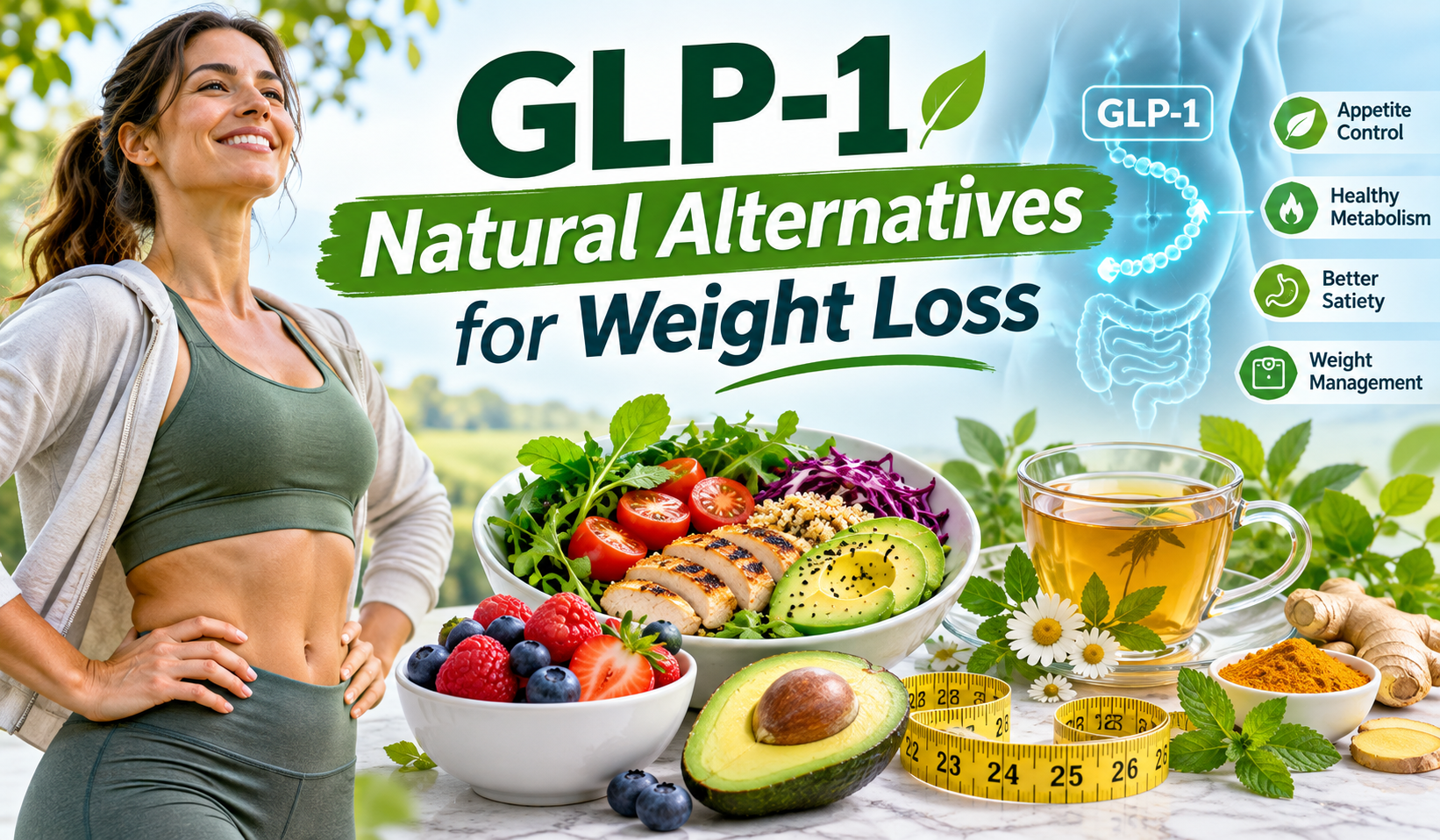
GLP-1 natural alternatives for weight loss include fiber-rich foods, protein, healthy fats, certain plant compounds, and lifestyle habits that may encourage the body’s natural fullness signals.
These approaches can help improve eating habits, manage hunger, support blood sugar balance, and promote gradual weight loss.
Unlike prescription GLP-1 medications, which produce stronger and longer-lasting effects on specific hormone pathways, natural approaches generally work more gently. Their greatest advantage is that they can become part of an everyday wellness routine.
In this guide, we explore 12 natural GLP-1 alternatives, how they work, their potential benefits, and practical ways to incorporate them into a healthy weight loss plan.
What Is GLP-1 and How Does It Help With Weight Loss?
GLP-1, or glucagon-like peptide-1, is a naturally occurring hormone released by specialized cells in the intestines after eating. It plays an important role in regulating appetite, digestion, and blood sugar levels.
When food enters the digestive system, GLP-1 communicates with the pancreas, stomach, and brain to coordinate several metabolic processes.
Its primary functions include:
-
Appetite regulation: Helps the brain recognize fullness signals after meals.
-
Blood sugar management: Encourages insulin secretion when glucose levels rise.
-
Digestive regulation: Slows stomach emptying and influences the rate at which nutrients enter the bloodstream.
-
Satiety support: Helps promote satisfaction after eating.
-
Metabolic health: Contributes to healthy glucose regulation and energy balance.
Prescription GLP-1 medications mimic or activate this hormonal pathway for longer periods. Natural foods and lifestyle strategies may support the body’s own GLP-1 response, but their effects are generally smaller and shorter-lived.
A 2026 scientific review found that certain dietary proteins, fermentable carbohydrates, healthy fats, and plant compounds can influence natural GLP-1 signaling, although responses differ considerably between individuals.
 GLP-1 Starting at $59 Per Month – 100% Online
12 Best GLP-1 Natural Alternatives for Weight Loss
1. Fiber-Rich Foods – Natural Appetite and Fullness Support
Dietary fiber is one of the most practical natural approaches to appetite management. Fiber absorbs water, adds volume to meals, and slows digestion, helping people feel satisfied for longer periods.
Certain fermentable fibers also nourish beneficial intestinal bacteria. As these bacteria break down fiber, they produce short-chain fatty acids that can influence GLP-1 secretion.
Some excellent fiber-rich foods include oats, lentils, chickpeas, chia seeds, apples, pears, broccoli, and barley.
Potential benefits:
-
Encourages longer-lasting fullness.
-
Supports digestive regularity.
-
Helps regulate post-meal blood sugar.
-
May reduce unnecessary snacking.
-
Promotes beneficial gut bacteria.
A 2026 review of 52 studies found promising effects of some dietary fibers on GLP-1 and satiety, but the results were inconsistent across fiber types.
For practical results, increase fiber intake gradually and drink enough water throughout the day.
2. High-Protein Foods – Helps Control Hunger Naturally
Protein is another important nutrient for people seeking natural weight loss support.
Protein-rich meals stimulate several appetite-regulating hormones, including GLP-1 and peptide YY (PYY). These hormones help communicate fullness to the brain and may reduce hunger between meals.
Protein also helps preserve lean muscle during weight loss, supporting strength and metabolic health.
Good protein sources include:
-
Eggs and Greek yogurt.
-
Chicken and fish.
-
Lentils and beans.
-
Tofu and tempeh.
-
Cottage cheese.
-
Unsweetened protein shakes.
Including protein with breakfast may be particularly helpful for people who experience frequent midmorning hunger.
For example, replacing a sugary breakfast pastry with Greek yogurt, berries, and nuts creates a more balanced meal that may improve satiety throughout the morning.
3. Berberine – A Plant Compound for Metabolic Support
Berberine is a naturally occurring compound found in several plants, including barberry and goldenseal.
It has attracted attention because of research examining its potential influence on blood sugar regulation, insulin sensitivity, and lipid metabolism.
Some laboratory and preliminary clinical research also suggests that berberine may influence pathways involved in intestinal hormone signaling.
Potential benefits being studied include improved glucose regulation, healthier metabolic markers, and modest weight management support.
Berberine is sometimes called “nature’s Ozempic,” but that comparison is misleading. It has not demonstrated weight-loss effects comparable to prescription GLP-1 drugs.
Berberine can also cause digestive discomfort and interact with medications, particularly those used to manage blood sugar. Pregnant or breastfeeding individuals should avoid it. Consult a healthcare professional before using berberine supplements.
4. Green Tea – Supports Metabolism and Healthy Weight Management
Green tea contains naturally occurring antioxidants known as catechins, including epigallocatechin gallate (EGCG).
These plant compounds are studied for their potential effects on energy metabolism, fat oxidation, and overall metabolic wellness.
Green tea also contains a moderate amount of caffeine, which may temporarily increase energy expenditure.
Although certain tea compounds have shown possible effects on GLP-1 signaling in experimental research, drinking green tea has not been established as a reliable method of substantially increasing GLP-1 in humans.
Replacing sugary drinks with unsweetened green tea may nevertheless support weight management by reducing added sugar and calorie intake.
One or two cups of green tea can be a convenient addition to a balanced routine. Concentrated green tea extract supplements require greater caution because high doses have been associated with liver injury.
5. Chia Seeds – Fiber and Healthy Fats in One Food
Chia seeds are a nutrient-dense addition to a weight-conscious eating plan.
They contain soluble fiber, plant-based omega-3 fatty acids, protein, and minerals that support general nutrition.
When mixed with liquid, chia seeds form a gel-like texture that increases food volume and may slow digestion.
This makes them particularly useful for preparing filling breakfasts and snacks.
Try adding one tablespoon of chia seeds to yogurt, oatmeal, smoothies, or overnight oats.
Chia seeds are not proven GLP-1 drug substitutes, but their fiber content makes them a valuable part of an appetite-supporting diet.
6. Psyllium Husk – A Soluble Fiber for Satiety
Psyllium husk is a soluble fiber obtained from the seeds of the Plantago ovata plant.
It absorbs water and forms a viscous gel in the digestive system. This process can help increase fullness, improve stool consistency, and moderate post-meal glucose responses.
Psyllium may be especially useful for individuals who struggle to consume enough fiber through food alone.
Its benefits are primarily related to fiber’s physical effects on digestion and glucose absorption rather than proven medication-like GLP-1 stimulation.
People considering psyllium should follow product directions, use sufficient water, and separate it from certain medications when advised by a pharmacist. It should not be used by people with swallowing difficulties without medical advice.
7. Fermented Foods – Supports a Healthy Gut Microbiome
The gut microbiome contributes to digestion, nutrient processing, and metabolic signaling.
Fermented foods introduce microorganisms or fermentation products that may help support a diverse intestinal environment.
Examples include plain yogurt with live cultures, kefir, kimchi, sauerkraut, and certain fermented vegetables.
Researchers are exploring whether changes in gut bacteria can influence GLP-1 secretion through short-chain fatty acid production and related metabolic pathways.
However, human studies have not consistently demonstrated that probiotic foods or supplements significantly increase GLP-1 or produce meaningful weight loss on their own.
For everyday wellness, include fermented foods as part of a diverse, fiber-rich diet rather than relying on a single probiotic product.
8. Healthy Fats – Supports Meal Satisfaction
Healthy fats contribute to fullness, nutrient absorption, and normal hormone signaling.
Foods containing monounsaturated and polyunsaturated fats include avocados, extra virgin olive oil, walnuts, almonds, and fatty fish.
Dietary fats can influence intestinal signals involved in GLP-1 release. They also make balanced meals more satisfying, which may help reduce the desire for frequent snacks.
For example, adding a small amount of olive oil and avocado to a vegetable-and-protein salad can improve flavor and satisfaction.
Because fats are calorie-dense, portion awareness remains important when weight loss is the goal.
9. Resistant Starch – Feeds Beneficial Gut Bacteria
Resistant starch is a type of carbohydrate that escapes digestion in the small intestine and reaches the colon.
There, gut bacteria ferment it to produce short-chain fatty acids.
These compounds may help influence gut hormones, including GLP-1, while supporting digestive and metabolic health.
Food sources include:
-
Beans and lentils.
-
Slightly green bananas.
-
Cooked and cooled potatoes.
-
Cooked and cooled rice.
-
Certain whole grains.
Rather than following an extreme low-carbohydrate diet, incorporating appropriate portions of resistant-starch foods may offer a sustainable way to improve dietary quality.
10. Apple Cider Vinegar – May Improve Post-Meal Glucose Responses
Apple cider vinegar is often discussed as a natural weight management ingredient.
Its primary active component, acetic acid, has been studied for possible effects on post-meal blood sugar, appetite, and body weight.
Some small studies suggest that vinegar consumed with carbohydrate-containing meals may modestly improve glucose responses.
However, its ability to meaningfully increase GLP-1 in humans is uncertain, and any weight-loss benefit appears small.
For those who enjoy it, vinegar is best used as part of food preparation, such as a salad dressing.
Avoid drinking undiluted vinegar because it can damage tooth enamel and irritate the throat. It may also worsen reflux or interact with certain medications.
11. Regular Exercise – Natural Metabolic and Appetite Support
Exercise is one of the most reliable non-medication strategies for long-term weight management.
Physical activity helps improve insulin sensitivity, cardiovascular fitness, muscle strength, and energy expenditure.
Research has also explored how exercise affects appetite-related hormones, including GLP-1. Responses vary depending on activity type, intensity, and individual physiology.
Walking, cycling, swimming, yoga, and resistance training are all useful options.
For many adults, working toward at least 150 minutes of moderate-intensity aerobic activity each week, combined with muscle-strengthening exercise, provides substantial health benefits.
Even a short walk after meals can support glucose regulation and establish a sustainable movement habit.
12. Quality Sleep and Stress Management – Supports Hunger Regulation
Sleep quality and stress can strongly influence appetite and eating behavior.
Insufficient sleep may alter hunger-related hormones, increase cravings, and make it more difficult to maintain consistent food choices.
Chronic stress can also contribute to emotional eating and irregular meal patterns.
Supporting sleep and stress management therefore represents an important part of a natural weight loss strategy.
Useful habits include maintaining consistent sleep times, limiting late-night screen exposure, creating a relaxing bedtime routine, and practicing meditation or breathing exercises.
Most adults benefit from approximately seven to nine hours of sleep each night.
Although these strategies do not replace GLP-1 medication, they help create conditions that support more consistent appetite regulation and healthier weight management.
GLP-1 Starting at $59 Per Month – 100% Online
Best Foods That Naturally Support GLP-1 Production
A nutritious diet can combine several mechanisms associated with fullness, digestive health, and natural GLP-1 secretion.
| Food | Important nutrients | Potential benefits |
|---|---|---|
| Oats | Beta-glucan fiber | Fullness and glucose support |
| Lentils | Protein and fiber | Appetite and digestive support |
| Chia seeds | Soluble fiber and healthy fats | Satiety and regularity |
| Greek yogurt | Protein | Fullness and muscle maintenance |
| Avocado | Monounsaturated fats and fiber | Meal satisfaction |
| Barley | Soluble fiber | Digestive and metabolic health |
| Beans | Resistant starch and protein | Gut health and fullness |
| Apples | Fiber and polyphenols | Satiety and dietary quality |
| Salmon | Protein and omega-3 fats | Nutrition and metabolic wellness |
| Broccoli | Fiber and micronutrients | Low-calorie meal volume |
The most effective approach is not necessarily eating one particular food. Combining several nutrient-rich options across meals provides a broader range of nutritional benefits.
How to Naturally Support GLP-1 for Weight Loss
A successful natural weight loss routine does not require changing everything overnight. Small, repeated actions can make healthier choices easier to maintain.
Start by building meals around lean protein, high-fiber carbohydrates, vegetables, and moderate portions of healthy fats.
Eat slowly enough to recognize when you are comfortably satisfied. This allows time for digestive and fullness signals to develop.
Choose water or unsweetened beverages instead of regularly consuming sugary drinks. Add regular walking and strength training to support metabolic health and muscle preservation.
Finally, prioritize consistent sleep and evaluate progress through multiple measures, including waist circumference, energy, physical fitness, and sustainable changes in eating behavior.
These habits support weight management even when their direct effects on GLP-1 are modest.
GLP-1 Starting at $59 Per Month – 100% Online
Are Natural GLP-1 Supplements Effective for Weight Loss?
Certain supplements may help with appetite, fiber intake, or metabolic health, but their effectiveness varies significantly.
Psyllium can be useful for increasing soluble fiber consumption. Protein powders can help meet protein requirements when food intake is inadequate. Berberine is being studied for metabolic effects, although its overall weight-loss evidence is less established.
Products labeled “natural GLP-1 boosters” should be evaluated carefully. Increasing a hormone level temporarily does not necessarily translate into meaningful or lasting weight loss.
The National Institutes of Health notes that many supplements promoted for weight loss have limited supporting evidence, and some may cause adverse effects or interact with medications.
Dietary Supplements for Weight Loss
A food-first strategy is generally the most practical starting point.
How Long Do Natural GLP-1 Alternatives Take to Work?
The timeline depends on dietary habits, activity level, starting weight, sleep quality, and individual metabolism.
Some people notice improved meal satisfaction relatively quickly after increasing protein and fiber intake. Changes in bowel regularity and daily energy may develop as eating habits become more consistent.
Visible weight changes usually take longer and depend primarily on maintaining an appropriate energy deficit over time.
Rather than expecting medication-like results within a few weeks, focus on habits that can be maintained for months and years.
Consistency is more important than aggressively restricting food or following short-term trends.
GLP-1 Starting at $59 Per Month – 100% Online
Can Natural GLP-1 Alternatives Replace Ozempic or Wegovy?
Natural strategies may be suitable for people who want to improve their diet and manage weight without medication. They also provide important support for people already using prescription treatments.
Nevertheless, natural alternatives are not clinically equivalent to Ozempic or Wegovy.
Prescription GLP-1 medications can be particularly useful for eligible individuals with obesity, type 2 diabetes, or certain weight-related medical conditions.
Anyone taking GLP-1 medication for diabetes or weight management should speak with their prescribing clinician before stopping treatment or switching to supplements.
Final Verdict:
The best GLP-1 natural alternatives for weight loss are high-fiber foods, protein-rich meals, regular physical activity, healthy fats, and consistent sleep habits.
These approaches support natural appetite regulation, digestive health, blood sugar management, and long-term weight control without relying on a single product.
Berberine, green tea, psyllium husk, and other plant-based ingredients may offer additional benefits in certain circumstances, but none has been established as a direct replacement for prescription GLP-1 medications.
For most people, combining balanced nutrition with enjoyable exercise and sustainable daily routines is a stronger long-term strategy than depending on a supplement alone.
The key takeaway: Natural GLP-1 support is not about finding a miracle ingredient. It is about creating everyday habits that help the body regulate hunger, maintain energy balance, and achieve healthier weight management over time.
GLP-1 Starting at $59 Per Month – 100% Online
References
https://www.webmd.com/obesity/listicle-what-to-know-about-glps-1s-for-weight-loss
https://www.healthline.com/nutrition/30-ways-to-lose-weight-naturally
https://en.wikipedia.org/wiki/GLP1_poly-agonist_peptides
