GLP-1 Long Term Side Effects: Risks, Safety & What to Know
GLP-1 medications have transformed the way doctors approach weight management and type 2 diabetes.
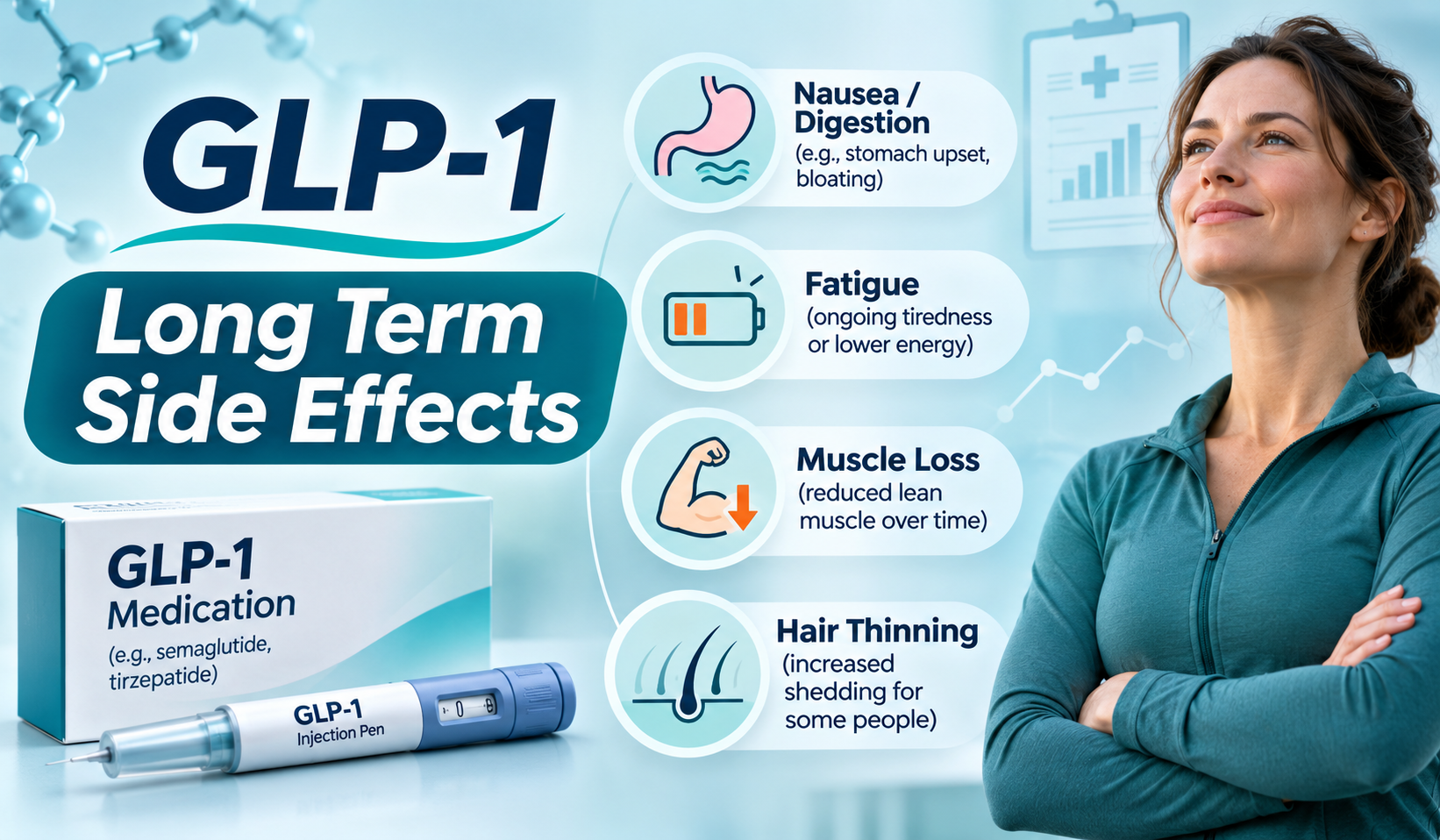
GLP-1 Long Term Side Effects are generally manageable for many people using medications such as Ozempic, Wegovy, and Mounjaro under medical supervision.
But as more people begin using these medications for months or even years, an important question arises: What are the GLP-1 long term side effects, and how safe are these treatments over time?
GLP-1 medications offer meaningful health benefits, extended use can involve digestive problems, gallbladder complications, nutritional concerns, and other potential risks. Some side effects improve as the body adjusts, while others require medical attention.
Understanding these possibilities is especially important because weight management and diabetes treatment often require ongoing medication rather than a short course.
This comprehensive guide explores the long-term side effects of GLP-1 medications, what medical research reveals about their safety, and practical ways to protect your health during treatment.
What Are GLP-1 Medications?
GLP-1 stands for glucagon-like peptide-1, a naturally occurring hormone released by the intestines after eating. This hormone helps regulate blood sugar, appetite, insulin secretion, and digestion.
GLP-1 receptor agonist medications mimic the effects of this hormone, helping the body manage glucose levels and making it easier for people to feel satisfied after smaller meals.
These medications work through several important mechanisms, including stimulating insulin release when blood sugar is elevated, reducing glucagon secretion, slowing stomach emptying, and influencing appetite-regulating pathways in the brain.
Some commonly prescribed medications include:
-
Ozempic: Contains semaglutide and is primarily prescribed for type 2 diabetes.
-
Wegovy: Contains semaglutide and is used for chronic weight management and certain other approved indications.
-
Mounjaro: Contains tirzepatide and is prescribed for type 2 diabetes.
-
Zepbound: Contains tirzepatide and is approved for chronic weight management and certain patients with obesity-related obstructive sleep apnea.
-
Trulicity: Contains dulaglutide and is used for type 2 diabetes.
Tirzepatide acts on both GLP-1 and GIP receptors, making it somewhat different from traditional GLP-1-only medications.
While these treatments share several effects, their doses, approved uses, and safety profiles are not identical.
 GLP-1 Starting at $59 Per Month – 100% Online
Are GLP-1 Medications Safe for Long-Term Use?
GLP-1 medications can be appropriate for long-term use when prescribed and monitored by a qualified healthcare professional. Clinical research has demonstrated sustained improvements in weight, blood glucose, and certain cardiovascular outcomes.
Many patients use these treatments continuously because obesity and type 2 diabetes are chronic conditions that often require long-term management.
However, long-term safety does not mean that side effects are impossible.
Most common reactions involve the digestive system, particularly during treatment initiation or dose increases. More serious complications occur less frequently but deserve careful monitoring.
A large study published in Nature Medicine in January 2025 examined a broad range of health outcomes associated with GLP-1 receptor agonists.
The researchers identified potential benefits alongside increased risks involving certain gastrointestinal and other conditions.
Because the study was observational, not every association establishes that the medication caused the outcome.
10 Potential GLP-1 Long Term Side Effects
1. Persistent Nausea and Digestive Discomfort
Nausea is among the most frequently reported GLP-1 medication side effects.
Because these medications slow the movement of food through the stomach, some individuals experience prolonged fullness, stomach discomfort, bloating, or occasional vomiting.
Symptoms often become noticeable when starting treatment or increasing the dosage.
For many patients, nausea gradually improves as their bodies adjust. Others may continue experiencing digestive discomfort during extended treatment.
Common symptoms include nausea after meals, bloating, acid reflux, early fullness, and abdominal discomfort.
Eating smaller meals, avoiding unusually large portions, and limiting high-fat foods may improve tolerability.
Persistent vomiting, inability to eat, or worsening abdominal pain should be discussed with a healthcare professional rather than treated as an expected part of weight loss.
2. Chronic Constipation and Changes in Bowel Habits
Another potential long-term GLP-1 side effect is constipation.
Slower gastrointestinal movement can affect how quickly food travels through the digestive tract. Reduced food intake, inadequate hydration, and changes in dietary fiber may contribute.
Some patients experience occasional constipation, while others develop recurring difficulties with bowel movements.
Possible symptoms include hard stools, abdominal bloating, infrequent bowel movements, and discomfort during digestion.
Maintaining adequate hydration, gradually increasing fiber intake when appropriate, and incorporating regular physical activity can help.
Severe constipation accompanied by vomiting, significant abdominal swelling, or an inability to pass gas requires urgent medical evaluation because it may indicate an intestinal obstruction or another serious condition.
3. Delayed Gastric Emptying and Gastroparesis
GLP-1 medications intentionally slow stomach emptying, which contributes to appetite reduction and improved blood sugar control.
However, excessive slowing may cause significant digestive symptoms.
Gastroparesis is a condition in which food moves through the stomach unusually slowly without a mechanical blockage.
Symptoms may include prolonged fullness, nausea, vomiting undigested food, abdominal discomfort, and difficulty finishing meals.
Although delayed gastric emptying is an expected pharmacological effect, clinically significant gastroparesis is a separate medical concern.
Current prescribing information warns that severe gastrointestinal reactions can occur and that certain GLP-1 treatments are not recommended for patients with severe gastroparesis.
4. Gallstones and Gallbladder Problems
Gallbladder complications represent an important risk associated with GLP-1 medications and substantial weight loss.
Rapid weight reduction can change bile composition and increase the likelihood of gallstone formation.
Some GLP-1 therapies are also associated with increased rates of gallbladder-related conditions, including gallstones and gallbladder inflammation.
Symptoms may include pain in the upper-right abdomen, discomfort after meals, nausea, fever, or yellowing of the skin and eyes.
For perspective, clinical trials of injectable Wegovy for adult weight reduction reported gallstones in approximately 1.6% of treated participants compared with 0.7% receiving placebo.
These figures describe particular clinical trials rather than an individual’s lifetime risk.
Anyone experiencing persistent upper-abdominal pain, especially with fever or jaundice, should seek prompt medical attention.
5. Pancreatitis
Pancreatitis refers to inflammation of the pancreas, an organ involved in digestion and blood sugar regulation.
Acute pancreatitis has been reported in people receiving GLP-1 receptor agonists, including semaglutide and tirzepatide.
Although it is not a common reaction, pancreatitis can become serious and may require hospitalization.
Warning signs include severe or persistent abdominal pain, pain spreading toward the back, nausea, and vomiting.
Patients developing symptoms suggestive of pancreatitis should stop the medication and seek immediate medical evaluation in accordance with prescribing guidance.
The relationship between different GLP-1 medications and pancreatitis risk continues to be studied. A reported warning does not mean every patient faces a high risk.
6. Muscle Loss During Weight Reduction
GLP-1 medications can produce substantial weight loss, but not all lost weight comes from body fat.
As with other forms of significant weight reduction, some lean body mass may decrease.
Lean mass includes muscle and other non-fat tissues, so changes in lean mass do not measure muscle loss alone.
This is particularly important for older adults, people with limited physical activity, and individuals who struggle to consume adequate protein.
Loss of muscle strength can affect mobility, physical performance, and long-term metabolic health.
Fortunately, several strategies may help preserve muscle during treatment.
Resistance training, sufficient dietary protein, appropriate calorie intake, and monitoring strength are important components of a comprehensive weight-management program.
The goal should be improving body composition and overall health rather than focusing exclusively on the number displayed on the scale.
7. Hair Loss and Hair Thinning
Hair shedding is another concern among people using GLP-1 medications for weight management.
Some individuals notice increased hair loss several months after beginning treatment, particularly when weight reduction occurs rapidly.
This may reflect telogen effluvium, a temporary shedding process associated with physiological stress, rapid weight changes, or nutritional deficiencies.
Hair loss has also been reported in clinical trials of some weight-management medications.
For example, Zepbound trials reported hair loss in approximately 4–5% of participants receiving the studied doses, compared with 1% receiving placebo.
Hair shedding does not necessarily indicate permanent damage to hair follicles.
Maintaining adequate protein, iron, and other essential nutrients may help address contributing factors.
Persistent or significant hair loss should be evaluated to identify possible thyroid disorders, deficiencies, or unrelated conditions.
8. Dehydration and Kidney Complications
Dehydration is a potentially serious consequence of persistent nausea, vomiting, or diarrhea.
When the body loses excessive fluid, blood volume can decrease, placing additional strain on the kidneys.
Some people may develop acute kidney injury, particularly when severe digestive symptoms are combined with inadequate fluid intake or existing kidney problems.
Prescribing information for semaglutide includes reports of acute kidney injury associated with volume depletion.
Possible warning signs include reduced urination, dizziness, unusual weakness, or marked thirst.
Maintaining hydration is important throughout treatment, especially during periods of gastrointestinal discomfort.
Patients with kidney disease or repeated dehydration episodes may require additional monitoring and individualized adjustments to their treatment plans.
9. Nutritional Deficiencies and Inadequate Food Intake
GLP-1 medications reduce hunger and help people feel satisfied after smaller portions.
While this supports weight management, significant appetite suppression can occasionally make it difficult to consume sufficient nutrients.
Over time, inadequate food intake may contribute to deficiencies involving iron, vitamin B12, protein, and other essential nutrients.
These deficiencies are generally related to reduced or unbalanced dietary intake rather than a universal direct effect of GLP-1 drugs.
Symptoms may include fatigue, weakness, poor exercise recovery, difficulty concentrating, or changes in hair and skin health.
Patients should prioritize nutrient-dense foods, including vegetables, fruits, lean proteins, whole grains, and healthy fats.
People with restricted diets, persistent digestive symptoms, or substantial weight loss may benefit from nutritional counseling.
Routine supplementation is not necessary for everyone, but targeted supplements may be appropriate when a deficiency is identified.
10. Vision Changes and Diabetic Eye Complications
Vision changes are another important consideration, particularly among individuals with diabetes.
Rapid improvements in blood glucose can sometimes temporarily worsen existing diabetic retinopathy, a condition affecting blood vessels in the retina.
Certain GLP-1 medications include warnings about diabetic retinopathy complications, especially in patients with pre-existing disease.
Some research has also investigated a possible association between semaglutide and nonarteritic anterior ischemic optic neuropathy, or NAION, a rare condition that can cause sudden vision loss. The absolute risk and causal relationship require careful interpretation.
Patients with diabetes should maintain recommended eye examinations and inform their healthcare providers about any existing retinal conditions.
Sudden vision loss or a major new visual disturbance requires emergency assessment, regardless of whether the person is taking a GLP-1 medication.
GLP-1 Starting at $59 Per Month – 100% Online
Other Important Long-Term Safety Concerns
Thyroid Tumor Warnings
Several GLP-1-based medications carry boxed warnings concerning thyroid C-cell tumors.
Animal studies involving certain GLP-1 medications identified thyroid C-cell tumors, but whether these findings translate to humans remains uncertain.
Medications such as Wegovy and Zepbound should not be used by individuals with a personal or family history of medullary thyroid carcinoma or multiple endocrine neoplasia syndrome type 2 (MEN 2).
Patients should discuss their medical history with their prescribing clinician before starting treatment.
Low Blood Sugar
GLP-1 medications generally carry a relatively low risk of hypoglycemia when used alone.
However, the risk can increase when combined with insulin or certain diabetes medications, particularly sulfonylureas.
Symptoms may include sweating, shakiness, confusion, dizziness, and rapid heartbeat.
Patients using multiple glucose-lowering medications may need dosage adjustments and regular blood sugar monitoring.
How Long Do GLP-1 Side Effects Last?
The duration of GLP-1 side effects varies depending on the medication, dosage, individual tolerance, and underlying medical conditions.
Mild gastrointestinal symptoms often improve within several weeks, particularly after the body adjusts to a stable dose.
Other complications may emerge later or persist without appropriate intervention.
| Side Effect | Typical Pattern |
|---|---|
| Nausea | Often improves over several weeks |
| Constipation | May recur or persist during treatment |
| Vomiting | Often associated with initiation or dose increases |
| Bloating | May improve with dietary adjustments |
| Hair shedding | May develop months after rapid weight loss |
| Muscle loss | Can occur throughout substantial weight reduction |
| Gallbladder problems | May develop during ongoing treatment |
| Pancreatitis | Uncommon but requires immediate evaluation |
| Dehydration | Can occur whenever fluid losses become significant |
| Nutritional deficiencies | May develop over months of inadequate intake |
These patterns are general observations, not guaranteed timelines.
GLP-1 Starting at $59 Per Month – 100% Online
What Happens When You Stop Taking GLP-1 Medications?
Discontinuing GLP-1 medication can lead to increased appetite, reduced feelings of fullness, and weight regain.
This happens because the medication’s appetite-regulating effects gradually diminish after treatment ends.
In the STEP 1 trial extension, participants who discontinued semaglutide regained approximately two-thirds of their previous weight loss over the following year.
Researchers also observed that several improvements in cardiometabolic risk factors moved back toward their original levels.
Importantly, weight regain is not necessarily a withdrawal side effect or a sign of medication dependence. It often reflects the chronic biological mechanisms involved in obesity.
Anyone considering stopping treatment should discuss a maintenance strategy with their healthcare professional.
How to Reduce GLP-1 Long Term Side Effects
Several practical strategies can make extended GLP-1 treatment more manageable.
1. Follow the prescribed dosage schedule. Gradual dose escalation allows the body to adjust and may reduce gastrointestinal discomfort. Never increase the dose independently.
2. Eat smaller, balanced meals. Smaller portions, slower eating, and avoiding excessively fatty meals may help manage nausea and bloating.
3. Maintain adequate hydration. Drinking fluids consistently helps reduce dehydration risks, particularly when experiencing vomiting or diarrhea.
4. Prioritize protein and strength training. Adequate protein intake and regular resistance exercise help preserve muscle during weight loss.
5. Monitor nutritional intake. Focus on nutrient-dense foods and discuss potential deficiencies with a healthcare professional.
6. Attend regular medical appointments. Periodic assessments can identify blood sugar changes, medication-related complications, nutritional problems, and changes in kidney function when clinically indicated.
7. Report unusual symptoms early. Persistent vomiting, severe abdominal pain, sudden vision changes, and signs of dehydration should never be ignored.
Patients should also tell their anesthesia team about GLP-1 medication use before surgery or procedures involving deep sedation because delayed stomach emptying may increase aspiration risk.
GLP-1 Starting at $59 Per Month – 100% Online
Do the Benefits of GLP-1 Medications Outweigh the Long-Term Risks?
For many eligible patients, the benefits of GLP-1 medications can outweigh their potential risks.
These treatments can improve blood sugar management, support substantial weight loss, and reduce certain obesity-related health complications.
The SELECT clinical trial demonstrated that semaglutide reduced major adverse cardiovascular events by approximately 20% among adults with established cardiovascular disease and overweight or obesity without diabetes.
Additional analyses demonstrated sustained weight reduction over approximately four years of treatment.
Nevertheless, the benefits depend on the patient’s individual medical circumstances.
For someone with obesity, cardiovascular disease, or poorly controlled diabetes, treatment may provide substantial health improvements.
For someone without an appropriate medical indication, the potential risks may outweigh the benefits.
Long-term treatment decisions should therefore involve individualized medical assessment rather than relying exclusively on weight-loss expectations.
Final Thoughts:
GLP-1 medications have become important tools for treating obesity and type 2 diabetes, offering benefits that extend beyond appetite reduction.
Although most commonly reported side effects involve digestion, long-term users should remain aware of gallbladder disease, dehydration, nutritional concerns, muscle loss, and uncommon but serious complications.
Current research supports continued use in appropriately selected patients, while ongoing studies are helping clarify outcomes over longer periods.
The most effective approach is to combine GLP-1 treatment with balanced nutrition, physical activity, appropriate medical monitoring, and realistic long-term health goals.
For people who benefit from these medications and tolerate them well, ongoing treatment may be a valuable part of maintaining better metabolic health.
Ultimately, understanding GLP-1 long term side effects allows patients to make informed decisions while balancing meaningful treatment benefits against potential risks.
GLP-1 Starting at $59 Per Month – 100% Online
References
https://pmc.ncbi.nlm.nih.gov/articles/PMC5397288/
https://www.healthline.com/health/drugs/glp-1-long-term-side-effects
https://www.webmd.com/obesity/ss/eating-tips-low-appetite-glp1s
