GLP-1 Meal Plan: Best Foods and 7-Day Diet Guide
Starting a GLP-1 medication can change more than your appetite. It can change how you think about meals, portion sizes, hunger, and even the foods you used to enjoy. A plate that once seemed perfectly normal may suddenly feel too large, while your usual breakfast might keep you satisfied well into the afternoon.
This shift creates an opportunity to build healthier eating habits. But eating less isn’t necessarily the same as eating well. Your body still needs protein, fiber, healthy fats, vitamins, and minerals to maintain strength and support overall health.
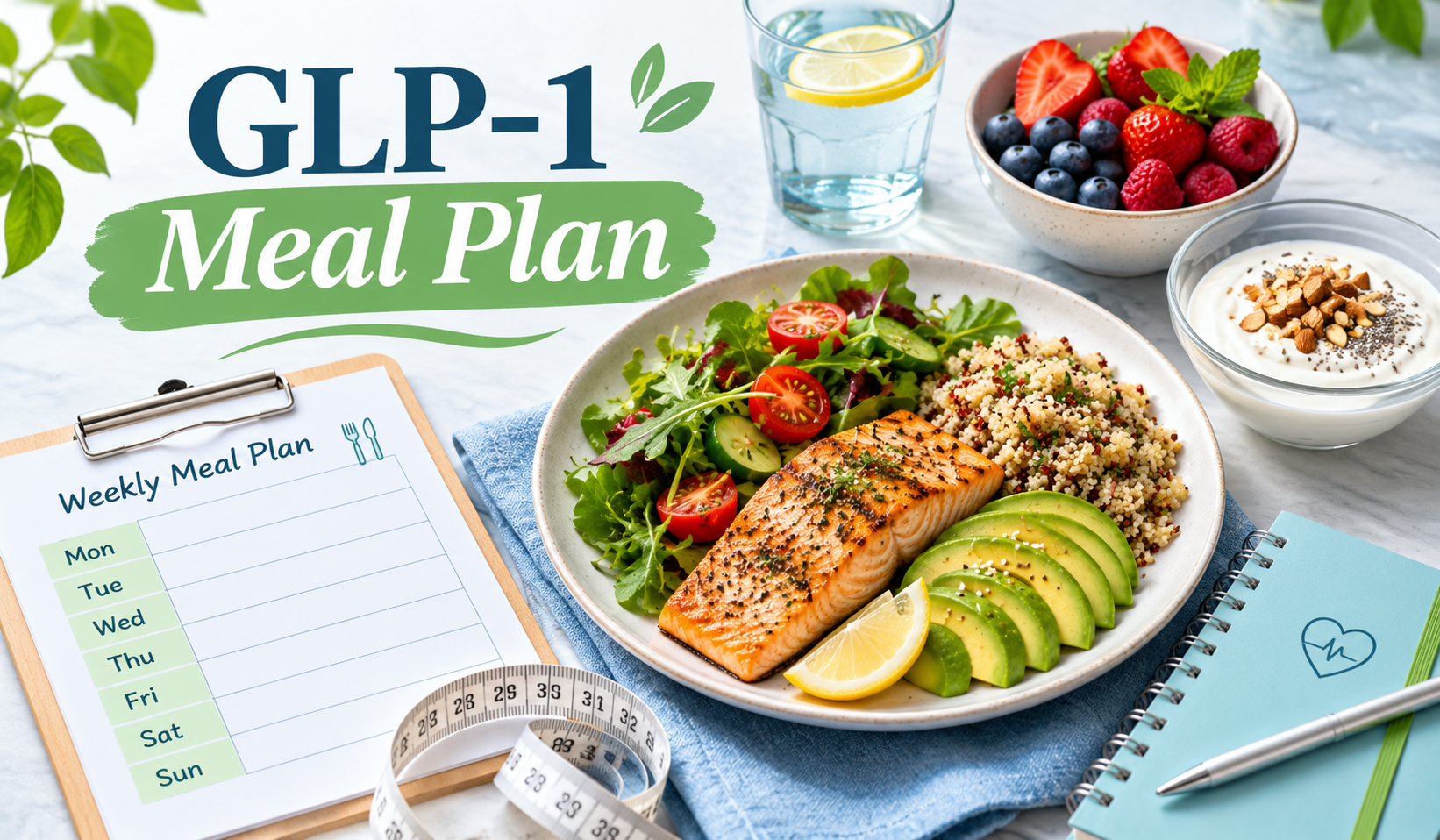
A well-designed GLP-1 meal plan helps you get the nutrition you need while working with your medication’s appetite-reducing effects. Instead of following strict food rules or skipping meals, the goal is to choose satisfying, nutrient-rich foods in manageable portions.
Whether you’re taking Ozempic, Wegovy, Mounjaro, Zepbound, or another GLP-1-based medication, this guide provides a practical seven-day meal plan, nutritional recommendations, and strategies to make healthy eating easier.
 GLP-1 Starting at $59 Per Month – 100% Online
What Is a GLP-1 Meal Plan?
A GLP-1 meal plan is a structured eating approach designed for individuals taking glucagon-like peptide-1 (GLP-1) receptor agonists or related medications for weight management or diabetes treatment.
Unlike traditional weight-loss diets that focus primarily on calorie restriction, a GLP-1-friendly eating plan emphasizes nutritional quality, portion control, digestive comfort, and consistent nourishment.
GLP-1 medications influence appetite regulation and slow gastric emptying, particularly during the early stages of treatment. These effects can help people feel satisfied after smaller portions, but they may also make it challenging to consume enough essential nutrients.
A balanced meal plan typically focuses on:
- Lean protein: Supports muscle maintenance and recovery during weight loss.
- Fiber-rich foods: Promote digestive health and help regulate bowel movements.
- Healthy fats: Supply essential fatty acids and support nutrient absorption.
- Complex carbohydrates: Provide energy and important nutrients.
- Hydration: Helps maintain fluid balance and may reduce constipation.
- Smaller portions: Can improve digestive comfort and prevent excessive fullness.
The best GLP-1 meal plan isn’t necessarily the one with the fewest calories. It’s the one that helps you meet your nutritional requirements while supporting sustainable weight management.
Why Meal Planning Matters While Taking GLP-1
GLP-1 medications can make weight management easier by reducing hunger and increasing feelings of fullness. Yet those benefits also introduce nutritional challenges.
When appetite decreases significantly, some people unintentionally skip meals or consume too little protein. Over time, inadequate nutrition can contribute to fatigue, nutritional deficiencies, and loss of muscle mass.
Planning meals in advance creates a reliable structure even when hunger signals are reduced.
Helps preserve lean muscle
Weight loss often involves reductions in both body fat and lean body mass. Eating sufficient protein, combined with appropriate resistance exercise, helps support muscle preservation.
Eggs, fish, poultry, tofu, Greek yogurt, and legumes are useful protein sources.
Supports digestive comfort
Nausea, constipation, bloating, and early fullness can occur during GLP-1 treatment.
Smaller meals, gradual increases in fiber, and adequate hydration may help improve tolerance. Large, greasy meals can aggravate symptoms in some individuals.
Encourages consistent energy
Although GLP-1 medications reduce appetite, the body continues to require sufficient energy to support everyday activities.
Regular, balanced meals can help prevent inadequate intake and make it easier to maintain physical activity.
Improves long-term eating habits
A consistent meal plan also reduces uncertainty about what to eat.
Instead of making food decisions when you’re tired or uncomfortable, you can rely on simple meals that match your nutritional needs and preferences.
GLP-1 Starting at $59 Per Month – 100% Online
The Best Foods to Include in a GLP-1 Meal Plan
Successful GLP-1 meal planning begins with selecting foods that provide substantial nutrition without requiring oversized portions.
Protein-rich foods
Protein should be a central component of most meals because it supports muscle maintenance and helps promote fullness.
Good options include chicken breast, turkey, fish, eggs, cottage cheese, Greek yogurt, tofu, tempeh, lentils, and beans.
For people struggling to eat full meals, protein-rich snacks or smoothies can sometimes make meeting nutritional goals easier.
High-fiber vegetables
Vegetables provide vitamins, minerals, antioxidants, and dietary fiber.
Broccoli, carrots, spinach, zucchini, green beans, bell peppers, and leafy greens are useful additions.
If raw vegetables cause bloating, try smaller portions of cooked vegetables. Gradually increasing fiber is generally easier on digestion than introducing large amounts immediately.
Whole grains and complex carbohydrates
Carbohydrates remain important during GLP-1 treatment.
Oats, quinoa, brown rice, whole-wheat bread, and sweet potatoes provide energy and nutrients.
Choosing moderate portions of fiber-rich carbohydrates can support digestive health and more stable blood sugar management.
Healthy fats
Avocados, olive oil, nuts, seeds, and fatty fish provide essential nutrients.
Because high-fat meals can worsen nausea or fullness in some people, use modest portions and spread fat intake across the day.
Fruits
Berries, apples, oranges, bananas, pears, and kiwi provide fiber and micronutrients.
Whole fruits are generally preferable to fruit juices because they retain more fiber and are often more filling.
Complete 7-Day GLP-1 Meal Plan for Weight Loss
The following seven-day GLP-1 meal plan offers a flexible framework for breakfast, lunch, dinner, and snacks.
Portions should be adjusted to personal requirements, medication tolerance, activity level, and nutritional needs. This is not a fixed-calorie prescription, and the meals are not intended to provide the same energy or protein intake for everyone.
Day 1: Begin With Simple, Balanced Meals
Breakfast: Greek yogurt topped with blueberries, chia seeds, and a small serving of oats.
Lunch: Grilled chicken breast with quinoa and steamed broccoli.
Dinner: Baked salmon served with roasted sweet potatoes and sautéed spinach.
Snack: Apple slices with a small portion of almond butter.
This combination provides protein, dietary fiber, and healthy fats. The foods are relatively simple to prepare and can be divided into smaller portions if appetite is low.
Day 2: Focus on Protein and Digestive Comfort
Breakfast: Scrambled eggs with whole-grain toast and sliced tomatoes.
Lunch: Turkey and avocado wrap with lettuce in a whole-wheat tortilla.
Dinner: Baked chicken with brown rice and cooked carrots.
Snack: Cottage cheese with strawberries.
Day two emphasizes familiar ingredients that are easy to portion. Cooked vegetables may be more comfortable than large raw salads for people experiencing bloating.
Day 3: Add More Plant-Based Nutrition
Breakfast: Overnight oats prepared with milk or fortified soy milk, chia seeds, and banana.
Lunch: Lentil soup with whole-grain toast and a side of cooked vegetables.
Dinner: Grilled tofu with quinoa and sautéed zucchini.
Snack: Plain Greek yogurt or fortified soy yogurt.
Plant-based meals provide fiber and a variety of micronutrients. Lentils and tofu also contribute protein, although portions may need adjustment to reach individual protein requirements.
Day 4: Prioritize Nutrient Density
Breakfast: Vegetable omelet with spinach, mushrooms, and a slice of whole-grain toast.
Lunch: Tuna salad with mixed greens, chickpeas, cucumber, and olive oil dressing.
Dinner: Roasted turkey breast with mashed sweet potatoes and green beans.
Snack: A small handful of almonds and a mandarin orange.
This day combines lean animal proteins with vegetables and legumes. The combination supports a varied nutrient intake without relying on large meals.
Day 5: Keep Meals Light and Satisfying
Breakfast: Protein smoothie made with Greek yogurt, berries, milk, and a small amount of oats.
Lunch: Grilled chicken and vegetable soup with whole-grain crackers.
Dinner: Baked cod with quinoa and steamed asparagus.
Snack: Banana with peanut butter.
Smoothies and soups may be useful when solid meals feel difficult to finish. Sip smoothies slowly, since consuming large amounts quickly may increase discomfort.
Day 6: Build Variety Into Your Routine
Breakfast: Cottage cheese topped with sliced peaches and pumpkin seeds.
Lunch: Brown rice bowl with grilled tofu, carrots, spinach, and a light dressing.
Dinner: Grilled chicken with roasted potatoes and steamed green beans.
Snack: A boiled egg and a few whole-grain crackers.
Repeating familiar ingredients in different combinations reduces grocery costs and preparation time while keeping meals interesting.
Day 7: Finish With Balanced, Flexible Choices
Breakfast: Oatmeal prepared with milk, cinnamon, berries, and a spoonful of nut butter.
Lunch: Grilled salmon salad with quinoa and cooked or raw vegetables, depending on tolerance.
Dinner: Turkey meatballs with whole-wheat pasta and a mild tomato sauce.
Snack: Greek yogurt with kiwi.
The final day reinforces the main principles of GLP-1-friendly eating: prioritize protein, include fiber-rich foods, and choose portions that feel comfortable.
You can repeat the seven-day schedule, exchange meals, or use it as inspiration for your own weekly routine.
GLP-1 Starting at $59 Per Month – 100% Online
How Much Should You Eat on a GLP-1 Meal Plan?
One of the biggest adjustments during GLP-1 treatment is learning how much food feels appropriate.
Because these medications reduce appetite, portions that previously seemed normal may become uncomfortable.
Instead of forcing yourself to finish a large meal, consider starting with a smaller serving and eating slowly.
A practical balanced plate may include a protein source, vegetables or fruit, a portion of whole grains or another carbohydrate, and a modest amount of healthy fat.
For example, lunch could consist of grilled chicken, cooked vegetables, quinoa, and a little olive oil.
The exact amount depends on your age, body size, activity level, health conditions, and weight-management goals.
Some people tolerate three regular meals, while others prefer three smaller meals plus one or two snacks.
Avoid assuming that very low calorie intake is beneficial simply because you’re not hungry. Persistent difficulty eating enough can affect your nutritional health and should be discussed with your healthcare professional.
How Much Protein Do You Need While Taking GLP-1?
Protein deserves special attention during GLP-1 treatment because weight loss can reduce lean body mass alongside body fat.
Adequate protein intake helps support muscle maintenance, particularly when combined with resistance training.
For many adults pursuing weight loss, clinicians may consider protein targets around 1.0–1.5 grams per kilogram of body weight daily, depending on individual circumstances. This is not a universal requirement; needs can differ considerably, especially with kidney disease or other medical conditions.
Rather than consuming most of your protein at dinner, distribute it across the day.
Breakfast might include eggs or Greek yogurt. Lunch could feature chicken, fish, tofu, or beans. Dinner could include another protein source, with protein-containing snacks added when needed.
When appetite is particularly low, eating the protein portion of your meal first may help you meet your daily needs.
A registered dietitian can help establish an appropriate target without unnecessary restriction.
GLP-1 Starting at $59 Per Month – 100% Online
Foods to Limit While Following a GLP-1 Meal Plan
No single food must be permanently eliminated simply because you’re taking a GLP-1 medication.
Nevertheless, certain foods and eating patterns can aggravate digestive discomfort or make it harder to maintain balanced nutrition.
Fried and greasy foods: Large servings of fried chicken, French fries, and other high-fat meals may worsen nausea or fullness.
Sugary drinks: Soda, sweetened coffee beverages, and other sugar-heavy drinks can add substantial calories without providing much nutritional value.
Large portions: Eating beyond comfortable fullness may cause bloating, reflux, nausea, or vomiting.
Highly processed snacks: Chips, pastries, and sweets can fit occasionally, but relying heavily on them may displace protein and other essential nutrients.
Alcohol: Alcohol may worsen gastrointestinal symptoms, increase dehydration risk, and complicate blood glucose management, particularly for people taking other diabetes medications.
The goal is to recognize which foods you tolerate well rather than following an unnecessarily restrictive diet.
How to Manage Nausea, Constipation, and Bloating With Food
Digestive symptoms are among the most common challenges associated with GLP-1 medications, especially when beginning treatment or increasing the dose.
Your eating habits can influence how comfortable you feel.
If you’re experiencing nausea
Try eating smaller meals more frequently instead of consuming large portions.
Plain toast, crackers, oatmeal, rice, bananas, or other mild foods may be easier to tolerate temporarily.
Avoid heavily greasy foods and strong food odors if they worsen symptoms.
Eating slowly and remaining upright after meals can also help.
If constipation becomes a problem
Increase fluid intake and gradually include more fiber-rich foods such as oats, vegetables, fruits, and legumes.
Kiwi and prunes may be particularly helpful for some people.
Gentle physical activity can also encourage regular bowel movements.
Avoid suddenly adding large amounts of fiber if you’re already experiencing significant bloating.
If you feel overly full
Reduce meal size and allow more time between bites.
Avoid forcing yourself to finish food when uncomfortable. Spread your nutritional intake across smaller meals.
Persistent vomiting, severe abdominal pain, inability to keep fluids down, or symptoms of dehydration require prompt medical assessment.
GLP-1 Starting at $59 Per Month – 100% Online
Hydration Tips for Your GLP-1 Eating Plan
Hydration can be overlooked when appetite decreases.
Some individuals also notice reduced thirst or consume fewer fluids because they eat and drink less throughout the day.
Water supports circulation, digestion, temperature regulation, and normal bodily functions.
Keeping a water bottle nearby and drinking regularly can make hydration easier.
Plain water, unsweetened herbal tea, and other low-sugar drinks can contribute to fluid intake.
Foods containing water, including soups, oranges, cucumbers, and melon, are helpful additions.
Fluid requirements differ according to body size, activity, climate, medical conditions, and medications. People with heart or kidney conditions may require individualized fluid guidance.
If you’re experiencing repeated vomiting or diarrhea, ask a healthcare professional whether oral rehydration is appropriate.
How to Make Your GLP-1 Meal Plan Easier to Follow
The most effective meal plan is one you can realistically maintain.
Complex recipes and strict food schedules may seem appealing initially, but simpler routines are often easier to follow over time.
Prepare protein in advance
Cook chicken, tofu, turkey, or another protein source in batches so you can quickly assemble meals during busy weekdays.
Refrigerate cooked food promptly and follow safe storage practices.
Keep convenient foods available
Stock Greek yogurt, eggs, frozen vegetables, canned beans, fruit, oats, and other quick ingredients.
These foods make it easier to prepare balanced meals without extensive cooking.
Plan for lower-appetite days
Some days, particularly around medication initiation or dose increases, eating a full meal may be difficult.
Keep easy-to-tolerate alternatives available, such as soup, yogurt, or a nutritionally balanced smoothie.
Pay attention to your body’s response
Notice which foods leave you feeling comfortable and which produce nausea, bloating, or excessive fullness.
Your personal tolerance matters more than following a rigid menu perfectly.
Combine nutrition with exercise
Regular physical activity supports cardiovascular health, mobility, and weight management.
Resistance exercise is particularly valuable during weight loss because it helps preserve muscle strength and lean body mass.
Choose activities appropriate for your health and fitness level.
GLP-1 Starting at $59 Per Month – 100% Online
GLP-1 Meal Plan for Beginners: Common Mistakes to Avoid
Even a nutritionally balanced plan can become less effective when certain habits interfere with consistency.
Skipping too many meals: Reduced hunger is expected, but frequently missing meals may make it difficult to obtain sufficient protein, energy, and micronutrients.
Eating too quickly: Rapid eating can make it harder to recognize fullness and may contribute to digestive discomfort.
Avoiding carbohydrates completely: Whole grains, fruits, and other carbohydrate-rich foods can provide essential fiber, vitamins, and energy.
Neglecting strength training: Weight loss without muscle-supporting activity may increase the proportion of lean mass lost.
Following someone else’s calorie target: Individual needs vary, and extremely restrictive diets can be difficult to sustain.
Ignoring persistent side effects: Ongoing gastrointestinal symptoms should not simply be accepted as an unavoidable part of treatment.
Successful meal planning involves consistency and flexibility rather than perfection.
Can You Follow a GLP-1 Meal Plan Without Taking Medication?
Yes. Many of the principles in a GLP-1-friendly meal plan can benefit people who are not using GLP-1 medications.
Protein-rich meals, fiber-containing foods, balanced carbohydrates, healthy fats, and regular physical activity are useful components of general healthy eating.
Natural GLP-1 is a hormone produced in the intestines after food intake. Nutrient composition, including protein, fiber, and fat, can influence digestive hormones and satiety.
Foods that support normal GLP-1 release do not reproduce the sustained pharmacological effects of prescription GLP-1 medications.
Nevertheless, a balanced eating pattern can support appetite management, digestive health, and long-term weight maintenance without medication.
The same seven-day menu can therefore serve as a starting point for individuals seeking a practical, nutrient-focused eating routine.
GLP-1 Starting at $59 Per Month – 100% Online
How Long Should You Follow a GLP-1 Meal Plan?
A GLP-1 meal plan is most useful when treated as a long-term eating framework rather than a temporary diet.
During the first few weeks of treatment, meals may need to be particularly small and easy to digest while your body adjusts.
As medication tolerance and appetite change, you can gradually modify meal sizes, fiber intake, and food variety.
If your weight, activity level, medical condition, or medication dose changes, your nutritional requirements may also change.
Regular monitoring with your healthcare team can help ensure that weight loss occurs while maintaining adequate nourishment.
For people who eventually discontinue GLP-1 medication, continuing protein-rich meals, high-fiber foods, physical activity, and consistent eating routines may help support weight maintenance. Appetite often increases after discontinuation, so a revised meal plan may be necessary.
Final Verdict:
The best GLP-1 meal plan is one that combines balanced nutrition, comfortable portions, adequate protein, and sustainable eating habits.
Prescription GLP-1 medications can make it easier to reduce food intake, but the quality of your meals remains important. Choosing lean proteins, vegetables, fruits, whole grains, and healthy fats can help support overall health while you work toward your weight-management goals.
The seven-day meal plan in this guide provides a practical starting point, not a rigid set of dietary rules. You can adapt ingredients, meal timing, and portion sizes to fit your preferences and how your body responds to treatment.
Focus on eating slowly, maintaining hydration, protecting muscle through nutrition and strength training, and avoiding unnecessary restriction.
The goal isn’t simply to eat less while taking GLP-1. It’s to eat well enough to support your health, strength, and long-term progress.
GLP-1 Starting at $59 Per Month – 100% Online
References
https://www.webmd.com/obesity/features/ozempic-diet-foods
