How to Relieve Stomach Pain From GLP-1: Tips That Can Help
A few bites into dinner, your stomach suddenly feels uncomfortable. You notice bloating, pressure, nausea, or a dull ache that makes finishing your meal difficult. If you’ve recently started taking a GLP-1 medication, this experience may sound familiar.
GLP-1 medications such as Ozempic, Wegovy, Mounjaro, and Zepbound can help manage blood sugar and support weight loss. Yet their effects on digestion can sometimes cause stomach discomfort, particularly during the first few weeks of treatment or after a dosage increase.
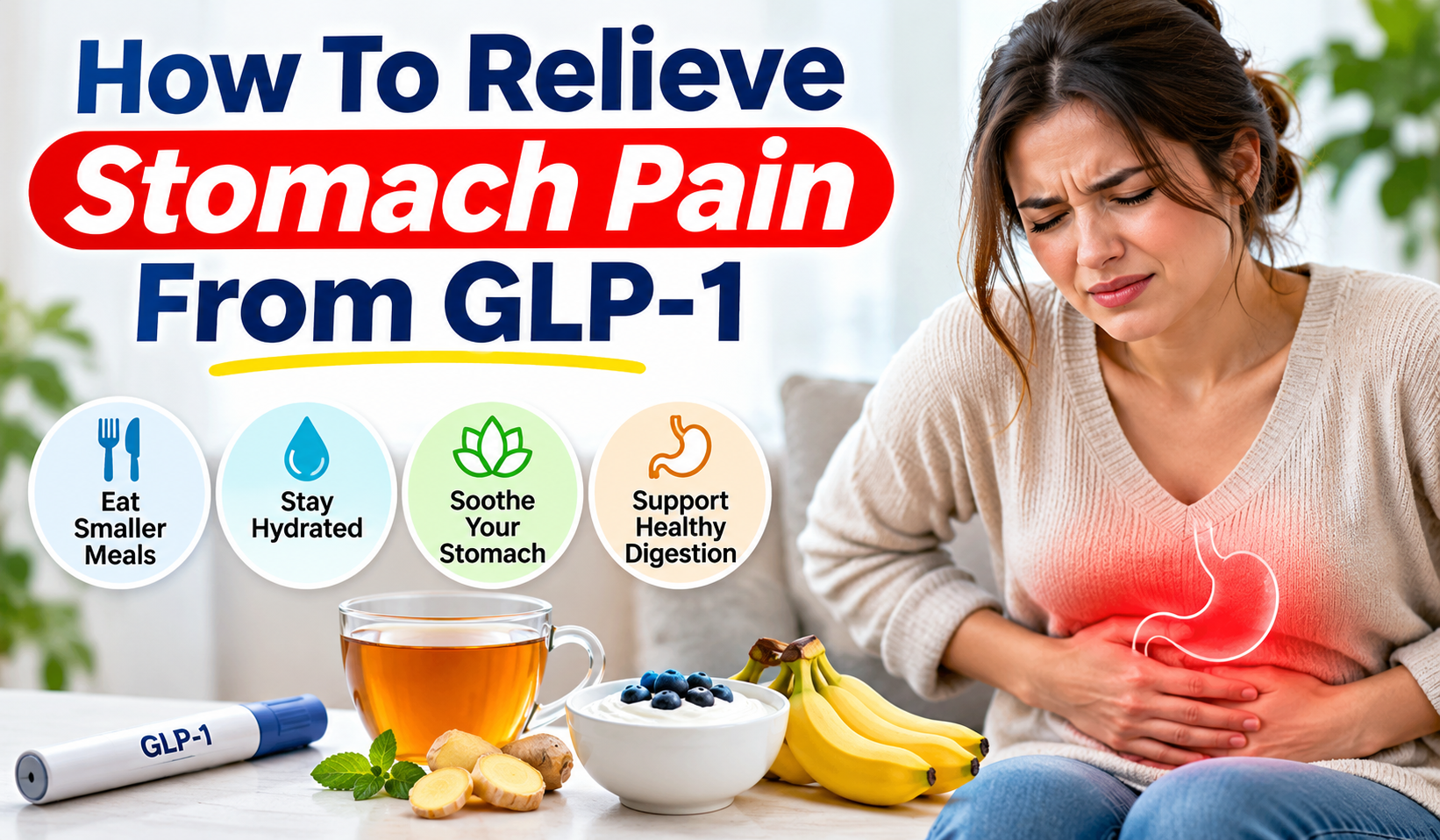
The encouraging news is that mild GLP-1-related stomach pain can often be managed through simple changes in eating habits, hydration, meal portions, and daily routines. Understanding what causes the discomfort is the first step toward finding relief.
This guide explains how to relieve stomach pain from GLP-1 medications, which foods may help, what to avoid, and when digestive symptoms require medical attention.
 GLP-1 Starting at $59 Per Month – 100% Online
Why Does GLP-1 Cause Stomach Pain?
GLP-1 medications influence how your digestive system processes food. One of their major effects is slowing gastric emptying, meaning food moves from the stomach into the small intestine more gradually.
This process helps people feel full longer, supports appetite regulation, and contributes to better blood sugar management. However, changes in digestion can sometimes produce uncomfortable gastrointestinal symptoms.
Common reasons for stomach pain while taking GLP-1 medications include:
- Delayed stomach emptying: Food remains in the stomach longer, potentially causing fullness, pressure, and bloating.
- Changes in appetite: Eating a normal-sized meal despite feeling full may produce discomfort.
- Gas accumulation: Changes in digestion and food tolerance can increase bloating.
- Constipation: Slower bowel movements may contribute to abdominal pressure and cramping.
- Food sensitivity: High-fat meals, greasy foods, and large portions may worsen gastrointestinal symptoms.
- Dose adjustments: Increasing the medication dose can temporarily intensify digestive side effects.
GLP-1 medications can also cause nausea, vomiting, diarrhea, and abdominal discomfort, especially during treatment initiation.
For many people, mild symptoms gradually improve as the body adjusts. Persistent or severe pain should never automatically be attributed to normal medication effects.
Eat Smaller Meals to Reduce Stomach Pressure
One of the most practical ways to relieve stomach pain from GLP-1 is to reduce meal size.
Because GLP-1 medications slow digestion, eating large amounts of food can create uncomfortable pressure inside the stomach. Even meals that previously felt manageable may suddenly seem too heavy.
Instead of eating three large meals, consider dividing your daily food intake into four or five smaller portions if that feels more comfortable.
For example, you might begin with a small breakfast containing oatmeal and yogurt. A few hours later, enjoy a light snack before having a moderate lunch.
The goal is not to skip meals or drastically reduce nutrition. It is to distribute food throughout the day in amounts your digestive system can comfortably handle.
Helpful eating habits include:
- Serve smaller portions and take more food only if comfortably hungry.
- Stop eating when you begin feeling comfortably full.
- Avoid forcing yourself to finish everything on your plate.
- Choose nutrient-dense foods to maintain adequate nutrition.
- Reduce meal sizes temporarily if discomfort develops after eating.
Smaller meals may help reduce bloating, nausea, pressure, and post-meal abdominal discomfort.
GLP-1 Starting at $59 Per Month – 100% Online
Choose Gentle Foods That Are Easier to Digest
Food selection can significantly influence digestive comfort while taking GLP-1 medications.
During periods of stomach discomfort, simple, lower-fat foods may be easier to tolerate than rich, heavily seasoned meals.
Foods that some people find soothing include oatmeal, bananas, rice, toast, applesauce, plain crackers, cooked vegetables, and broth-based soups.
Lean proteins such as chicken, fish, eggs, and tofu can also be useful when prepared without excessive oil.
For example, a small serving of grilled chicken with rice and cooked carrots may feel more comfortable than fried chicken with creamy sauces.
When nausea or discomfort is noticeable, try eating softer foods in modest portions until your stomach feels better.
It is equally important to maintain enough protein, calories, and essential nutrients throughout treatment. A prolonged diet consisting only of crackers or toast does not provide balanced nutrition.
Foods that may worsen symptoms include greasy meals, large servings of fatty meat, fried foods, and very rich desserts.
Individual tolerance varies. Keeping track of which meals trigger discomfort can help you identify a comfortable eating pattern without unnecessarily eliminating nutritious foods.
Stay Hydrated Without Overloading Your Stomach
Hydration is especially important when GLP-1 medications cause digestive symptoms.
Nausea may reduce your desire to drink water, while vomiting or diarrhea can increase fluid losses. Constipation may also become more uncomfortable when fluid intake is inadequate.
Drinking enough fluids supports normal digestive function and helps prevent dehydration.
However, drinking a large quantity of water at once may increase uncomfortable fullness.
Instead, take small, frequent sips throughout the day.
Plain water is usually an excellent choice. Other options include clear broth, caffeine-free herbal tea, and oral rehydration solutions when fluid losses occur.
If you experience mild nausea, cool water or small sips of ginger tea may be easier to tolerate.
People with persistent vomiting or diarrhea may need an oral rehydration solution to replace lost fluids and electrolytes.
Practical hydration tips:
- Keep a water bottle nearby during the day.
- Drink slowly rather than consuming large amounts quickly.
- Try smaller amounts of fluid between meals if drinking with food increases fullness.
- Monitor for dehydration symptoms such as dark urine, dizziness, or reduced urination.
People with kidney disease, heart failure, or prescribed fluid restrictions should follow their clinician’s hydration recommendations rather than automatically increasing fluid intake.
GLP-1 Starting at $59 Per Month – 100% Online
Walk Gently After Eating to Ease Bloating
A short, comfortable walk after eating may help reduce feelings of fullness and support normal gastrointestinal movement.
Physical movement can encourage digestive activity and may help relieve mild bloating or gas-related discomfort.
You do not need an intense workout to experience these benefits.
A gentle walk lasting approximately 10 to 15 minutes may be enough to make digestion feel more comfortable.
For example, after lunch, walk around your home, garden, or neighborhood at an easy pace.
Avoid strenuous exercise immediately after eating, particularly if you are experiencing nausea.
Walking may also support more regular bowel movements, which can be beneficial for people experiencing GLP-1-related constipation.
The key is to choose movement that feels comfortable. If walking worsens abdominal pain, stop and rest.
Severe, persistent, or worsening abdominal pain should not be treated with exercise. Such symptoms require medical evaluation.
Manage Constipation Before It Causes More Discomfort
Constipation is another possible reason for stomach pain while using GLP-1 medications.
When stool moves slowly through the intestines, it may become harder and more difficult to pass. This can lead to abdominal pressure, cramping, and bloating.
Some people also notice that bowel movements become less frequent after starting treatment.
Fortunately, several everyday habits may help maintain regularity.
Begin by eating appropriate amounts of fiber from foods such as oatmeal, berries, vegetables, and whole grains.
However, increasing fiber too quickly may worsen gas and bloating, particularly when stomach emptying is already slow.
Gradually introduce fiber-containing foods based on your tolerance.
Regular physical activity and adequate hydration are also important for supporting healthy bowel movements.
If constipation continues, ask your healthcare professional whether an over-the-counter treatment, such as polyethylene glycol, would be appropriate.
Avoid repeatedly taking strong laxatives without medical guidance.
Constipation accompanied by severe abdominal pain, repeated vomiting, or inability to pass gas may signal a more serious problem and requires urgent medical attention.
GLP-1 Starting at $59 Per Month – 100% Online
Avoid High-Fat Foods That Can Trigger GLP-1 Stomach Pain
Fatty foods can be particularly uncomfortable for some people taking GLP-1 medications.
Fat naturally slows stomach emptying. When combined with a medication that also delays gastric emptying, a large, fatty meal may contribute to prolonged fullness, nausea, or abdominal discomfort.
Common examples include fried chicken, French fries, pizza with extra cheese, creamy pasta, and heavily buttered dishes.
This does not mean that all dietary fat should be eliminated.
Healthy fats from foods such as olive oil, nuts, seeds, and avocados remain valuable components of a balanced diet.
Instead, focus on moderation and smaller portions.
For example, choose baked fish with vegetables instead of deep-fried fish with a heavy sauce.
You can also experiment with lighter cooking methods such as steaming, baking, grilling, or roasting.
Pay attention to your personal symptoms after different meals. Some people tolerate small amounts of fat comfortably, while others may need to reduce fatty foods during dose adjustments.
The objective is to reduce digestive stress while maintaining a nutritionally balanced eating pattern.
Try Ginger and Other Gentle Nausea-Relief Strategies
Stomach pain from GLP-1 medications sometimes occurs alongside nausea.
Although nausea and abdominal pain are different symptoms, relieving nausea may improve overall digestive comfort.
Ginger is commonly used for nausea relief and may help some individuals tolerate mild gastrointestinal symptoms.
You can try a small cup of ginger tea or add a little fresh ginger to warm water.
Ginger does not treat every cause of abdominal pain, and research specifically evaluating it for GLP-1-related symptoms remains limited.
Some people also find relief by sitting upright after meals, avoiding strong food odors, and eating bland foods when nauseated.
An upright position can be particularly useful if you experience acid reflux or uncomfortable fullness after eating.
Avoid lying flat immediately after a meal. Waiting approximately two to three hours before going to bed may help reduce reflux symptoms.
If your discomfort is associated with heartburn, ask a pharmacist or clinician whether an appropriate acid-reducing medicine could help.
Persistent nausea, repeated vomiting, or difficulty maintaining adequate food and fluid intake should be discussed with your prescriber.
GLP-1 Starting at $59 Per Month – 100% Online
Review Your GLP-1 Dosage With Your Healthcare Provider
Sometimes, stomach pain becomes more noticeable after starting a GLP-1 medication or increasing its dose.
GLP-1 treatments are generally introduced gradually to help the body adjust and reduce gastrointestinal side effects.
For example, medications such as semaglutide and tirzepatide typically follow structured dose-escalation schedules.
Increasing a dose too quickly may increase the likelihood of nausea, vomiting, and other gastrointestinal symptoms.
If discomfort repeatedly occurs after injections or becomes worse following a dose increase, discuss it with your healthcare provider.
Depending on your symptoms, medication, and medical history, your clinician may recommend remaining at a lower dose longer, delaying a planned increase, reducing the dose when appropriate, or considering a different treatment.
Do not increase, decrease, skip, or stop prescribed GLP-1 medication without discussing the plan with your prescriber, unless you are following specific medical instructions.
If you take a GLP-1 medication for diabetes, changes in treatment can affect blood sugar management.
Careful dose adjustment can improve medication tolerability while maintaining its intended benefits.
Understand When GLP-1 Stomach Pain Needs Medical Attention
Not all abdominal pain during GLP-1 treatment is caused by ordinary digestive adjustment.
Although mild nausea and abdominal discomfort are recognized side effects, significant pain may indicate another medical condition.
Certain GLP-1 and related medications carry warnings about acute pancreatitis, gallbladder problems, severe gastrointestinal reactions, and dehydration-related kidney injury.
Seek urgent medical evaluation for severe or persistent abdominal pain, particularly if the pain radiates toward your back or occurs with repeated vomiting.
Possible warning signs include:
- Severe abdominal pain that does not improve.
- Pain in the upper abdomen that spreads to the back.
- Persistent vomiting or inability to keep fluids down.
- A swollen abdomen accompanied by an inability to pass stool or gas.
- Upper-right abdominal pain, especially with fever or jaundice.
- Fainting, confusion, very little urine, or other signs of significant dehydration.
- Blood in vomit or black, tarry stools.
Severe abdominal pain can be associated with pancreatitis, gallbladder disease, or bowel obstruction, among other causes.
If pancreatitis is suspected, stop the medication and obtain immediate medical care, consistent with the medication’s prescribing warnings.
Recognizing these warning signs is essential because potentially serious conditions require medical treatment rather than home remedies.
GLP-1 Starting at $59 Per Month – 100% Online
How Long Does GLP-1 Stomach Pain Usually Last?
The duration of stomach discomfort varies depending on the medication, dosage, digestive sensitivity, and underlying cause.
Some people experience mild symptoms during the first days or weeks of treatment, while others notice discomfort primarily after dosage increases.
As the body becomes accustomed to the medication, nausea and mild digestive symptoms may become less frequent.
For some individuals, symptoms improve within several days. Others may experience intermittent digestive discomfort for weeks.
Certain medications also remain active in the body for several days, meaning digestive effects may not disappear immediately after a dose change.
Stomach pain that continues, intensifies, or interferes with normal meals should be evaluated rather than simply endured.
Your healthcare provider can help determine whether the discomfort is related to treatment, constipation, reflux, gallbladder disease, or another digestive condition.
What Is the Best Position to Relieve Stomach Pain From GLP-1?
Your body position may influence certain digestive symptoms, especially nausea, reflux, and feelings of fullness.
Sitting upright after eating can reduce pressure associated with reflux and may improve comfort.
If you feel bloated, loosen tight clothing around your abdomen and avoid bending forward immediately after meals.
A slow walk can also be helpful when symptoms are mild.
When resting, some people find lying on their left side more comfortable, particularly if acid reflux is contributing to symptoms.
Elevating your upper body may also help reduce nighttime reflux.
Avoid pressing firmly on a painful abdomen or using prolonged heat to mask significant symptoms.
There is no single sleeping or resting position that treats every cause of GLP-1-related abdominal pain.
If the discomfort is severe, changing positions should not replace medical evaluation.
GLP-1 Starting at $59 Per Month – 100% Online
Can You Take Medicine for GLP-1 Stomach Pain?
Certain over-the-counter medications may help with specific digestive symptoms, but choosing the right treatment depends on the cause.
For example, simethicone may help some people experiencing gas-related bloating. A suitable constipation treatment may help when infrequent bowel movements are contributing to discomfort.
Acid-reducing medicines may relieve heartburn or reflux, while prescription anti-nausea medications may sometimes be appropriate.
However, these treatments address different symptoms and are not interchangeable.
Avoid taking several digestive medications together without guidance, especially if you have kidney disease, take multiple prescriptions, or have persistent symptoms.
Painkillers can also create problems. Nonsteroidal anti-inflammatory medicines such as ibuprofen may irritate the stomach and increase kidney risks when dehydration is present.
Before choosing medication for persistent abdominal pain, speak with a healthcare professional or pharmacist.
Treating the underlying cause is more important than simply covering up the discomfort.
How to Prevent GLP-1 Stomach Pain in the Future
Preventing stomach discomfort often involves developing a routine that works with the medication’s effects on digestion.
Start by maintaining consistent meal times and paying attention to your natural hunger and fullness signals.
Eating too quickly may make it harder to recognize when you have consumed enough food.
Try chewing thoroughly, putting your utensils down between bites, and allowing sufficient time to finish meals comfortably.
Consider keeping a simple symptom diary that records what you eat, when you take your medication, and when abdominal discomfort appears.
This can reveal patterns involving meal size, fatty foods, constipation, or dose changes.
Maintaining regular hydration, gentle physical activity, and adequate sleep may also contribute to better digestive comfort.
Most importantly, follow your prescribed dosing schedule and report ongoing gastrointestinal symptoms before increasing your medication dose.
A personalized approach is usually more effective than following restrictive food rules that may not match your needs.
Final Verdict:
Learning how to relieve stomach pain from GLP-1 begins with understanding how these medications affect digestion. Slower stomach emptying, changes in appetite, constipation, and food intolerance can contribute to discomfort, particularly during the early stages of treatment.
Eating smaller meals, choosing lower-fat foods, drinking fluids gradually, walking gently after meals, and managing constipation may help relieve mild symptoms.
It is equally important to recognize that abdominal pain is not always a normal treatment side effect. Severe, persistent, or worsening pain requires prompt medical attention.
With thoughtful dietary adjustments, appropriate medical guidance, and individualized medication management, many people can improve digestive comfort while continuing to pursue their blood sugar and weight-management goals.
GLP-1 Starting at $59 Per Month – 100% Online
References
https://www.healthline.com/health/drugs/glp-1s-and-gi-side-effects
https://www.mayoclinic.org/drugs-supplements/semaglutide-subcutaneous-route/description/drg-20406730
