How to Qualify for GLP-1: Eligibility Requirements Guide!
How to qualify for GLP-1 (🔥WEIGHT MANAGEMENT SUPPORT!). Learn eligibility requirements, medical factors, and steps to access GLP-1 treatments safely.
GLP-1 medications have become a widely discussed option for people looking to support weight management and improve certain metabolic health goals.
These treatments work by targeting natural hormone pathways involved in appetite regulation, digestion, and blood sugar control.
However, not everyone automatically qualifies for GLP-1 treatment. Qualification depends on several factors, including personal health history, body measurements, existing medical conditions, lifestyle factors, and an evaluation by a licensed healthcare provider.
Understanding how to qualify for GLP-1 can help individuals prepare for a medical consultation and learn whether these treatments may be appropriate for their specific needs.
What Are GLP-1 Medications?
GLP-1 medications are prescription treatments that mimic a natural hormone called glucagon-like peptide-1 (GLP-1), which helps regulate blood sugar, appetite, and digestion.
These medications support the body by improving insulin response, slowing stomach emptying, and increasing feelings of fullness.
Originally developed for managing type 2 diabetes, some GLP-1 medications are also approved for chronic weight management in eligible individuals.
They are commonly used as part of a complete health plan that includes healthy eating, physical activity, and medical guidance.
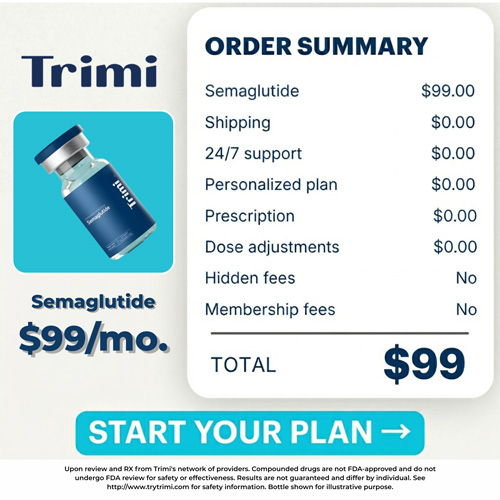
Common GLP-1 medications include semaglutide, tirzepatide, and liraglutide, which work by helping control appetite and supporting better metabolic health.
A healthcare provider evaluates your health history and goals to determine whether GLP-1 treatment is appropriate for you.
When GLP-1 pathways are activated, these medications may help:
- Support appetite control
- Increase feelings of fullness after meals
- Reduce frequent food cravings
- Improve blood sugar management in eligible individuals
- Support healthy weight reduction when combined with lifestyle changes
GLP-1 medications are prescribed based on individual health needs. A healthcare provider evaluates whether the potential benefits are appropriate based on a person’s medical profile.
Who May Qualify for GLP-1 Treatment?
Qualification for GLP-1 treatment is generally based on health-related criteria rather than simply wanting to lose weight. Healthcare providers typically review several important factors before recommending treatment.
Common qualification considerations include:
Body Mass Index (BMI) Requirements
One of the primary factors providers consider is BMI, a measure based on height and weight.
Many individuals may be considered for GLP-1 treatment if they have:
- A higher BMI that falls within an obesity range
- A BMI within an overweight range, along with certain weight-related health conditions
BMI is only one part of the evaluation. Providers also consider overall health, medical history, and personal goals.
Existing Health Conditions
Certain health conditions may influence whether GLP-1 treatment is recommended.
A healthcare provider may consider factors such as:
- Type 2 diabetes or blood sugar concerns
- High blood pressure
- Cholesterol issues
- Sleep-related breathing conditions
- Other weight-related health concerns
The goal is to determine whether GLP-1 treatment aligns with the individual’s overall healthcare needs.
Medical Evaluation Before Starting GLP-1
Before receiving a GLP-1 prescription, individuals typically complete a medical evaluation. This process allows a healthcare provider to assess the current health status and determine whether treatment is appropriate.
A medical review may include:
Health History Review
Providers often ask about:
- Current medications
- Previous weight management attempts
- Existing medical conditions
- Allergies
- Family health history
- Lifestyle habits
This information helps create a safer and more personalized approach.
Current Symptoms and Goals
A provider may discuss:
- Weight-related concerns
- Appetite patterns
- Eating habits
- Wellness goals
- Expected outcomes
Clear communication helps ensure treatment decisions match individual needs.
Health Measurements
Depending on the evaluation, providers may review:
- Height and weight
- BMI
- Blood pressure
- Blood sugar levels
- Other relevant health information
These details help determine whether GLP-1 treatment may be appropriate.
Steps to Qualify for GLP-1 Treatment
Understanding the process can make getting evaluated easier. While requirements may vary, the general steps usually include the following.
Step 1: Complete a Health Assessment
The first step is usually completing a health questionnaire or consultation. This allows healthcare providers to collect important information about your medical background and goals.
You may be asked about:
- Weight history
- Health conditions
- Current medications
- Lifestyle habits
- Previous treatments
Providing accurate information helps providers make better recommendations.
Step 2: Meet With a Healthcare Provider
A licensed healthcare professional reviews your information and determines whether GLP-1 treatment may be suitable.
During the consultation, you can discuss:
- Your health goals
- Treatment expectations
- Possible benefits
- Potential side effects
- Long-term wellness strategies
The provider will determine whether you meet the medical criteria for treatment.
Step 3: Receive a Personalized Recommendation
If you qualify, a provider may recommend a GLP-1 treatment plan based on your health profile.
A personalized recommendation may consider:
- Appropriate medication options
- Dosage approach
- Lifestyle adjustments
- Follow-up care needs
Every person’s treatment plan can differ depending on their medical situation.
Step 4: Continue Monitoring and Follow-Up
Ongoing medical guidance is an important part of GLP-1 treatment.
Follow-up appointments may help providers monitor:
- Progress toward goals
- Medication response
- Side effects
- Overall health changes
Regular communication allows adjustments when needed.
Can You Qualify for GLP-1 Without Diabetes?
Many people associate GLP-1 medications with diabetes treatment, but some GLP-1 options may also be used for weight management in eligible individuals without diabetes.
Qualification does not depend only on having diabetes. Healthcare providers consider:
- BMI measurements
- Weight-related health concerns
- Medical history
- Overall treatment goals
A provider evaluation is necessary to determine whether GLP-1 treatment is suitable.
Can You Qualify for GLP-1 If You Are Overweight?
Yes, some people who are overweight may qualify for GLP-1 treatment depending on their overall health and medical needs. Providers usually consider:
- BMI Level: Individuals with an overweight BMI may be considered if they meet specific health criteria.
- Weight-Related Conditions: Conditions such as blood sugar concerns, high blood pressure, or cholesterol issues may influence eligibility.
- Medical History: Providers review past and current health conditions before recommending treatment.
- Lifestyle Factors: Previous weight management efforts, eating habits, and activity levels may be considered.
- Healthcare Evaluation: A licensed provider must assess your health profile to determine whether GLP-1 treatment is suitable.
Eligibility varies from person to person, so a medical consultation is the best way to understand your options.
Factors That May Affect GLP-1 Eligibility
Several health factors may influence whether someone qualifies.
Medical History
A provider reviews past and current health conditions to determine if treatment is suitable.
Important considerations may include:
- Digestive health history
- Hormonal conditions
- Previous medication reactions
- Existing medical treatments
Current Medications
Some medications may affect treatment decisions. Sharing a complete medication list helps providers evaluate safety and compatibility.
Lifestyle and Previous Weight Management Efforts
Providers may consider previous approaches such as:
- Dietary changes
- Exercise routines
- Weight management attempts
- Behavioral strategies
GLP-1 treatment is typically considered as part of a broader approach to improving health.
Who May Not Qualify for GLP-1?
While many people may benefit from GLP-1 medications, they are not suitable for everyone.
A provider may determine that GLP-1 treatment is not appropriate based on factors such as:
- Certain medical conditions
- Medication interactions
- Personal health risks
- Specific contraindications
A professional evaluation is the best way to understand individual eligibility.
What Should You Prepare Before a GLP-1 Consultation?
Being prepared can make your healthcare consultation more productive.
Consider gathering:
- Current medication information
- Medical history details
- Previous weight management experiences
- Questions about treatment
- Personal health goals
Being open and honest with your provider helps create a better treatment plan.
Benefits of Qualifying for GLP-1 Treatment
For eligible individuals, GLP-1 medications may provide several potential benefits when combined with healthy lifestyle habits.
Possible benefits may include:
- Supports Appetite Control: GLP-1 treatment may help regulate hunger signals, reduce cravings, and improve eating control by supporting the body’s natural appetite pathways and helping individuals manage food intake more effectively.
- Aids Weight Management Goals: For eligible individuals, GLP-1 medications may support healthy weight management by helping control appetite, improve consistency with lifestyle changes, and support progress toward personal wellness goals.
- Promotes Longer-Lasting Fullness: GLP-1 treatments may slow digestion and increase feelings of fullness after meals, which can help reduce unnecessary snacking and support healthier portion control throughout the day.
- Supports Blood Sugar Management: Certain GLP-1 medications may help eligible individuals maintain healthier blood sugar levels by supporting glucose regulation and improving overall metabolic health with proper medical guidance.
- Encourages Healthier Eating Patterns: By reducing cravings and improving appetite awareness, GLP-1 treatment may help individuals develop more balanced eating habits and make better daily nutrition choices.
- Offers Personalized Healthcare Support: GLP-1 qualification includes a healthcare evaluation that allows providers to recommend treatment options based on personal health history, goals, and individual medical needs.
- Supports Long-Term Wellness Goals: When combined with healthy lifestyle habits, regular activity, and provider guidance, GLP-1 treatment may support sustainable weight management and overall wellness improvements.
How Long Does It Take to Get Approved for GLP-1?
The qualification process timeline varies depending on the healthcare provider, evaluation process, and individual health information.
Some individuals may complete an assessment quickly, while others may require additional medical review before receiving a recommendation.
Factors that may influence timing include:
- Availability of provider appointments
- Required health information
- Medical history review
- Additional evaluations
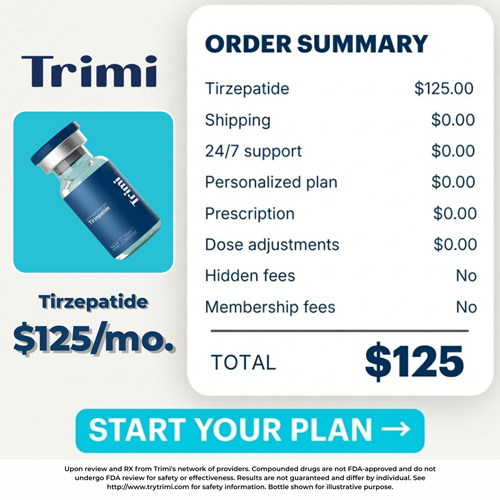
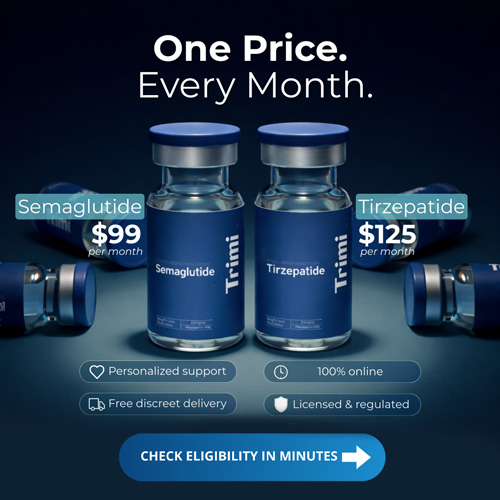
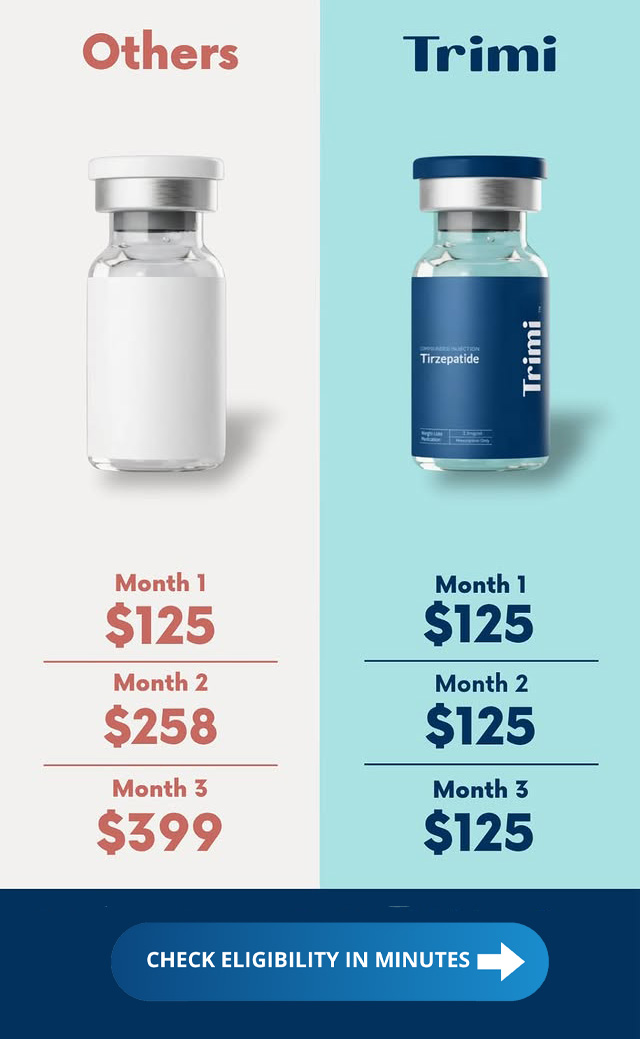
How Much Does GLP-1 Treatment Cost?
The cost of GLP-1 treatment can vary depending on:
- Medication type
- Insurance coverage
- Healthcare provider services
- Pharmacy pricing
- Treatment duration
Some insurance plans may provide coverage for certain medical conditions, while others may have specific requirements.
Patients should check their individual coverage options and discuss pricing with their healthcare provider.
Tips for Increasing Your Chances of Successful GLP-1 Treatment
Qualification is only the first step. Long-term success often depends on creating healthy habits alongside treatment.
Helpful strategies include:
Follow Your Provider’s Guidance
- Work closely with your healthcare provider and follow recommended instructions for medication use, follow-up visits, and lifestyle adjustments to support safe and effective treatment progress.
Maintain a Balanced Nutrition Plan
- Focus on nutrient-rich foods, adequate protein intake, and balanced meals to complement GLP-1 treatment and support healthy weight management goals over time.
Stay Physically Active
- Regular physical activity, including strength training and daily movement, can help support muscle health, energy levels, and overall wellness while using GLP-1 treatment.
Monitor Your Progress Regularly
- Tracking changes in weight, appetite, eating habits, and overall health can help you and your provider understand how your body responds to treatment.
Stay Consistent With Treatment
- Following your prescribed treatment schedule and maintaining healthy daily routines can help support better results and improve long-term adherence.
Prioritize Proper Hydration
- Drinking enough water throughout the day can support digestion, energy levels, and overall wellness while your body adjusts to GLP-1 treatment.
Set Realistic Health Goals
- Creating achievable goals and focusing on gradual progress can help build sustainable habits and support long-term success with GLP-1 treatment.
Communicate With Your Healthcare Provider
- Sharing concerns, side effects, or changes in your health allows your provider to make adjustments and provide the best possible treatment support.
Conclusion
Qualifying for GLP-1 treatment depends on several important factors, including BMI, medical history, existing health conditions, lifestyle habits, and personal wellness goals.
A healthcare provider evaluates your overall health profile to determine whether GLP-1 treatment may be a suitable option for your needs.
For eligible individuals, GLP-1 medications may provide valuable support for appetite control, weight management, and metabolic health when combined with healthy lifestyle choices.
Following professional guidance, maintaining balanced nutrition, staying active, and attending regular check-ins can help improve the overall treatment experience.
Understanding the qualification process is the first step toward exploring whether GLP-1 treatment aligns with your health goals.
Consulting with a qualified healthcare professional can help you make an informed decision and create a personalized approach that supports long-term wellness.
.
.
.