Best GLP-1 For Weight Loss Over The Counter
Explore the Best GLP-1 for weight loss over the counter, including natural alternatives, how they work, safety tips, and options for healthy weight management.
Weight loss has become one of the most discussed health goals worldwide, and GLP-1 medications have gained significant attention because of their ability to support appetite control, blood sugar regulation, and weight management.
Medications that work through GLP-1 pathways have changed the way many people approach weight loss by targeting biological signals involved in hunger, fullness, and metabolism.
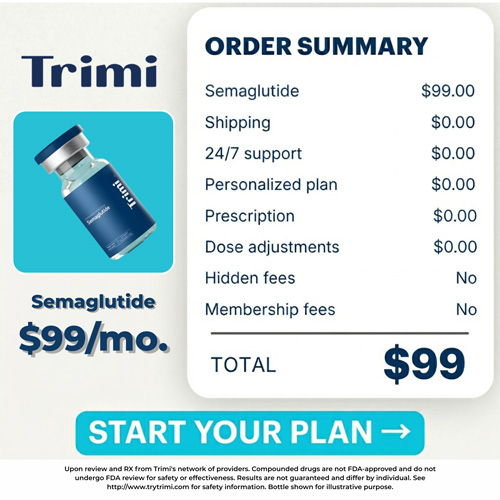
As interest continues to grow, many people search for the best over-the-counter GLP-1 for weight loss because they want an affordable, convenient, and easily accessible option without a prescription.
This has created confusion because many products are marketed as “GLP-1 alternatives” or “natural GLP-1 boosters,” while true GLP-1 medications are generally prescription treatments that require medical guidance.
Understanding the difference between prescription GLP-1 medications and over-the-counter products is important before making any decision.
A successful weight loss approach involves more than simply finding a product.
It requires understanding how GLP-1 works, evaluating available choices, considering safety, and selecting an option that fits individual health needs and lifestyle goals.
What Is GLP-1 and How Does It Support Weight Loss?
GLP-1 stands for glucagon-like peptide-1, which is a naturally occurring hormone produced in the digestive system. It plays an important role in regulating appetite, digestion, and blood sugar levels after eating.
When food enters the digestive tract, the body releases GLP-1 to help coordinate the various systems involved in energy balance.
One of its major functions is sending signals to the brain that promote feelings of fullness and satisfaction after meals.
GLP-1 also affects how quickly food leaves the stomach. Slowing stomach emptying can help people feel full for longer, which may reduce frequent hunger and unnecessary snacking.
In addition, GLP-1 helps regulate blood glucose by promoting insulin secretion when blood sugar rises after eating. This makes it an important hormone involved in metabolic health.
Prescription GLP-1 medications are designed to mimic or enhance the effects of natural GLP-1 in the body. These treatments can produce stronger, longer-lasting effects than naturally produced GLP-1.
Common prescription GLP-1 medications used for weight management include treatments containing semaglutide or tirzepatide.
These medications are prescribed by qualified healthcare providers after reviewing a person’s health history, weight goals, and medical needs.
Is There an Over-the-Counter GLP-1 for Weight Loss?
Many people searching for the best over-the-counter GLP-1 for weight loss expect to find a medication similar to prescription GLP-1 treatments that is available without medical approval. However, true GLP-1 receptor agonist medications are not available over the counter.
Prescription GLP-1 medications require medical supervision because they can affect appetite, digestion, blood sugar levels, and other areas of health.
Healthcare providers evaluate whether these treatments are appropriate based on factors such as body mass index (BMI), existing medical conditions, medications, and overall health status.
Over-the-counter products marketed around GLP-1 weight loss usually fall into a different category. These products may include ingredients or lifestyle approaches designed to support:
- Healthy appetite management
- Balanced nutrition
- Blood sugar stability
- Digestive wellness
- Healthy metabolism
However, they do not contain prescription-strength GLP-1 medication and should not be considered direct replacements.
The term “GLP-1 booster” is often used in marketing to describe products that claim to support the body’s natural production or activity of GLP-1.
These products may work through dietary support, fiber intake, protein consumption, or other nutritional strategies rather than directly activating GLP-1 receptors, as prescription medications do.
Why Are People Searching for Over-the-Counter GLP-1 Options?
The growing interest in OTC GLP-1 options comes from several factors. Prescription GLP-1 medications have received significant attention due to their weight management benefits, but access can sometimes be challenging.
Some people explore non-prescription alternatives because of:
Cost Concerns
Prescription weight loss medications can be expensive, especially when insurance coverage is limited or unavailable. Monthly costs may vary depending on medication type, insurance benefits, and healthcare provider fees.
Because of these expenses, many individuals look for more affordable approaches that fit their budget.
Accessibility
Prescription treatments require consultation with a healthcare professional. Some people prefer options that are easier to purchase and incorporate into their daily routine.
Interest in Natural Approaches
Many individuals prefer supporting weight management through nutrition, lifestyle changes, and natural wellness strategies before considering prescription medications.
Desire for Long-Term Lifestyle Support
Weight management is a long-term process. Some people prefer approaches focused on improving eating habits, physical activity, sleep quality, and overall wellness rather than relying only on medication.
While OTC approaches may provide supportive benefits, it is important to understand their limitations and expectations.
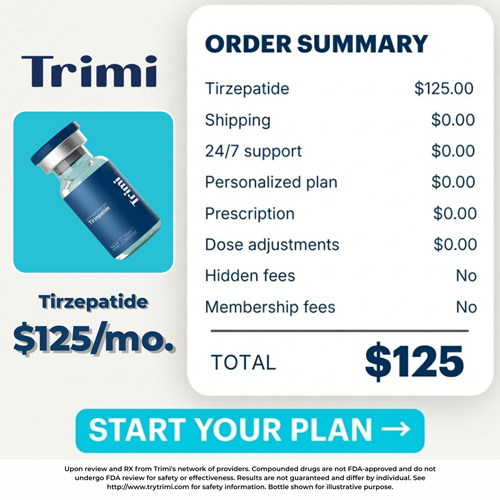
Prescription GLP-1 Medications vs Over-the-Counter Alternatives
Understanding the difference between prescription GLP-1 treatments and OTC options can help people make better decisions.
| Feature | Prescription GLP-1 Medications | Over-the-Counter Options |
| Availability | Requires a healthcare provider prescription | Available without prescription |
| Main Action | Mimics GLP-1 hormone activity | Supports natural health pathways |
| Medical Supervision | Required | Usually not required |
| Weight Loss Effects | Clinically studied for weight management | Results vary |
| Appetite Regulation | Directly targets GLP-1 pathways | May support healthy habits |
| Cost | Often higher | Usually more affordable |
| Personalization | Based on medical evaluation | General wellness approach |
Prescription GLP-1 medications have been studied extensively in clinical research, while OTC products generally focus on nutritional and lifestyle support.
Neither option should be viewed as a quick solution. Sustainable weight management depends on consistent habits, balanced nutrition, regular movement, and appropriate medical guidance when needed.
How GLP-1 Medications Work for Weight Loss
GLP-1 medications support weight loss by influencing several biological processes related to appetite and metabolism.
Helps Control Appetite Signals
- One of the main ways GLP-1 treatments support weight management is by affecting hunger signals in the brain. They may help reduce excessive appetite and make it easier for individuals to follow a calorie-controlled eating pattern.
- Many people using prescription GLP-1 medications report feeling satisfied with smaller portions because hunger signals become easier to manage.
Promotes Feelings of Fullness
- GLP-1 slows the movement of food through the stomach. This process, known as delayed gastric emptying, can help increase feelings of fullness after meals.
- Feeling full longer may reduce frequent eating and support better portion control.
Supports Blood Sugar Regulation
- GLP-1 plays an important role in glucose management. It helps the body release insulin appropriately after meals and supports healthier blood sugar responses.
- Balanced blood sugar levels may also help reduce energy fluctuations and cravings.
Encourages Healthier Eating Patterns
- Because GLP-1 treatments can influence appetite, some individuals find it easier to make healthier food choices and develop improved eating habits.
- However, medication works best when combined with nutritious meals, adequate protein intake, physical activity, and healthy lifestyle practices.
Best Over-the-Counter GLP-1 Alternatives for Weight Loss
Since true GLP-1 medications require a prescription, people looking for the best GLP-1 for weight loss over the counter often explore alternatives that may support the body’s natural appetite and metabolic pathways.
These options do not work in the same way as prescription GLP-1 medications, but some may complement a healthy weight management approach by supporting nutrition, digestion, and daily wellness habits.
High-Protein Nutrition Strategies
Protein is one of the most important nutrients for people focused on weight management. Eating adequate protein can help support fullness, maintain muscle mass, and improve overall dietary balance.
Protein-rich foods may naturally influence hormones involved in appetite regulation, including GLP-1. When combined with a balanced diet, protein can help reduce unnecessary snacking and support better portion control.
Examples of protein-rich foods include:
- Eggs
- Fish
- Lean meats
- Greek yogurt
- Cottage cheese
- Beans and legumes
- Tofu
- Protein-rich dairy products
Adding protein to meals can help create a more satisfying eating experience and support consistent healthy habits.
Fiber-Rich Foods That Support Natural GLP-1 Activity
Dietary fiber plays an important role in digestive health and may support natural hormone responses related to appetite control.
Certain types of fiber, especially soluble fiber, are broken down by gut bacteria into compounds that may influence the release of gut hormones, including GLP-1.
Fiber-rich foods can help:
- Promote fullness after meals
- Support healthy digestion
- Improve meal satisfaction
- Maintain balanced eating patterns
A gradual increase in fiber intake is recommended because adding too much fiber too quickly may cause digestive discomfort for some individuals.
Lifestyle Habits That Support GLP-1 and Weight Management
Although products receive significant attention, daily habits remain one of the most important factors affecting weight management.
Supporting healthy GLP-1 activity naturally involves creating consistent routines.
Regular Physical Activity
Exercise plays an important role in maintaining a healthy metabolism. Both resistance training and aerobic activity can support body composition, energy balance, and overall wellness.
Strength training is especially valuable because maintaining muscle mass can support a healthier metabolic rate.
Examples of beneficial activities include:
- Walking
- Cycling
- Swimming
- Strength exercises
- Yoga
- Resistance training
The best exercise routine is one that can be followed consistently over time.
Quality Sleep
Sleep affects many hormones related to hunger, cravings, and appetite regulation.
Poor sleep quality may increase hunger signals and make healthy eating more challenging.
Improving sleep habits may include:
- Maintaining a consistent bedtime
- Reducing screen exposure before sleep
- Creating a relaxing nighttime routine
- Limiting caffeine late in the day
Adequate sleep supports overall health and may improve weight management efforts.
Stress Management
Chronic stress can influence eating behaviors and increase cravings for high-calorie foods.
Stress management techniques such as meditation, breathing exercises, outdoor activities, and relaxation practices may support healthier habits.
Managing stress is an important part of creating a sustainable weight management routine.
Are Natural GLP-1 Boosters Effective for Weight Loss?
Natural GLP-1 boosters are often marketed as alternatives to prescription GLP-1 medications. However, expectations should remain realistic.
These products generally aim to support the body’s natural processes rather than directly mimic prescription medications.
Their potential benefits may include:
- Supporting appetite awareness
- Encouraging healthier food choices
- Improving dietary consistency
- Supporting digestive wellness
However, results can vary significantly between individuals.
Factors that influence weight loss success include:
- Starting weight
- Nutrition habits
- Physical activity levels
- Sleep quality
- Metabolic health
- Consistency over time
A product alone is unlikely to create significant weight changes without healthy lifestyle habits.
Factors to Consider When Choosing a Weight Loss Approach
Finding the right weight management strategy depends on individual needs.
Personal Weight Loss Goals
- Someone looking for general wellness support may choose different options compared with someone managing obesity or weight-related health conditions.
Budget and Accessibility
- Cost and availability can influence which options are realistic for long-term use.
Lifestyle Compatibility
- The best approach is one that fits naturally into daily routines.
A sustainable plan should include:
- Balanced meals
- Regular movement
- Healthy sleep habits
- Stress management
- Consistent progress tracking
How to Choose the Best GLP-1 Weight Loss Option
Choosing the right GLP-1 weight loss approach depends on individual health goals, lifestyle preferences, and medical needs.
With the growing popularity of GLP-1 treatments, many people search for the best over-the-counter GLP-1 for weight loss, but it is important to understand that the ideal option is not the same for everyone.
The first step is understanding whether a person needs medical treatment or general wellness support. Prescription GLP-1 medications are designed for individuals who meet specific health requirements and need a clinically studied approach for weight management.
These treatments require evaluation from a healthcare provider because they influence appetite, digestion, and metabolic processes.
For individuals who are not seeking prescription treatment, over-the-counter options may focus on supporting healthy habits that naturally improve weight management.
These approaches typically work best when combined with balanced nutrition, regular activity, and lifestyle improvements.
Another important factor is setting realistic expectations. Weight loss is a gradual process influenced by many factors, including genetics, eating habits, activity level, sleep quality, stress, and overall health.
Common Mistakes People Make When Looking for OTC GLP-1 Weight Loss Options
Many people searching for over-the-counter alternatives may encounter misleading claims, unrealistic promises, or products that do not match their expectations.
One common mistake is assuming that every product labeled as a “GLP-1 booster” works the same way as prescription GLP-1 medications.
Prescription treatments are specifically designed to activate GLP-1 pathways in the body, while OTC products generally focus on nutritional support or lifestyle-related benefits.
Another mistake is expecting fast results without making changes to daily habits. Weight management requires a combination of healthy eating, physical activity, proper sleep, and consistency.
Some individuals also overlook product quality. Before choosing any OTC weight management product, it is important to understand the ingredients, research the manufacturer, and avoid products that make exaggerated claims.
Ignoring personal health conditions is another potential concern. A product that works well for one person may not be suitable for another.
People with existing health conditions or those taking medications should consider speaking with a healthcare professional before starting any new weight-loss approach.
Who Should Consider GLP-1 Weight Loss Treatment?
GLP-1 weight-loss treatment may be considered for individuals who need additional support in managing weight and have difficulty reaching their goals through lifestyle changes alone.
Healthcare providers typically evaluate factors such as body weight, body mass index, medical history, metabolic health, and weight-related conditions before recommending prescription GLP-1 medications.
People who may benefit from discussing GLP-1 treatment with a healthcare provider include those struggling with obesity, individuals with weight-related health concerns, and people who have experienced challenges maintaining weight loss through traditional methods.
However, GLP-1 medications are not suitable for everyone. A healthcare professional can determine whether these treatments are appropriate based on a person’s health profile and goals.
For individuals who do not require prescription medication, focusing on nutrition, exercise, sleep, and natural appetite-supporting strategies may provide a strong foundation for improving overall wellness.
The Role of Diet and Nutrition While Supporting GLP-1 Pathways
Nutrition plays a major role in weight management, whether someone uses prescription GLP-1 medication or focuses on natural approaches.
A balanced eating pattern can support healthier appetite regulation and provide the nutrients needed for energy and overall wellness.
Meals that include adequate protein, fiber-rich carbohydrates, healthy fats, and essential nutrients can help promote fullness and reduce the tendency to overeat.
Protein is especially important because it helps maintain muscle mass during weight loss. Maintaining muscle supports strength, mobility, and healthy metabolism.
Fiber-rich foods can also help improve appetite control by slowing digestion and promoting feelings of fullness. Vegetables, fruits, legumes, and whole grains are excellent sources of dietary fiber.
Hydration is another important part of weight management. Drinking enough water supports digestion, energy levels, and overall body function.
Rather than focusing on extreme diets, a sustainable nutrition approach should encourage balanced meals and long-term healthy habits.
Future of GLP-1 Weight Loss Solutions
The interest in GLP-1-based weight management continues to grow as researchers learn more about metabolism, appetite regulation, and personalized healthcare.
Future developments may focus on improving accessibility, creating more convenient treatment options, and understanding how GLP-1 pathways interact with different aspects of health.
As demand increases, consumers will likely continue to see more products marketed for GLP-1 support. This makes education especially important.
Understanding what GLP-1 treatments actually do and how different options compare can help individuals make safer and more informed decisions.
The future of weight management is expected to involve a combination of medical innovation, personalized approaches, nutrition, and lifestyle improvements rather than relying on a single solution.
Conclusion
The search for the best GLP-1 for weight loss over the counter has increased as more people look for convenient and affordable ways to support their weight management goals.
However, it is important to understand that true GLP-1 medications are prescription treatments that require guidance from a qualified healthcare provider.
Over-the-counter options may support natural appetite control, healthy digestion, and metabolic wellness, but they are not direct replacements for prescription GLP-1 medications.
The most effective weight management approach combines informed choices with healthy lifestyle habits. A balanced diet with adequate protein and fiber, regular physical activity, quality sleep, and consistent daily routines can all contribute to better long-term results.
For individuals who need medical weight loss support, discussing GLP-1 treatment options with a healthcare professional can help determine the most suitable approach.
For those interested in natural support, focusing on evidence-based nutrition and wellness strategies is a practical starting point.
.
