Bupropion for Weight Loss 2026: Does It Work? What to Expect
Bupropion for Weight Loss (✨WEIGHT MANAGEMENT SUPPORT!) Helps promote appetite control, healthy habits, and balanced weight goals with proper guidance.

Bupropion for weight loss has gained attention as an option that may support individuals who are working toward healthier weight management goals.
Originally developed as a medication for specific health purposes, bupropion has also been studied for its potential role in supporting changes in appetite, cravings, motivation, and lifestyle.
Weight loss involves multiple factors, including eating habits, physical activity, metabolism, sleep patterns, and behavioral routines.
Bupropion is one such option that has been researched for its potential influence on brain pathways involved in appetite regulation and reward-related behaviors.
The interest in bupropion for weight loss stems from its effects on neurotransmitters such as dopamine and norepinephrine, which play important roles in mood, energy, motivation, and eating behaviors.
Understanding how bupropion works, its potential benefits, and its role in a comprehensive weight management approach can help individuals make informed decisions with healthcare guidance.
What is Bupropion?
Bupropion is a prescription medication that affects neurotransmitters in the brain involved in mood regulation, motivation, and behavior.
It belongs to a class of medications known as norepinephrine-dopamine reuptake inhibitors (NDRIs), meaning it works by helping maintain balanced levels of certain neurotransmitters.
Unlike many medications that directly affect appetite through digestive processes, bupropion works primarily through neurological pathways.
These pathways are associated with feelings of reward, motivation, and focus, as well as behavioral patterns.
Because eating behavior is influenced by both physical hunger and psychological factors, researchers have explored how medications affecting brain chemistry may contribute to healthier weight management outcomes.
Bupropion has been studied independently and also in combination with another medication called naltrexone.
The combination approach has received attention for its potential to support weight management by targeting appetite-related signals and food cravings.
However, bupropion alone may also be considered in certain situations when healthcare professionals determine that its effects may support an individual’s overall wellness goals.
How Does Bupropion Work for Weight Loss?
Bupropion for weight loss is primarily associated with its influence on brain signaling pathways that affect appetite, motivation, and eating behaviors.
Supporting Appetite Regulation
One of the key areas of interest with bupropion is its potential effect on appetite control. The medication interacts with neurotransmitters that are involved in hunger signals and reward responses.
Cravings, emotional triggers, and the desire for rewarding foods influence many eating behaviors. By supporting balanced neurotransmitter activity, bupropion may help some individuals develop improved control over food choices.
Promoting Healthy Eating Behaviors
Weight management often requires long-term behavioral changes. Motivation, discipline, and consistency can play important roles in achieving sustainable results.
Bupropion’s effect on dopamine pathways has been studied because dopamine is associated with motivation and reward. Supporting these pathways may help individuals feel more engaged with positive lifestyle changes.
This may include:
- Maintaining healthier meal patterns
- Reducing impulsive eating habits
- Staying committed to wellness routines
- Improving motivation for physical activity
By promoting behavioral consistency, bupropion may complement other weight-management strategies.
Supporting Energy and Motivation
A common challenge during weight management is maintaining motivation over time. Changes in eating habits and activity levels require commitment, and some individuals struggle to stay consistent.
Bupropion’s influence on norepinephrine and dopamine pathways may support mental energy, focus, and motivation. These effects can be valuable for individuals working toward healthier daily routines.
Improved motivation may encourage:
- More regular exercise participation
- Better meal planning
- Increased daily activity
- Greater consistency with wellness goals
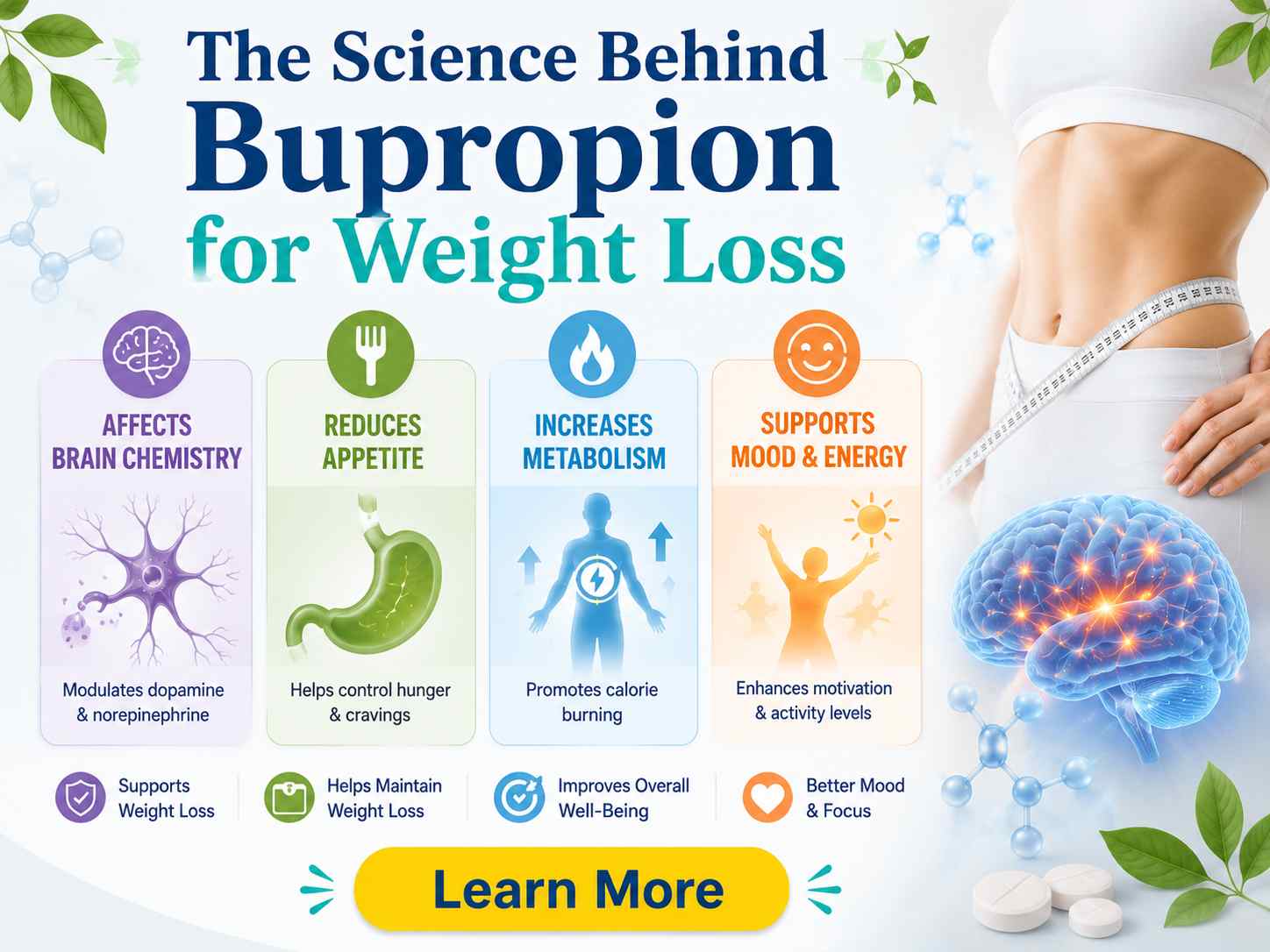
The Connection Between Bupropion and Appetite Control
A complex interaction between the brain, hormones, emotions, and environmental factors controls appetite. Hunger is not only a physical response but also a result of habits, stress, cravings, and reward signals.
Bupropion has been researched for its potential ability to influence these reward-related pathways. By affecting neurotransmitter activity, it may help reduce certain patterns associated with overeating or frequent cravings.
For some individuals, weight challenges are connected with difficulty controlling food-related impulses. Supporting the brain’s reward system may help create a better balance between immediate cravings and long-term health and wellness goals.
This is one reason researchers have explored bupropion as part of weight management approaches.
Benefits of Bupropion for Weight Loss
Bupropion may offer several potential benefits when used as part of a medically supervised weight management approach.
Helps Support Appetite Awareness
Bupropion may help some individuals become more aware of hunger patterns and eating behaviors. This awareness can support better decision-making around food choices.
Supports Reduced Food Cravings
Food cravings can be one of the biggest challenges during weight management. Certain foods, especially those high in sugar or calories, may trigger strong reward responses.
Encourages Lifestyle Consistency
Successful weight management usually depends on consistent daily actions rather than short-term changes.
Bupropion may support the motivation needed to maintain healthy routines, including:
- Balanced nutrition choices
- Regular movement
- Better daily structure
- Positive lifestyle habits
Consistency is an important factor in achieving long-term wellness improvements.
May Support Positive Mood Balance
Emotional wellness and weight management are closely connected. Mood changes, stress, and emotional eating can influence eating behaviors.
Bupropion and the Role of Brain Chemistry
The relationship between the brain and weight regulation is increasingly recognized as an important part of understanding weight management.
The brain controls many processes related to:
- Hunger signals
- Food preferences
- Reward responses
- Motivation
- Habit formation
Neurotransmitters such as dopamine and norepinephrine contribute to these processes. When these pathways are supported, individuals may experience improvements in motivation, focus, and behavioral control.
Bupropion’s unique mechanism sets it apart from approaches that focus solely on calorie intake or metabolism. Instead, it works through neurological pathways connected with behavior and appetite regulation.
This highlights the importance of considering both physical and behavioral factors when developing a complete weight management strategy.
Bupropion Compared With Appetite-Focused Approaches
Many weight management options focus on appetite regulation. Some approaches work through hormones involved in hunger and fullness, while others influence brain signaling related to food preferences.
Bupropion’s approach is different because it primarily affects neurotransmitters involved in motivation and reward pathways.
This may be beneficial for individuals who experience challenges such as:
- Frequent food cravings
- Reward-driven eating patterns
- Difficulty maintaining motivation
- Emotional eating tendencies
By addressing the behavioral aspects of eating habits, bupropion may help individuals achieve greater consistency in their weight management routines.
The Role of Bupropion in a Complete Weight Management Plan
Successful weight management often requires a combination of strategies rather than relying on one single method.
A comprehensive plan may include:
Balanced Nutrition
Healthy eating patterns provide the foundation for weight goals. A balanced approach typically focuses on:
- Adequate protein intake
- Fiber-rich foods
- Fruits and vegetables
- Healthy sources of fats
- Proper hydration
Nutrition choices provide the body with essential nutrients while supporting energy levels throughout the day.
Regular Physical Activity
Movement supports overall health and plays an important role in maintaining body composition.
Physical activity may include:
- Walking
- Strength training
- Cardio exercises
- Recreational activities
- Daily movement habits
Exercise can support metabolism, energy, mood, and overall wellness.
Behavioral Support
Long-term success often depends on developing sustainable habits. Behavioral strategies may include:
- Setting realistic goals
- Tracking progress
- Creating structured routines
- Identifying eating triggers
- Building positive habits
Bupropion may support this area by helping some individuals maintain motivation and consistency.
Factors That Influence Weight Loss With Bupropion
Individual results with bupropion for weight loss can vary depending on multiple factors. Genetics, lifestyle patterns, activity levels, nutrition habits, and overall health influence weight management.
- Consistency With Healthy Habits: Using bupropion alongside consistent lifestyle habits may support better weight management outcomes. Regular attention to nutrition and activity creates a stronger foundation for progress.
- Individual Response: Every person responds differently to medications. Some individuals may experience noticeable changes in appetite or motivation, while others may experience different effects.
- Long-Term Commitment: Weight management is generally a gradual process. Sustainable progress often comes from maintaining healthy behaviors over time.
How Bupropion Supports Craving Management
Cravings are a common challenge during weight management. They can be influenced by habits, emotions, environmental cues, and the brain’s reward system.
Bupropion’s effect on dopamine pathways is one reason it has been studied in relation to eating behaviors.
Dopamine plays a role in motivation and reward. Supporting balanced dopamine activity may help some individuals approach food choices with greater control and awareness.
This may contribute to:
- Better management of high-calorie cravings
- Improved focus on wellness goals
- More consistent food decisions
- Reduced reliance on impulsive eating patterns
Craving management can be an important part of creating sustainable lifestyle changes.
The Science Behind Bupropion and Weight Support
Scientific interest in bupropion for weight loss comes from its influence on neurotransmitter systems involved in behavior and appetite regulation.
The medication affects norepinephrine and dopamine activity, which are chemical messengers responsible for communication between nerve cells.
These pathways are connected with:
- Motivation
- Reward processing
- Focus
- Behavioral responses
Because these same systems influence eating behaviors, researchers have investigated how supporting neurotransmitter balance may contribute to healthier weight-related behaviors.
This approach recognizes that weight management involves more than physical factors. Psychological and neurological factors can also play significant roles in eating patterns and lifestyle consistency.
Who May Consider Bupropion for Weight Loss?
Bupropion may be considered by individuals who are seeking additional support for weight management and who have discussed their options with a qualified healthcare provider.
It may be explored by people who want support with:
- Appetite awareness
- Craving management
- Motivation
- Healthy lifestyle consistency
A healthcare professional can evaluate individual goals, health history, and personal needs to determine whether bupropion is an appropriate option.
Supporting Healthy Nutrition Habits
Nutrition is one of the most important components of weight management. A balanced approach focuses on providing the body with essential nutrients while supporting healthy energy levels.
Helpful nutrition habits may include:
Choosing Protein-Rich Foods
Protein supports muscle health, energy, and feelings of fullness. Including protein sources in meals may help create more satisfying eating patterns.
Examples include:
- Eggs
- Fish
- Poultry
- Legumes
- Greek yogurt
- Plant-based protein sources
Increasing Fiber Intake
Fiber-rich foods can support digestive wellness and help promote feelings of fullness.
Common sources include:
- Vegetables
- Fruits
- Beans
- Whole grains
- Nuts and seeds
A fiber-focused eating pattern can support balanced nutrition and help individuals make healthier meal choices.
Practicing Mindful Eating
Mindful eating encourages awareness of hunger signals, food choices, and eating patterns.
This approach may help individuals:
- Recognize physical hunger
- Reduce distracted eating
- Enjoy meals more intentionally
- Develop healthier relationships with food
Combining mindful eating habits with weight management support can encourage long-term positive changes.

The Importance of Physical Activity During Weight Management
Physical activity supports overall health and is an important part of maintaining a healthy body.
Exercise provides benefits beyond calorie expenditure, including:
- Supporting muscle strength
- Improving energy levels
- Enhancing mood
- Promoting cardiovascular wellness
- Encouraging healthy routines
Different forms of activity can be included based on personal preferences and fitness levels.
Examples include:
- Walking
- Cycling
- Swimming
- Resistance training
- Yoga
- Recreational sports
The most effective activity routine is often one that can be maintained consistently over time.
Bupropion and Motivation Support
One of the unique areas of interest surrounding bupropion is its relationship with motivation-related pathways.
Motivation can influence many aspects of weight management, including:
- Making healthier food choices
- Staying active
- Following routines
- Maintaining progress
Bupropion affects neurotransmitters involved in reward and motivation, which may help some individuals feel more engaged with positive lifestyle changes.
This support may be especially valuable for people who experience difficulty maintaining consistency during their weight management journey.
Expected Weight Management Progress With Bupropion
Weight changes with bupropion can vary from person to person. Factors such as lifestyle habits, individual response, nutrition patterns, and physical activity levels can influence outcomes.
Some individuals may notice gradual changes as they incorporate bupropion into their healthy routines.
Progress may involve improvements in areas such as:
- Better appetite awareness
- Improved control over cravings
- Increased motivation
- More consistent lifestyle habits
A gradual approach often supports sustainable results because it allows individuals to build habits that can continue over time.
Why Sustainable Weight Management Matters
Healthy weight management is not only about reaching a specific number on the scale. It also involves creating habits that support overall wellness.
Sustainable approaches focus on:
- Balanced eating patterns
- Regular movement
- Positive mindset
- Consistent routines
- Long-term health goals
Short-term changes may provide temporary results, while sustainable habits help support lasting improvements.
Bupropion may serve as a supportive tool within this broader approach by helping address some behavioral factors related to eating and motivation.
Lifestyle Factors That Enhance Weight Management
Bupropion works best when combined with supportive lifestyle choices. Several everyday habits may help improve overall wellness.
Meal Planning
Planning meals can reduce impulsive food choices and make healthy eating more convenient.
Benefits of meal planning include:
- Better portion awareness
- More balanced meals
- Reduced reliance on processed foods
- Improved consistency
Stress Management
Stress can influence eating behaviors and daily choices. Developing healthy ways to manage stress may support better weight management.
Helpful practices may include:
- Meditation
- Breathing exercises
- Outdoor activities
- Relaxation routines
- Hobbies
Building Healthy Habits Gradually
Small, consistent improvements often create stronger long-term results than extreme changes.
Examples include:
- Adding more vegetables to meals
- Increasing daily steps
- Drinking more water
- Improving sleep routines
Gradual progress helps create habits that are easier to maintain.
The Relationship Between Weight, Mood, and Wellness
Weight management is closely connected with emotional wellness. Mood, motivation, and stress levels can influence eating behaviors and lifestyle choices.
Because bupropion affects neurotransmitters involved in mood and motivation, it has been studied as a medication that may provide support beyond appetite-related factors.
A balanced approach recognizes the connection between:
- Mental wellness
- Physical health
- Lifestyle habits
- Daily behaviors
Supporting all these areas may contribute to a more comprehensive weight-management experience.
The Importance of Medical Guidance
Bupropion is a prescription medication, which means it should be used under the guidance of a healthcare professional. A qualified healthcare provider can review personal health information, discuss goals, and determine the most appropriate approach.
Professional guidance may include:
- Reviewing health history
- Discussing weight management goals
- Understanding medication suitability
- Monitoring progress over time
- Adjusting the approach when needed
This personalized support helps ensure that weight management strategies are aligned with individual wellness needs.
Why Bupropion Is Considered a Unique Weight Management Option
Bupropion stands out because it targets neurological pathways linked to behavior and motivation rather than only physical appetite signals.
Many weight management challenges involve more than hunger. They may include:
- Food cravings
- Emotional eating patterns
- Difficulty staying motivated
- Challenges maintaining routines
By supporting neurotransmitter activity related to motivation and reward, bupropion may help some individuals address these behavioral aspects.
This makes it an option that may complement broader weight management strategies.
The Future of Bupropion in Weight Management
Research continues to explore the relationship between brain chemistry, appetite regulation, and weight management.
As scientists learn more about the connection between neurological pathways and eating behaviors, approaches that address both physical and behavioral factors may become increasingly important.
Bupropion represents one example of how modern weight management research is expanding beyond traditional approaches.
The focus is shifting toward personalized strategies that consider individual differences and provide targeted support.

Final Thoughts
Bupropion for weight loss has gained attention because of its potential role in supporting appetite awareness, motivation, and healthier behavioral patterns.
By influencing neurotransmitters involved in reward and motivation pathways, bupropion may provide support for individuals working toward their weight management goals.
A successful weight journey involves more than medication alone. Balanced nutrition, regular movement, healthy routines, and a positive mindset all play important roles in creating lasting improvements.
When combined with professional guidance and sustainable lifestyle choices, bupropion may serve as a supportive tool for individuals seeking additional assistance with their weight management efforts.
Bupropion for weight loss represents a unique approach that focuses on the connection between brain signaling, behavior, and healthy lifestyle changes.
With a personalized strategy, individuals can work toward improved wellness, better habits, and long-term weight management success.
