GLP-1 Companion: Benefits, Apps, Nutrition & Tips
GLP-1 medications have changed how many people approach weight management. By helping regulate appetite, increase feelings of fullness, and support blood sugar control, these medications can make managing food intake easier.
Yet successful weight management involves more than taking a weekly injection or following a prescription. This is where a GLP-1 companion can become a valuable part of the journey.
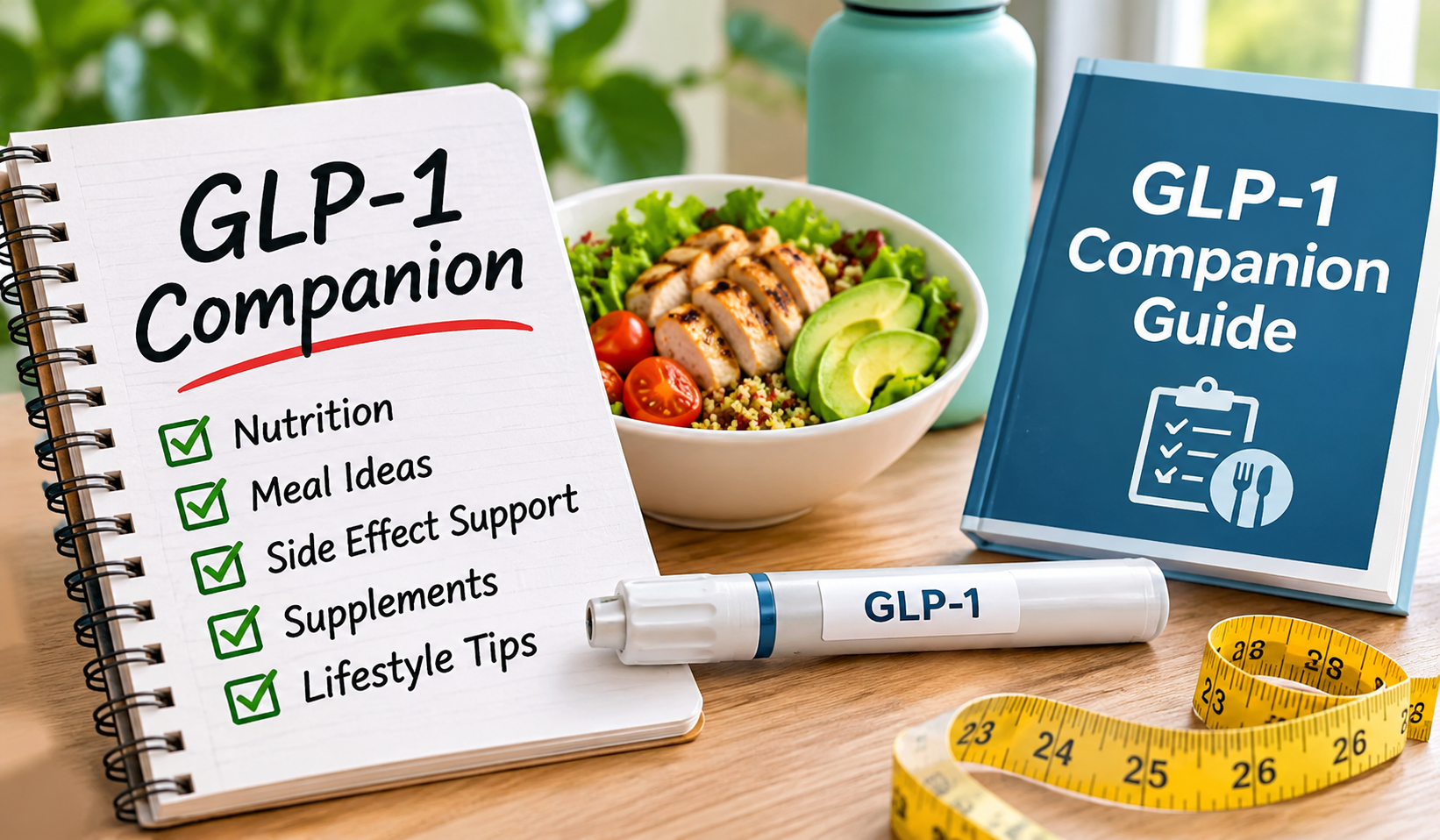
A GLP-1 companion is a tool, app, nutritional support product, or structured wellness program designed to help people navigate everyday life while using GLP-1 medications.
It may help with meal planning, hydration, protein intake, exercise, medication reminders, side-effect tracking, and building sustainable lifestyle habits.
For individuals using medications such as Wegovy, Ozempic, Zepbound, or Mounjaro, the right support system can make it easier to stay organized and maintain healthy routines.
In this comprehensive guide, we’ll explore what a GLP-1 companion is, how it works, its potential benefits, essential features, nutritional considerations, and how to choose an option that supports your personal health goals.
 GLP-1 Starting at $59 Per Month – 100% Online
What Is a GLP-1 Companion?
A GLP-1 companion is a supportive health and wellness resource designed for individuals using glucagon-like peptide-1 (GLP-1) medications or related treatments for weight management and metabolic health.
Unlike prescription medications, a companion does not directly produce the medication’s appetite-regulating effects. Instead, it helps users manage the practical challenges associated with treatment.
GLP-1 companions are available in several forms, including smartphone applications, nutritional support programs, dietary supplements, digital coaching services, and personalized wellness platforms.
For example, a digital companion might track meals, monitor protein consumption, record medication schedules, and provide reminders to drink water throughout the day.
A nutritional companion might focus on helping users meet their protein, fiber, vitamin, and mineral needs despite eating smaller meals.
Some programs combine these features with exercise guidance, behavioral coaching, and progress monitoring.
The primary purpose is to support consistent healthy habits throughout the GLP-1 journey.
Rather than focusing exclusively on the number displayed on a scale, a comprehensive companion encourages attention to nutrition, physical strength, hydration, daily activity, and overall well-being.
How Does a GLP-1 Companion Work?
A GLP-1 companion works by providing practical guidance, organization, and monitoring tools that complement a clinician-supervised medication plan.
GLP-1 medications influence appetite regulation and slow gastric emptying, helping many users feel satisfied with smaller portions.
As food intake decreases, some individuals may find it more difficult to consume adequate protein, fluids, and essential nutrients.
A companion helps address these everyday challenges by making healthy routines easier to follow.
Personalized nutrition tracking
Many GLP-1 companion applications allow users to log their meals and monitor nutritional intake.
Instead of concentrating only on calories, these platforms may emphasize protein, fiber, hydration, and balanced food choices.
Medication schedule reminders
Certain companions provide medication reminders and injection tracking to help users follow the schedule prescribed by their healthcare professional.
These tools are especially useful for individuals managing weekly medication routines.
Symptom monitoring
Users may record nausea, constipation, bloating, fatigue, or other symptoms.
A symptom history can help patients communicate more clearly with their healthcare providers.
Activity and strength support
Some programs include walking goals, resistance-training guidance, and movement reminders.
These features encourage users to remain physically active as their body weight changes.
Long-term habit development
A good companion also promotes consistent sleep, mindful eating, stress management, and realistic weight-management goals.
Together, these features create a more organized approach to navigating GLP-1 treatment.
GLP-1 Starting at $59 Per Month – 100% Online
Why Is a GLP-1 Companion Important for Weight Loss?
GLP-1 medications can make appetite management easier, but medication alone does not automatically establish balanced nutrition, regular exercise, or lasting behavioral changes.
A companion provides structure around these important habits.
One of the biggest challenges during GLP-1 treatment is adjusting to reduced hunger.
Some people naturally begin eating smaller meals or occasionally forget to eat because their appetite has decreased significantly.
While reduced calorie intake contributes to weight loss, consistently missing important nutrients can affect energy, physical performance, and overall nutritional health.
A GLP-1 companion can encourage regular eating patterns and help users prioritize nutrient-dense foods.
Another consideration is muscle preservation.
Weight loss can involve reductions in both body fat and lean tissue. Adequate protein intake and resistance training can help limit muscle loss, although they cannot guarantee that all lost weight will come from fat.
A companion that includes strength exercises and nutrition tracking may help users focus on maintaining functional strength.
There is also the psychological aspect of weight management.
Visible progress can be encouraging, but weight fluctuations and temporary plateaus are common.
Tracking energy, walking endurance, strength, sleep, and other non-scale achievements provides a broader perspective on progress.
Key Features to Look for in the Best GLP-1 Companion
Not every GLP-1 companion offers the same tools. Choosing the right option depends on individual needs, comfort with technology, and specific treatment goals.
Some of the most useful features include:
Nutrition and protein tracking
Helps monitor daily meals, protein intake, dietary fiber, and overall nutritional balance.
Hydration reminders
Encourages regular fluid intake, which is particularly useful when appetite or thirst cues change.
Medication tracking
Records scheduled medication days and helps users maintain their prescribed treatment routine.
Side-effect monitoring
Allows users to record digestive symptoms, fatigue, appetite changes, and concerns to discuss with a clinician.
Exercise and muscle support
Offers manageable movement plans and strength-training guidance tailored to individual ability.
Progress monitoring
Helps track changes in weight, measurements, physical activity, and other health-related goals.
Other valuable features include educational resources, accessible customer support, transparent pricing, and privacy controls for sensitive health information.
The ideal platform should simplify daily routines rather than make treatment feel unnecessarily complicated.
GLP-1 Starting at $59 Per Month – 100% Online
GLP-1 Companion Nutrition: What Should You Eat?
Nutrition is one of the most important areas where a GLP-1 companion can provide practical assistance.
Because these medications often reduce appetite, prioritizing nutrient-rich foods becomes especially important.
The goal is not simply to eat less. It is to make the food you consume count.
Protein-rich foods
Protein supports muscle maintenance, tissue repair, and normal body functions.
Useful food choices include eggs, fish, chicken, Greek yogurt, cottage cheese, tofu, lentils, and beans.
People who struggle to meet protein needs through meals may benefit from discussing protein supplements with a registered dietitian.
High-fiber foods
Fiber contributes to digestive health and can help maintain regular bowel movements.
Good sources include oatmeal, berries, vegetables, beans, chia seeds, and whole grains.
Fiber intake should increase gradually, particularly for individuals experiencing bloating or digestive discomfort.
Healthy fats
Foods such as avocados, olive oil, nuts, and seeds provide essential fatty acids and support the absorption of fat-soluble vitamins.
Moderate portions may be more comfortable for individuals who experience nausea after eating high-fat meals.
Fruits and vegetables
Colorful produce supplies vitamins, minerals, fiber, and beneficial plant compounds.
Including a variety of fruits and vegetables helps improve nutritional diversity.
Water and other fluids
Hydration is particularly important for people experiencing vomiting, diarrhea, or reduced overall food and fluid intake.
A companion with hydration reminders may help users establish more consistent drinking habits.
Sample GLP-1-friendly meal plan
| Meal | Food options | Nutritional focus |
|---|---|---|
| Breakfast | Greek yogurt, berries, and chia seeds | Protein and fiber |
| Midmorning | Boiled egg and fruit | Protein and micronutrients |
| Lunch | Grilled chicken, quinoa, and vegetables | Balanced nutrition |
| Afternoon | Cottage cheese or hummus | Protein and satisfying snack |
| Dinner | Baked salmon, sweet potato, and spinach | Protein, healthy fats, and fiber |
Portion sizes should reflect individual appetite, nutritional needs, medical conditions, and healthcare guidance.
GLP-1 Companion for Managing Common Side Effects
Digestive symptoms are among the most frequently reported side effects of GLP-1 medications.
Common concerns include nausea, constipation, diarrhea, vomiting, abdominal discomfort, and bloating.
A companion cannot treat these symptoms by itself, but it can help users identify patterns and maintain appropriate self-care habits.
Managing nausea
Smaller meals, slower eating, and avoiding foods that consistently trigger discomfort may improve tolerance.
Some people find bland foods easier to manage when experiencing nausea.
A food and symptom diary can help identify problematic meals.
Preventing dehydration
Vomiting, diarrhea, and reduced fluid intake can contribute to dehydration.
Regular fluid intake is important, and persistent symptoms require medical attention.
Supporting digestive regularity
Adequate hydration, appropriate fiber intake, and light physical activity may help individuals experiencing constipation.
A healthcare professional can recommend additional treatments when necessary.
Monitoring unusual symptoms
A GLP-1 companion can make it easier to record when symptoms occur, how long they last, and whether they interfere with meals or daily activities.
Important: Persistent vomiting, inability to keep fluids down, or severe abdominal pain requires prompt medical assessment. Severe or ongoing abdominal pain, especially when accompanied by vomiting, may indicate a serious complication. Symptoms of a severe allergic reaction require emergency care.
GLP-1 Starting at $59 Per Month – 100% Online
GLP-1 Companion Apps and Support Programs
The growing interest in GLP-1 treatment has encouraged the development of specialized apps and lifestyle-support programs.
These services differ in their features, pricing, and intended users.
Several examples illustrate how GLP-1 companion technology is evolving.
Noom GLP-1 Companion
Offers nutrition guidance, medication support, behavioral coaching, movement resources, and tools focused on preserving muscle during weight management.
MyNetDiary GLP-1 Companion
Includes protein and hydration tracking, meal planning, injection reminders, digestive symptom logging, and progress charts within its Premium offering.
Mayo Clinic Diet Companion Program for GLP-1s
Provides educational resources, at-home exercise plans, food and habit tracking, and community support to encourage sustainable weight management.
These examples demonstrate that a GLP-1 companion can extend beyond a basic calorie counter.
Some programs emphasize food tracking, while others focus on behavioral coaching, exercise, or a combination of services.
When comparing options, consider whether the program provides reliable educational information, appropriately qualified professional support, and adequate privacy protections.
A companion should support communication with your healthcare team rather than replace medical supervision.
GLP-1 Companion Supplements: Are They Necessary?
Some products described as GLP-1 companions are nutritional supplements rather than digital applications.
These products may contain protein, fiber, vitamins, minerals, electrolytes, or other nutrients intended to complement a reduced-calorie eating pattern.
For example, protein powder may be useful for someone who finds it difficult to consume adequate protein through regular meals.
A standard multivitamin might be considered when food variety is consistently low, depending on individual nutritional circumstances.
Fiber supplements may also be appropriate for certain people, although they can worsen digestive symptoms if introduced too quickly.
Importantly, GLP-1 companion supplements are not equivalent to prescription GLP-1 medications.
Products claiming to naturally reproduce the effects of semaglutide or tirzepatide should be evaluated carefully.
No particular supplement is universally required simply because someone takes GLP-1 medication.
Supplements can also interact with medications or be unsuitable for certain medical conditions.
Before adding a supplement, consider whether it addresses a genuine nutritional need and discuss its safety with a healthcare professional.
A food-first approach, supported by individualized nutrition advice, remains a sensible starting point.
GLP-1 Starting at $59 Per Month – 100% Online
How to Choose the Right GLP-1 Companion
The best GLP-1 companion is one that matches your health goals, daily routine, and level of support needed.
Someone primarily interested in remembering injection dates may prefer a simple medication tracker.
Another person struggling to plan balanced meals may benefit more from a comprehensive nutrition application.
People looking for ongoing encouragement may prefer structured coaching or a professionally supported lifestyle program.
Consider the following factors when evaluating your options:
- Ease of use: Choose a platform that is straightforward and convenient to navigate.
- Nutrition support: Look for practical tools that encourage balanced meals and adequate protein.
- Reliable information: Favor services that provide accurate health education and clearly explain their limitations.
- Privacy protection: Review how personal health information is collected, stored, and shared.
- Affordability: Compare free and paid features before committing to a subscription.
- Professional involvement: Determine whether qualified healthcare professionals provide guidance when needed.
- Long-term value: Select features you can realistically continue using over time.
It is also helpful to identify which habits you currently find most challenging.
If hydration is difficult, choose a companion with fluid reminders.
If meal planning is stressful, prioritize nutrition guidance and accessible recipes.
If motivation is inconsistent, coaching and progress-tracking features may offer additional encouragement.
The right companion should fit into your lifestyle without creating unnecessary pressure.
Building a Healthy Routine With Your GLP-1 Companion
A GLP-1 companion becomes most useful when its features are incorporated into everyday habits.
You do not need to track every detail of your life to benefit from structured support.
A manageable routine can make a meaningful difference.
Morning: Start with hydration and nutrition
Begin your day by drinking water and choosing a protein-containing breakfast when tolerated.
Check your companion for scheduled reminders and planned activities.
Midday: Focus on balanced meals
Use meal-planning tools to select foods containing protein, vegetables, fiber-rich carbohydrates, and appropriate amounts of healthy fats.
Pay attention to fullness cues without routinely skipping nutrition.
Afternoon: Include movement
Walking, stretching, or light resistance exercises can support physical fitness and general well-being.
Choose activities appropriate for your health and physical ability.
Evening: Review your progress
Record any notable digestive symptoms, hydration concerns, physical activity, or completed habits.
Avoid judging progress solely by daily changes in body weight.
Weekly: Reflect and adjust
Review trends in energy, meal consistency, activity, and other goals.
Prepare questions for your healthcare provider when symptoms or treatment concerns arise.
This approach encourages sustainable habits without turning every meal or workout into a complicated task.
Final Verdict
A GLP-1 companion can be a useful addition to a comprehensive weight-management plan, particularly for individuals who want more organization, nutritional guidance, and support with healthy daily routines.
GLP-1 medications can influence appetite and blood sugar regulation, but sustainable health improvement also involves balanced meals, physical activity, adequate hydration, sleep, and consistent self-care.
A well-designed companion helps connect these important elements.
Whether you choose a smartphone application, a structured coaching program, or personalized nutritional guidance, the most important consideration is finding an approach that supports your actual needs.
Prioritize tools that encourage adequate nutrition, protect personal health information, and promote realistic expectations.
Most importantly, remember that a GLP-1 companion is designed to complement professional medical care, not replace it.
By combining appropriate medication management with supportive lifestyle habits, individuals can work toward better nutrition, improved physical fitness, and sustainable long-term health.
GLP-1 Starting at $59 Per Month – 100% Online
References
https://www.healthline.com/health/weight-loss/glp1-for-weight-loss
