GLP-1 Qualifications: Who Is Eligible in 2026?
GLP-1 Qualifications include BMI requirements, weight-related health conditions, & medical assessments to determine eligibility.
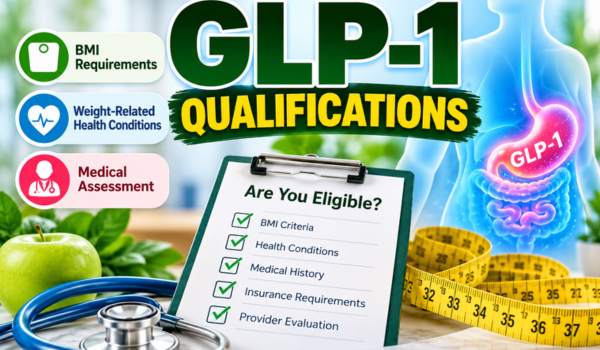

GLP-1 medications have become an important treatment option for adults managing obesity, type 2 diabetes, and certain weight-related health conditions.
However, qualifying for GLP-1 medications involves more than checking body weight. Eligibility depends on body mass index (BMI), medical history, existing health conditions, insurance requirements, and professional clinical assessment.
This comprehensive guide explains who qualifies for GLP-1 medications in 2026, including BMI requirements, qualifying medical conditions, insurance coverage, telehealth assessments, contraindications, and eligibility for adolescents.
Quick Answer: Who Qualifies for GLP-1 Medication?
Adults generally meet the BMI requirements for FDA-approved weight-management medications when they have:
- BMI of 30 or higher: Eligible for consideration based on obesity classification.
- BMI of 27 or higher: Eligible for consideration with at least one qualifying weight-related medical condition.
- Type 2 Diabetes: May qualify for diabetes medications such as Ozempic or Mounjaro without meeting weight-loss BMI thresholds.
- Additional Medical Conditions: Certain cardiovascular, kidney, and sleep apnea diagnoses may support eligibility for specific medications.
Meeting these criteria allows patients to pursue clinical evaluation. Prescription approval depends on medical suitability and the selected medication.
Understanding the Three GLP-1 Qualification Standards
GLP-1 eligibility is generally evaluated through three distinct processes. Each determines a different aspect of treatment access.
| Qualification Standard | Requirements |
|---|---|
| Insurance Criteria | Medical documentation, BMI records, prior authorization. |
| FDA Medical Criteria | Approved medication indications, BMI, qualifying health conditions |
| Telehealth Assessment | Medical history, weight evaluation, and licensed clinician approval |
Insurance companies determine whether treatment qualifies for reimbursement, while healthcare professionals assess medical suitability.
Telehealth providers can conduct evaluations remotely, but they still have clinical and legal prescribing responsibilities.
FDA Medical Eligibility Requirements
The FDA establishes approved indications for prescription medications based on clinical research. GLP-1 medications have different eligibility requirements depending on their intended medical purpose.
| Medication | Approved Treatment Focus | General Qualification |
|---|---|---|
| Wegovy | Weight management and cardiovascular risk reduction | BMI ≥30 or ≥27 with a qualifying condition for adult weight management |
| Zepbound | Weight management and obstructive sleep apnea | BMI ≥30 or ≥27 with a qualifying condition for weight management |
| Ozempic | Type 2 diabetes, cardiovascular and kidney protection | Type 2 diabetes and indication-specific requirements |
| Mounjaro | Type 2 diabetes management | Confirmed type 2 diabetes |
| Saxenda | Chronic weight management | BMI ≥30 or ≥27 with a qualifying condition in adults |
| Victoza | Type 2 diabetes | Diabetes-related prescribing criteria |
| Compounded GLP-1 | Patient-specific compounded preparation | Individual clinical need and applicable legal requirements |
Healthcare professionals review these indications alongside patient health information before recommending treatment.
GLP-1 Qualifications Based on BMI
Body mass index is a screening measurement that compares weight with height. It helps clinicians identify weight categories associated with metabolic health risks.
BMI Formula:
BMI = Weight (kg) ÷ Height (m)²
| BMI Range | Weight Classification | General Eligibility |
|---|---|---|
| Below 25 | Healthy-weight range | Usually outside standard weight-management criteria |
| 25–26.9 | Overweight | Generally below the required threshold |
| 27–29.9 | Overweight | May qualify with a weight-related condition |
| 30 or higher | Obesity | Meets the usual adult BMI requirement |
For example, someone weighing 200 pounds at 5 feet 8 inches has a BMI of approximately 30.4.
BMI is an initial screening tool. Individual medical assessments consider additional factors, including metabolic health, medical history, and suitability for treatment.
Eligibility for Individuals With BMI 30 or Higher
Adults with a BMI of 30 or higher generally satisfy the weight-based eligibility requirement for medications approved for chronic weight management.
A separate weight-related diagnosis is typically unnecessary to meet this initial threshold.
Obesity classifications include:
- Class I: BMI 30–34.9.
- Class II: BMI 35–39.9.
- Class III: BMI 40 or higher.
These categories help healthcare professionals evaluate obesity severity and associated medical considerations.
Although BMI eligibility is established, clinicians still review medication interactions, contraindications, health goals, and the need for ongoing monitoring.
Insurance providers may request additional documentation before approving coverage for prescription medications.
Qualifying Medical Conditions With BMI 27 or Higher
Adults with a BMI between 27 and 29.9 may qualify for certain weight-management medications when they have an associated medical condition.
Common conditions considered during eligibility assessments include:
- Type 2 Diabetes: Elevated blood glucose associated with insulin resistance.
- Hypertension: High blood pressure affecting cardiovascular health.
- Dyslipidemia: Elevated cholesterol or triglyceride levels.
- Obstructive Sleep Apnea: Repeated interruptions in breathing during sleep.
- Cardiovascular Disease: Established heart or blood vessel conditions.
- Prediabetes: Blood glucose above the normal range.
- Polycystic Ovary Syndrome: A hormonal condition sometimes associated with insulin resistance.
- Fatty Liver Disease: Liver fat accumulation associated with metabolic dysfunction.
- Osteoarthritis: Joint conditions potentially influenced by excess body weight.
- Chronic Kidney Disease: Reduced kidney function requiring individualized assessment.
Not every diagnosis independently meets every medication or insurance requirement. A healthcare professional determines whether the condition supports the relevant indication.
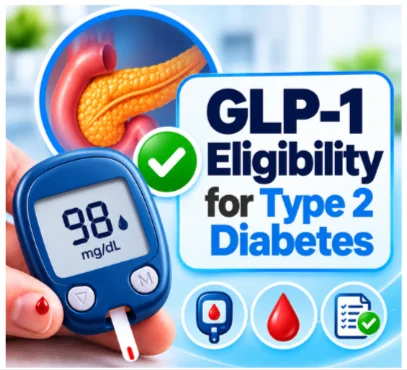
GLP-1 Eligibility for Type 2 Diabetes
Type 2 diabetes provides a separate prescribing pathway for medications such as Ozempic and Mounjaro.
These treatments are approved for improving blood glucose control in eligible patients, so the standard weight-management BMI thresholds do not necessarily apply.
Common diabetes diagnostic measurements include:
| Diagnostic Test | Diabetes Threshold |
|---|---|
| HbA1c | 6.5% or higher |
| Fasting Blood Glucose | 126 mg/dL or higher |
| Random Blood Glucose | 200 mg/dL or higher with classic symptoms |
| Two-Hour Glucose Test | 200 mg/dL or higher |
A diabetes diagnosis generally requires confirmation unless the clinical findings are unequivocal.
Patients with prediabetes may be evaluated for weight-management treatment when other eligibility criteria are satisfied.
Cardiovascular Disease and Wegovy Qualifications
In March 2024, the FDA expanded Wegovy’s approved indications to include reducing major cardiovascular risks in adults with established cardiovascular disease and overweight or obesity.
The SELECT clinical trial supported this approval.
Important trial characteristics included:
- BMI of at least 27.
- Age 45 years or older.
- Established cardiovascular disease.
- No diabetes at enrollment.
The study reported approximately a 20% relative reduction in major adverse cardiovascular events among participants receiving semaglutide.
This indication provides an additional clinical reason to consider Wegovy in appropriate patients with cardiovascular disease.
Actual prescribing eligibility follows the approved medication label rather than every individual trial enrollment requirement.
Chronic Kidney Disease and Ozempic Eligibility
In January 2025, the FDA expanded Ozempic’s indication to include reducing certain kidney and cardiovascular risks in adults with type 2 diabetes and chronic kidney disease.
The FLOW clinical trial provided important evidence supporting this decision.
Healthcare professionals evaluate:
- Confirmed type 2 diabetes.
- Kidney function through eGFR testing.
- Urine albumin levels.
- Cardiovascular health.
- Current medications and medical history.
Patients with diabetes-related chronic kidney disease may benefit from discussing this indication with their healthcare provider.
Treatment selection depends on kidney health, other medications, and individual clinical considerations.
Sleep Apnea Qualifications for Zepbound
In December 2024, the FDA approved Zepbound for moderate-to-severe obstructive sleep apnea in adults with obesity.
The approval followed clinical research showing improvements in sleep apnea severity among patients receiving tirzepatide.
Important eligibility considerations include:
- Adult age of 18 years or older.
- Obesity, generally BMI 30 or higher.
- Diagnosed moderate-to-severe obstructive sleep apnea.
- Appropriate clinical evaluation.
Sleep apnea severity is commonly assessed using the apnea-hypopnea index (AHI).
An AHI of 15 or higher generally indicates moderate-to-severe disease.
Zepbound may be considered alongside appropriate lifestyle measures and individualized sleep apnea management.
GLP-1 Requirements for Adolescents Aged 12 and Older
Certain prescription weight-management medications are approved for adolescents aged 12 years and older who meet pediatric obesity criteria.
Unlike adult BMI calculations, adolescent weight classification uses age- and sex-specific standards.
Wegovy: Approved for adolescents aged 12 and older with obesity based on pediatric BMI criteria.
Saxenda: Approved for eligible adolescents aged 12 and older who meet specified weight and obesity requirements.
Pediatric treatment requires careful consideration of growth, nutrition, development, mental health, and long-term medical follow-up.
Families should consult qualified pediatric healthcare professionals when exploring medication-based obesity treatment.
Other GLP-1 medications have their own age-specific approvals, which should be checked individually.
Insurance Requirements for GLP-1 Coverage
Insurance companies may require additional criteria beyond FDA-approved prescribing guidelines.
Coverage depends on the patient’s policy, diagnosis, medication formulary, and medical documentation.
Common requirements include:
- Recorded BMI and current weight.
- Confirmed medical diagnoses.
- Previous weight-management efforts, when required.
- Prior authorization documentation.
- Step therapy under certain plans.
- Medication formulary eligibility.
- Periodic treatment reviews.
Common Insurance Denial Reasons
- Medical Necessity: Additional clinical evidence may be requested.
- Prior Authorization: The prescribing clinician may need to submit supporting documents.
- Formulary Restrictions: A preferred medication may be required.
- Step Therapy: Another covered treatment may need to be considered first.
- Coverage Exclusions: Some policies exclude medications prescribed specifically for weight management.
Patients can review appeal procedures, alternative medications, and payment options with their healthcare provider.
Qualifications for Compounded GLP-1 Medications
Compounded GLP-1 preparations are individually prepared medications that may be available when a patient’s specific medical need meets applicable compounding requirements.
These preparations are not FDA-approved and do not undergo the same premarket review as approved medications.
A typical evaluation includes:
- Online Registration: Patients provide personal and medical information.
- BMI Assessment: We review height are weight.
- Medical Screening: Health conditions and medication history are evaluated.
- Clinician Consultation: A licensed professional determines whether treatment is appropriate.
- Prescription Review: Any compounded prescription must satisfy applicable legal and clinical requirements.
Federal compounding restrictions limit routine copies of commercially available approved medications.
Patients should confirm pharmacy licensing, medication details, and ongoing clinical support before proceeding.
How Telehealth Providers Evaluate GLP-1 Eligibility
Telehealth services allow patients to complete prescription assessments remotely.
Many providers use secure medical questionnaires, video consultations, and follow-up communication to evaluate whether treatment is suitable.
A reliable clinical assessment generally includes:
- Verification of patient information.
- Review of medical and family history.
- BMI and weight-related assessment.
- Medication and allergy screening.
- Evaluation by a licensed clinician.
- Discussion of treatment options.
- Follow-up care and monitoring.
Telehealth services may differ in consultation format, pricing, medication access, and insurance assistance.
Patients should choose services that explain their prescribing process and provide access to qualified medical professionals.
GLP-1 Contraindications and Safety Restrictions
Medical screening helps identify conditions that may make certain GLP-1 medications inappropriate.
| Medical Consideration | Clinical Importance |
|---|---|
| Medullary Thyroid Carcinoma | Contraindication for medications carrying the relevant boxed warning |
| MEN 2 Syndrome | Contraindication for relevant medications |
| Serious Allergic Reactions | May prevent use of the implicated medication |
| Pregnancy | Weight-management medications should not be used |
| Breastfeeding | Requires medication-specific medical guidance |
| Severe Gastroparesis | Certain medications are not recommended |
| Pancreatitis History | Requires individualized risk assessment |
| Gallbladder Disease | Requires relevant clinical evaluation |
| Kidney Impairment | May influence medication selection and monitoring |
Healthcare professionals also review existing prescriptions and possible interactions.
Patients planning pregnancy should discuss medication-specific discontinuation recommendations with their prescriber.
Options for Individuals With Borderline Eligibility
Individuals whose BMI falls near the standard qualification threshold may benefit from a more comprehensive medical assessment.
- Medical Documentation: Obtain records confirming existing weight-related conditions.
- Metabolic Evaluation: Discuss appropriate blood glucose, cholesterol, and blood pressure testing.
- Specialist Consultation: An obesity medicine specialist can evaluate complex circumstances.
- Structured Weight Management: Nutrition, exercise, and behavioral programs can support long-term health.
- Manufacturer Savings Programs: Eligible patients may explore available self-pay arrangements.
- Alternative Treatments: Healthcare professionals can explain other evidence-based options.
Clinical eligibility should reflect genuine medical circumstances, not attempts to change weight solely to meet prescribing thresholds.
Preparing for a GLP-1 Qualification Consultation
Preparing relevant health information helps clinicians complete a thorough eligibility assessment.
Before an appointment, patients can:
- Record current height and weight.
- Gather recent laboratory results.
- Prepare documentation of diagnosed conditions.
- List prescription medications and supplements.
- Review personal and family medical history.
- Summarize previous weight-management efforts.
- Bring insurance information.
- Prepare questions about treatment choices.
- Discuss realistic health and weight-management goals.
The consultation should also address medication safety, follow-up appointments, expected treatment duration, and available alternatives.

Telehealth Platforms Offering GLP-1 Assessments
Several telehealth providers offer weight-management consultations and medication assessments. Their services, prescription options, and costs may change.
Platforms With Structured Clinical Assessments
- BMI MD: Online weight-management assessment services.
- Maximus: Physician-guided metabolic and men’s health programs.
- Hone Health: Health assessments and personalized clinical services.
- Calibrate: Structured metabolic health programs.
- Found Health: Clinician-supported weight-management services.
- Mochi Health: Obesity medicine consultations and ongoing care.
FDA-Approved Medication Access Platforms
- Hers: Women’s health and prescription weight-management services.
- Ro Body: Online weight-management treatment assessments.
- WeightWatchers Clinic: Clinical obesity care and insurance support.
Specialized Assessment Platforms
- Midi Health: Women’s health and menopause-related care.
- Joi and Blokes: Personalized wellness services for men and women.
- Tuyo Health: Telehealth services with bilingual care options.
- Health Rx: Online clinical and prescription services.
- Direct Meds: Weight-management consultation services.
- Wellorithm: Health assessment services.
Compounded Medication Assessment Platforms
The supplied reference also identifies ReadyRx, Remedy Meds, and CoreAge Rx as providers associated with compounded medication services.
Patients should verify current prescribing practices and regulatory compliance.
Featured Provider: TrimRx
TrimRx is another telehealth provider mentioned in the reference, offering online weight-management assessments and clinician-supported treatment pathways.
The source describes a $179 monthly cash-pay option and access to branded or compounded treatments where appropriate. Current pricing and availability require confirmation.
Frequently Asked Questions
Who qualifies for GLP-1 medication?
Adults with a BMI of 30 or higher, or a BMI of 27 or higher with a qualifying weight-related condition, may meet standard weight-management eligibility criteria.
What BMI is needed for Ozempic or Wegovy?
Wegovy generally uses BMI-based weight-management criteria. Ozempic primarily follows requirements for type 2 diabetes and other approved indications.
Which conditions qualify with BMI 27?
Yes, conditions such as hypertension, dyslipidemia, type 2 diabetes, and obstructive sleep apnea may support eligibility.
Does insurance have different eligibility requirements?
Yes, insurers may require additional medical documentation, prior authorization, or other plan-specific conditions.
Who should avoid GLP-1 medications?
Certain thyroid cancer histories, MEN 2, serious allergies, pregnancy, and other medical circumstances may restrict treatment depending on the medication.
Can someone qualify with BMI 28?
Yes, adults with BMI 28 and a qualifying weight-related medical condition may meet standard eligibility requirements.
Do telehealth providers verify BMI?
Providers use different assessment methods, including questionnaires, medical records, and clinical consultations.
Can pregnant individuals use GLP-1 weight-loss medications?
Weight-management GLP-1 medications should not be used during pregnancy. Pregnancy planning should be discussed with a prescriber.
What happens if insurance denies coverage?
Patients can discuss appeals, additional documentation, formulary alternatives, and self-pay options with their healthcare provider.
Can adolescents qualify for GLP-1 treatment?
Yes, certain medications are approved for eligible adolescents aged 12 and older under specific pediatric criteria.
Final Verdict: Understanding GLP-1 Qualifications in 2026
GLP-1 qualifications depend on BMI, medical conditions, medication-specific FDA indications, insurance requirements, and individual health assessments.
Adults meeting established eligibility thresholds may have several treatment options to discuss with qualified healthcare professionals.
Understanding the differences between weight-management prescriptions, diabetes medications, insurance approval, and telehealth assessments can help patients prepare for the qualification process.
A licensed clinician’s evaluation remains the essential step in determining whether GLP-1 treatment is appropriate, safe, and aligned with individual health goals.
.
.
.
