GLP-1 Weight Loss Side Effects: Risks and Safety Tips
Losing weight with GLP-1 medications can be a life-changing experience, but the journey isn’t always as simple as watching the numbers on the scale drop. From unexpected digestive discomfort to changes in energy levels, your body may respond in several ways as it adjusts to treatment.
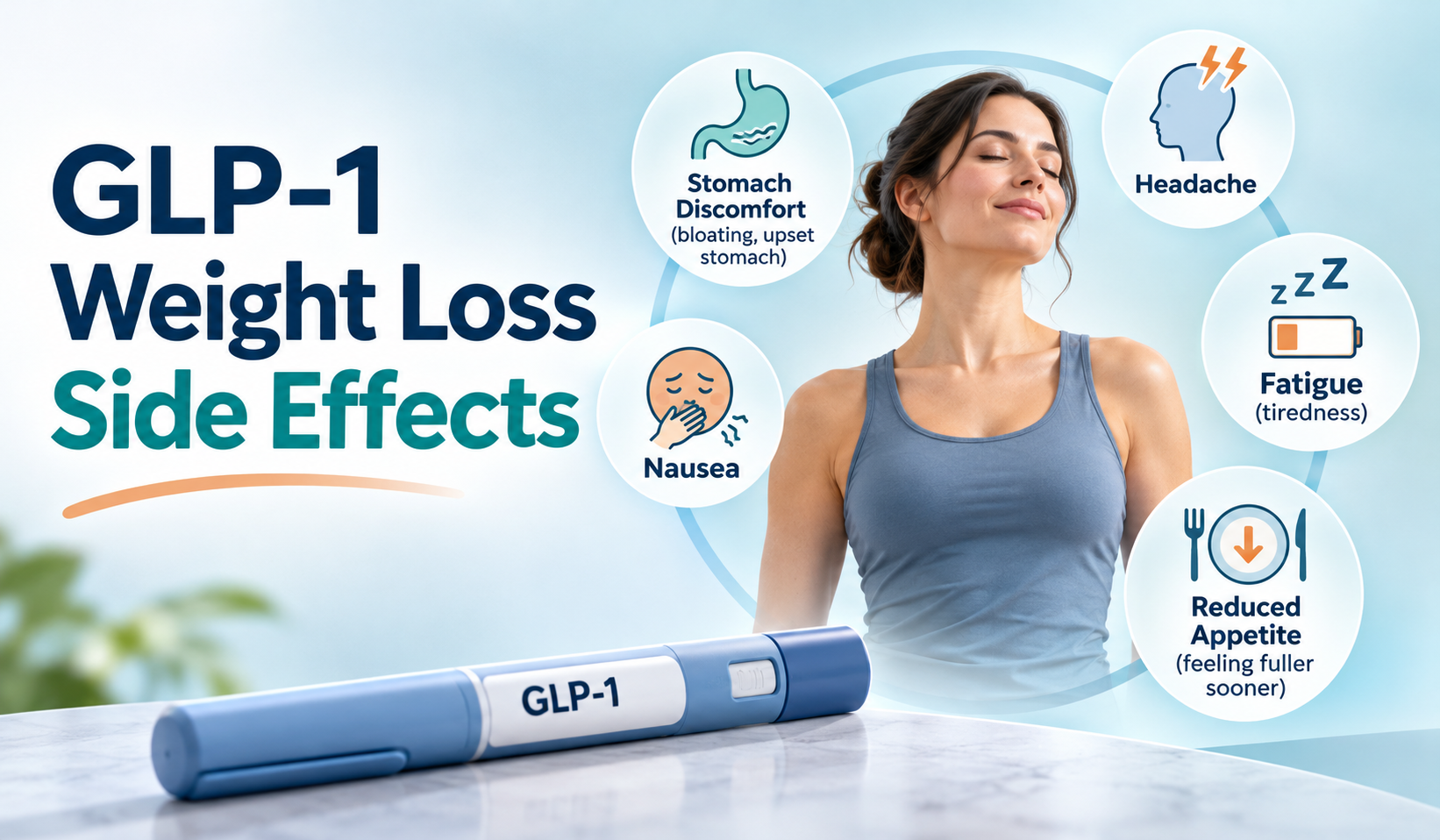
GLP-1 medications such as Wegovy, Ozempic, Zepbound, and Saxenda have gained widespread attention for their ability to reduce appetite, control food cravings, and support weight management.
While many people tolerate these medications well, understanding their potential side effects is an important part of achieving sustainable weight loss without compromising your overall health.
Some side effects disappear within a few weeks, while others may require medical attention, dietary adjustments, or changes to your treatment plan.
This comprehensive guide explores GLP-1 weight loss side effects, their causes, long-term health risks, and practical strategies to make your weight loss journey more comfortable.
 GLP-1 Starting at $59 Per Month – 100% Online
What Are GLP-1 Weight Loss Medications?
GLP-1 stands for glucagon-like peptide-1, a naturally occurring hormone produced in the intestines in response to food consumption. It plays an important role in regulating appetite, digestion, and blood sugar levels.
GLP-1 receptor agonists mimic the activity of this hormone to support metabolic health and weight management.
These medications work by:
- Reducing hunger and food cravings
- Increasing feelings of fullness
- Slowing gastric emptying
- Supporting blood sugar regulation
- Helping reduce daily calorie consumption
Popular GLP-1 and related weight loss medications include Wegovy (semaglutide), Saxenda (liraglutide), and Zepbound (tirzepatide). Ozempic and Mounjaro are primarily prescribed for type 2 diabetes.
Tirzepatide differs slightly because it targets both GIP and GLP-1 receptors.
The same mechanisms that make these medications effective for weight management can also contribute to unwanted side effects, particularly those involving the digestive system.
What Are the Most Common GLP-1 Weight Loss Side Effects?
Digestive problems are among the most frequently experienced side effects of GLP-1 medications. Symptoms are often more noticeable during the early stages of treatment or following a dosage increase.
Nausea
Nausea is one of the most common side effects of GLP-1 treatment. Since these medications slow stomach emptying, food may remain in the digestive system longer, contributing to feelings of sickness.
Eating smaller meals, avoiding greasy foods, and drinking water regularly may help reduce nausea.
Constipation
Slower digestive movement, decreased food consumption, and inadequate hydration can contribute to constipation.
Gradually increasing dietary fiber, drinking enough fluids, and engaging in regular physical activity may help support healthy bowel movements.
Diarrhea
Some individuals experience frequent or loose bowel movements while adjusting to GLP-1 medications.
Diarrhea can increase fluid and electrolyte loss, making hydration particularly important during treatment.
Vomiting
Vomiting may occur when digestive discomfort becomes more intense. Large meals and high-fat foods can sometimes aggravate symptoms.
Persistent vomiting requires medical attention because it can lead to dehydration and nutritional problems.
Bloating and Excessive Gas
Delayed stomach emptying may contribute to abdominal fullness, burping, gas, and bloating.
Eating slowly, chewing food thoroughly, and limiting carbonated beverages may improve digestive comfort.
Heartburn and Acid Reflux
Food remaining in the stomach longer may contribute to acid reflux, indigestion, and a burning sensation in the chest.
Avoiding late-night meals and remaining upright after eating may help manage these symptoms.
Fatigue
Some people notice reduced energy levels after beginning treatment. Fatigue may be related to reduced calorie consumption, dehydration, or inadequate nutrient intake.
Balanced meals and sufficient rest can help maintain energy throughout the day.
GLP-1 Starting at $59 Per Month – 100% Online
Serious Side Effects of GLP-1 Weight Loss Drugs
Although digestive discomfort is relatively common, GLP-1 medications may also cause more serious health complications in some individuals. Recognizing the warning signs early can help prevent further complications.
Pancreatitis
Pancreatitis occurs when the pancreas becomes inflamed. It is a potentially serious complication associated with GLP-1 medications.
Symptoms may include severe abdominal pain, persistent nausea, vomiting, and pain extending toward the back.
Individuals experiencing these symptoms should stop taking the medication and seek immediate medical attention.
Gallbladder Problems
Rapid weight loss can increase the likelihood of developing gallstones. GLP-1 medications may also increase the risk of gallbladder-related complications.
Common warning signs include upper abdominal pain, fever, nausea, and yellowing of the skin or eyes.
Kidney Problems
Excessive vomiting, diarrhea, and inadequate fluid consumption can lead to dehydration. Severe dehydration may affect kidney function and potentially cause acute kidney injury.
Reduced urination, dizziness, and unusual weakness should not be ignored.
Gastroparesis
GLP-1 medications naturally slow stomach emptying. In some individuals, this effect may contribute to severe digestive problems or symptoms associated with gastroparesis.
Persistent bloating, vomiting undigested food, and feeling unusually full after eating small portions may require medical evaluation.
Thyroid Tumor Risk
Certain GLP-1 medications carry a boxed warning regarding thyroid C-cell tumors observed in animal studies. Whether these medications cause such tumors in humans remains uncertain.
People with a personal or family history of medullary thyroid carcinoma or multiple endocrine neoplasia type 2 should avoid medications carrying this contraindication.
Vision Problems
People with diabetes may experience worsening diabetic retinopathy, particularly when blood sugar levels improve rapidly.
Rare but serious optic nerve problems have also raised safety concerns. Sudden vision loss or rapidly deteriorating eyesight requires immediate medical attention.
Long-Term Side Effects of GLP-1 Weight Loss Medications
Many individuals use GLP-1 medications for extended periods to achieve and maintain their weight loss goals. Long-term treatment makes nutritional support and regular health monitoring particularly important.
Loss of Muscle Mass
Weight loss involves losing body fat and potentially some lean body mass. Inadequate protein intake and insufficient physical activity may increase the likelihood of muscle loss.
Strength training and a protein-rich diet can help preserve muscle strength during treatment.
Nutritional Deficiencies
Significant appetite suppression may cause individuals to consume fewer essential nutrients.
Inadequate intake of iron, calcium, vitamin B12, vitamin D, and other nutrients may contribute to fatigue, weakness, and other health concerns.
Hair Thinning
Some individuals experience temporary hair shedding during significant weight loss. Rapid changes in body weight, insufficient protein intake, and nutritional deficiencies may contribute to this condition.
Persistent Digestive Changes
While digestive symptoms often improve over time, some individuals continue experiencing constipation, nausea, or acid reflux throughout treatment.
A healthcare professional may recommend adjusting the dosage or considering an alternative medication.
Changes in Bone Health
Substantial weight loss and inadequate nutrient intake can potentially affect bone density. Resistance exercises, sufficient calcium, and vitamin D may help support skeletal health.
GLP-1 Starting at $59 Per Month – 100% Online
GLP-1 Weight Loss Side Effects in Females
Women may experience additional health considerations when using GLP-1 medications, particularly those related to reproductive health, nutrition, and hormonal changes.
Changes in Menstrual Cycles
Significant weight loss and changes in calorie intake may influence hormone levels and menstrual regularity.
Some women with polycystic ovary syndrome (PCOS) may notice improvements in menstrual cycles as their metabolic health improves.
Increased Fertility
Improvements in insulin sensitivity and body weight may help restore ovulation in some women, potentially increasing the likelihood of pregnancy.
Women using tirzepatide may need additional barrier contraception or non-oral contraception for four weeks after starting treatment and following each dosage increase.
Hair Loss and Fatigue
Women experiencing rapid weight loss may notice increased hair shedding, tiredness, or weakness, particularly when their nutritional requirements are not being met.
Pregnancy-Related Risks
GLP-1 medications should not be used for weight loss during pregnancy. Women planning pregnancy should discuss when to discontinue treatment with their healthcare provider.
Semaglutide, for example, should generally be discontinued at least two months before a planned pregnancy.
GLP-1 Weight Loss Side Effects in Males
Men taking GLP-1 medications generally experience similar digestive symptoms, but certain aspects of weight management deserve additional attention.
A significant reduction in calorie intake may contribute to decreased physical strength, reduced exercise performance, and loss of lean muscle tissue.
Men following demanding fitness routines may find it challenging to consume enough calories and protein to maintain their usual performance.
Changes in energy levels and sexual desire may also occur indirectly due to inadequate nutrition, fatigue, or underlying health conditions.
At the same time, successful weight management may help improve metabolic health, cardiovascular function, and hormone balance in some men with obesity.
Maintaining adequate nutrition, following a balanced exercise routine, and monitoring physical performance can help support overall male wellness during treatment.
GLP-1 Starting at $59 Per Month – 100% Online
How Long Do GLP-1 Weight Loss Side Effects Last?
The duration of GLP-1 side effects varies depending on the medication, dosage, individual tolerance, and overall health.
First 1–2 Weeks: Nausea, appetite changes, bloating, and digestive discomfort may become noticeable as the body adjusts to treatment.
Weeks 3–4: Some individuals begin experiencing improvements in digestive comfort as their bodies adapt to the medication.
Weeks 5–8: Side effects may temporarily return when the dosage increases. Smaller meals and appropriate hydration may help improve tolerance.
After 2–3 Months: Many individuals experience fewer digestive symptoms once they reach a stable, well-tolerated dosage.
These timelines are general estimates rather than guaranteed recovery periods. Persistent, worsening, or severe symptoms should always be discussed with a healthcare professional.
How to Reduce GLP-1 Weight Loss Side Effects Naturally
Making simple lifestyle and dietary adjustments can significantly improve your overall experience with GLP-1 medications.
Eat Smaller, More Frequent Meals
Instead of consuming three large meals, consider eating smaller portions throughout the day. This may reduce digestive pressure and prevent uncomfortable feelings of fullness.
Stay Properly Hydrated
Drink water regularly throughout the day to support digestion, kidney function, temperature regulation, and energy production.
Prioritize Protein-Rich Foods
Include eggs, chicken, fish, Greek yogurt, lentils, and cottage cheese in your diet to support muscle maintenance and recovery.
Avoid High-Fat and Fried Foods
Greasy meals may worsen nausea, bloating, and indigestion. Choose steamed, grilled, or baked foods whenever possible.
Exercise Regularly
Walking, cycling, swimming, and strength training can support healthy digestion, muscle preservation, and metabolic wellness.
Limit Alcohol Consumption
Alcohol may aggravate digestive discomfort, dehydration, and blood sugar fluctuations, particularly when combined with certain diabetes medications.
Increase Your Dosage Gradually
Follow your healthcare provider’s recommended dosage schedule. Increasing your dosage too quickly may intensify unwanted side effects.
Get Enough Sleep
Maintaining a consistent sleep schedule supports physical recovery, appetite regulation, and energy levels during weight loss.
GLP-1 Starting at $59 Per Month – 100% Online
Best and Worst Foods to Eat While Taking GLP-1
Your daily food choices can influence how comfortably your body responds to GLP-1 treatment. Choosing nutrient-dense and easily digestible foods may help minimize digestive discomfort.
Best Foods to Eat on GLP-1
- Oatmeal and whole grains
- Bananas and blueberries
- Eggs and lean chicken
- Salmon and tuna
- Low-fat Greek yogurt
- Steamed vegetables
- Rice and sweet potatoes
- Low-fat vegetable soups
- Unsweetened electrolyte drinks when needed
- Cottage cheese
Foods to Limit or Avoid on GLP-1
- Deep-fried foods
- Highly processed snacks
- Sugary beverages
- Fatty cuts of meat
- Excessively spicy meals
- Carbonated drinks
- Heavy cream-based sauces
- Excessive alcohol
- High-sugar desserts
- Large fast-food meals
Individual food tolerance varies. Keeping a food journal may help you identify specific dietary triggers and create an eating routine that works for your body.
Are GLP-1 Medications Safe for Weight Loss?
GLP-1 medications are generally considered appropriate weight management options for eligible individuals when prescribed and monitored by qualified healthcare professionals.
Beyond weight loss, certain medications in this category may provide additional health benefits, including improved blood sugar control and reduced cardiovascular risks in eligible patients.
Nevertheless, these medications may not be suitable for everyone.
Individuals who require additional precautions include those with a history of pancreatitis, severe digestive disorders, gallbladder disease, kidney problems, or certain thyroid cancers.
People taking insulin or sulfonylureas should also be aware of the increased risk of low blood sugar when combining treatments.
Latest GLP-1 Safety Updates in 2026
On January 13, 2026, the FDA requested the removal of suicidal behavior and ideation warnings from certain GLP-1 weight loss medications after a comprehensive safety review found no increased risk.
On November 9, 2026, the FDA announced new labeling requirements concerning a potential increased risk of non-arteritic anterior ischemic optic neuropathy (NAION), a rare but serious condition affecting the optic nerve.
These developments highlight the importance of staying informed about medication safety throughout treatment.
GLP-1 Starting at $59 Per Month – 100% Online
What Happens When You Stop Taking GLP-1 Medications?
Discontinuing GLP-1 treatment may lead to changes in appetite, eating habits, and body weight.
As the medication gradually leaves the body, individuals may experience increased hunger, stronger food cravings, reduced feelings of fullness, and gradual weight regain.
Blood sugar levels may also increase in individuals with type 2 diabetes.
Developing sustainable eating habits, maintaining regular physical activity, and following a structured weight management plan may help support long-term results after discontinuing treatment.
Always discuss discontinuation with your healthcare provider.
When Should You Seek Medical Attention?
While mild digestive discomfort may be manageable, certain symptoms require immediate medical evaluation.
Watch for the following warning signs:
- Severe or persistent abdominal pain
- Uncontrollable vomiting
- Severe abdominal swelling with an inability to pass stool or gas
- Sudden changes in vision
- Difficulty breathing or swallowing
- Swelling of the face, lips, or throat
- Severe dehydration or reduced urination
- Yellowing of the skin or eyes
- Fainting or confusion
Inform your healthcare provider before undergoing surgery or procedures involving anesthesia, as delayed stomach emptying may increase the risk of pulmonary aspiration.
Early medical intervention can help prevent complications and support safer treatment.
Final Thoughts:
GLP-1 medications have transformed modern weight management by helping individuals regulate appetite, reduce excessive calorie consumption, and achieve meaningful weight loss.
While GLP-1 weight loss side effects such as nausea, constipation, diarrhea, fatigue, and bloating can affect daily comfort, many common symptoms improve as the body adjusts to treatment.
Eating nutritious meals, staying hydrated, exercising regularly, and following the recommended dosage schedule can help improve medication tolerance.
Understanding potential long-term complications is equally important for protecting your overall health.
Ultimately, successful weight management is not just about losing pounds. It is about maintaining muscle strength, improving metabolic wellness, preserving energy, and developing healthier lifestyle habits that support lasting results.
With appropriate medical supervision and consistent lifestyle adjustments, GLP-1 medications can be a valuable tool for sustainable weight management.
GLP-1 Starting at $59 Per Month – 100% Online
References
https://www.webmd.com/obesity/listicle-what-to-know-about-glps-1s-for-weight-loss
https://www.healthline.com/health/common-glp-1-side-effects
https://www.mayoclinic.org/drugs-supplements/semaglutide-subcutaneous-route/description/drg-20406730
