How Does GLP-1 Cause Weight Loss? Benefits & How It Works
Weight loss is rarely as simple as eating less and moving more. Hunger, hormones, metabolism, and the way our brains respond to food all influence body weight.
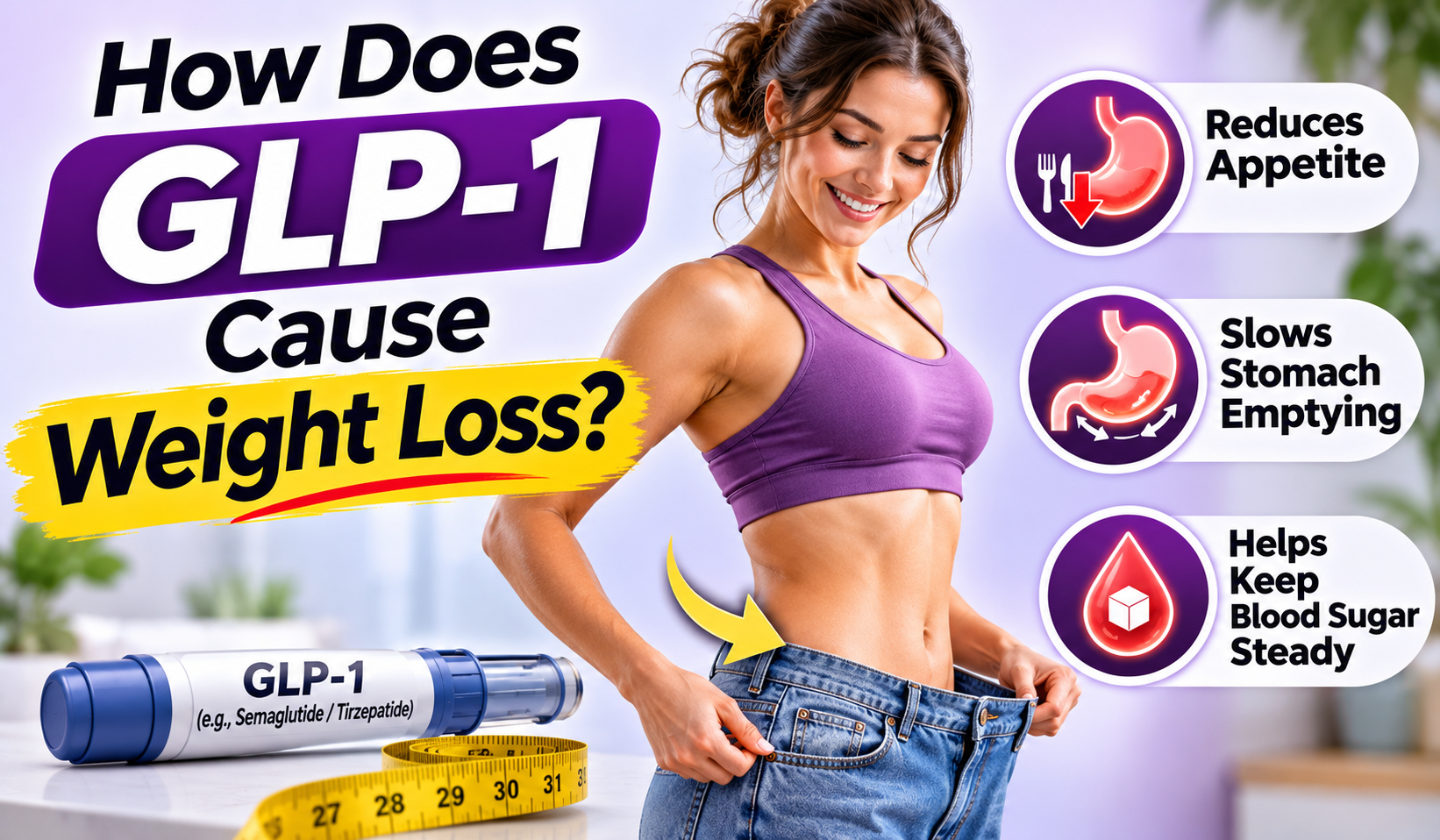
GLP-1 causes weight loss by reducing appetite, slowing stomach emptying, and helping the brain recognize feelings of fullness.
GLP-1 medications such as semaglutide and tirzepatide help control hunger, reduce food cravings, and support smaller portions.
They also improve blood sugar regulation, making it easier to maintain a calorie deficit and achieve gradual, sustainable weight loss.
In this article, we’ll explore how GLP-1 works, what happens inside your body, how quickly weight loss may occur, and what scientific research reveals about its effectiveness.
What Is GLP-1, and Why Is It Important for Weight Loss?
GLP-1 stands for glucagon-like peptide-1, a naturally occurring hormone released primarily by specialized cells in the intestines after eating.
Its main purpose is to help the body manage nutrients and regulate blood sugar levels. It also communicates with the brain and digestive system to influence appetite and fullness.
When you eat, your body releases GLP-1 as part of its normal digestive response. This hormone helps coordinate several important functions.
These include:
- Appetite regulation: Signals the brain that food has been consumed.
- Feeling satisfied: Helps promote fullness after meals.
- Blood sugar control: Encourages insulin release when glucose levels rise.
- Digestive regulation: Slows stomach emptying under certain conditions.
- Glucagon regulation: Reduces inappropriate glucagon release when blood sugar is elevated.
Natural GLP-1 is broken down quickly, meaning its effects are relatively short-lived.
Prescription GLP-1 receptor agonists are designed to activate the same receptors for longer periods, producing more sustained effects on hunger and food intake.
This extended activity is a major reason these medications can support substantial weight loss.
 GLP-1 Starting at $59 Per Month – 100% Online
How Does GLP-1 Cause Weight Loss? 6 Key Mechanisms
GLP-1 medications work through several interconnected biological pathways. Understanding these processes helps explain why weight loss can occur even when someone has struggled with traditional dieting.
1. GLP-1 Reduces Hunger Signals in the Brain
One of the most important ways GLP-1 supports weight loss is by influencing appetite-regulating pathways in the brain.
The hypothalamus and brainstem help coordinate hunger, fullness, and energy balance. GLP-1 receptor activation affects neural circuits involved in these processes.
As a result, many people experience reduced hunger throughout the day.
Someone who previously felt hungry shortly after breakfast might notice that they remain satisfied until lunchtime.
Others may find that they no longer feel the same urge to snack between meals.
This reduction in appetite can make it easier to consume fewer calories without constantly fighting hunger.
The key benefit is that eating less may begin to feel more manageable rather than requiring continuous willpower.
2. GLP-1 Helps You Feel Full After Smaller Meals
GLP-1 also influences satiety, the feeling of satisfaction that occurs after eating.
Ordinarily, fullness signals develop as the stomach stretches, nutrients enter the intestines, and hormones communicate with the brain.
GLP-1 medications strengthen certain aspects of this communication.
Consequently, people may notice that their usual meal portions feel larger than necessary.
For example, someone accustomed to eating an entire restaurant meal might feel comfortably satisfied after eating half.
This does not mean the body suddenly stops requiring nutrients.
Instead, the perception of hunger and fullness changes, potentially allowing smaller portions to feel satisfying.
Over weeks and months, consistently smaller portions may contribute to a meaningful reduction in total calorie intake.
3. GLP-1 Slows Stomach Emptying
Another important mechanism involves the digestive system.
After eating, food moves from the stomach into the small intestine through a process called gastric emptying.
GLP-1 can slow this process, particularly during the early stages of treatment.
When food leaves the stomach more gradually, feelings of fullness may last longer after meals.
This can reduce the desire to eat again shortly afterward.
However, delayed stomach emptying is only part of the explanation for GLP-1-related weight loss.
Research suggests that changes in brain appetite pathways are especially important, and the gastric-emptying effect may become less pronounced with continued treatment.
Slower digestion can also contribute to side effects such as nausea, bloating, and uncomfortable fullness.
Eating smaller meals and avoiding overly large portions may improve comfort during treatment.
4. GLP-1 Reduces Food Cravings and Food Noise
Many people describe experiencing constant thoughts about food, even when they are not physically hungry.
This experience is sometimes called food noise.
It may involve thinking about the next meal, struggling to ignore snacks, or feeling strongly drawn toward particular foods.
GLP-1 medications can influence brain pathways associated with food motivation and reward.
Research has found that some GLP-1 receptor agonists reduce food cravings, improve eating control, and decrease preference for highly energy-dense foods.
For example, a person who previously found it difficult to resist sweets after dinner may notice that those cravings become less intense.
Others report feeling more comfortable leaving food unfinished.
These experiences vary, and not everyone notices the same changes.
Nevertheless, reduced food-related preoccupation can help some people establish more consistent eating habits.
5. GLP-1 Improves Blood Sugar Regulation
GLP-1 was originally studied extensively for its role in glucose metabolism.
When blood sugar rises after eating, GLP-1 helps stimulate insulin secretion from the pancreas.
Importantly, this action is glucose-dependent, meaning it becomes more pronounced when blood glucose is elevated.
GLP-1 also helps regulate glucagon, a hormone involved in releasing stored glucose into the bloodstream.
Together, these effects support healthier blood sugar regulation.
For individuals with type 2 diabetes, improved glucose control can be especially valuable.
However, it is important to understand that better blood sugar regulation is not the same as directly burning fat.
The primary weight-loss mechanism remains reduced food intake, supported by changes in appetite and satiety.
6. GLP-1 Makes a Calorie Deficit Easier to Maintain
Ultimately, sustained weight loss occurs when the body uses more energy than it receives from food over time.
The difficulty is that the body often responds to reduced calorie intake by increasing hunger and encouraging eating.
These biological responses can make traditional dieting difficult to maintain.
GLP-1 medications help address part of that challenge by reducing appetite and influencing food-related behavior.
When people naturally eat smaller portions and experience fewer cravings, their average calorie intake may decrease.
The body then draws on stored energy to help meet its requirements.
Over time, this can produce reductions in body weight and body fat.
GLP-1 medications do not eliminate the body’s normal energy requirements. They help make the behavioral and biological changes associated with weight reduction more achievable.
GLP-1 Starting at $59 Per Month – 100% Online
Does GLP-1 Burn Fat or Simply Reduce Appetite?
A common misconception is that GLP-1 medications work like fat-burning supplements.
They do not directly melt fat or cause the body to burn unlimited calories.
Instead, their primary effect is reducing energy intake through changes in hunger, fullness, and eating behavior.
When calorie intake remains below energy expenditure, the body begins using stored energy.
This includes fat stored in adipose tissue.
Clinical research with semaglutide has demonstrated that weight reduction generally involves greater loss of fat mass than lean mass.
Nevertheless, some muscle and other lean tissue can also be lost during weight reduction.
This is why adequate protein intake, resistance exercise, and regular physical activity are important during treatment.
The goal should be to lose excess body fat while preserving strength, muscle function, and long-term metabolic health.
GLP-1 Starting at $59 Per Month – 100% Online
How Much Weight Can You Lose With GLP-1 Medications?
The amount of weight someone loses depends on several factors, including the medication, dosage, treatment duration, starting weight, lifestyle, and individual response.
Large clinical trials provide useful information about average outcomes.
Semaglutide Weight Loss Results
Semaglutide is the active ingredient in Wegovy and Ozempic, although these products have different approved indications and dosing regimens.
In the STEP 1 clinical trial, adults with overweight or obesity who did not have diabetes received semaglutide 2.4 mg or a placebo alongside lifestyle intervention.
After 68 weeks, participants receiving semaglutide experienced an average weight reduction of approximately 14.9% of their starting body weight, compared with 2.4% in the placebo group.
For someone starting at 220 pounds, a 14.9% reduction would represent approximately 33 pounds.
This calculation illustrates the study average, not a guaranteed individual result.
Tirzepatide Weight Loss Results
Tirzepatide, the active ingredient in Zepbound and Mounjaro, works differently because it activates both GLP-1 and GIP receptors.
GIP stands for glucose-dependent insulinotropic polypeptide, another hormone involved in nutrient and glucose regulation.
In the SURMOUNT-1 trial, participants receiving tirzepatide experienced average weight reductions of approximately 15% to 20.9%, depending on the dose, after 72 weeks.
A later head-to-head study found greater average weight loss with tirzepatide than semaglutide among adults with obesity who did not have diabetes.
These findings show that incretin-based medications can produce substantial weight reduction when used appropriately.
However, results vary considerably between individuals, and treatment decisions should consider medical history, tolerability, and personal health goals.
GLP-1 Starting at $59 Per Month – 100% Online
How Long Does GLP-1 Take to Work for Weight Loss?
GLP-1 medications begin affecting their target receptors soon after treatment starts, but noticeable weight loss usually develops gradually.
The timeline differs according to the medication, dose adjustments, eating habits, and individual response.
First 1–4 Weeks: Appetite Changes
During the initial weeks, some people notice reduced hunger, earlier fullness, or smaller meal portions.
Others experience relatively subtle changes because treatment commonly begins with a low dose.
Starting doses are designed primarily to help the body adjust and reduce gastrointestinal side effects.
Significant weight loss is not always expected immediately.
Weeks 5–12: More Noticeable Progress
As treatment continues and doses are gradually increased when appropriate, appetite effects may become more noticeable.
Some people begin seeing changes in body weight, waist measurements, or clothing fit.
Maintaining regular meals, sufficient protein, and physical activity can support healthy progress.
Weight loss may not occur at a constant rate.
Months 3–6: Continued Weight Reduction
Over several months, many patients experience more substantial changes.
Smaller portions and reduced cravings may become part of their normal eating patterns.
Healthcare professionals may also assess treatment response, side effects, and whether the current medication remains appropriate.
Months 6–12 and Beyond: Long-Term Results
Weight loss may continue over many months before gradually slowing or reaching a plateau.
A plateau is a normal part of weight management and does not necessarily indicate that treatment has stopped working.
Long-term success depends on continued medical follow-up, balanced nutrition, physical activity, and an individualized maintenance strategy.
GLP-1 Starting at $59 Per Month – 100% Online
Why Do Some People Lose More Weight on GLP-1 Than Others?
Although GLP-1 medications influence similar biological pathways, individual outcomes can be quite different.
Starting body weight: People with higher starting weights may lose more pounds, even if their percentage of weight loss is similar.
Medication and dosage: Different medications and treatment doses produce different average results.
Individual biology: Genetics, hormonal responses, appetite regulation, and other physiological factors influence treatment response.
Eating habits: Food choices, meal composition, and total calorie intake continue to matter.
Physical activity: Regular movement supports cardiovascular fitness, strength, and long-term weight management.
Treatment consistency: Missed doses, early discontinuation, or difficulty tolerating treatment can affect outcomes.
Medical conditions: Diabetes, certain medications, and other health conditions may influence weight-loss patterns.
A slower response does not necessarily mean treatment is unsuccessful.
Progress is better evaluated over time with a healthcare professional rather than judged by short-term changes on the scale.
GLP-1 Starting at $59 Per Month – 100% Online
What Are the Additional Health Benefits of GLP-1 Medications?
Weight reduction is an important benefit, but GLP-1-based therapies may also improve other aspects of metabolic health.
Depending on the medication and the individual, potential benefits include:
- Improved blood sugar control in people with type 2 diabetes.
- Reduced waist circumference as body weight decreases.
- Improvements in certain blood pressure measurements.
- Improvements in some cholesterol and triglyceride measurements.
- Reduced risk of selected cardiovascular complications with medications approved for specific patient groups.
- Improvements in certain obesity-related health conditions.
These benefits should be understood in the context of each medication’s clinical evidence and approved uses.
Not every GLP-1 medication has demonstrated the same outcomes, and benefits beyond weight loss are not guaranteed for every patient.
GLP-1 Starting at $59 Per Month – 100% Online
Are GLP-1 Weight Loss Medications Safe?
GLP-1 receptor agonists have been evaluated in large clinical studies, but they can cause side effects and are not suitable for everyone.
The most commonly reported side effects involve the digestive system.
These include:
- Nausea
- Vomiting
- Diarrhea
- Constipation
- Abdominal discomfort
- Bloating
- Reduced appetite
These symptoms frequently occur when treatment begins or when the dose increases.
More serious concerns include pancreatitis, gallbladder problems, dehydration-related kidney injury, and severe gastrointestinal reactions.
Certain medications in this class carry boxed warnings about thyroid C-cell tumors observed in rodents. They are contraindicated in people with a personal or family history of medullary thyroid carcinoma or multiple endocrine neoplasia syndrome type 2.
Pregnancy, significant digestive disorders, and the use of other glucose-lowering medications also require particular consideration.
Anyone experiencing severe persistent abdominal pain, repeated vomiting, or signs of dehydration should seek medical attention.
A qualified healthcare professional can determine whether a GLP-1 medication is appropriate based on the individual’s medical history and treatment goals.
GLP-1 Starting at $59 Per Month – 100% Online
How to Support Healthy Weight Loss While Taking GLP-1
Medication can reduce appetite, but healthy daily habits remain important for achieving sustainable results.
Eat Enough Protein
Adequate protein supports muscle maintenance during weight reduction.
Good sources include eggs, fish, poultry, Greek yogurt, beans, tofu, and other protein-rich foods.
Individual protein needs vary according to health status and activity level.
Include Strength Training
Resistance exercises can help preserve muscle mass and physical strength.
Activities such as lifting weights, using resistance bands, or performing bodyweight exercises may be useful.
Stay Hydrated
Reduced appetite and digestive side effects can sometimes lead to lower fluid intake.
Drinking water regularly is particularly important when experiencing nausea, vomiting, or diarrhea.
Choose Nutrient-Dense Foods
Smaller meals should still provide sufficient vitamins, minerals, protein, fiber, and healthy fats.
Vegetables, fruits, whole grains, legumes, and lean protein sources help support nutritional quality.
Maintain Regular Medical Follow-Up
Monitoring body weight, side effects, blood sugar when appropriate, and overall health helps ensure that treatment remains effective and suitable.
The strongest long-term approach combines medication, when indicated, with sustainable lifestyle habits.
GLP-1 Starting at $59 Per Month – 100% Online
What Happens When You Stop Taking GLP-1?
One of the most important questions about GLP-1 treatment concerns what happens after discontinuation.
Because these medications influence appetite regulation, their effects generally diminish after treatment stops.
Hunger may increase, feelings of fullness may become less pronounced, and previous eating patterns may return.
Clinical follow-up studies have shown that many people regain a meaningful portion of their lost weight after discontinuing treatment.
This does not mean that weight regain is inevitable for every person.
However, obesity is often a chronic condition involving biological mechanisms that continue to influence body weight.
For some patients, long-term medication may be part of an ongoing weight-management strategy.
Others may transition to different treatments or structured lifestyle support.
The best maintenance approach should be discussed with a healthcare professional before making treatment changes.
GLP-1 Starting at $59 Per Month – 100% Online
Final Thoughts:
So, how does GLP-1 cause weight loss? The answer comes down to the way these medications influence communication between the brain, digestive system, and metabolic pathways.
By reducing hunger, strengthening fullness signals, influencing food cravings, and slowing stomach emptying, GLP-1 medications can make it easier to maintain a lower calorie intake.
Over time, this reduction in energy intake encourages the body to use stored energy, resulting in gradual weight loss.
Clinical research demonstrates that medications such as semaglutide and tirzepatide can produce meaningful reductions in body weight for many eligible patients.
However, these treatments are not instant solutions. Their effectiveness depends on individual biology, appropriate prescribing, treatment consistency, and supportive lifestyle habits.
For people living with obesity or weight-related health conditions, GLP-1-based treatment may offer an important medical option as part of a comprehensive, long-term weight-management plan.
Ultimately, understanding how GLP-1 works makes it easier to appreciate both its potential benefits and the importance of using these medications under professional medical supervision.
GLP-1 Starting at $59 Per Month – 100% Online
References
https://www.ncbi.nlm.nih.gov/books/NBK221839/
https://www.mayoclinic.org/healthy-lifestyle/weight-loss/in-depth/weight-loss/art-20047752
https://www.healthline.com/nutrition/how-to-lose-weight-as-fast-as-possible
