Is Metformin a GLP-1? Benefits, Uses & Differences
Metformin and GLP-1 medications are two widely discussed treatments for managing blood sugar and improving metabolic health. With the growing popularity of medications like Ozempic, Wegovy, and Mounjaro, many people are wondering whether metformin works similarly or belongs to the same medication category.
Both treatments can help people with type 2 diabetes manage their glucose levels. They may also influence body weight, insulin activity, and overall metabolic function. Yet their mechanisms, effectiveness, and intended uses differ in important ways.
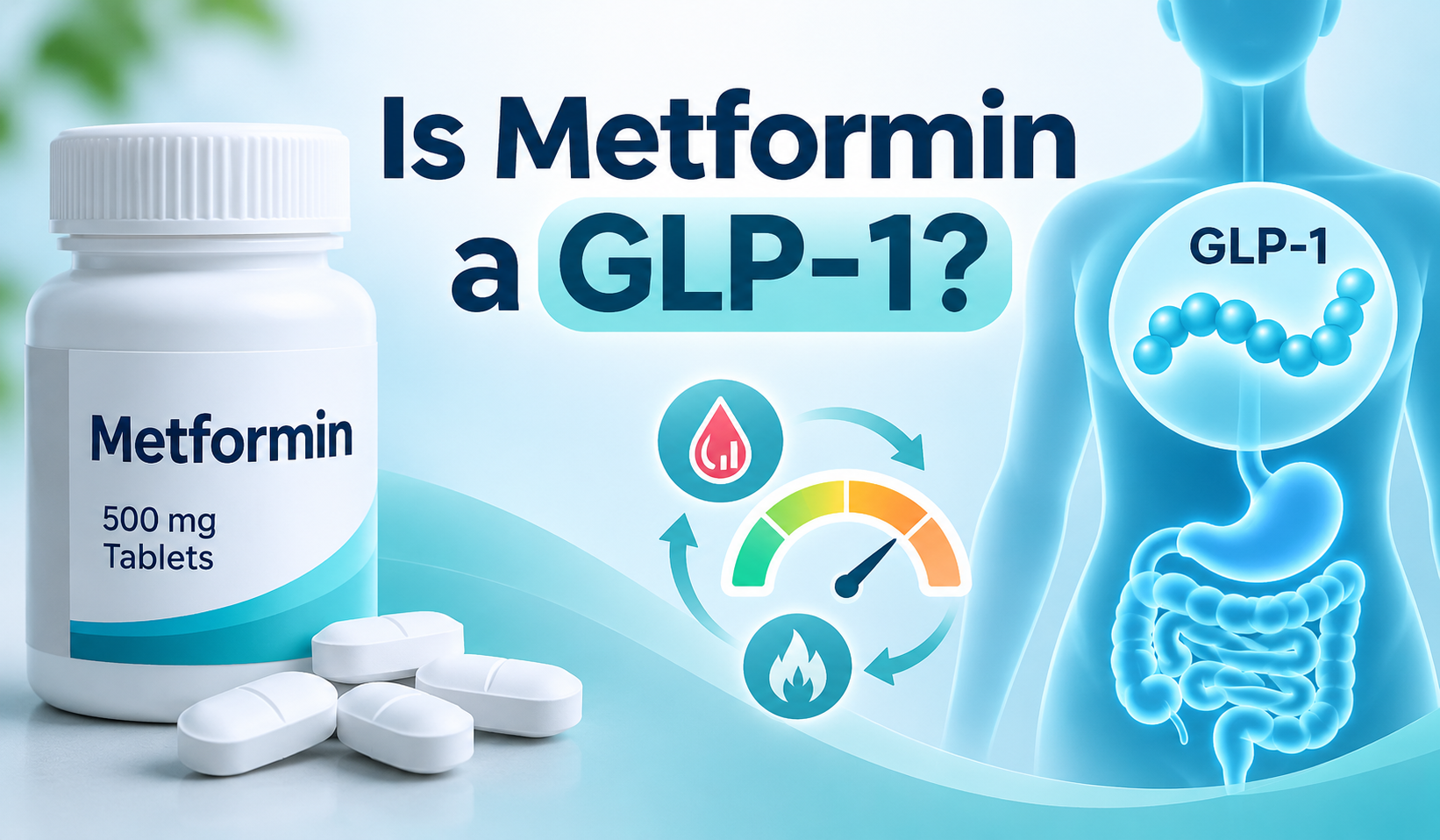
Metformin is a biguanide medication that primarily reduces glucose production in the liver and improves insulin sensitivity.
GLP-1 medications activate hormone receptors involved in blood sugar regulation, digestion, and appetite.
Understanding these differences can help you have a more informed conversation with your healthcare provider about which treatment may suit your health goals.
This guide explains whether metformin is a GLP-1, how each medication works, their potential benefits, weight loss differences, side effects, and whether they can be taken together.
 GLP-1 Starting at $59 Per Month – 100% Online
Is Metformin a GLP-1?
No, metformin is not a GLP-1 medication. Metformin belongs to a class of medications called biguanides, while GLP-1 receptor agonists are medications designed to mimic the actions of the natural glucagon-like peptide-1 hormone.
Metformin primarily works by reducing glucose production in the liver and helping the body use insulin more effectively. GLP-1 medications work through hormone receptors involved in insulin secretion, appetite regulation, and digestion.
Both treatments help manage type 2 diabetes, but they achieve their benefits through different biological pathways.
Metformin is generally taken as an oral tablet, while many GLP-1 medications are administered through injections. Oral GLP-1 options are also available.
Metformin may contribute to modest weight loss in some individuals, while certain GLP-1 medications produce considerably greater average weight reductions in clinical studies.
The American Diabetes Association’s 2026 guidelines recognize both medication categories as important options for individualized diabetes treatment.
What Is Metformin?
Metformin is a prescription medication primarily used to help manage blood sugar levels in people with type 2 diabetes. It has been used in medical practice for decades and remains one of the most commonly prescribed diabetes treatments.
The medication helps the body manage glucose more efficiently by reducing the amount of sugar released by the liver and improving the body’s response to insulin.
Insulin is an essential hormone that helps glucose move from the bloodstream into cells, where it can be used for energy. When insulin resistance develops, cells become less responsive, making blood sugar regulation more difficult.
Metformin helps address this problem by improving insulin sensitivity and supporting more stable glucose management.
Healthcare providers may also prescribe metformin for certain people with prediabetes or polycystic ovary syndrome (PCOS), depending on their individual medical circumstances.
One reason metformin remains popular is its established effectiveness, relatively low cost, and low likelihood of causing hypoglycemia when used alone.
GLP-1 Starting at $59 Per Month – 100% Online
What Is GLP-1 and How Does It Work?
GLP-1 stands for glucagon-like peptide-1, a hormone naturally released by the intestines after eating.
This hormone plays an important role in coordinating digestion, insulin secretion, blood sugar regulation, and appetite signals.
When food enters the digestive system, GLP-1 helps the body respond by increasing insulin release when blood glucose levels are elevated.
It also reduces glucagon secretion when appropriate. Glucagon is a hormone that tells the liver to release stored glucose into the bloodstream.
Another important function involves digestion. GLP-1 slows the rate at which the stomach empties, helping people feel satisfied after meals.
GLP-1 medications mimic these hormonal actions. Some medications activate the GLP-1 receptor for a prolonged period, producing effects that last much longer than the body’s naturally occurring hormone.
These actions help explain why GLP-1 receptor agonists can improve blood sugar control while also reducing appetite and supporting weight loss.
Metformin vs. GLP-1: Key Differences
Although both medications are used to manage type 2 diabetes, their mechanisms and additional benefits make them distinct treatment options.
| Feature | Metformin | GLP-1 medications |
|---|---|---|
| Drug class | Biguanide | GLP-1 receptor agonist |
| Primary action | Reduces liver glucose production | Activates GLP-1 receptors |
| Blood sugar control | Effective | Effective, often highly potent |
| Weight loss | Usually modest | Often greater, depending on drug |
| Appetite reduction | Not a primary mechanism | Significant with certain agents |
| Administration | Oral tablets | Injections or oral tablets |
| Cost | Generally inexpensive | Often more expensive |
| Common side effects | Diarrhea, nausea, bloating | Nausea, vomiting, constipation |
| Typical use | Type 2 diabetes | Type 2 diabetes; some approved for obesity |
The choice between these treatments depends on individual blood sugar goals, body weight, medical history, cardiovascular risks, kidney function, cost, and personal preferences.
Some people may benefit from metformin alone, while others may require a GLP-1 medication or a combination of treatments.
GLP-1 Starting at $59 Per Month – 100% Online
How Does Metformin Work in the Body?
Metformin supports blood sugar regulation through several interconnected metabolic processes.
1. Reduces glucose production in the liver
The liver naturally produces glucose to provide energy between meals and during sleep.
In people with type 2 diabetes, the liver may release more glucose than the body needs, contributing to elevated blood sugar levels.
Metformin reduces excessive glucose production, helping lower fasting blood sugar.
2. Improves insulin sensitivity
Insulin resistance occurs when muscle, liver, and fat cells respond less effectively to insulin.
Metformin improves the body’s ability to respond to insulin, allowing glucose to be managed more efficiently.
This effect is especially valuable for individuals whose type 2 diabetes involves significant insulin resistance.
3. Influences glucose handling in the intestines
Metformin also affects how the intestines process glucose and communicate with other metabolic organs.
Researchers continue to investigate these intestinal effects because they may contribute to the medication’s overall benefits.
4. Supports long-term blood sugar management
When combined with appropriate nutrition, regular physical activity, and ongoing medical monitoring, metformin can help maintain healthier glucose levels over time.
Its effects on insulin resistance and liver glucose production make it an established option for managing type 2 diabetes.
Does Metformin Increase GLP-1 Naturally?
One interesting area of research involves the relationship between metformin and the body’s natural GLP-1 hormone.
Some studies suggest that metformin may increase circulating GLP-1 levels or influence intestinal pathways involved in GLP-1 signaling.
Scientists have investigated whether changes in gut bacteria, bile acid metabolism, and intestinal hormone secretion contribute to these effects.
This connection may help explain some of metformin’s broader metabolic actions.
Still, there is an important distinction between influencing natural GLP-1 activity and directly activating GLP-1 receptors.
Metformin does not function as a GLP-1 receptor agonist. Any influence it has on natural GLP-1 is secondary to its primary glucose-lowering actions.
Therefore, taking metformin does not produce the same hormonal effects or expected weight loss results as taking medications specifically designed to activate GLP-1 receptors.
GLP-1 Starting at $59 Per Month – 100% Online
Is Metformin as Effective as GLP-1 for Weight Loss?
Metformin can support modest weight reduction in some people, particularly those with insulin resistance or type 2 diabetes.
Its weight-related effects may result from changes in glucose metabolism, insulin sensitivity, and gastrointestinal signaling.
Some individuals experience a small reduction in appetite while taking metformin, while others maintain a relatively stable body weight.
GLP-1 medications generally have a more substantial effect on weight because they directly influence appetite regulation and feelings of fullness.
For example, semaglutide and the dual GIP/GLP-1 receptor agonist tirzepatide have demonstrated meaningful average weight loss in clinical trials when used at appropriate doses alongside lifestyle interventions.
The 2026 American Diabetes Association guidelines identify these treatments as preferred options for many people with type 2 diabetes and overweight or obesity when weight management is a major treatment goal.
Metformin generally produces much smaller weight changes, often under 5% of body weight.
Which medication is better for weight loss?
For people who meet medical eligibility criteria and primarily need substantial weight reduction, an approved obesity medication such as semaglutide or tirzepatide may offer greater benefits.
Metformin may be appropriate when insulin resistance and blood sugar management are the main concerns.
Neither medication should be selected solely on the basis of popularity. Health history, treatment goals, side effects, and medication eligibility are important considerations.
GLP-1 Starting at $59 Per Month – 100% Online
Popular GLP-1 Medications Compared With Metformin
Several medications are commonly discussed alongside metformin.
Ozempic (semaglutide)
Ozempic is a once-weekly injectable GLP-1 receptor agonist used to manage type 2 diabetes. It improves glucose control and can reduce appetite and body weight.
Wegovy (semaglutide)
Wegovy is used for chronic weight management in eligible patients and has additional approved indications. It targets appetite and food intake through GLP-1 receptor activation.
Mounjaro (tirzepatide)
Mounjaro is a once-weekly injection for type 2 diabetes that activates both GIP and GLP-1 receptors. It is technically a dual receptor agonist rather than a GLP-1-only medication.
Rybelsus (semaglutide)
Rybelsus is an oral GLP-1 receptor agonist used for type 2 diabetes. It demonstrates that GLP-1 treatment does not always require injections.
These medications are not interchangeable with metformin. Their approved uses, dosing schedules, and treatment considerations differ.
Can You Take Metformin and GLP-1 Together?
Yes. Healthcare providers frequently prescribe metformin and a GLP-1 receptor agonist together for people with type 2 diabetes.
Because these medications work through different pathways, their glucose-lowering effects can complement one another.
Metformin primarily reduces glucose production in the liver and improves insulin sensitivity. A GLP-1 medication supports glucose-dependent insulin release and helps regulate appetite and digestion.
Together, these actions may improve blood sugar control more effectively than either medication alone for certain patients.
Combination treatment may be considered when blood glucose remains above the target range despite an existing treatment plan.
The American Diabetes Association’s 2026 guidance reports that adding a GLP-1-based therapy to metformin can produce substantial additional A1C reductions in people who need more glucose control.
GLP-1 Starting at $59 Per Month – 100% Online
Is combining them safe?
The combination is commonly used under medical supervision, but each medication has individual risks.
Both may cause gastrointestinal symptoms, particularly when treatment begins or doses increase.
A clinician may adjust medication doses gradually to improve tolerance.
Patients also need monitoring for kidney function, hydration, blood sugar trends, and potential interactions with other diabetes medications.
Benefits of Metformin for Metabolic Health
Metformin offers several established benefits that explain its continued role in diabetes management.
Improved blood sugar regulation: Metformin reduces excess glucose production and supports more consistent blood glucose control, especially when paired with healthy eating and physical activity.
Better insulin sensitivity: The medication helps the body respond more effectively to insulin, addressing a central metabolic problem associated with type 2 diabetes.
Modest weight management benefits: Some patients experience gradual, modest weight reduction, while many maintain a relatively stable weight during treatment.
Low risk of hypoglycemia when used alone: Unlike certain diabetes medications, metformin generally does not cause dangerously low blood sugar when taken without other glucose-lowering drugs.
Affordable long-term treatment: Generic metformin is widely available and typically costs considerably less than newer branded GLP-1 medications.
These benefits make metformin a practical treatment option for many people, even as newer diabetes therapies continue to expand.
Side Effects of Metformin vs. GLP-1 Medications
Both metformin and GLP-1 medications can cause side effects, particularly during the early stages of treatment.
Common metformin side effects
Metformin may cause nausea, loose stools, diarrhea, abdominal discomfort, bloating, and reduced appetite.
These symptoms often improve as the body adjusts.
Taking metformin with meals or using an extended-release formulation can improve gastrointestinal tolerability for some patients.
Long-term metformin use can also contribute to vitamin B12 deficiency, making periodic monitoring important.
A rare but serious complication is metformin-associated lactic acidosis. Risk increases with severe kidney impairment and certain acute illnesses.
GLP-1 Starting at $59 Per Month – 100% Online
Common GLP-1 medication side effects
GLP-1 treatments may cause nausea, vomiting, diarrhea, constipation, abdominal discomfort, and reduced appetite.
Certain GLP-1 medications also carry warnings regarding pancreatitis, gallbladder problems, severe gastrointestinal reactions, and other medication-specific risks.
Some have contraindications involving a personal or family history of medullary thyroid carcinoma or multiple endocrine neoplasia syndrome type 2.
Not every warning applies identically to every medication.
Anyone experiencing severe persistent abdominal pain, repeated vomiting, dehydration, or other concerning symptoms should seek prompt medical assessment.
Current prescribing guidance emphasizes individualized medication selection and ongoing safety monitoring.
Is Metformin Better Than GLP-1 for Diabetes?
The answer depends on a person’s medical circumstances and treatment priorities.
Metformin can be a good option for individuals seeking effective blood sugar management through an affordable oral medication.
It has a long history of use and remains an important treatment for type 2 diabetes.
GLP-1 receptor agonists may be particularly useful for patients who need additional glucose reduction, significant weight loss, or specific cardiovascular and kidney benefits associated with certain agents.
Modern diabetes treatment increasingly considers more than blood glucose alone.
A person’s body weight, cardiovascular health, kidney disease risk, financial circumstances, and treatment preferences all influence medication selection.
Importantly, current diabetes guidelines do not require every patient to try metformin before receiving a GLP-1 receptor agonist.
Some patients may benefit from beginning treatment with a GLP-1 medication or another therapy because of their existing health conditions.
GLP-1 Starting at $59 Per Month – 100% Online
Who Should Consider Metformin or GLP-1 Treatment?
Metformin may be considered for adults with type 2 diabetes who need to improve glucose control, particularly when cost and oral administration are important.
It may also be used for selected patients with prediabetes at high risk of developing type 2 diabetes, or for certain metabolic concerns associated with PCOS.
GLP-1 medications may be appropriate for eligible individuals with type 2 diabetes who need additional blood sugar reduction, adults with obesity or overweight who meet treatment criteria, or people with certain cardiovascular or kidney risk factors.
The appropriate medication depends on clinical evaluation rather than weight or glucose levels alone.
People with kidney disease, significant digestive conditions, a history of pancreatitis, or other complex health concerns may require additional assessment before starting treatment.
Pregnancy plans and other medications should also be discussed with the prescribing clinician.
How to Support Better Results With Metformin or GLP-1
Medication works best as part of a broader health management plan.
Maintain balanced nutrition
Choose meals containing fiber-rich vegetables, whole grains, lean proteins, and healthy fats.
These foods can support more consistent blood sugar levels and make it easier to follow a sustainable eating pattern.
Stay physically active
Walking, resistance training, cycling, swimming, and other regular activities improve insulin sensitivity and support cardiovascular fitness.
Even moderate physical activity can contribute to better glucose management.
Prioritize protein and hydration
Adequate protein intake helps preserve muscle mass, especially during weight loss.
Hydration is particularly important for people experiencing gastrointestinal side effects from medication.
Monitor your progress
Regular glucose monitoring, A1C testing, kidney function assessments, and other recommended follow-ups help healthcare providers evaluate treatment effectiveness.
Medication adjustments should be made with professional guidance rather than independently.
Final Verdict:
No, metformin is not a GLP-1 medication, but both treatments play important roles in managing type 2 diabetes and metabolic health.
Metformin primarily helps reduce liver glucose production and improves insulin sensitivity, making it a useful and affordable option for long-term blood sugar management.
GLP-1 medications target hormone receptors that influence insulin secretion, appetite, and digestion. Certain GLP-1-based treatments also provide considerably greater average weight loss and additional cardiovascular or kidney benefits in eligible patients.
For some people, metformin may be sufficient. Others may benefit from a GLP-1 medication or a combination of both.
The best approach is an individualized treatment plan based on blood sugar levels, weight management goals, medical history, and professional healthcare guidance.
GLP-1 Starting at $59 Per Month – 100% Online
References
https://www.webmd.com/obesity/metformin-vs-ozempic
https://pmc.ncbi.nlm.nih.gov/articles/PMC5330429/
https://en.wikipedia.org/wiki/Metformin
