Is Ozempic a GLP-1? Uses, Benefits & How It Works (2026)
Ozempic has become one of the most widely discussed prescription medications for managing type 2 diabetes and supporting weight loss. With growing interest in GLP-1 medications, many people are asking an important question: Is Ozempic a GLP-1, and how does it actually work?
The answer is yes. Ozempic belongs to a class of medications known as glucagon-like peptide-1 (GLP-1) receptor agonists. These medications mimic the effects of a naturally occurring hormone involved in regulating blood sugar, appetite, and digestion.
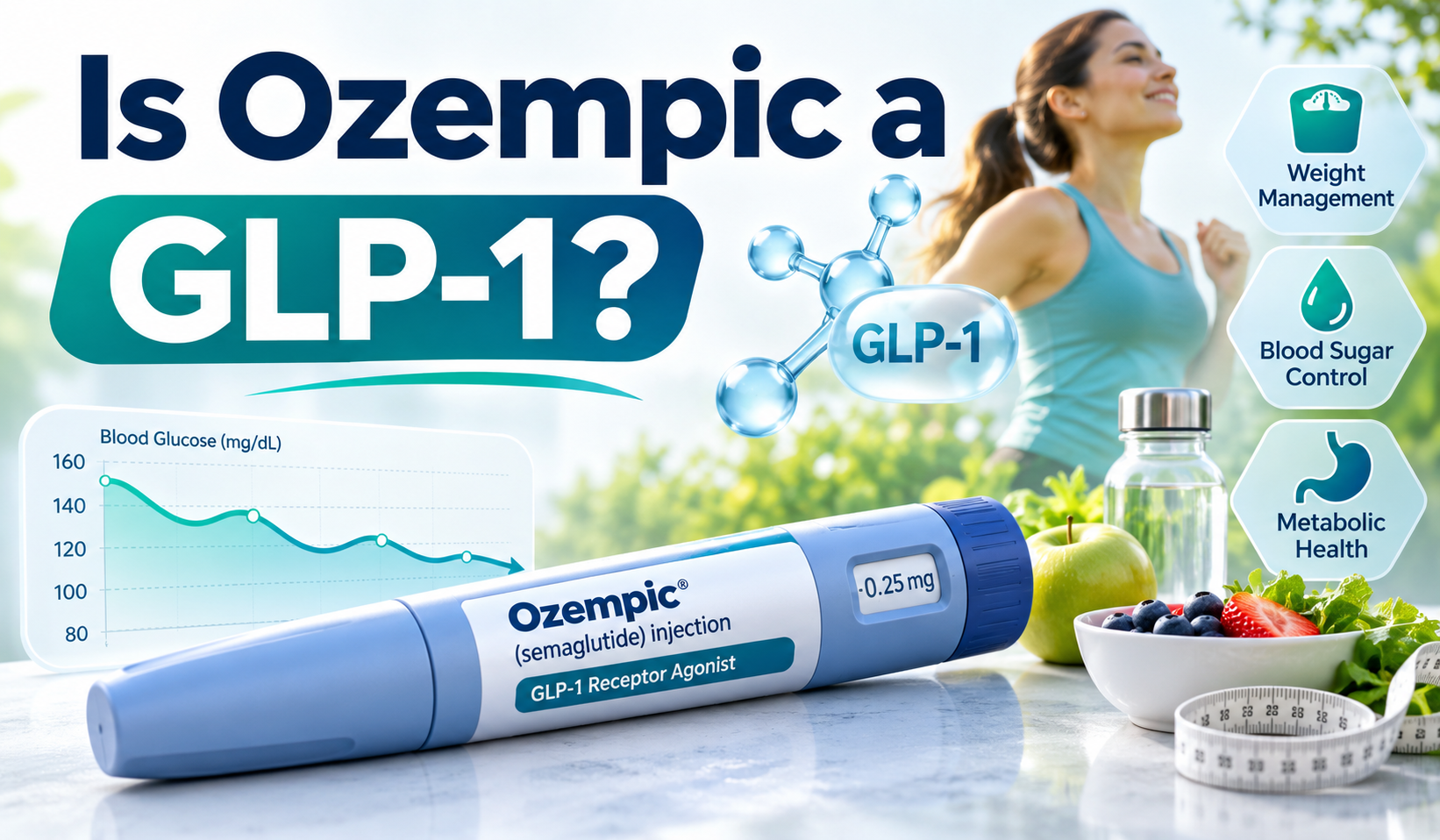
Originally approved by the U.S. Food and Drug Administration (FDA) in 2017, Ozempic has become an important treatment option for adults with type 2 diabetes. Its ability to improve blood sugar control and influence appetite has also attracted attention in weight management.
Understanding what makes Ozempic a GLP-1 medication can help explain its benefits, potential side effects, and differences from other treatments.
This guide explores how Ozempic works, its approved medical uses, weight-loss effects, recommended dosing, and important safety considerations.
 GLP-1 Starting at $59 Per Month – 100% Online
Is Ozempic a GLP-1?
Yes, Ozempic is a GLP-1 receptor agonist containing semaglutide, a medication that mimics the action of the natural glucagon-like peptide-1 hormone.
It helps regulate blood sugar levels by stimulating insulin release when glucose is elevated, reducing unnecessary glucagon secretion, and slowing stomach emptying.
Ozempic also influences areas of the brain involved in appetite regulation, potentially reducing hunger and helping people feel satisfied with smaller portions.
In the United States, Ozempic is FDA-approved to improve blood sugar control in adults with type 2 diabetes alongside diet and exercise. Ozempic injection also has specific cardiovascular and kidney-related indications for eligible adults with type 2 diabetes.
Although Ozempic can produce meaningful weight loss, weight management is not its primary FDA-approved indication.
What Is Ozempic?
Ozempic is a prescription medication developed by Novo Nordisk that contains the active ingredient semaglutide. It belongs to the GLP-1 receptor agonist family, which is used primarily in diabetes care and, for certain medications, chronic weight management.
Semaglutide is designed to act similarly to the body’s natural GLP-1 hormone. Unlike natural GLP-1, which breaks down rapidly, semaglutide remains active for considerably longer.
Ozempic was initially introduced as a once-weekly injection. In 2026, the FDA also approved the Ozempic name for an oral semaglutide tablet formulation previously associated with Rybelsus.
Both formulations help regulate blood glucose through GLP-1 receptor activation, although their administration instructions and dosing differ.
Ozempic is not insulin. Instead, it supports the body’s own glucose-regulating processes, making it an established treatment option for many adults managing type 2 diabetes.
What Does GLP-1 Mean?
GLP-1 stands for glucagon-like peptide-1, a hormone naturally released by specialized cells in the intestines after eating.
This hormone plays an important role in how the body processes food and regulates blood sugar.
When GLP-1 is released, it sends signals to the pancreas, stomach, and brain. These signals help the body respond appropriately to incoming nutrients.
Natural GLP-1 performs several essential functions:
-
Stimulates insulin secretion: Encourages the pancreas to release insulin when blood sugar rises.
-
Reduces glucagon release: Helps limit unnecessary glucose production by the liver.
-
Slows gastric emptying: Allows food to move more gradually from the stomach into the intestines.
-
Promotes fullness: Communicates with appetite-regulating areas of the brain.
-
Supports glucose regulation: Helps maintain healthier blood sugar responses after meals.
Because naturally produced GLP-1 has a short lifespan, researchers developed medications capable of activating GLP-1 receptors for longer periods.
Ozempic is one example of this pharmaceutical approach.
GLP-1 Starting at $59 Per Month – 100% Online
How Does Ozempic Work as a GLP-1 Medication?
Ozempic works by activating GLP-1 receptors throughout the body. Its active ingredient, semaglutide, produces several coordinated effects that support glucose management and influence eating behavior.
1. Stimulates Insulin Release
Insulin helps move glucose from the bloodstream into cells, where it can be used for energy.
People with type 2 diabetes often experience reduced insulin sensitivity or inadequate insulin production.
Ozempic encourages the pancreas to release insulin when blood glucose levels are elevated.
Because this response depends on glucose levels, Ozempic used alone has a relatively low risk of causing hypoglycemia compared with certain other diabetes medications.
2. Reduces Excess Glucagon
Glucagon is another hormone produced by the pancreas.
Its primary function is to signal the liver to release stored glucose when the body needs additional energy.
In people with type 2 diabetes, glucagon levels may remain unnecessarily elevated, contributing to high blood sugar.
Ozempic helps reduce inappropriate glucagon secretion, supporting more balanced glucose regulation.
3. Slows Stomach Emptying
Ozempic delays the movement of food from the stomach into the small intestine.
This process can influence how quickly nutrients enter the bloodstream after eating.
Slower gastric emptying may help moderate post-meal blood sugar increases and contribute to longer-lasting fullness.
This effect also explains some of the digestive side effects associated with GLP-1 medications.
4. Influences Appetite Signals
Semaglutide acts on brain pathways involved in hunger, appetite, and food intake.
Many people taking Ozempic experience reduced hunger and feel satisfied after eating smaller quantities of food.
These changes can make it easier to maintain a calorie deficit, which may contribute to weight loss.
5. Supports Long-Term Metabolic Management
Ozempic’s effects on insulin, glucagon, and appetite can work together to improve metabolic health.
For eligible individuals, treatment may help achieve more consistent blood sugar control while supporting healthier weight-management habits.
Its overall effectiveness depends on individual health conditions, treatment adherence, nutrition, physical activity, and other medical factors.
Is Ozempic Used for Weight Loss?
Yes, Ozempic can help people lose weight, even though it is primarily approved for managing type 2 diabetes rather than chronic weight management.
Weight loss occurs largely because semaglutide affects appetite regulation, encourages earlier fullness, and can reduce overall food intake.
People taking Ozempic may notice that they become satisfied with smaller meals, experience fewer hunger sensations, or find it easier to manage portion sizes.
These effects can contribute to gradual reductions in body weight.
GLP-1 Starting at $59 Per Month – 100% Online
How Much Weight Can You Lose on Ozempic?
Weight loss varies depending on dosage, starting weight, treatment duration, dietary habits, and individual response.
In clinical trials involving people with type 2 diabetes, Ozempic was associated with average weight reductions of several kilograms over periods of approximately 30–56 weeks, depending on the study and treatment group.
Some participants experienced greater reductions, while others lost less weight.
Higher-dose semaglutide formulations specifically developed for weight management have demonstrated larger average weight reductions in dedicated obesity trials.
It is important to distinguish results from Ozempic studies from those involving Wegovy, since the brands have different approved uses and dosing schedules.
Ozempic should not be started or increased solely for weight loss without appropriate medical assessment.
What Are the Benefits of Ozempic?
Ozempic offers several clinically established benefits for eligible adults, particularly those managing type 2 diabetes.
Better Blood Sugar Control
Ozempic helps reduce elevated blood glucose and improve HbA1c, a measure reflecting average blood sugar levels over approximately three months.
Potential Weight Reduction
Its appetite-regulating effects can help reduce calorie consumption and support gradual weight loss, especially when combined with balanced eating habits.
Cardiovascular Risk Reduction
Ozempic injection is approved to reduce the risk of major adverse cardiovascular events, including cardiovascular death, nonfatal heart attack, and nonfatal stroke, in adults with type 2 diabetes and established cardiovascular disease.
Kidney Protection in Eligible Patients
Ozempic injection is also approved to reduce the risk of sustained kidney-function decline, kidney failure, and cardiovascular death in adults with type 2 diabetes and chronic kidney disease.
Convenient Weekly Injection
The injectable formulation is administered once weekly, making it a practical option for individuals who prefer less frequent dosing than daily injectable treatments.
These benefits are supported by clinical research, but not every indication applies to every patient.
GLP-1 Starting at $59 Per Month – 100% Online
Ozempic vs. Other GLP-1 Medications: What’s the Difference?
Ozempic belongs to a broader family of medications that includes several treatments used for type 2 diabetes and weight management.
Although they share related mechanisms, their active ingredients, approved indications, dosing schedules, and effectiveness can differ.
| Medication | Active ingredient | Primary treatment focus |
|---|---|---|
| Ozempic | Semaglutide | Type 2 diabetes and specific cardiovascular/kidney risk reduction |
| Wegovy | Semaglutide | Chronic weight management and other approved indications |
| Rybelsus | Semaglutide | Type 2 diabetes |
| Trulicity | Dulaglutide | Type 2 diabetes |
| Saxenda | Liraglutide | Chronic weight management |
| Mounjaro | Tirzepatide | Type 2 diabetes |
| Zepbound | Tirzepatide | Chronic weight management and certain other indications |
Tirzepatide differs from traditional GLP-1-only medications because it activates both GLP-1 and glucose-dependent insulinotropic polypeptide (GIP) receptors.
The best treatment depends on a person’s medical history, treatment goals, tolerability, and eligibility.
Is Ozempic the Same as Wegovy?
Ozempic and Wegovy share the same active ingredient, semaglutide, and both belong to the GLP-1 receptor agonist class.
Their main differences involve FDA-approved uses and dosage schedules.
Ozempic is primarily prescribed for adults with type 2 diabetes. The injectable formulation can also provide cardiovascular and kidney benefits for patients meeting specific clinical criteria.
Wegovy is specifically approved for long-term weight management in eligible individuals with obesity or overweight accompanied by certain weight-related conditions.
Wegovy injection also has higher approved weight-management maintenance doses than Ozempic injection.
Although the medications contain the same active molecule, they should not be considered automatically interchangeable.
Patients interested in switching formulations or brands should discuss appropriate dosing and treatment goals with their healthcare provider.
GLP-1 Starting at $59 Per Month – 100% Online
How Is Ozempic Taken?
Ozempic dosing depends on whether the patient receives the injectable or oral formulation.
Ozempic Weekly Injection
The injectable version is administered under the skin of the abdomen, upper arm, or thigh.
A common dosing schedule for type 2 diabetes begins with 0.25 mg once weekly for four weeks, followed by 0.5 mg once weekly.
A healthcare provider may subsequently increase the dosage to 1 mg or 2 mg weekly when additional blood sugar control is needed.
The initial 0.25 mg dose is intended to help the body adjust and is not considered a maintenance dose for glucose control.
Ozempic Oral Tablets
Ozempic tablets contain semaglutide but are taken daily rather than weekly.
They have specific administration instructions that differ from injectable Ozempic, including requirements related to taking the medication on an empty stomach.
Patients should follow the exact instructions supplied with their prescribed formulation.
Never combine semaglutide products or change dosages without medical guidance.
How Long Does Ozempic Take to Work?
Ozempic begins activating GLP-1 receptors after treatment starts, but noticeable results develop at different rates.
Blood sugar improvements may begin during the early weeks, while HbA1c changes are typically assessed after several months.
Appetite changes can occur relatively early, although individual experiences vary.
Weight loss generally develops gradually over weeks and months rather than immediately.
Several factors influence treatment response, including dosage adjustments, baseline metabolic health, existing medications, and lifestyle habits.
Semaglutide also takes time to reach steady concentrations in the body, which helps explain why its full effects may not be apparent after the first dose.
Following the prescribed schedule and attending regular medical reviews can help clinicians assess whether treatment goals are being achieved.
GLP-1 Starting at $59 Per Month – 100% Online
What Are the Side Effects of Ozempic?
Like other GLP-1 receptor agonists, Ozempic may cause side effects, particularly when treatment begins or the dosage increases.
The most commonly reported effects involve the digestive system.
These include nausea, vomiting, diarrhea, constipation, and abdominal discomfort.
Digestive symptoms often improve as the body adapts, although some people experience persistent or severe symptoms.
Smaller meals, eating slowly, avoiding unusually large portions, and maintaining adequate hydration may help some patients manage mild gastrointestinal discomfort.
More serious risks include pancreatitis, gallbladder problems, dehydration-related kidney injury, severe gastrointestinal reactions, and allergic reactions.
Ozempic may also increase the risk of low blood sugar when combined with insulin or certain medications that stimulate insulin secretion.
People with diabetic retinopathy may require additional eye monitoring.
Ozempic carries a boxed warning regarding thyroid C-cell tumors observed in rodents. It is unknown whether this risk occurs in humans. The medication must not be used by people with a personal or family history of medullary thyroid carcinoma or multiple endocrine neoplasia syndrome type 2.
Persistent severe abdominal pain, serious allergic symptoms, or significant changes in vision require prompt medical evaluation.
Who May Benefit From Ozempic?
Ozempic may be suitable for adults with type 2 diabetes who need additional support controlling blood glucose despite dietary changes, exercise, or other medications.
It may be particularly relevant when a patient also has established cardiovascular disease or chronic kidney disease, because of the additional benefits demonstrated for eligible populations.
Healthcare professionals consider several factors before prescribing Ozempic, including current HbA1c, body weight, medication history, kidney health, digestive conditions, and potential contraindications.
People with type 1 diabetes should not use Ozempic as a replacement for insulin.
Patients with severe gastroparesis, certain thyroid cancer histories, or serious semaglutide allergies may not be suitable candidates.
Ozempic is also generally avoided during pregnancy. For a planned pregnancy, prescribing information recommends stopping semaglutide at least two months beforehand.
Treatment decisions should always be individualized rather than based solely on interest in weight loss.
GLP-1 Starting at $59 Per Month – 100% Online
Can Ozempic Be Combined With Diet and Exercise?
Yes. Healthy eating and regular physical activity remain important components of treatment with Ozempic.
The medication can make some dietary changes easier by reducing appetite, but adequate nutrition remains essential.
A balanced eating plan should include sufficient protein, fiber-rich vegetables, whole grains, healthy fats, and appropriate hydration.
Because reduced appetite can make people eat less than usual, maintaining nutritional quality is especially important.
Resistance training may help preserve muscle mass during weight loss, while walking, cycling, swimming, or other aerobic activities can support cardiovascular health.
For people with diabetes, regular blood glucose monitoring and healthcare appointments are also valuable.
The goal is not simply to lose weight but to support sustainable metabolic health through a combination of medication, nutrition, physical activity, and appropriate medical care.
Is Ozempic a GLP-1 or Insulin?
Ozempic is a GLP-1 receptor agonist, not a form of insulin.
The distinction is important because the two treatments work differently.
Insulin directly provides or supplements the hormone responsible for helping cells absorb glucose from the bloodstream.
Ozempic instead activates GLP-1 receptors, encouraging the pancreas to release its own insulin when glucose levels are elevated.
It also reduces glucagon secretion and influences appetite and digestion.
Some people with type 2 diabetes may receive both insulin and Ozempic when clinically appropriate.
When the treatments are combined, a healthcare provider may need to adjust insulin dosage to reduce the risk of hypoglycemia.
Ozempic cannot replace essential insulin therapy in people with type 1 diabetes.
Final Thoughts:
Yes, Ozempic is a GLP-1 receptor agonist containing semaglutide, a prescription medication that supports blood sugar regulation by mimicking the effects of the body’s natural GLP-1 hormone.
Its ability to stimulate glucose-dependent insulin secretion, reduce glucagon release, influence appetite, and slow gastric emptying makes it an important treatment option for adults with type 2 diabetes.
Beyond improving glucose control, Ozempic injection has demonstrated meaningful cardiovascular and kidney benefits in specific patient populations. Weight loss is another commonly observed effect, although Ozempic is not primarily approved as a weight-management medication.
Understanding these distinctions can help patients have more informed discussions with their healthcare providers about whether Ozempic or another GLP-1 treatment is appropriate for their long-term health goals.
GLP-1 Starting at $59 Per Month – 100% Online
References
https://www.webmd.com/drugs/ozempic-semaglutide
