Is Rybelsus a GLP-1 Medication? Benefits, Uses & Side Effects
Rybelsus is a GLP-1 medication. It contains semaglutide, an active ingredient belonging to a class of prescription medicines known as glucagon-like peptide-1 (GLP-1) receptor agonists.
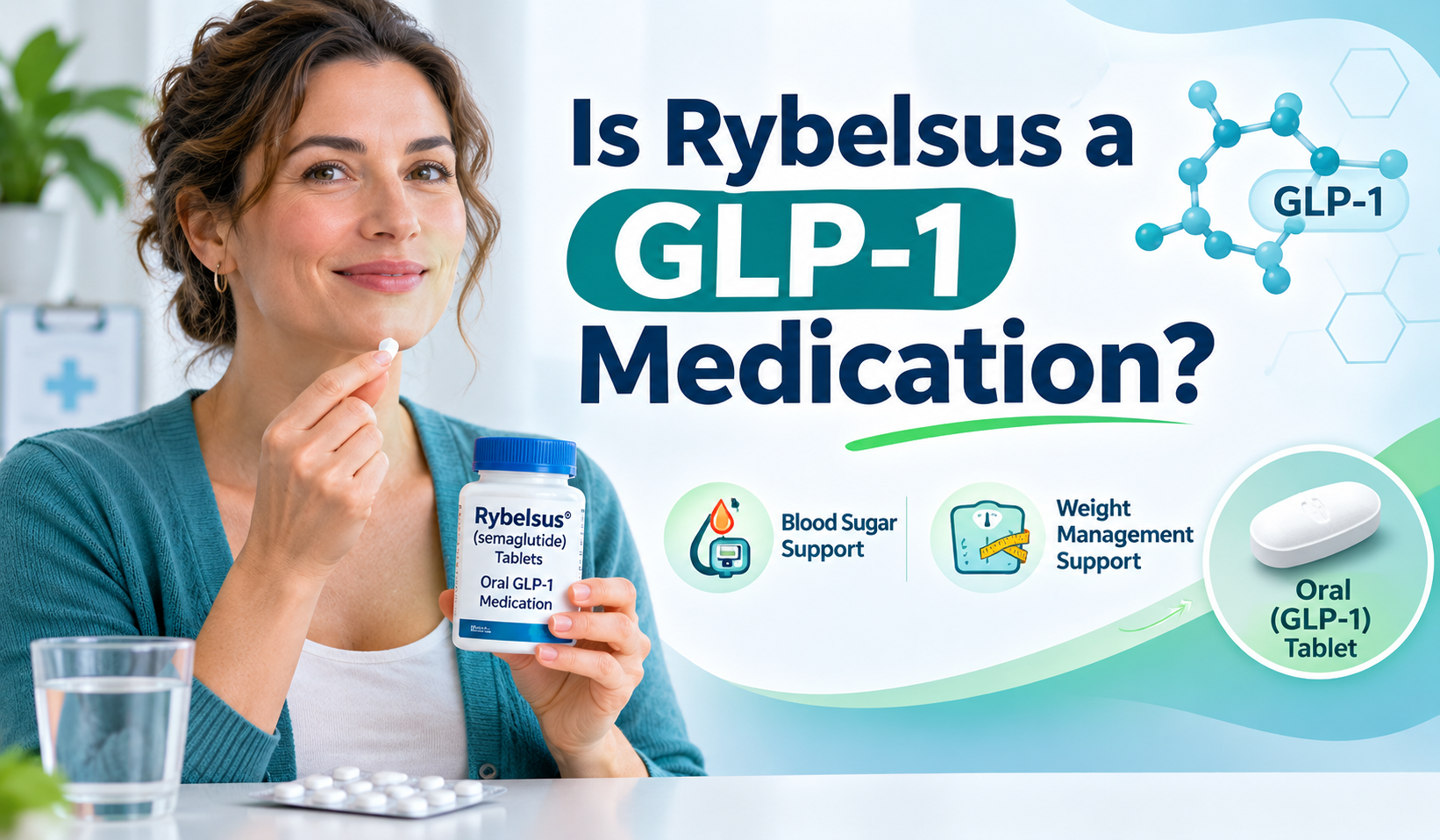
GLP-1 treatments administered through injections, Rybelsus comes as an oral tablet taken once daily.
GLP-1 medications have become increasingly popular because of their role in managing type 2 diabetes, regulating blood sugar, controlling appetite, and supporting weight management.
Rybelsus offers an alternative for individuals who prefer tablets over injectable diabetes medications.
Although Rybelsus contains the same active ingredient as certain other GLP-1 treatments, its approved uses, dosing instructions, and expected results differ.
Understanding how Rybelsus works, its potential benefits, and how it compares with other medications can help patients make informed decisions about their diabetes treatment.
What Is Rybelsus?
Rybelsus is a prescription oral medication developed by Novo Nordisk to help adults with type 2 diabetes manage their blood sugar levels. Its active ingredient, semaglutide, mimics the effects of a naturally occurring hormone called glucagon-like peptide-1.
The medication helps the body release insulin when blood sugar is elevated, reduces excess glucagon secretion, and slows stomach emptying. Together, these actions support improved blood sugar regulation.
Rybelsus was the first oral GLP-1 receptor agonist approved in the United States. Its tablet formulation provides an alternative to injectable treatments, although it requires specific administration instructions to ensure adequate absorption.
Under current U.S. prescribing information, Rybelsus is indicated alongside diet and exercise to improve blood sugar control and to reduce the risk of major cardiovascular events in adults with type 2 diabetes who are at high risk.
 GLP-1 Starting at $59 Per Month – 100% Online
Is Rybelsus Considered a GLP-1 Medication?
Yes, Rybelsus belongs to the GLP-1 receptor agonist family, the same general medication class as Ozempic, Wegovy, Trulicity, and Victoza.
GLP-1 is a hormone naturally produced in the intestines after eating. It communicates with several organs, including the pancreas, stomach, and brain, to help regulate glucose levels and feelings of fullness.
Rybelsus mimics this hormone through semaglutide, which activates GLP-1 receptors throughout the body.
Its main actions include:
-
Improved insulin release: Encourages insulin production when blood glucose levels are elevated.
-
Reduced glucagon secretion: Helps prevent excessive glucose release from the liver.
-
Slower gastric emptying: Delays how quickly food leaves the stomach.
-
Appetite regulation: Influences hunger and fullness signals.
-
Better glucose management: Helps maintain healthier blood sugar levels in adults with type 2 diabetes.
These effects explain why Rybelsus is classified as a GLP-1 receptor agonist despite being available in tablet form.
How Does Rybelsus Work in the Body?
Rybelsus works by imitating the biological activity of the GLP-1 hormone. Its effects involve several interconnected processes that help the body manage blood sugar more effectively.
1. Stimulates Insulin Production
Insulin is a hormone responsible for helping glucose move from the bloodstream into cells, where it can be used for energy.
In people with type 2 diabetes, insulin production or insulin sensitivity may be insufficient.
Rybelsus stimulates insulin secretion when glucose levels are elevated. This glucose-dependent activity contributes to improved blood sugar control while limiting the risk of low blood sugar when the medication is used alone.
2. Reduces Glucagon Release
Glucagon is another pancreatic hormone that signals the liver to release stored glucose.
When glucagon levels remain unnecessarily elevated, blood sugar can rise.
Rybelsus helps suppress excessive glucagon secretion in a glucose-dependent manner, supporting more balanced glucose levels throughout the day.
3. Slows Stomach Emptying
Rybelsus delays the movement of food from the stomach into the small intestine.
This can reduce how quickly glucose enters the bloodstream following meals, helping moderate post-meal blood sugar increases.
Slower stomach emptying may also contribute to prolonged feelings of fullness.
4. Influences Appetite and Satiety
Semaglutide acts on pathways involved in appetite regulation.
Some individuals taking Rybelsus experience reduced hunger, earlier fullness during meals, and less interest in large portions.
These effects can contribute to weight loss, although Rybelsus is not specifically approved for chronic weight management in the United States.
5. Supports Long-Term Blood Sugar Management
By improving insulin response, reducing glucagon activity, and influencing digestion, Rybelsus helps lower average blood glucose levels.
Over time, improved glucose control can be reflected in reductions in hemoglobin A1c (HbA1c), a measurement of average blood sugar over approximately three months.
GLP-1 Starting at $59 Per Month – 100% Online
What Are the Benefits of Rybelsus?
Rybelsus offers several clinically relevant benefits for adults with type 2 diabetes, particularly those seeking an oral alternative to injectable GLP-1 treatments.
Improved Blood Sugar Control
Rybelsus helps reduce elevated blood glucose by supporting glucose-dependent insulin secretion and limiting unnecessary glucagon release. Clinical trials have demonstrated meaningful improvements in HbA1c.
Convenient Oral Administration
Unlike many injectable GLP-1 medications, Rybelsus is taken as a daily tablet. This may appeal to people who prefer avoiding needles, provided they can follow its strict morning dosing instructions.
Potential Weight Reduction
Some people experience weight loss while taking Rybelsus because semaglutide influences appetite, fullness, and food intake. The amount varies depending on individual circumstances.
Cardiovascular Risk Reduction
Rybelsus has a U.S. indication for reducing the risk of major cardiovascular events, including cardiovascular death, nonfatal heart attack, and nonfatal stroke, in adults with type 2 diabetes who are at high risk.
Improved Appetite Regulation
By acting on GLP-1 pathways involved in satiety, Rybelsus may help some individuals feel satisfied after smaller meals and reduce excessive calorie consumption.
Flexible Diabetes Treatment Planning
Rybelsus can be prescribed alone or alongside certain other diabetes medications when clinically appropriate. Healthcare professionals can tailor treatment based on glucose levels, other medical conditions, and treatment goals.
Is Rybelsus Used for Weight Loss?
Rybelsus can lead to weight loss, but it is not FDA-approved specifically as a weight-loss medication.
Its primary role is treating type 2 diabetes, with an additional approved cardiovascular risk-reduction indication for eligible patients.
Nevertheless, weight reduction is a well-recognized effect of semaglutide treatment.
Rybelsus may influence body weight through three mechanisms: reducing appetite, increasing feelings of fullness, and helping individuals consume fewer calories.
In clinical studies, participants receiving oral semaglutide experienced reductions in body weight alongside improvements in glucose control. The degree of weight loss varied according to treatment dose, study duration, and individual characteristics.
It is important to distinguish Rybelsus from Wegovy, which is a semaglutide product specifically approved for weight management in eligible populations.
Patients seeking treatment primarily for obesity should discuss approved weight-management options with their healthcare provider rather than assuming different semaglutide products are interchangeable.
GLP-1 Starting at $59 Per Month – 100% Online
Rybelsus vs. Other GLP-1 Medications: What’s the Difference?
Although Rybelsus belongs to the same medication class as several widely prescribed diabetes and weight-management treatments, differences in formulation, administration, and approved indications are important.
| Medication | Active Ingredient | Administration | Main Uses |
|---|---|---|---|
| Rybelsus | Semaglutide | Daily oral tablet | Type 2 diabetes and cardiovascular risk reduction in eligible adults |
| Ozempic | Semaglutide | Weekly injection; oral formulation also approved | Type 2 diabetes and specified risk-reduction indications |
| Wegovy | Semaglutide | Weekly injection or daily oral tablet | Chronic weight management and other approved indications |
| Trulicity | Dulaglutide | Weekly injection | Type 2 diabetes and cardiovascular risk reduction |
| Victoza | Liraglutide | Daily injection | Type 2 diabetes and cardiovascular risk reduction |
| Mounjaro | Tirzepatide | Weekly injection | Type 2 diabetes |
One notable distinction is that tirzepatide, the active ingredient in Mounjaro, activates both GIP and GLP-1 receptors, while semaglutide specifically acts as a GLP-1 receptor agonist.
Rybelsus is particularly relevant for individuals interested in semaglutide therapy without injections.
However, choosing between these treatments depends on medical history, treatment goals, tolerability, insurance coverage, and individual response.
Is Rybelsus the Same as Ozempic?
Rybelsus and Ozempic share the same active ingredient, semaglutide, but they are not identical products.
Rybelsus is an oral tablet taken daily, whereas Ozempic became widely known as a once-weekly injectable medication. An oral Ozempic formulation has also been approved, so the distinction now depends on the specific product.
Both medicines activate GLP-1 receptors and support glucose regulation through similar biological mechanisms.
However, they differ in formulation, dosing schedules, absorption, and available strengths.
Because oral semaglutide has different absorption characteristics from injectable semaglutide, milligram doses cannot be compared directly.
Patients should never switch between these medications or substitute one dose for another without guidance from their prescribing healthcare professional.
How Long Does Rybelsus Take to Work?
Rybelsus begins activating GLP-1 receptors after treatment starts, but noticeable improvements in blood sugar and appetite may develop gradually.
During the first month, most patients use a lower starting dose designed to help their bodies adjust to treatment.
The initial dose is not intended to provide full blood sugar control.
After the dose increases, patients may experience more noticeable improvements in glucose readings.
Because semaglutide accumulates gradually in the body, reaching steady-state levels generally takes several weeks.
HbA1c improvements are commonly evaluated after approximately three months because this blood test reflects average glucose levels over the preceding two to three months.
Some individuals notice changes in appetite earlier, but the experience varies.
Consistent use, appropriate dose escalation, regular monitoring, and recommended lifestyle changes all contribute to treatment outcomes.
GLP-1 Starting at $59 Per Month – 100% Online
What Is the Recommended Rybelsus Dosage?
Rybelsus is available in 3 mg, 7 mg, and 14 mg tablet strengths in the United States.
The usual dosing progression follows a gradual approach intended to improve tolerability.
| Treatment Period | Typical Rybelsus Dose | Purpose |
|---|---|---|
| First 30 days | 3 mg once daily | Initial adjustment period |
| After 30 days | 7 mg once daily | Blood sugar management |
| After at least 30 days on 7 mg | 14 mg once daily, if needed | Additional glucose control |
The 3 mg starting dose is not considered effective for glycemic control.
The 14 mg strength is prescribed when additional glucose reduction is needed and the medication is appropriately tolerated.
Different oral semaglutide formulations may have other strengths, and they must not be substituted milligram for milligram.
How Should You Take Rybelsus Correctly?
Rybelsus requires particular administration instructions because food, beverages, and other oral medications can interfere with absorption.
For best results, patients should follow these instructions:
-
Take one prescribed tablet when you first wake up, on an empty stomach.
-
Swallow the tablet whole with no more than 4 ounces (approximately 120 mL) of plain water.
-
Avoid crushing, chewing, splitting, or dissolving the tablet.
-
Wait at least 30 minutes before eating, drinking, or taking other oral medications.
-
Take no more than one Rybelsus tablet daily.
If a dose is missed, skip it and take the next scheduled dose the following day rather than doubling up.
Following these instructions consistently is essential for reliable absorption and effectiveness.
What Are the Side Effects of Rybelsus?
Like other GLP-1 medications, Rybelsus can cause side effects, particularly during the initial treatment period and following dose increases.
The most commonly reported side effects include nausea, abdominal discomfort, diarrhea, decreased appetite, vomiting, and constipation.
In placebo-controlled trials, nausea occurred in approximately 11% of patients taking 7 mg and 20% taking 14 mg. Gastrointestinal reactions were more common during dose escalation.
Some digestive symptoms improve as the body adjusts, but persistent or severe symptoms require medical assessment.
More serious risks include pancreatitis, gallbladder problems, dehydration-related kidney injury, severe gastrointestinal reactions, and allergic reactions. Low blood sugar is more likely when Rybelsus is combined with insulin or certain other diabetes medications.
Rybelsus also carries a boxed warning about thyroid C-cell tumors observed in rodents. It is unknown whether this risk applies to humans, but the medication must not be used by people with a personal or family history of medullary thyroid carcinoma or multiple endocrine neoplasia syndrome type 2.
Severe, persistent abdominal pain, significant dehydration, or sudden vision changes require prompt medical attention.
GLP-1 Starting at $59 Per Month – 100% Online
Who Should Consider Rybelsus?
Rybelsus may be appropriate for adults with type 2 diabetes who need additional blood sugar management and prefer an oral medication over injections.
It may also be considered for eligible adults with type 2 diabetes who are at high cardiovascular risk.
Healthcare providers assess several factors before prescribing Rybelsus, including current HbA1c, existing diabetes medications, cardiovascular history, kidney function, and digestive health.
Rybelsus is not appropriate for everyone. Patients with certain thyroid cancer histories, severe medication allergies, or specific medical concerns may require other treatment options.
People who are pregnant, planning pregnancy, or breastfeeding should discuss treatment with their clinician. Semaglutide should be stopped at least two months before a planned pregnancy.
The most suitable treatment is the one that meets an individual’s medical needs while offering an acceptable balance of benefits, risks, and convenience.
How to Get the Best Results From Rybelsus
Rybelsus works most effectively as part of a comprehensive diabetes management plan. While the medication directly influences glucose-regulating hormones, daily habits remain important.
Maintain a balanced diet: Include vegetables, whole grains, lean proteins, healthy fats, and fiber-rich foods. Balanced meals help support more consistent blood glucose levels.
Stay physically active: Regular walking, resistance training, swimming, or other suitable exercises can improve insulin sensitivity and support cardiovascular health.
Monitor blood sugar: Follow your healthcare provider’s recommendations for glucose monitoring, particularly when Rybelsus is combined with medications that can cause hypoglycemia.
Stay hydrated: Drinking adequate fluids is important, especially if nausea, vomiting, or diarrhea develops during treatment.
Attend regular appointments: Periodic HbA1c testing and medical reviews allow healthcare professionals to evaluate progress and adjust treatment when necessary.
Consistency matters. Rybelsus should be taken as prescribed, and patients should not increase their dosage independently to accelerate weight loss or glucose improvement.
Final Verdict:
Yes, Rybelsus is a legitimate prescription GLP-1 receptor agonist containing semaglutide. Its oral formulation offers an important alternative for adults with type 2 diabetes who prefer daily tablets instead of injections.
Rybelsus helps regulate blood glucose through insulin stimulation, glucagon suppression, and delayed gastric emptying. It can also reduce appetite and contribute to weight loss in some patients.
Its benefits extend to cardiovascular risk reduction in eligible adults with type 2 diabetes, making it an important option in modern diabetes management.
For individuals considering GLP-1 treatment, Rybelsus is worth discussing with a qualified healthcare professional. The decision should reflect personal treatment goals, existing health conditions, potential side effects, and the practical requirements of taking the medication correctly.
Ultimately, Rybelsus demonstrates that GLP-1 treatment is not limited to injections. Oral semaglutide provides another evidence-based option for managing type 2 diabetes and supporting long-term metabolic health.
GLP-1 Starting at $59 Per Month – 100% Online
References
https://www.webmd.com/obesity/features/natural-glp1-boosters
https://en.wikipedia.org/wiki/Semaglutide
https://www.healthline.com/health/weight-loss/glp1-for-weight-loss
