Is Tresiba a GLP-1 Drug? How It Works & Key Benefits
Managing diabetes often involves understanding several medications that help regulate blood sugar levels.
With the growing popularity of GLP-1 medications such as Ozempic, Wegovy, and Trulicity, many people are wondering whether other commonly prescribed diabetes treatments belong to the same category.
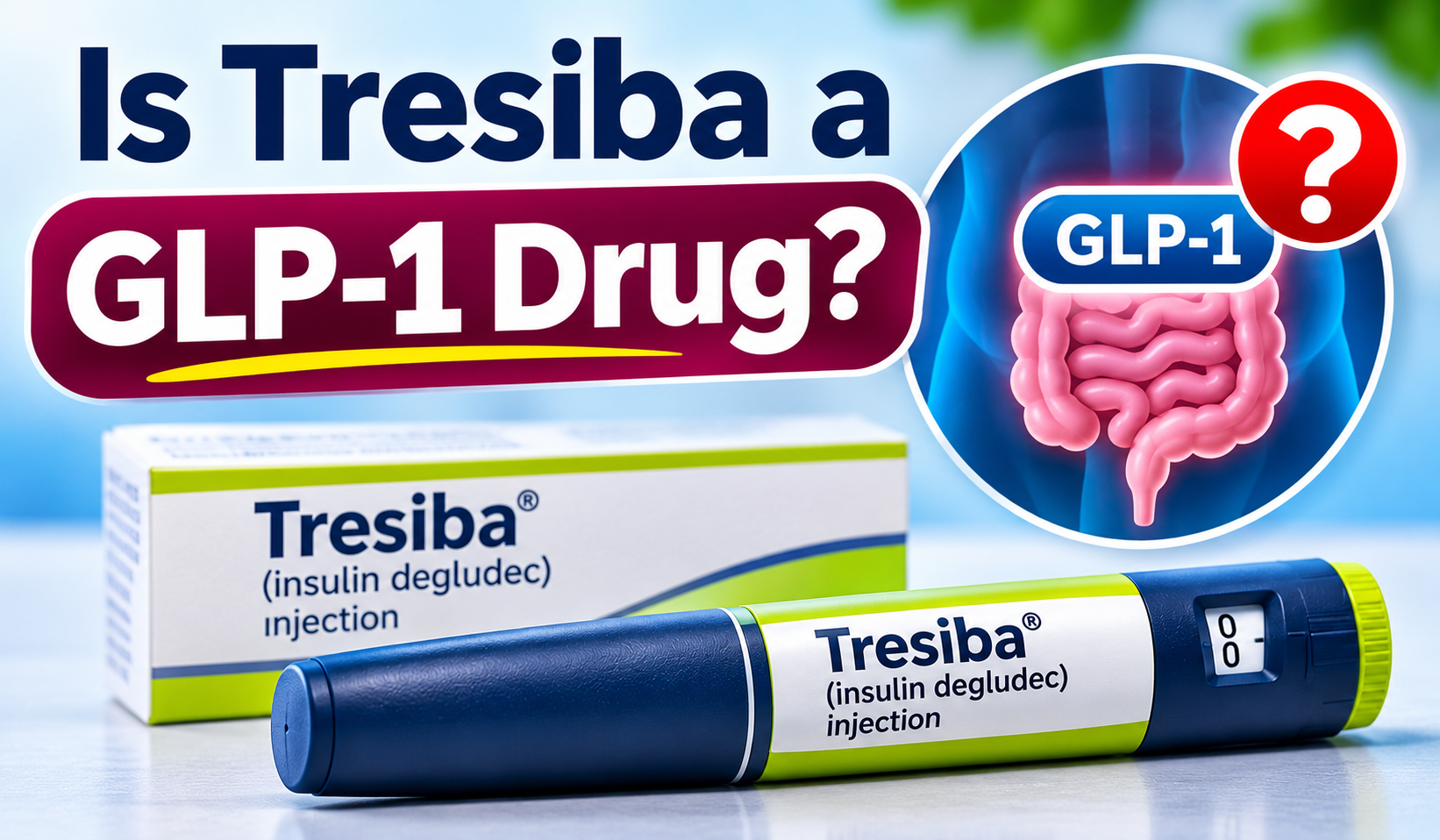
Tresiba is a widely prescribed injectable medication used to manage blood glucose in people with type 1 and type 2 diabetes.
Although it shares the goal of improving blood sugar control with GLP-1 medications, it works through a completely different biological mechanism.
Understanding these differences is important because medications vary in their effects on insulin levels, appetite, body weight, and long-term diabetes management.
In this guide, we’ll explain what Tresiba is, how it works, how it compares with GLP-1 medications, its potential benefits and side effects, and when healthcare providers might recommend using these treatments together.
Is Tresiba a GLP-1 Drug?
Tresiba is not a GLP-1 drug. Tresiba (insulin degludec) is an ultra-long-acting basal insulin used to control blood sugar in people with type 1 and type 2 diabetes. Unlike GLP-1 receptor agonists, which stimulate insulin release when glucose levels are elevated, Tresiba supplies insulin directly to the body.
Tresiba provides a slow, steady release of insulin that helps maintain blood glucose levels throughout the day and night. Its glucose-lowering action lasts for more than 42 hours, although it is generally administered once daily.
GLP-1 medications, on the other hand, mimic the effects of glucagon-like peptide-1, a natural hormone involved in blood sugar regulation, appetite control, and digestion.
While both medication categories can improve diabetes management, Tresiba primarily provides consistent background insulin coverage, whereas GLP-1 therapies influence several metabolic pathways.
Tresiba is manufactured by Novo Nordisk and is approved in the United States for adults and children aged one year and older with diabetes.
 GLP-1 Starting at $59 Per Month – 100% Online
What Is Tresiba?
Tresiba is a prescription insulin medication containing insulin degludec, an ultra-long-acting insulin analog designed to provide consistent blood sugar control.
Insulin is an essential hormone produced by the pancreas. It helps glucose move from the bloodstream into cells, where it can be used for energy or stored for later use.
People with type 1 diabetes produce little or no insulin, making insulin replacement necessary for survival. Individuals with type 2 diabetes may produce insulin but have difficulty using it efficiently, a condition known as insulin resistance.
As type 2 diabetes progresses, some individuals may also experience reduced insulin production.
Tresiba helps address these challenges by providing a steady supply of insulin throughout the day.
Unlike rapid-acting insulin, which is designed to manage blood sugar increases around meals, Tresiba works gradually to control background glucose levels.
It is available in two concentrations:
-
Tresiba U-100: Contains 100 units of insulin per milliliter.
-
Tresiba U-200: Contains 200 units of insulin per milliliter.
Both formulations contain the same active ingredient and are designed for once-daily subcutaneous administration. The appropriate concentration and dose depend on individual insulin requirements.
Tresiba is not intended to treat diabetic ketoacidosis, a serious diabetes complication requiring urgent medical treatment.
How Does Tresiba Work in the Body?
Tresiba works by replacing or supplementing the body’s natural insulin supply.
After injection beneath the skin, insulin degludec forms a temporary reservoir of molecules that gradually release insulin into the bloodstream.
This process produces a prolonged and relatively stable glucose-lowering effect.
The medication supports several important functions.
1. Helps Glucose Enter Cells
Insulin allows glucose to move from the bloodstream into muscle and fat cells.
Tresiba supports this process by providing insulin that helps cells absorb glucose and use it for energy.
2. Reduces Glucose Production in the Liver
The liver naturally releases glucose between meals and during sleep to maintain energy availability.
In people with diabetes, this process may contribute to elevated blood sugar levels.
Tresiba helps reduce excessive glucose production by supplying background insulin throughout the day.
3. Supports Overnight Blood Sugar Control
Blood glucose can increase overnight because of hormonal changes and liver glucose production.
Tresiba provides sustained insulin coverage that helps manage fasting blood sugar levels.
4. Provides Long-Lasting Insulin Activity
One distinguishing feature of Tresiba is its exceptionally long duration of action.
Its glucose-lowering effect can extend beyond 42 hours at steady state, helping provide consistent coverage between daily injections.
This does not mean injections should be skipped or taken every 42 hours. Tresiba remains a once-daily medication, with dosing directed by a healthcare professional.
GLP-1 Starting at $59 Per Month – 100% Online
What Are GLP-1 Medications?
GLP-1 medications are a class of treatments known as glucagon-like peptide-1 receptor agonists.
They work by activating receptors that respond to GLP-1, a hormone naturally released by the intestines after eating.
This hormone plays several roles in regulating metabolism and blood sugar.
GLP-1 medications help stimulate insulin secretion when blood glucose levels are elevated. They also reduce inappropriate glucagon release, slow gastric emptying, and influence appetite-related signaling in the brain.
These combined effects can improve blood sugar regulation while supporting weight management in many patients.
Common examples include:
-
Ozempic (semaglutide): A once-weekly injectable GLP-1 medication used for type 2 diabetes.
-
Wegovy (semaglutide): A GLP-1 medication primarily prescribed for chronic weight management and certain additional approved indications.
-
Trulicity (dulaglutide): A once-weekly GLP-1 treatment for type 2 diabetes.
-
Victoza (liraglutide): A daily injectable GLP-1 medication for type 2 diabetes.
-
Rybelsus (semaglutide): An oral GLP-1 medication used for type 2 diabetes.
Mounjaro (tirzepatide) is also frequently discussed alongside GLP-1 medications. Technically, it belongs to a related category because it activates both GIP and GLP-1 receptors.
Unlike Tresiba, these medications are not insulin products.
Their effectiveness depends partly on how the body responds to hormonal signals, including its remaining ability to produce insulin.
Tresiba vs. GLP-1 Medications: What Is the Difference?
Although Tresiba and GLP-1 medications are both used in diabetes care, their mechanisms and treatment goals differ substantially.
Mechanism of Action
Tresiba provides insulin directly to the body, replacing or supplementing insulin that the pancreas cannot produce in sufficient amounts.
GLP-1 medications stimulate glucose-dependent insulin secretion and affect glucagon activity, gastric emptying, and appetite.
Effects on Body Weight
Tresiba is not a weight-loss medication. Insulin treatment may be associated with weight gain, especially when glucose control improves and fewer calories are lost through urine.
GLP-1 medications commonly promote weight loss by reducing appetite and helping patients feel satisfied after eating.
The amount of weight loss varies considerably based on the medication, dose, individual response, and lifestyle factors.
Blood Sugar Control
Tresiba primarily helps control fasting glucose and baseline blood sugar levels between meals.
GLP-1 medications help manage blood glucose through several mechanisms, including effects on insulin secretion and post-meal glucose regulation.
Risk of Hypoglycemia
Tresiba can cause hypoglycemia, particularly if insulin requirements change or the administered dose exceeds the body’s needs.
GLP-1 medications generally have a lower risk of hypoglycemia when used without insulin or medications that stimulate insulin secretion.
The risk increases when GLP-1 treatments are combined with insulin or certain other diabetes medications.
Use in Type 1 Diabetes
Tresiba can be used in type 1 diabetes as part of an insulin regimen that also includes mealtime insulin.
GLP-1 receptor agonists are not substitutes for insulin in type 1 diabetes and are not routinely approved specifically to treat type 1 diabetes in the United States.
These distinctions explain why the treatments are not interchangeable, even when both improve blood sugar levels.
GLP-1 Starting at $59 Per Month – 100% Online
Can Tresiba and GLP-1 Medications Be Used Together?
Yes, Tresiba and GLP-1 medications can sometimes be prescribed together for people with type 2 diabetes who need additional blood sugar management.
This approach combines two treatments that work through different mechanisms.
Tresiba supplies long-lasting basal insulin, while GLP-1 medications help regulate glucose-dependent insulin release, glucagon secretion, appetite, and digestion.
For certain patients, combining these therapies may improve overall glucose control compared with either treatment alone.
Potential advantages include improved HbA1c levels, better fasting and post-meal glucose management, and more favorable weight outcomes compared with simply increasing insulin treatment.
The American Diabetes Association’s 2026 Standards of Care support combining insulin with GLP-1-based therapy in appropriate adults with type 2 diabetes. They also recommend reassessing insulin doses when adding or increasing a GLP-1 medication to reduce hypoglycemia risk.
Patients should never add GLP-1 medication to an existing Tresiba regimen or adjust insulin doses without guidance from their prescribing clinician.
Is Tresiba Used for Weight Loss?
Tresiba is not approved as a weight-loss medication, and weight reduction is not its primary purpose.
Its main function is to improve blood glucose control by supplying long-acting insulin.
Some individuals may actually experience modest weight gain during insulin treatment. This can occur because better glucose regulation allows the body to retain and use calories more efficiently.
Insulin also promotes energy storage, which can influence body weight over time.
GLP-1 medications differ because they directly affect appetite regulation and feelings of fullness.
For people with type 2 diabetes who also have overweight or obesity, healthcare providers may consider GLP-1-based treatments when weight management is an important part of the overall treatment plan.
A patient already using Tresiba might benefit from adding a suitable GLP-1 medication, but the decision depends on blood glucose readings, current insulin requirements, treatment goals, medical history, and potential side effects.
Importantly, people who require insulin should not stop taking Tresiba simply because they want to lose weight.
GLP-1 Starting at $59 Per Month – 100% Online
What Are the Benefits of Tresiba for Diabetes Management?
Tresiba offers several clinically important benefits for people who require basal insulin therapy.
1. Long-Lasting Blood Sugar Management
Tresiba provides insulin activity lasting beyond 42 hours, helping maintain glucose control throughout the day and overnight.
Its prolonged action makes it suitable for patients requiring consistent background insulin coverage.
2. Convenient Once-Daily Administration
Tresiba is generally administered once daily, making it relatively simple to incorporate into an established diabetes management routine.
Adults have some flexibility in injection timing, although consistent daily administration remains important.
3. Supports Fasting Blood Glucose Control
Tresiba helps regulate liver glucose production between meals and during sleep.
This effect can contribute to improved morning blood glucose readings and better overall glycemic management.
4. Suitable for Type 1 and Type 2 Diabetes
Tresiba is approved for people aged one year and older with type 1 or type 2 diabetes.
Patients with type 1 diabetes must also use appropriate short-acting or rapid-acting insulin to manage mealtime glucose requirements.
5. May Reduce Nocturnal Hypoglycemia Compared With Some Insulins
Clinical research has shown that insulin degludec can offer a lower risk of nighttime hypoglycemia than certain other basal insulin treatments in some patient populations.
Nevertheless, hypoglycemia remains an important safety concern with all insulin medications.
What Are the Side Effects of Tresiba?
Like other prescription insulin treatments, Tresiba can cause side effects.
Many patients use it successfully as part of their long-term diabetes treatment, but understanding potential reactions is essential for safe use.
Common or recognized side effects include:
-
Hypoglycemia: Blood glucose may drop below the recommended range.
-
Injection-site reactions: Redness, itching, swelling, or discomfort may occur where insulin is injected.
-
Weight gain: Some individuals experience increased body weight during insulin therapy.
-
Lipodystrophy: Repeated injections into the same location can cause changes in fatty tissue.
-
Swelling: Fluid retention or peripheral edema may occur.
-
Allergic reactions: Some individuals may experience skin reactions or, rarely, severe hypersensitivity.
More serious complications include severe hypoglycemia and hypokalemia, a condition involving abnormally low potassium levels.
Symptoms of hypoglycemia can include trembling, sweating, hunger, dizziness, confusion, and a rapid heartbeat.
Severe episodes may cause seizures or loss of consciousness and require immediate emergency care.
Patients should regularly monitor their blood glucose and follow their clinician’s instructions for recognizing and treating low blood sugar.
GLP-1 Starting at $59 Per Month – 100% Online
How Is Tresiba Taken?
Tresiba is administered through a subcutaneous injection, meaning the medication is injected into the fatty tissue beneath the skin.
Common injection areas include the abdomen, thighs, and upper arms.
The medication is typically taken once daily, with the prescribed dose determined by the patient’s individual insulin needs.
Several factors influence insulin requirements, including diabetes type, blood glucose readings, diet, physical activity, other medications, and changes in health.
In adults with type 2 diabetes who have never used insulin, the U.S. prescribing information identifies 10 units once daily as a typical initial dose. This is a prescribing reference, not an instruction to begin treatment independently.
Tresiba can be taken without coordinating the injection directly with meals because it provides basal rather than rapid mealtime insulin coverage.
Patients should rotate injection sites regularly and avoid injecting into areas containing lumps, thickened skin, or damaged tissue.
Adults who miss a dose are generally instructed to take it when remembered during waking hours, ensuring at least eight hours between consecutive injections. Instructions differ for children, who should receive individualized guidance from their healthcare provider.
Never change the dose, insulin concentration, or treatment schedule without medical direction.
Who Should Consider Tresiba Instead of a GLP-1 Medication?
The choice between Tresiba and GLP-1 medications depends on the type of diabetes, severity of hyperglycemia, and individual treatment requirements.
For people with type 1 diabetes, insulin treatment is essential because the pancreas cannot produce sufficient insulin.
Tresiba may provide the basal component of their insulin regimen, alongside short-acting insulin for meals.
For people with type 2 diabetes, treatment selection is more individualized.
Someone with significantly elevated blood glucose levels, symptoms of insulin deficiency, or inadequate control despite other medications may require insulin therapy.
Other individuals with type 2 diabetes may be suitable candidates for GLP-1 medications, particularly when weight management, cardiovascular risk, or other metabolic concerns influence treatment decisions.
Current diabetes guidelines generally favor GLP-1-based therapy before insulin in many adults with type 2 diabetes who do not have severe hyperglycemia or a hyperglycemic crisis.
Nevertheless, insulin remains especially important when blood glucose is markedly elevated or insulin deficiency is suspected.
Rather than viewing these medications as competing options, it is often more useful to understand how each treatment addresses different aspects of diabetes.
GLP-1 Starting at $59 Per Month – 100% Online
Is Tresiba Better Than Ozempic for Blood Sugar Control?
Tresiba and Ozempic are both effective medications for their approved uses, but neither is universally better for every patient.
Tresiba delivers insulin directly into the bloodstream through gradual absorption, making it an important treatment for individuals requiring basal insulin.
Ozempic, which contains semaglutide, works through GLP-1 receptors to improve glucose-dependent insulin secretion and influence appetite and digestion.
Ozempic may offer additional benefits for weight management and certain cardiovascular or kidney-related outcomes in eligible patients.
Tresiba, however, remains valuable when direct insulin replacement is required.
For patients with type 1 diabetes, Tresiba can form part of an essential insulin treatment plan, while Ozempic is not an approved replacement for insulin.
For individuals with type 2 diabetes, either treatment or a combination may be appropriate depending on clinical circumstances.
A healthcare provider can evaluate HbA1c levels, glucose patterns, medical history, kidney function, treatment preferences, and medication costs to determine the most suitable strategy.
Can You Switch From Tresiba to a GLP-1 Medication?
Some people with type 2 diabetes may be able to reduce their insulin requirements after starting an effective GLP-1 medication.
In selected cases, healthcare providers may simplify treatment or discontinue basal insulin if glucose levels remain adequately controlled without it.
Nevertheless, this is not appropriate for everyone.
Individuals with substantial insulin deficiency may continue to require insulin even after adding a GLP-1 medication.
Stopping basal insulin abruptly can lead to serious hyperglycemia and, in susceptible patients, diabetic ketoacidosis.
For people with type 1 diabetes, GLP-1 medications cannot replace essential insulin therapy.
Any treatment transition should therefore involve medical supervision, ongoing blood glucose monitoring, and individualized medication adjustments.
GLP-1 Starting at $59 Per Month – 100% Online
Why Understanding the Difference Matters
Confusion between insulin and GLP-1 medications is understandable because both treatments are frequently discussed in the context of diabetes.
Both may be injectable, both can improve HbA1c levels, and both are manufactured by companies specializing in metabolic health.
Yet their biological roles are fundamentally different.
Tresiba directly provides the insulin required for glucose regulation, while GLP-1 receptor agonists influence hormone signaling that helps the body manage blood sugar and appetite.
Recognizing this distinction helps patients better understand treatment recommendations, communicate with healthcare professionals, and maintain realistic expectations about medication outcomes.
It also reinforces an important principle: successful diabetes management is not simply about choosing the newest medication.
The most appropriate treatment is the one that safely addresses an individual’s specific medical needs.
Final Verdict:
No, Tresiba is not a GLP-1 drug. It is an ultra-long-acting basal insulin containing insulin degludec, designed to support stable blood sugar control in people with type 1 and type 2 diabetes.
Tresiba plays an important role in diabetes management by providing sustained insulin coverage, supporting fasting glucose regulation, and helping patients maintain more consistent blood sugar levels throughout the day.
GLP-1 medications work differently by influencing insulin secretion, glucagon activity, digestion, and appetite regulation. These treatments may also offer meaningful weight-management benefits for eligible individuals.
Although Tresiba does not belong to the GLP-1 medication class, the two treatments can complement each other in appropriately selected patients with type 2 diabetes.
Ultimately, the decision to use Tresiba, a GLP-1 medication, or both should be based on individual glucose patterns, medical history, treatment goals, and professional medical guidance.
GLP-1 Starting at $59 Per Month – 100% Online
References
https://www.healthline.com/health/drugs/ozempic
https://www.webmd.com/drugs/ozempic-semaglutide
https://pmc.ncbi.nlm.nih.gov/articles/PMC12281309/
