Red Light Therapy For Weight Loss: Benefits, Results & Safety
Red Light Therapy for Weight Loss – (🔥FAST FAT BURN SUPPORT!) Discover how it may safely support fat loss, body contouring, and healthy goals.
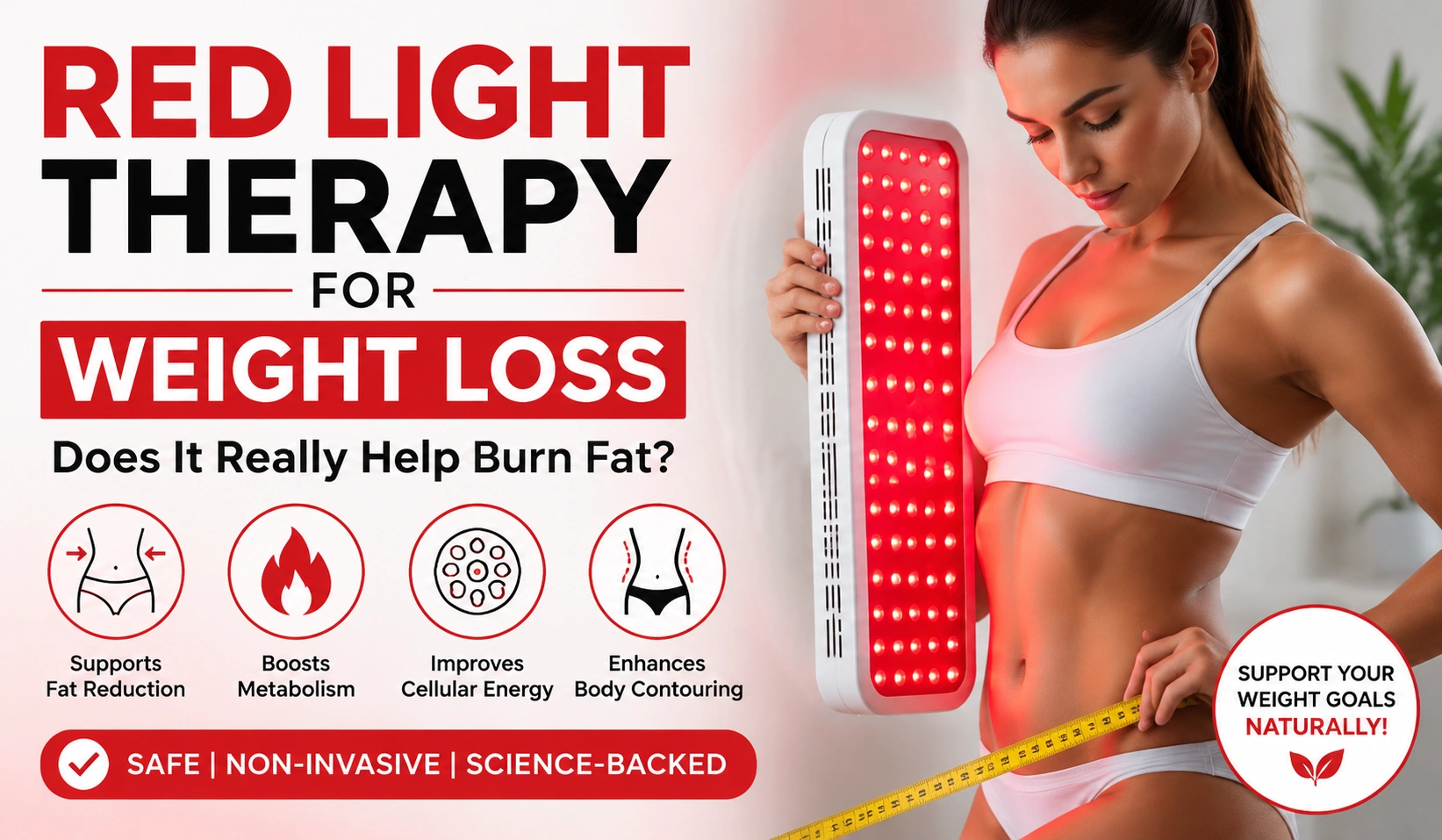
Red Light Therapy for Weight Loss: Does It Really Help Burn Fat?
Weight loss remains one of the most searched health topics worldwide, with millions of people looking for safe, sustainable ways to support their goals.
One technology receiving growing interest is red light therapy for weight loss.
Red light therapy, also known as low-level light therapy (LLLT) or photobiomodulation, uses specific wavelengths of red and near-infrared light to interact with cells.
Originally studied for applications such as skin health, recovery, and tissue support, this technology has also been explored to influence fat cells and improve body contouring outcomes.
This guide explores the science behind red light therapy for weight loss, including how it works, its potential benefits and limitations, safety considerations, and how it may fit into a balanced wellness routine.
What Is Red Light Therapy for Weight Loss?
Red light therapy for weight loss is a non-invasive wellness approach that uses controlled exposure to red and near-infrared wavelengths of light to support cellular activity.
During a session, specialized devices deliver light wavelengths that penetrate the skin.
The light is absorbed by cells, particularly within mitochondria, which are often described as the energy centers of cells.
This interaction may encourage normal cellular energy production and support healthy metabolic functions.
In weight management settings, red light therapy is commonly marketed for:
- Supporting fat reduction efforts
- Improving body contour appearance
- Encouraging healthier circulation
- Supporting muscle recovery after exercise
- Promoting overall wellness routines
It is important to understand that red light therapy is not a standalone weight loss solution. It does not directly replace calorie control, physical activity, or healthy lifestyle choices.
The Science Behind Red Light Therapy and Fat Cells
To understand how red light therapy may support weight-related goals, it helps to look at how light interacts with the body.
Red and near-infrared light wavelengths are believed to penetrate beneath the surface of the skin, where they may influence cellular processes.
One of the main areas of interest involves mitochondria, which help produce energy for cells.
When cells absorb light energy, researchers suggest this may stimulate specific cellular pathways involved in energy production and normal function.
In the context of fat cells, some studies have investigated whether red light exposure may temporarily influence the structure of fat cells.
This process is sometimes called photobiomodulation-induced fat mobilization.
Current evidence suggests red light therapy may have potential benefits for:
- Supporting localized body contouring
- Improving the appearance of targeted areas
- Supporting recovery and exercise consistency
- Enhancing wellness routines
How Red Light Therapy May Support Weight Loss Goals
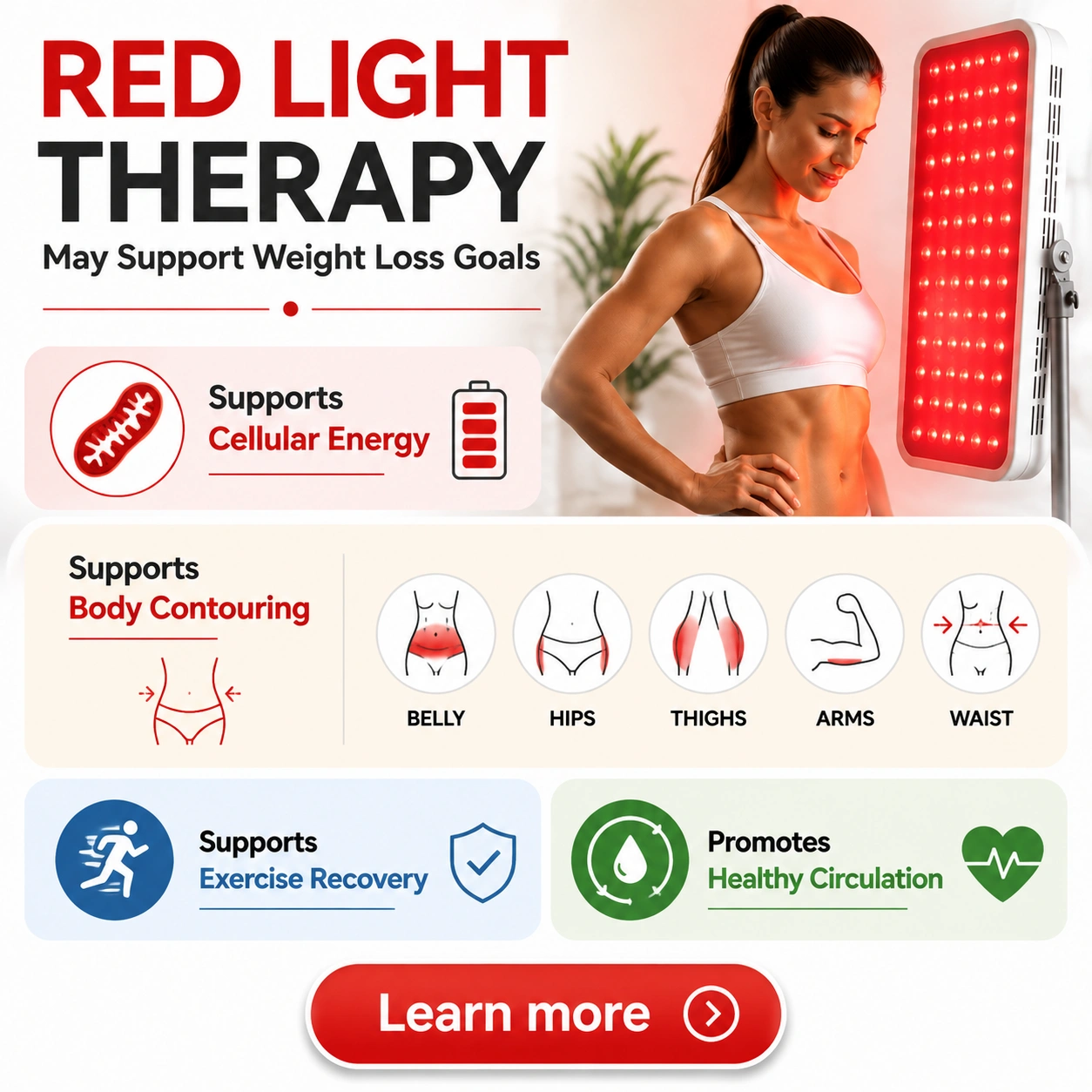
Red light therapy may contribute to weight management through several possible mechanisms. These effects are generally considered supportive rather than a replacement for traditional weight loss methods.
Supports Healthy Cellular Energy Production
One of the primary theories behind red light therapy involves mitochondrial function.
Mitochondria help convert nutrients into usable energy. When cellular energy production functions efficiently, the body can better support normal metabolic processes.
Red light exposure may encourage mitochondrial activity by interacting with cellular structures involved in energy production.
May Support Body Contouring
Many people interested in red light therapy are focused on improving the appearance of specific areas where stubborn fat deposits may appear.
These areas can include:
- Abdomen
- Hips
- Thighs
- Arms
- Waistline
Some clinical research has examined whether low-level light therapy may temporarily improve measurements around targeted areas.
These results are often associated with body contouring rather than dramatic overall weight loss.
Helps Support Exercise Recovery
Weight management often requires regular physical activity. However, muscle soreness and fatigue can make it difficult to maintain consistent workouts.
Red light therapy has been studied for its potential in supporting muscle recovery and reducing exercise-related discomfort.
By supporting recovery, some individuals may find it easier to maintain an active lifestyle.
Promotes Healthy Circulation
Healthy circulation plays an important role in delivering oxygen and nutrients throughout the body. Red and near-infrared light have been studied for their effects on blood flow and vascular function.
Improved circulation may support:
- Exercise performance
- Tissue health
- Recovery processes
- Overall physical wellness
Red Light Therapy vs Traditional Weight Loss Methods
Red light therapy has gained popularity because it offers a different approach to weight management compared with traditional strategies.
| Approach | Main Focus | Role in Weight Management |
| Balanced nutrition | Calorie balance and nutrient intake | Foundation for weight control |
| Exercise | Energy expenditure and muscle support | Helps improve body composition |
| Quality sleep | Hormone and recovery support | Supports healthy metabolism |
| Red light therapy | Cellular support and body contouring | Complementary wellness option |
The strongest results usually come from combining multiple healthy habits.
For example, someone who follows a nutritious eating plan, exercises regularly, sleeps well, and uses red light therapy may create a more comprehensive wellness routine than someone who relies on a single method.
Can Red Light Therapy Actually Burn Fat?
One of the most common questions people ask is whether red light therapy can “burn fat.”
Red light therapy does not burn calories in the same way exercise does. A workout increases energy expenditure through physical activity, while red light therapy works through light exposure and cellular interactions.
Research suggests that red light therapy may affect fat cells in targeted areas, potentially helping with temporary fat reduction or body-contouring effects.
However, it should not be viewed as a replacement for:
- Strength training
- Cardiovascular exercise
- Protein-rich nutrition
- Portion control
- Healthy daily habits
The phrase “fat burning” is often used in marketing, but realistic expectations are important. Red light therapy may support appearance-related goals and wellness routines, but sustainable weight loss still depends on overall lifestyle choices.
What Research Says About Red Light Therapy for Weight Loss
Scientific interest in photobiomodulation has increased over recent years. Research has explored its potential applications in areas including wound healing, inflammation support, muscle recovery, skin health, and body composition.
Some clinical studies involving low-level light therapy have reported improvements in body measurements among participants receiving targeted treatments.
However, existing studies often have limitations, including:
- Small participant groups
- Short study periods
- Different device specifications
- Varying treatment protocols
Because of these factors, experts generally view red light therapy as a promising supportive technology rather than a proven replacement for established weight loss methods.
More long-term, large-scale clinical trials are needed to determine its effectiveness for broader weight management.
Who May Consider Red Light Therapy for Weight Loss?
Red light therapy may appeal to adults who want additional support alongside healthy lifestyle habits.
It may be considered by people who:
- Want a non-invasive wellness option
- Are focused on body contouring goals
- Maintain regular exercise habits
- Follow a balanced nutrition plan
- Prefer technology-based wellness solutions
How to Use Red Light Therapy for Weight Loss Effectively
Using red light therapy correctly is important for achieving the best possible results. While different devices have different instructions, most professional and at-home systems follow similar principles.
Consistency is usually considered one of the most important factors. Red light therapy is not designed as a one-time treatment.
Common usage guidelines include:
- Positioning the device close enough for proper light exposure
- Following the recommended session duration
- Maintaining regular treatment schedules
- Combining therapy with healthy lifestyle habits
Many home devices recommend sessions several times per week. Treatment duration may vary depending on the device strength, wavelength range, and manufacturer instructions.
A common mistake is expecting immediate weight loss after only a few sessions. Like many wellness approaches, results typically depend on consistency, individual factors, and overall lifestyle choices.
Best Red Light Therapy Wavelengths for Weight Management
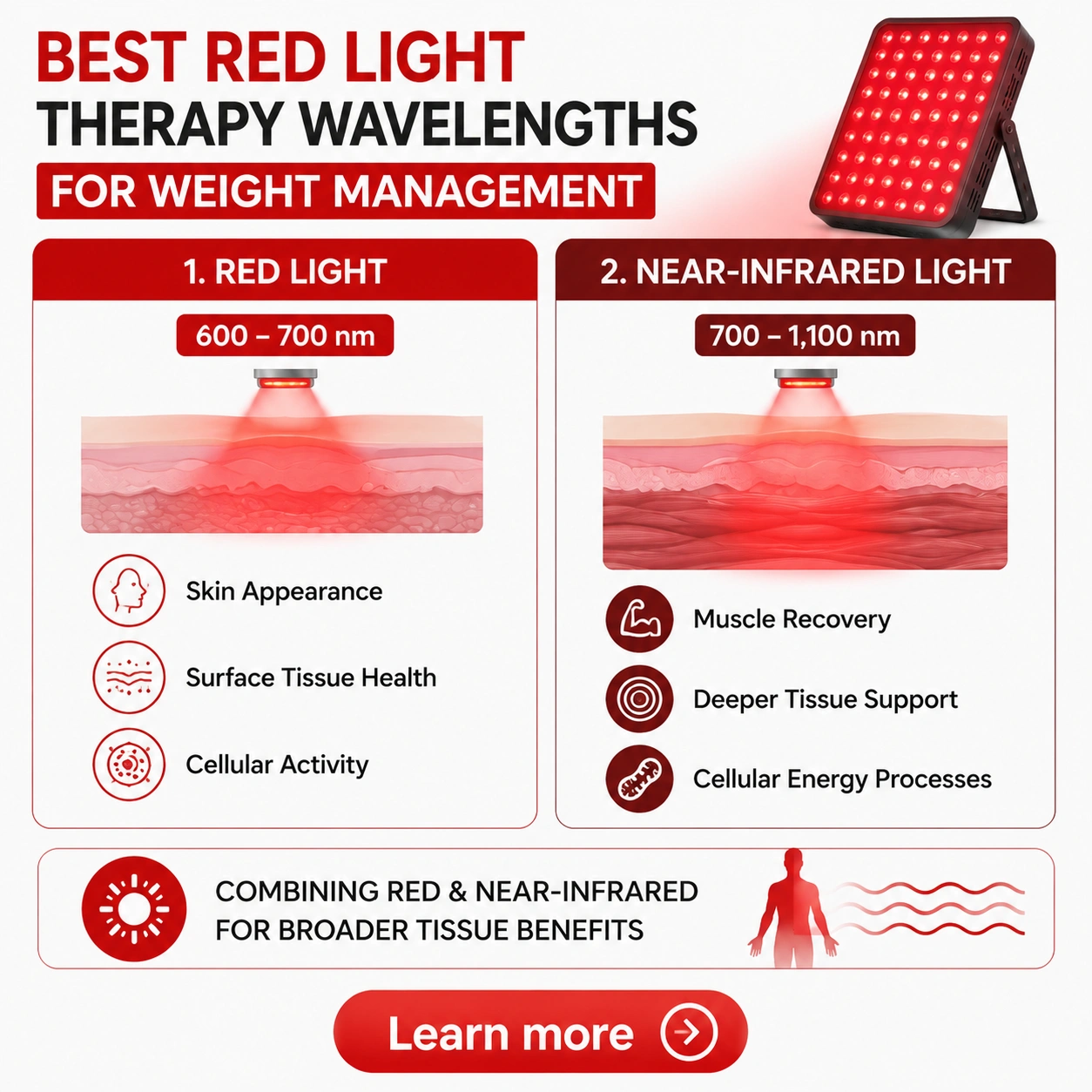
Not all light wavelengths work the same way. Red light therapy devices typically use specific wavelength ranges that have been studied for biological effects.
The two main categories include:
1. Red Light
Red light commonly falls within the range of approximately 600 to 700 nanometers.
This wavelength range primarily interacts with surface-level tissues and is often used in skincare and general wellness applications.
Potential areas of support include:
- Skin appearance
- Surface tissue health
- Cellular activity
2. Near-Infrared Light
Near-infrared wavelengths generally range from approximately 700 to 1,100 nanometers.
These wavelengths can penetrate deeper into tissues compared with visible red light.
Near-infrared light is commonly researched for:
- Muscle recovery
- Deeper tissue support
- Cellular energy processes
For body composition goals, many professional devices combine red and near-infrared wavelengths to provide broader tissue exposure.
How Long Does Red Light Therapy Take to Show Results?
One of the most important things to understand about red light therapy is that results are gradual.
Unlike surgical procedures that create immediate physical changes, light-based wellness approaches generally work through repeated exposure and biological processes.
Some users report noticing improvements in:
- Skin appearance
- Body contour
- Recovery after workouts
- Overall wellness routine
within several weeks of consistent use.
Factors that influence outcomes include:
- Current body composition
- Diet quality
- Exercise habits
- Sleep patterns
- Age
- Hormonal health
- Treatment consistency
Someone using red light therapy while maintaining a healthy lifestyle may experience better outcomes than someone relying on light therapy alone.
Common Mistakes People Make With Red Light Therapy
Although red light therapy is simple to use, several mistakes may reduce potential benefits.
➱Expecting Instant Weight Loss
- One of the biggest misconceptions is believing red light therapy creates rapid weight loss.
- The technology may support certain cellular processes, but it does not eliminate the need for healthy eating and regular movement.
- Long-term results require consistent lifestyle habits.
➱Using the Wrong Device
Quality matters when selecting a red light therapy device.
Some low-quality products may not provide:
- Appropriate wavelengths
- Sufficient light intensity
- Proper coverage area
A reliable device should clearly provide information about wavelength range, power output, and usage recommendations.
➱Inconsistent Sessions
- Occasional use may not provide meaningful results.
- Many wellness technologies require consistency to create noticeable changes.
- Following a structured schedule is generally more effective than using a device randomly.
➱Ignoring Nutrition and Exercise
- Red light therapy works best as a supportive addition to a healthy routine.
- Poor eating habits and lack of physical activity can limit overall progress.
- A balanced approach remains essential for sustainable weight management.
Is Red Light Therapy Safe?
Red light therapy is generally considered a low-risk, non-invasive wellness technology when used correctly. Most users tolerate red light therapy well.
Reported concerns are usually mild and may include:
- Temporary skin warmth
- Mild redness
- Eye discomfort if exposed to bright light
- Temporary sensitivity
However, certain individuals should seek medical advice before use, including people who:
- Have light-sensitive conditions
- Take medications that increase light sensitivity
- Have specific medical concerns involving the skin or eyes
Red Light Therapy for Weight Loss: Pros and Cons
Potential Benefits
✔ Non-invasive wellness approach
✔ No recovery downtime
✔ Can complement exercise routines
✔ May support body contouring goals
✔ Comfortable and easy to use
✔ Suitable for home wellness routines
✔ Supports broader cellular health research
Possible Limitations
✘ Results vary between individuals
✘ Not a replacement for healthy habits
✘ Requires consistent use
✘ Quality devices can be expensive
✘ More long-term research is needed
Red Light Therapy and Body Composition Goals
Weight is only one measurement of health. Many people are also interested in improving body composition, which refers to the relationship between fat mass, muscle mass, and overall physical structure.
Red light therapy has gained attention among individuals interested in:
- Improving the appearance of targeted areas
- Supporting fitness routines
- Enhancing recovery
- Maintaining healthy-looking skin during body changes
For people working toward transformation goals, body measurements, clothing fit, strength improvements, and energy levels may provide useful indicators beyond the number on a scale.
Expert Perspective: What Should Consumers Know?
Experts generally agree that emerging wellness technologies should be evaluated realistically.
Red light therapy has scientific interest and ongoing research, particularly in areas involving cellular function and tissue support.
A trustworthy approach focuses on:
- Understanding what the technology can realistically do
- Choosing properly designed devices
- Maintaining healthy habits
- Tracking personal progress over time
Is Red Light Therapy Worth Trying for Weight Loss?
Red light therapy may be worth considering for individuals looking for an additional wellness tool to support their weight management journey.
Its biggest appeal comes from its non-invasive nature, convenience, and potential role in supporting body contouring and cellular health.
Red light therapy is not a magic solution for losing weight. It works best when combined with proven habits such as:
- A balanced diet
- Regular physical activity
- Adequate sleep
- Stress management
Final Thoughts
Red light therapy for weight loss has become a popular topic because it offers a modern, non-invasive approach to supporting body goals.
Research suggests that specific wavelengths of light may influence cellular activity, fat cell behavior, circulation, and recovery processes.
These effects may support body-contouring and wellness efforts when combined with healthy lifestyle choices.
The strongest results come from a complete approach that includes mindful eating, regular movement, quality sleep, and consistent wellness practices.
For individuals interested in exploring new health technologies, red light therapy may provide an additional option worth considering.

.
