Best Alcohol to Drink on GLP-1: Safest Choices & Tips
Taking a GLP-1 medication can change more than your appetite. It may also influence how you feel after drinking alcohol, how comfortably you digest beverages, and how you approach social occasions involving cocktails, wine, or beer.
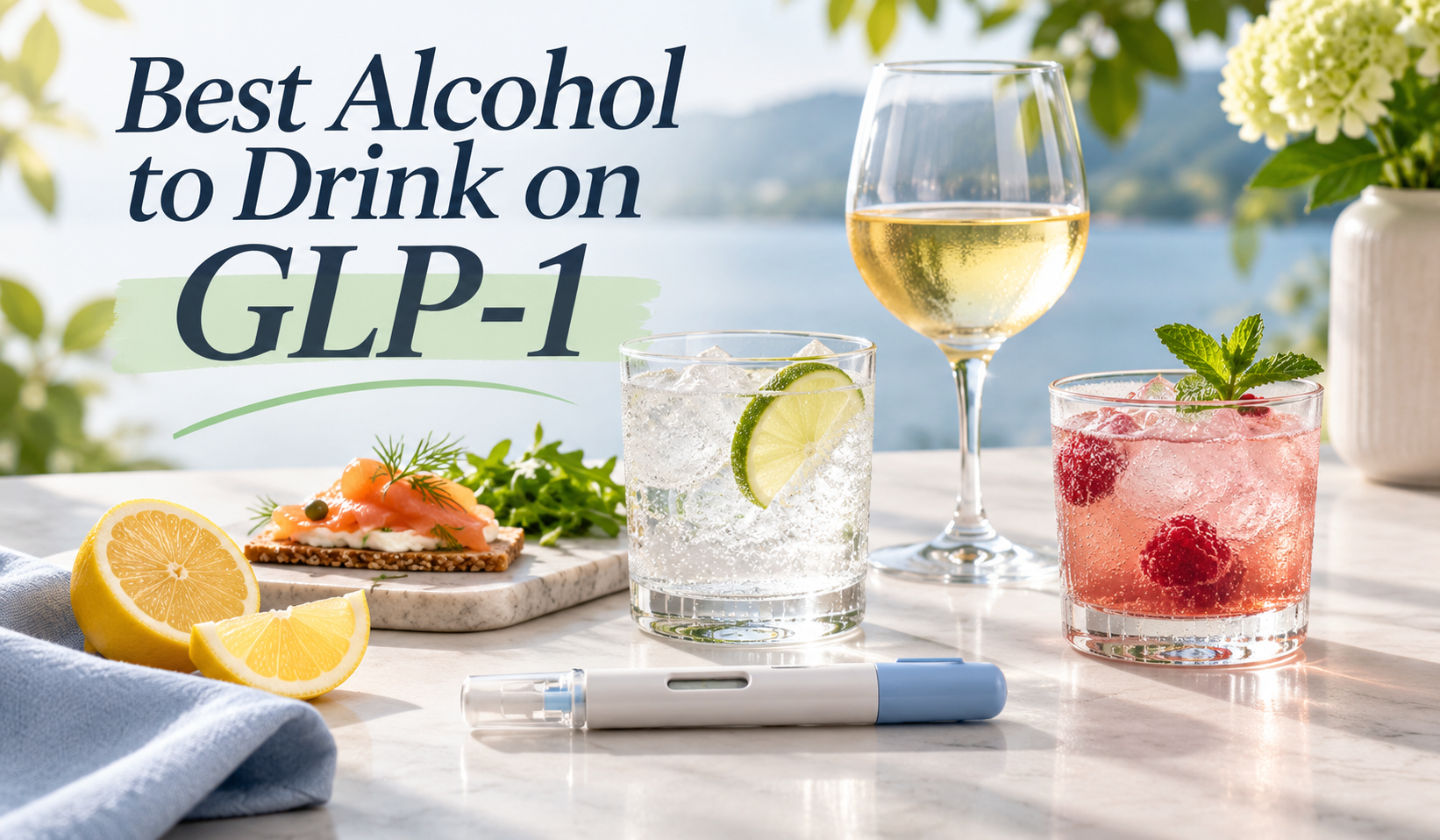
If you’re using medications such as Ozempic, Wegovy, Mounjaro, or Zepbound, you might wonder whether you can still enjoy an occasional alcoholic drink while working toward your weight-loss goals.
The good news is that alcohol is not universally prohibited with every GLP-1 medication. Still, drinking can increase certain side effects, particularly nausea, dehydration, and digestive discomfort. Alcohol can also complicate blood sugar management, especially for people taking additional diabetes medications.
Choosing the right beverage, understanding portion sizes, and paying attention to your body’s response can help you make more informed decisions.
In this guide, we’ll explore the best alcohol to drink on GLP-1 medications, compare popular options, identify drinks worth avoiding, and explain how to approach alcohol more safely while supporting your weight-loss journey.
 GLP-1 Starting at $59 Per Month – 100% Online
Can You Drink Alcohol While Taking GLP-1 Medications?
Yes, some people taking GLP-1 medications may be able to drink alcohol occasionally, depending on their health, medication regimen, and individual tolerance.
GLP-1 receptor agonists work partly by slowing gastric emptying, increasing feelings of fullness, and helping regulate blood sugar levels. These effects can make large meals and certain beverages less comfortable.
Alcohol introduces additional considerations because it can irritate the stomach, contribute to dehydration, and interfere with blood sugar regulation.
People taking GLP-1 medications sometimes notice that they feel less interested in alcohol or experience digestive discomfort after drinking. Individual experiences vary, and research into GLP-1 medications and alcohol consumption is ongoing.
The FDA prescribing information for Wegovy identifies nausea, vomiting, abdominal discomfort, dehydration-related complications, and hypoglycemia as relevant safety concerns. Hypoglycemia risk is particularly important when GLP-1 therapy is combined with insulin or certain other diabetes medications.
The safest choice is to avoid alcohol. If your healthcare professional considers occasional drinking appropriate, smaller portions and lower-sugar beverages may be preferable to high-calorie cocktails.
10 Best Alcoholic Drinks to Consider While on GLP-1
When comparing alcoholic beverages, focus on sugar content, calories, alcohol concentration, and serving size.
No alcoholic drink has been proven to be uniquely safe with GLP-1 medications. The following choices are relatively lower in calories or added sugar when prepared in modest portions.
1. Vodka With Soda Water
Vodka mixed with plain soda water is a relatively low-calorie cocktail option because it contains no sugary syrup, juice, or regular soda.
A standard 1.5-ounce serving of 80-proof vodka contains approximately 100 calories, while soda water adds virtually none.
Adding fresh lime or lemon provides flavor without significant added sugar.
Best for: People seeking a simple cocktail with minimal added sugar.
If carbonated drinks worsen bloating or reflux, substitute still water for soda water.
2. Dry Red Wine
Dry red wine is another option for adults who choose to drink occasionally while taking GLP-1 medications.
A typical 5-ounce serving contains approximately 120–130 calories, depending on alcohol content and variety.
Dry varieties such as Cabernet Sauvignon, Pinot Noir, and Merlot generally contain less residual sugar than sweet dessert wines.
Best for: People who prefer wine with meals.
Red wine should not be considered a heart-health treatment. Its alcohol content still carries health risks, regardless of its antioxidant compounds.
3. Dry White Wine
Dry white wine provides another relatively low-sugar choice compared with sweet wines and sugary cocktails.
Sauvignon Blanc, Pinot Grigio, and many dry Chardonnay varieties typically contain approximately 115–130 calories per 5-ounce serving.
These wines can be enjoyed in measured portions alongside a balanced meal.
Best for: People who prefer a lighter-tasting wine.
Because wine can aggravate acid reflux or nausea, avoid drinking it when gastrointestinal symptoms are present.
4. Tequila With Fresh Lime
Tequila served with ice, fresh lime, and water provides a lower-sugar alternative to traditional margaritas.
A standard 1.5-ounce serving of 80-proof tequila contains approximately 100 calories.
Traditional margaritas may contain considerably more calories because of sweetened mixers, syrups, and large serving sizes.
Best for: People who enjoy tequila-based cocktails.
Tequila is not inherently healthier or safer than other spirits. The main advantage of this preparation is avoiding sugary mixers.
5. Light Beer
Light beer can be a lower-calorie alternative to regular beer, especially when consumed in standard portions.
Many light beers contain approximately 90–110 calories per 12-ounce serving, though nutritional values vary across brands.
Choosing a light beer with a lower alcohol concentration may also reduce total alcohol consumption.
Best for: Beer drinkers who prefer a lighter-calorie option.
Beer carbonation can increase fullness, burping, or bloating, which may already be bothersome during GLP-1 treatment.
6. Brut Champagne or Sparkling Wine
Brut Champagne and other dry sparkling wines often contain less residual sugar than sweeter sparkling varieties.
A 4-ounce serving typically provides approximately 80–100 calories.
Look for labels such as Brut Nature, Extra Brut, or Brut when comparing sweetness levels.
Best for: Special occasions and celebrations.
Sparkling beverages may increase bloating or reflux. If carbonation causes discomfort, a still beverage may be easier to tolerate.
7. Gin With Soda Water
Gin mixed with soda water and fresh cucumber or citrus creates a cocktail without the added sugar commonly found in tonic water.
A standard 1.5-ounce serving of 80-proof gin contains approximately 100 calories.
This combination is particularly useful for people who enjoy botanical flavors but want to avoid sweetened cocktail mixers.
Best for: People who enjoy refreshing cocktails without added sugar.
Remember that regular tonic water is usually sweetened, so gin and tonic may contain more calories than gin and soda.
8. Whiskey With Water or Ice
Whiskey served with ice or a splash of water avoids the added sugar found in whiskey cocktails mixed with cola, syrups, or sweetened ingredients.
A standard 1.5-ounce serving of 80-proof whiskey provides approximately 100 calories.
Because whiskey is a concentrated spirit, careful portion measurement matters.
Best for: People who prefer spirits without sweet mixers.
Avoid drinking whiskey on an empty stomach, and remember that low sugar does not mean low alcohol risk.
9. Low-Sugar Hard Seltzer
Hard seltzer is popular among people seeking a beverage with relatively few carbohydrates.
Many products contain approximately 90–110 calories per 12-ounce can, although some varieties contain substantially more alcohol or added sugar.
Look for products with clearly labeled alcohol content, serving size, and nutrition information.
Best for: People who prefer flavored, ready-to-drink beverages.
Some hard seltzers are stronger than standard beer. Always check the alcohol by volume, and consider whether carbonation worsens digestive symptoms.
10. Low-Alcohol Wine or Beer
A lower-alcohol wine or beer can be a practical choice for people who want to reduce their total alcohol intake.
Products with lower alcohol by volume may contain fewer alcohol-derived calories, although added sugar can change their overall calorie content.
A drink containing 0.5% alcohol is very different from one containing 8%, even when they look similar.
Best for: People who want to reduce alcohol exposure while maintaining a familiar social drinking experience.
For an even lower-risk option, choose a genuinely alcohol-free beverage.
GLP-1 Starting at $59 Per Month – 100% Online
Best Alcohol to Drink on GLP-1: Calorie Comparison
The following table compares typical serving sizes and approximate calories.
| Alcoholic beverage | Typical serving | Approx. calories |
|---|---|---|
| Vodka with soda water | 1.5 oz vodka | 100 |
| Dry red wine | 5 oz | 120–130 |
| Dry white wine | 5 oz | 115–130 |
| Tequila with lime | 1.5 oz tequila | 100 |
| Light beer | 12 oz | 90–110 |
| Brut sparkling wine | 4 oz | 80–100 |
| Gin with soda water | 1.5 oz gin | 100 |
| Whiskey with ice | 1.5 oz whiskey | 100 |
| Low-sugar hard seltzer | 12 oz | 90–110 |
| Low-alcohol beer | 12 oz | Varies by brand |
Estimates are for comparison only. Actual calories vary with alcohol strength, serving size, and mixers. A lower-calorie alcoholic drink is not necessarily safer with GLP-1 treatment.
For perspective, U.S. dietary guidance has historically estimated approximately 100 calories in a standard serving of distilled spirits, 120 calories in wine, and 150 calories in regular beer.
Which Alcoholic Drinks Should You Avoid on GLP-1?
Certain alcoholic drinks are more likely to interfere with weight-management goals or aggravate gastrointestinal symptoms.
Sugary Cocktails
Frozen margaritas, piña coladas, daiquiris, and similar cocktails can contain substantial amounts of added sugar.
Their calorie content also increases rapidly when large servings, syrups, cream, or multiple shots of alcohol are included.
Sweet Dessert Wines
Sweet wines often contain considerably more residual sugar than dry varieties.
People managing calorie intake or blood glucose may prefer to avoid frequent consumption of sweet wines.
Alcohol Mixed With Energy Drinks
Combining alcohol with caffeinated energy drinks can make it harder to recognize how impaired you are.
Caffeine does not reverse the effects of alcohol, and these combinations may encourage excessive drinking.
Strong Craft Beers
Some craft beers contain considerably more alcohol than ordinary light beer.
A large serving of high-alcohol beer may equal two or more standard alcoholic drinks, even though it is served in one glass.
Large, Creamy Cocktails
Drinks containing cream, ice cream, chocolate syrup, or heavy sweeteners can be particularly high in calories.
Their fat content and large serving size may also worsen fullness or nausea for some people taking GLP-1 medications.
GLP-1 Starting at $59 Per Month – 100% Online
How Does Alcohol Affect GLP-1 Medications?
Understanding how alcohol and GLP-1 medications affect the body can help explain why some people experience changes in drinking tolerance.
1. Alcohol May Worsen Nausea
Nausea is a common side effect of medications such as semaglutide and tirzepatide, especially during treatment initiation or dose increases.
Alcohol can irritate the digestive system and make existing nausea worse.
For people who already experience stomach discomfort after injections, avoiding alcohol may be the more comfortable choice.
2. Alcohol Can Increase Dehydration Risk
Alcohol can increase urine production and contribute to fluid loss.
Meanwhile, GLP-1 medications can cause nausea, vomiting, or diarrhea that make adequate hydration more difficult.
Together, these effects may increase the likelihood of dizziness, headaches, and dehydration.
Drinking water throughout the day is particularly important when taking medications that affect gastrointestinal function.
3. Alcohol Can Complicate Blood Sugar Management
Alcohol may reduce the liver’s ability to release glucose, increasing the potential for low blood sugar, particularly when someone has not eaten.
GLP-1 medications generally carry a relatively low risk of hypoglycemia when used alone. That risk increases when combined with insulin or certain medications such as sulfonylureas.
People using diabetes medications should discuss alcohol consumption and blood glucose monitoring with their healthcare professional.
4. Alcohol Adds Calories Without Much Nutrition
Alcohol contains approximately seven calories per gram.
These calories can accumulate quickly, especially when alcohol is combined with sugary mixers or consumed frequently.
People using GLP-1 medications for weight management may benefit from prioritizing protein, fiber, hydration, and nutrient-dense foods over alcoholic beverages.
5. Alcohol May Aggravate Digestive Symptoms
GLP-1 medications slow gastric emptying, which can contribute to fullness, bloating, indigestion, and reflux.
Alcohol, large meals, and high-fat foods may aggravate these symptoms.
The 2026 cardiovascular-kidney-metabolic guideline recommends limiting or avoiding alcohol as part of managing gastrointestinal adverse effects associated with GLP-1-based therapies.
How Much Alcohol Can You Drink While Taking GLP-1?
There is no established alcohol intake level that is specifically proven safe for everyone taking GLP-1 medications.
Your individual risk depends on factors such as medication dosage, diabetes status, other prescriptions, liver health, digestive symptoms, and previous drinking habits.
If your clinician advises that occasional drinking is acceptable, choosing no more than one standard drink on an occasion may be a cautious starting limit rather than a guarantee of safety.
A standard alcoholic drink in the United States generally contains:
- 12 ounces of regular beer containing 5% alcohol.
- 5 ounces of wine containing 12% alcohol.
- 1.5 ounces of distilled spirits containing 40% alcohol.
These servings each contain approximately 14 grams of pure alcohol.
People with pancreatitis, significant liver disease, recurrent hypoglycemia, alcohol use disorder, or serious gastrointestinal symptoms may need to avoid alcohol entirely.
GLP-1 Starting at $59 Per Month – 100% Online
7 Tips for Drinking More Safely While on GLP-1
If your healthcare professional has confirmed that occasional alcohol consumption is appropriate, the following habits may help reduce avoidable risks.
1. Avoid drinking on an empty stomach. Eat a balanced meal containing protein and other nutrients before drinking. This is especially important if your appetite has decreased significantly.
2. Stay hydrated. Drink water regularly, especially when experiencing constipation, nausea, or reduced fluid intake.
3. Choose smaller portions. Measure spirits and wine rather than assuming a full glass represents one standard drink.
4. Avoid high-sugar mixers. Plain water, unsweetened mixers, and fresh citrus can reduce added sugar and calories.
5. Monitor your response. Stop drinking if you experience nausea, dizziness, abdominal discomfort, or unusual weakness.
6. Be especially cautious during dose increases. Gastrointestinal side effects may become more noticeable when a GLP-1 medication is initiated or increased.
7. Never skip your prescribed medication simply to drink. Ask your prescribing clinician about any medication-related concerns rather than adjusting your dose independently.
These strategies can reduce certain risks, but they cannot eliminate the health effects of alcohol.
Can Alcohol Slow Weight Loss on GLP-1?
Yes, frequent alcohol consumption can make weight management more challenging.
GLP-1 medications support weight loss partly by helping people feel satisfied with smaller amounts of food. Alcohol can undermine this benefit when it contributes substantial calories or encourages unplanned eating.
For example, several cocktails during a weekend may add hundreds of calories, particularly when combined with restaurant meals.
Alcohol may also affect sleep quality and dietary decisions, both of which influence long-term weight-management habits.
Still, occasional consumption does not automatically mean that GLP-1 treatment will stop working.
The bigger consideration is your overall drinking pattern, calorie intake, nutrition, and ability to maintain sustainable habits.
Reducing alcohol consumption may make it easier to meet weight-loss goals while avoiding unnecessary digestive discomfort.
GLP-1 Starting at $59 Per Month – 100% Online
Does GLP-1 Reduce Alcohol Cravings?
Researchers are investigating whether GLP-1 medications affect alcohol cravings and drinking behavior.
GLP-1 receptors are involved in biological pathways related to appetite and reward, leading scientists to examine whether medications such as semaglutide may influence motivation to consume alcohol.
Early clinical research has produced encouraging findings, but the evidence is still developing.
Some people report feeling less interested in drinking after starting GLP-1 treatment, while others notice little difference.
Importantly, GLP-1 medications are not currently FDA-approved specifically for treating alcohol use disorder.
Anyone concerned about heavy drinking should seek medical guidance rather than relying on a weight-loss medication to manage alcohol dependence.
Best Non-Alcoholic Alternatives While Taking GLP-1
For people who want to participate in social occasions without drinking alcohol, several alternatives provide familiar flavors and presentation.
Cucumber and Mint Water
Fresh cucumber, mint, and chilled water provide a refreshing, virtually calorie-free beverage without alcohol or added sugar.
Alcohol-Free Sparkling Wine
A festive alternative for celebrations. Check labels for alcohol content and added sugar because formulations vary.
Unsweetened Herbal Iced Tea
Naturally caffeine-free varieties can provide flavor without alcohol, depending on the herbs used.
Low-Sugar Citrus Mocktail
Combine chilled water, fresh lime, lemon, and a small amount of fruit for a simple drink without alcohol.
These alternatives may be particularly helpful for people who experience nausea, dehydration, or digestive sensitivity while using GLP-1 medications.
Final Verdict:
The best alcohol to drink on GLP-1 depends on your health status, personal tolerance, and weight-management goals.
For adults who have been advised that occasional drinking is acceptable, dry wine, measured spirits with unsweetened mixers, light beer, and lower-alcohol beverages may be more practical choices than sugary cocktails or high-alcohol drinks.
However, lower sugar and fewer calories do not automatically make a beverage safer.
GLP-1 medications can already cause nausea, delayed gastric emptying, and digestive discomfort. Alcohol may intensify these problems and complicate blood sugar management.
For the safest approach, prioritize hydration, balanced nutrition, and alcohol-free alternatives. If you decide to drink, keep portions small and follow your healthcare professional’s recommendations.
GLP-1 Starting at $59 Per Month – 100% Online
References
https://www.healthline.com/nutrition/best-alcohol-for-diabetics
https://www.webmd.com/obesity/ozempic-and-alcohol
https://www.webmd.com/obesity/ozempic-and-alcohol
