Is Phentermine a GLP-1? Everything You Need to Know
Weight loss medications have become increasingly popular as more people look for effective ways to manage obesity, control hunger, and achieve healthier body weights. Among the most frequently discussed treatments are Phentermine and GLP-1 medications, including Wegovy, Ozempic, and Zepbound.
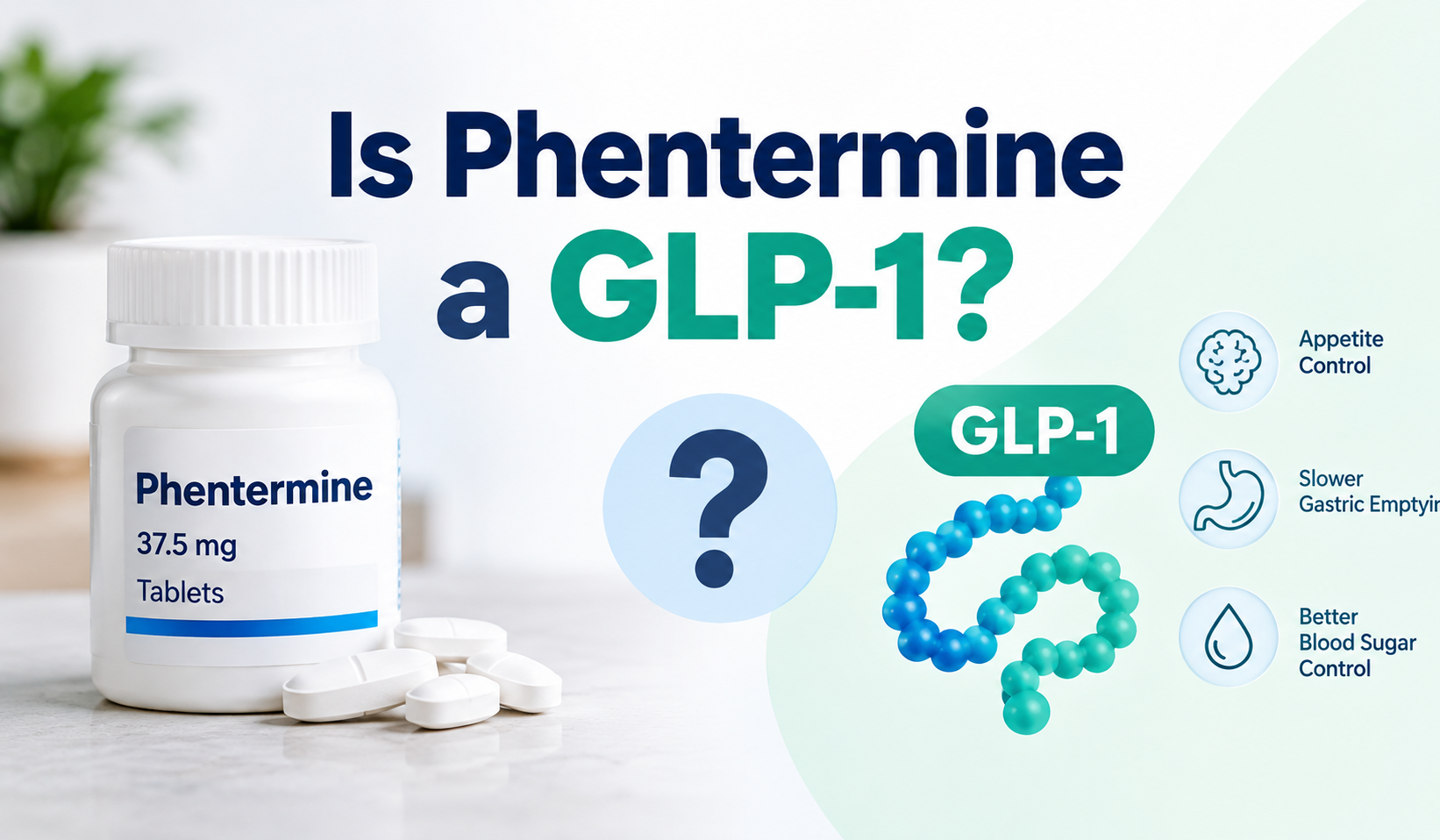
Phentermine has been prescribed for decades as a short-term appetite suppressant. GLP-1 medications, meanwhile, have transformed obesity treatment by targeting hormonal pathways involved in hunger, digestion, and blood sugar regulation.
While these medications can help reduce appetite and support weight loss, they work through different biological mechanisms. This has led many people to ask an important question: Is Phentermine a GLP-1 medication?
Understanding the differences matters because each treatment has unique benefits, side effects, eligibility requirements, and recommendations for how long it should be used.
In this comprehensive guide, we’ll explore how Phentermine works, how it compares with GLP-1 medications, which treatment may produce greater weight loss, and what to consider before choosing a prescription weight management option.
Is Phentermine a GLP-1?
No, Phentermine is not a GLP-1 medication. Phentermine is a prescription appetite suppressant classified as a sympathomimetic amine, while GLP-1 medications work by activating glucagon-like peptide-1 receptors involved in regulating appetite, digestion, and blood sugar.
Phentermine primarily influences the central nervous system to reduce hunger signals. GLP-1 medications imitate the activity of a naturally occurring intestinal hormone that helps people feel satisfied after eating.
Both treatments can help reduce calorie consumption and promote weight loss, but their mechanisms, treatment durations, and potential side effects differ.
Phentermine is generally FDA-approved for short-term weight management, while medications such as Wegovy and Zepbound are approved for long-term weight management in eligible patients.
The most appropriate option depends on an individual’s medical history, weight management goals, current medications, and overall health.
 GLP-1 Starting at $59 Per Month – 100% Online
What Is Phentermine?
Phentermine is a prescription medication used to help people with obesity lose weight by reducing appetite. It belongs to a drug category known as sympathomimetic amines, which stimulate certain pathways in the central nervous system.
Originally approved in the United States in 1959, Phentermine remains an established prescription option for short-term weight reduction.
Healthcare providers generally prescribe it alongside a reduced-calorie eating plan, regular physical activity, and behavioral changes.
Phentermine is commonly available in tablet or capsule form and is usually taken once daily, with the exact schedule determined by the prescribed formulation.
It is generally intended for adults with a body mass index (BMI) of 30 or higher, or a BMI of at least 27 with qualifying weight-related risk factors.
Unlike many newer weight loss medications, Phentermine does not directly activate GLP-1 receptors or imitate natural digestive hormones.
GLP-1 Starting at $59 Per Month – 100% Online
How Does Phentermine Work for Weight Loss?
Phentermine promotes weight reduction primarily by suppressing appetite. It affects chemical signaling in the brain associated with hunger, alertness, and energy regulation.
Its exact appetite-suppressing mechanism is not fully understood, but its stimulant-like activity is considered important.
1. Reduces Hunger Signals
Phentermine influences neurotransmitter activity, particularly pathways involving norepinephrine.
These changes can reduce feelings of hunger, making it easier for some individuals to follow a calorie-controlled diet.
2. Helps Control Food Intake
When appetite decreases, some people naturally consume smaller portions and experience fewer urges to snack between meals.
This reduction in calorie intake can contribute to weight loss when combined with consistent lifestyle changes.
3. Supports Short-Term Weight Management
Phentermine is generally prescribed for a few weeks rather than as a standalone long-term obesity treatment.
During this period, patients may establish healthier eating habits, increase physical activity, and begin working toward sustainable weight management.
4. Acts Through the Nervous System
Unlike GLP-1 medications, Phentermine does not primarily work through digestive hormone receptors.
Its stimulant-like effects also explain why some individuals experience increased heart rate, difficulty sleeping, or nervousness.
What Are GLP-1 Medications?
GLP-1 medications are prescription treatments that activate receptors for glucagon-like peptide-1, a hormone naturally released by the intestines after eating.
GLP-1 plays an important role in appetite regulation, digestive function, and blood sugar management.
These medications reproduce several effects of the natural hormone, helping people experience greater fullness and reduced hunger.
Popular medications that act on GLP-1 pathways include:
- Wegovy (semaglutide): Approved for chronic weight management in eligible individuals, with additional approved indications.
- Ozempic (semaglutide): Primarily prescribed for type 2 diabetes and certain related risk-reduction indications.
- Saxenda (liraglutide): A daily injectable GLP-1 medication approved for chronic weight management.
- Rybelsus (semaglutide): An oral GLP-1 medication used for type 2 diabetes.
- Zepbound (tirzepatide): A dual GIP and GLP-1 receptor agonist approved for chronic weight management and certain other indications.
- Mounjaro (tirzepatide): A dual GIP and GLP-1 receptor agonist used for type 2 diabetes.
Although these medications share some metabolic effects, they are not interchangeable, and their approved uses differ.
Tirzepatide deserves particular attention because it activates both GLP-1 and glucose-dependent insulinotropic polypeptide (GIP) receptors rather than functioning as a GLP-1-only treatment.
GLP-1 Starting at $59 Per Month – 100% Online
How Do GLP-1 Medications Work?
GLP-1 medications influence several biological processes that contribute to hunger, digestion, and metabolism.
Appetite Regulation
GLP-1 receptors are present in brain regions responsible for appetite and food intake.
Activating these receptors helps reduce hunger and can make it easier to maintain smaller portions.
Increased Feelings of Fullness
Many people taking GLP-1 medications report feeling satisfied after eating less food.
This can support a calorie deficit without relying entirely on willpower to manage hunger.
Slower Gastric Emptying
GLP-1 medications can delay the movement of food from the stomach into the small intestine.
This effect contributes to fullness, particularly during the earlier stages of treatment.
Blood Sugar Regulation
GLP-1 receptor activation enhances insulin secretion when blood glucose is elevated and reduces inappropriate glucagon secretion.
These actions help improve blood sugar regulation, especially in people with type 2 diabetes.
Because GLP-1 medications affect multiple metabolic pathways, their benefits can extend beyond appetite suppression alone.
Phentermine vs. GLP-1: Key Differences
Although both treatments can support weight loss, they are different in several important ways.
| Feature | Phentermine | GLP-1-based medications |
|---|---|---|
| Drug category | Sympathomimetic appetite suppressant | GLP-1 receptor agonists or dual incretin agonists |
| Main mechanism | Central nervous system appetite suppression | Hormonal appetite and metabolic regulation |
| Administration | Oral tablets or capsules | Injections or oral formulations |
| Treatment duration | Generally short-term | Often long-term |
| Appetite control | Yes | Yes |
| Blood sugar effects | Not a primary therapeutic mechanism | Can improve blood sugar regulation |
| Common side effects | Dry mouth, insomnia, increased pulse | Nausea, vomiting, diarrhea, constipation |
| Controlled substance | Schedule IV | Not controlled substances |
| Suitable for everyone? | No | No |
| Prescription required | Yes | Yes |
The biggest distinction is the biological pathway involved.
Phentermine works primarily through stimulant-like nervous system activity, whereas GLP-1 medications act through hormone receptors that regulate appetite and metabolic processes.
This distinction influences their safety considerations, effectiveness, and suitability for different patients.
GLP-1 Starting at $59 Per Month – 100% Online
Is Phentermine as Effective as GLP-1 for Weight Loss?
Both Phentermine and GLP-1 medications can produce meaningful weight loss, but their effectiveness varies based on the individual, dosage, treatment duration, and lifestyle habits.
Phentermine Weight Loss Results
Phentermine can help people lose weight by reducing hunger and making calorie restriction easier.
Some individuals notice appetite suppression within the first several days, although weight changes occur gradually.
Treatment outcomes depend on factors such as starting weight, dietary habits, physical activity, and medication tolerance.
Because Phentermine is primarily approved for short-term use, its long-term weight loss outcomes are less extensively studied than those of newer chronic weight management medications.
GLP-1 Weight Loss Results
GLP-1-based treatments have demonstrated substantial weight reduction in large clinical trials.
For example, clinical research reported the following average changes in body weight:
Average weight loss in selected clinical trials
Semaglutide 2.4 mg
14.9%
After 68 weeks
Tirzepatide 15 mg
20.9%
After 72 weeks
Results from the STEP 1 and SURMOUNT-1 trials, respectively, alongside lifestyle interventions. These were separate studies, not direct comparisons with Phentermine.
These findings suggest that newer GLP-1-based treatments can produce considerable long-term weight reduction.
Individual outcomes vary, and not everyone will achieve the averages reported in clinical trials.
Benefits of Phentermine for Weight Loss
Phentermine offers several potential benefits when prescribed appropriately.
Effective Appetite Suppression: Phentermine can reduce hunger signals, helping some patients maintain smaller portions and follow structured calorie-controlled meal plans.
Convenient Oral Administration: Phentermine is commonly prescribed as a tablet or capsule, making it suitable for individuals who prefer oral medication over injections.
Short-Term Weight Management Support: The medication may help eligible adults begin losing weight while developing healthier dietary and physical activity habits.
Established Prescription History: Phentermine has been available for decades, giving healthcare professionals substantial experience with its use, precautions, and potential side effects.
Potentially Lower Medication Cost: Generic Phentermine may be less expensive than certain branded GLP-1 treatments, although actual costs depend on insurance coverage and pharmacy pricing.
GLP-1 Starting at $59 Per Month – 100% Online
Benefits of GLP-1 Medications for Weight Loss
GLP-1-based medications provide a different approach to obesity treatment by targeting hormonal pathways.
Long-Term Weight Management: Several GLP-1-based treatments are approved for chronic weight management, supporting ongoing weight reduction and maintenance when treatment remains appropriate.
Reduced Appetite and Food Cravings: These medications can influence brain pathways related to hunger and satisfaction, helping some individuals feel fuller while eating less.
Improved Blood Sugar Regulation: GLP-1 receptor activation can improve glucose control, making certain medications particularly valuable for people managing type 2 diabetes.
Substantial Weight Reduction: Clinical studies have demonstrated considerable average weight loss with approved obesity treatments such as semaglutide and tirzepatide.
Additional Health Benefits: Specific GLP-1 medications have demonstrated benefits for certain cardiovascular or other health outcomes in appropriately selected patients.
The most suitable medication depends on more than weight loss results alone. Overall health, contraindications, treatment goals, and affordability should also guide the decision.
Phentermine vs. GLP-1 Side Effects
Understanding potential side effects is essential before starting either treatment.
Common Phentermine Side Effects
Phentermine can cause stimulant-related reactions, including:
- Dry mouth
- Difficulty sleeping
- Restlessness or nervousness
- Increased heart rate
- Elevated blood pressure
- Dizziness
- Constipation
- Headache
More serious complications, including cardiovascular problems, can occur.
Phentermine is contraindicated for people with certain cardiovascular diseases, uncontrolled hypertension, hyperthyroidism, glaucoma, and some other medical conditions. It should not be used during pregnancy.
Common GLP-1 Side Effects
GLP-1 medications commonly affect the digestive system.
Potential side effects include nausea, vomiting, diarrhea, constipation, abdominal discomfort, and bloating.
Some reactions improve as the body adjusts, particularly when treatment doses are increased gradually.
More serious risks can include pancreatitis, gallbladder problems, severe gastrointestinal reactions, and dehydration-related kidney injury.
Some GLP-1 medications also carry boxed warnings concerning thyroid C-cell tumors observed in rodents and are contraindicated in individuals with a personal or family history of medullary thyroid carcinoma or MEN2.
A healthcare professional should evaluate these risks before prescribing treatment.
GLP-1 Starting at $59 Per Month – 100% Online
Can You Take Phentermine and GLP-1 Together?
Some patients wonder whether combining Phentermine with a GLP-1 medication could produce faster or greater weight loss.
Because the medications work through different pathways, researchers and clinicians have explored combination approaches.
Nevertheless, combining Phentermine with GLP-1 medications is not routinely recommended without specialist supervision.
Phentermine’s prescribing information advises against combining it with other weight loss medications because the safety and effectiveness of such combinations have not been established.
Taking both medications may also complicate side effect management and require closer monitoring of cardiovascular health, hydration, and nutritional intake.
Patients should never combine, increase, or switch weight loss medications without consulting their prescribing healthcare professional.
Is Phentermine Better Than Ozempic or Wegovy?
Phentermine is not automatically better or worse than Ozempic or Wegovy. Each treatment serves different medical purposes.
Ozempic contains semaglutide and is prescribed primarily for type 2 diabetes and certain related risk-reduction indications.
Wegovy also contains semaglutide but is specifically approved for chronic weight management in eligible patients, along with additional indications.
Phentermine may be considered when a healthcare provider determines that short-term appetite suppression is appropriate.
Wegovy may be more suitable when long-term obesity treatment is needed and the patient meets prescribing criteria.
For individuals with type 2 diabetes, treatments that improve blood sugar control may provide advantages that Phentermine does not offer.
Ultimately, the best medication is the one that appropriately balances expected benefits, health risks, patient preferences, and medical needs.
GLP-1 Starting at $59 Per Month – 100% Online
Who Should Consider Phentermine?
Phentermine may be considered for adults who meet medical eligibility requirements for prescription weight management treatment.
It may be an option for individuals who need short-term appetite suppression, prefer oral medication, and have no contraindications to stimulant-like drugs.
Before prescribing Phentermine, healthcare professionals typically review cardiovascular health, blood pressure, current medications, and relevant medical history.
People with certain heart conditions, uncontrolled high blood pressure, glaucoma, hyperthyroidism, or a history of substance misuse generally should not take Phentermine.
Who May Benefit From GLP-1 Medications?
GLP-1-based medications may be suitable for eligible individuals who need ongoing medical treatment for obesity.
They may be especially relevant when patients have struggled to maintain weight loss through lifestyle changes alone.
Some treatments also provide important benefits for individuals with type 2 diabetes or specific cardiovascular risk factors.
Healthcare professionals assess eligibility based on BMI, weight-related health conditions, medical history, and the particular medication’s approved indications.
These treatments are not appropriate for everyone, and contraindications, side effects, and long-term treatment considerations should be discussed before starting.
Can You Switch From Phentermine to GLP-1?
Yes, some patients may transition from Phentermine to a GLP-1 medication when their healthcare professional determines that a different weight management strategy is appropriate.
A transition may be considered when short-term Phentermine treatment ends, appetite control becomes less effective, or long-term obesity treatment is needed.
The prescribing clinician should review current medications, blood pressure, heart rate, and potential drug interactions before making changes.
GLP-1 medications often require gradual dosage increases to improve gastrointestinal tolerability.
Because these treatments have different pharmacological effects, patients should follow an individualized transition plan rather than switching independently.
GLP-1 Starting at $59 Per Month – 100% Online
How to Maintain Weight Loss With Phentermine or GLP-1
Medication can support weight reduction, but long-term success also depends on sustainable lifestyle habits.
Follow a Balanced Eating Plan
Focus on nutrient-dense foods, including vegetables, fruits, lean proteins, whole grains, and healthy fats.
Eating adequate protein can help maintain muscle mass during weight loss.
Stay Physically Active
Regular walking, cycling, swimming, and resistance training can contribute to cardiovascular health, muscle preservation, and long-term weight management.
Prioritize Sleep
Consistent, sufficient sleep supports normal appetite regulation, recovery, and overall metabolic health.
Monitor Progress
Track changes in weight, energy, physical activity, and eating patterns rather than focusing exclusively on the scale.
Continue Medical Follow-Up
Regular appointments allow healthcare professionals to assess medication effectiveness, monitor side effects, and adjust treatment when necessary.
Weight regain can occur after discontinuing weight loss medications, making ongoing lifestyle support and follow-up particularly important.
Final Verdict:
No, Phentermine is not a GLP-1 medication. It is a prescription appetite suppressant that influences the central nervous system, while GLP-1 medications activate hormone receptors involved in appetite regulation, digestion, and blood sugar control.
Both treatments can contribute to meaningful weight loss when combined with healthy eating, regular exercise, and appropriate medical supervision.
Phentermine may be useful for eligible patients who need short-term appetite management. GLP-1-based treatments, including Wegovy and Zepbound, offer options for long-term obesity management and have demonstrated substantial weight reduction in clinical trials.
The decision should be based on individual health needs, cardiovascular and metabolic risks, treatment preferences, and long-term weight management goals.
GLP-1 Starting at $59 Per Month – 100% Online
References
https://www.mayoclinic.org/healthy-lifestyle/weight-loss/expert-answers/phentermine/faq-20057940
https://www.healthline.com/nutrition/phentermine-weight-loss
