How Long Does GLP-1 Nausea Last? Causes & Relief Tips
GLP-1 medications have become increasingly popular for managing type 2 diabetes and supporting weight loss. Medications such as Ozempic, Wegovy, Mounjaro, and Zepbound can help control appetite, regulate blood sugar, and support long-term weight management. Yet one common concern among people starting these treatments is nausea.
If you have recently started a GLP-1 medication and feel queasy, unusually full, or uncomfortable after eating, you may be wondering: How long does GLP-1 nausea last, and when will you start feeling normal again?
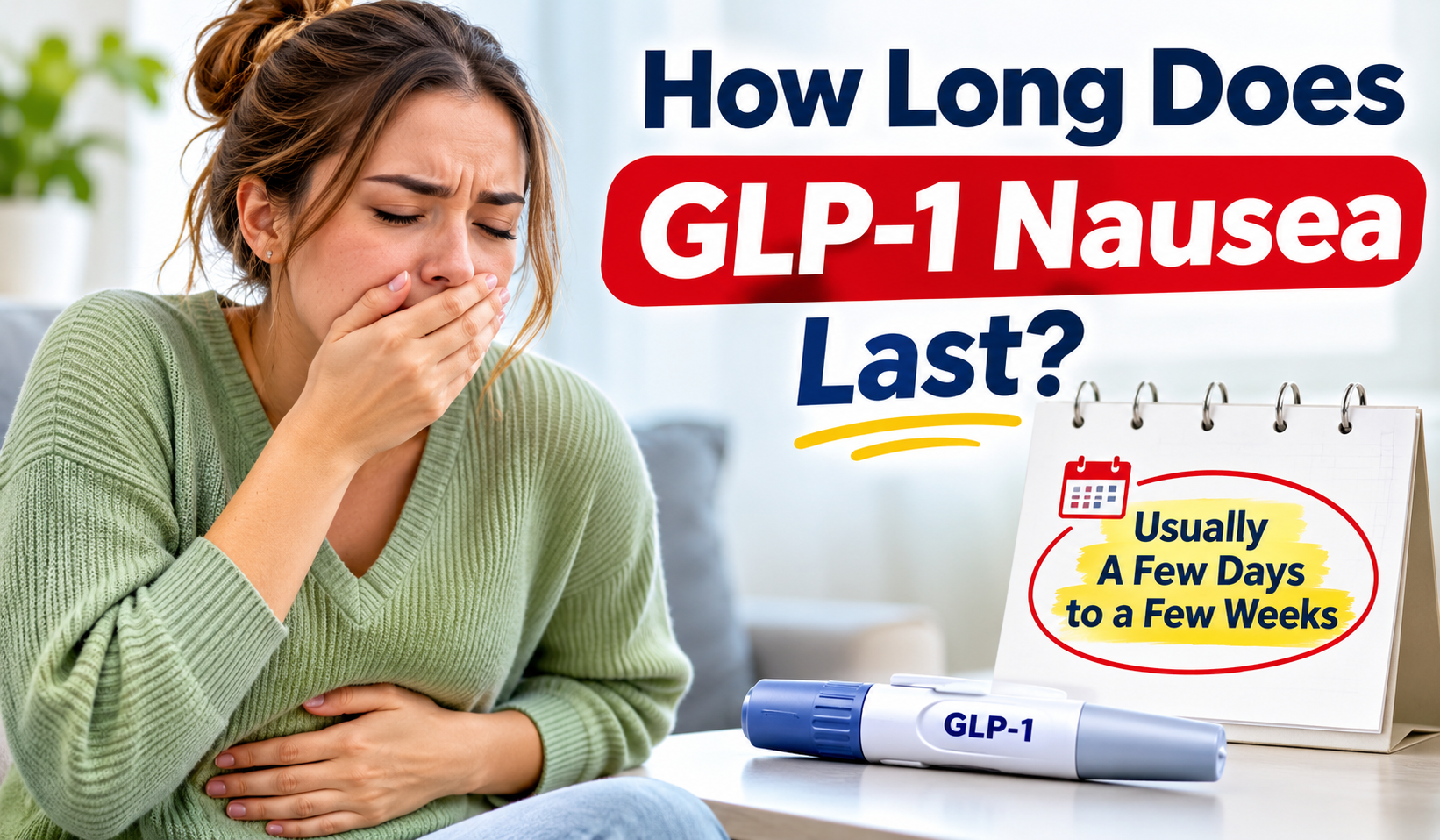
GLP-1-related nausea is often temporary. Many people notice symptoms during the first few days or weeks of treatment, particularly when starting medication or increasing their dosage.
Understanding what causes GLP-1 nausea, how long it typically lasts, and which strategies can reduce discomfort can make treatment easier to manage.
This guide explains the GLP-1 nausea timeline, common triggers, practical relief methods, helpful foods, and warning signs that require medical attention.
 GLP-1 Starting at $59 Per Month – 100% Online
How Long Does GLP-1 Nausea Last?
GLP-1 nausea commonly lasts a few days to several weeks, depending on the medication, dosage, and individual response. For many people, an individual episode improves within a few days, while intermittent nausea may continue during the early adjustment period.
A published expert consensus on GLP-1 gastrointestinal side effects reports that nausea is most common during the first four to five weeks of treatment. Individual episodes are often moderate and resolve within eight days, although experiences vary.
Nausea may also return temporarily when a healthcare provider increases the medication dosage.
Typical GLP-1 nausea timeline
| Treatment period | What you may experience |
|---|---|
| First 24–72 hours | Nausea may begin as the medication takes effect. |
| Days 3–7 | Some people experience intermittent nausea, fullness, or reduced appetite. |
| Weeks 2–4 | Symptoms often become easier to manage as the body adjusts. |
| Weeks 4–8 | Many people notice improvement, although dosage increases may trigger new symptoms. |
| After 8 weeks | Nausea may become less frequent, but some people continue experiencing it. |
These timeframes are approximate, not a fixed recovery schedule.
Someone taking a low starting dose may experience only mild discomfort, while another person may develop more noticeable nausea after increasing their medication.
Key takeaway: GLP-1 nausea usually improves over time, but severe, persistent, or worsening symptoms should not simply be treated as part of the adjustment process.
Why Do GLP-1 Medications Cause Nausea?
GLP-1 medications work by mimicking the activity of glucagon-like peptide-1, a naturally occurring hormone involved in appetite regulation, digestion, and blood sugar control.
One of their important effects is slowing gastric emptying, meaning food moves from the stomach into the small intestine more slowly.
This helps people feel satisfied after eating and may reduce hunger between meals.
However, slower digestion can also create uncomfortable sensations, especially during the first weeks of treatment.
Common reasons for GLP-1 nausea include:
-
Delayed stomach emptying: Food remains in the stomach longer, potentially causing fullness, bloating, and nausea.
-
Changes in appetite signaling: GLP-1 medications influence areas of the brain involved in hunger, fullness, and nausea.
-
Eating large portions: Meals that were previously comfortable may feel excessive.
-
High-fat meals: Greasy and fatty foods may increase digestive discomfort.
-
Dosage increases: Higher medication exposure can temporarily intensify gastrointestinal symptoms.
-
Constipation or reflux: Other digestive side effects may contribute to feelings of nausea.
Importantly, nausea is not required for a GLP-1 medication to work.
Some people experience meaningful blood sugar or weight-management benefits without developing noticeable nausea.
GLP-1 Starting at $59 Per Month – 100% Online
When Does GLP-1 Nausea Start?
GLP-1 nausea can begin shortly after the first dose, but the exact timing differs between medications and individuals.
Some people experience nausea within the first 24 hours, while others notice it after several days or following a dosage increase.
For weekly injections, nausea may feel more noticeable during certain parts of the dosing week.
People taking daily GLP-1 medications may experience different symptom patterns.
When is nausea usually the worst?
Nausea is commonly more troublesome during three periods.
Starting treatment: The digestive system is adapting to changes in stomach emptying and appetite regulation.
Increasing the dose: Each increase may temporarily bring back symptoms, even when the previous dosage was comfortable.
After a large meal: Eating more than the stomach comfortably tolerates can lead to prolonged fullness and nausea.
Symptoms do not necessarily become worse with every injection. Some individuals notice gradual improvement even while continuing regular treatment.
Keeping a simple record of meals, medication doses, and symptoms can help identify personal triggers.
How Long Does Nausea Last With Ozempic, Wegovy, Mounjaro, and Zepbound?
Different GLP-1-based medications can produce similar digestive side effects, but the frequency and duration of nausea are not identical for everyone.
Ozempic (Semaglutide)
Nausea often appears during treatment initiation or dose increases. It may improve over several days or weeks as the body becomes accustomed to the medication.
Wegovy (Semaglutide)
Nausea is especially common during dosage escalation. Symptoms can recur after increases and often diminish as a person tolerates a stable dose.
Mounjaro (Tirzepatide)
This dual GIP/GLP-1 receptor agonist may cause nausea when starting treatment or increasing doses. Many people experience improvement with gradual adjustment.
Zepbound (Tirzepatide)
Nausea may be more noticeable during the initial treatment phase and after dose increases. Its duration varies with individual tolerance and dosing.
Clinical trials of Wegovy injections for weight management reported nausea in approximately 44% of treated adults, compared with 16% of those receiving placebo. Gastrointestinal reactions were most commonly reported during dose escalation.
These medications have different dosing schedules and pharmacological characteristics, so one person’s experience should not be used to predict another’s.
GLP-1 Starting at $59 Per Month – 100% Online
How to Stop GLP-1 Nausea: 10 Practical Relief Tips
Although there is no guaranteed way to eliminate GLP-1 nausea immediately, simple changes to eating habits and daily routines may significantly improve comfort.
1. Eat smaller meals
Large meals can make nausea worse because GLP-1 medications slow digestion.
Instead of eating three heavy meals, consider smaller portions spread throughout the day.
Stop eating when you begin feeling comfortably satisfied rather than waiting until you feel completely full.
2. Eat slowly and chew thoroughly
Eating quickly makes it easier to consume more food than your stomach comfortably tolerates.
Take smaller bites, chew properly, and pause between mouthfuls.
Allowing more time for meals can make it easier to recognize fullness signals.
3. Avoid greasy and fried foods
Foods high in fat can worsen nausea, reflux, and feelings of heaviness.
Common triggers include fried chicken, greasy burgers, pizza, rich sauces, and heavily buttered meals.
Choose lighter preparations such as baking, grilling, steaming, or boiling.
4. Stay hydrated throughout the day
Nausea may make drinking water less appealing, but dehydration can worsen weakness, dizziness, and general discomfort.
Take small, frequent sips rather than drinking a large amount at once.
If vomiting occurs, an oral rehydration solution may help replace lost fluids and electrolytes.
5. Try ginger
Ginger tea or modest amounts of ginger in food may help ease mild nausea for some people.
Choose preparations that are not overly sweet or concentrated.
People taking blood-thinning medications or considering ginger supplements should discuss potential interactions with a clinician.
6. Avoid lying down immediately after meals
Remaining upright after eating can help reduce reflux and digestive discomfort.
Try sitting comfortably or taking a short, gentle walk.
Avoid vigorous activity immediately after eating if movement increases nausea.
7. Identify personal food triggers
Not everyone reacts to the same foods.
Some people feel worse after spicy dishes, high-fat foods, coffee, or highly sweetened drinks.
A food and symptom diary can reveal patterns that are otherwise difficult to recognize.
8. Choose foods with mild flavors
Plain toast, crackers, rice, oatmeal, and broth-based soups may feel easier to tolerate when nausea is present.
Begin with small portions and gradually return to more varied meals as symptoms improve.
9. Follow the prescribed dosing schedule
GLP-1 medications are typically started at lower doses and gradually increased to improve tolerability.
Do not increase the dose faster than prescribed.
If nausea becomes difficult to manage, a healthcare professional may recommend delaying an increase, adjusting treatment, or considering another approach.
10. Ask about anti-nausea medication
Persistent nausea sometimes requires additional treatment.
A clinician may consider a short-term anti-nausea medicine after reviewing symptoms, other medications, and potential causes.
Avoid starting nausea medication without checking for interactions or contraindications.
Best Foods to Eat When Experiencing GLP-1 Nausea
Food selection can make a noticeable difference in how comfortable you feel during GLP-1 treatment.
The goal is to choose foods that provide nutrients without overwhelming the digestive system.
Oatmeal and bananas
Soft, mild foods that provide carbohydrates and may be easier to tolerate in small servings.
Rice and lean chicken
A relatively gentle combination of carbohydrates and protein, especially when prepared without heavy sauces.
Broth-based soups
Can provide fluids and small amounts of nourishment when solid meals feel difficult.
Toast and crackers
Bland, convenient choices for temporarily settling a mildly unsettled stomach.
Foods and drinks that may worsen nausea
| Better-tolerated options | Foods to limit when symptomatic |
|---|---|
| Oatmeal | Fried breakfast foods |
| Grilled chicken | Greasy meats |
| Plain rice | Heavy creamy dishes |
| Toast or crackers | Large, rich desserts |
| Clear soup | High-fat soups |
| Water in small sips | Alcohol and very sugary drinks |
You do not need to follow a restrictive diet throughout GLP-1 treatment. Once nausea improves, aim for balanced meals containing adequate protein, vegetables, fruit, healthy fats, and other nutrient-rich foods.
If persistent nausea makes it difficult to meet nutritional needs, consult a healthcare professional or registered dietitian.
GLP-1 Starting at $59 Per Month – 100% Online
Why Does GLP-1 Nausea Get Worse After Increasing the Dose?
Dosage escalation is one of the most common reasons nausea returns after an initial period of improvement.
GLP-1 treatment frequently begins with a low dose to help the body tolerate the medication.
Over time, the dose may be increased to reach the prescribed therapeutic level.
A higher dose may produce stronger effects on appetite regulation and gastric emptying, resulting in renewed gastrointestinal discomfort.
For example, someone who tolerated a lower semaglutide dose may experience increased fullness or nausea after moving to the next scheduled dose.
This does not automatically mean the medication is unsuitable.
The important consideration is whether symptoms are mild and improving or persistent enough to interfere with hydration, nutrition, or daily activities.
Healthcare professionals may sometimes adjust dose escalation schedules based on medication labeling and individual tolerance.
Never double a dose, skip or restart doses using a self-designed schedule, or change the amount injected without appropriate instructions. Restarting after missed doses may require special guidance.
When Should You Worry About GLP-1 Nausea?
Mild nausea can be a common side effect, but certain symptoms require medical assessment.
Contact your healthcare provider promptly if nausea persists, becomes more intense, or prevents you from eating or drinking adequately.
Warning signs that need urgent attention
-
Severe or persistent abdominal pain, especially pain extending toward the back.
-
Repeated vomiting or inability to keep fluids down.
-
Marked dizziness, fainting, very little urination, or signs of dehydration.
-
Severe abdominal swelling with vomiting or inability to pass stool or gas.
-
Upper abdominal pain accompanied by fever or yellowing of the skin or eyes.
-
Vomiting blood or material resembling coffee grounds.
Severe, persistent abdominal pain may indicate pancreatitis, while certain patterns of upper abdominal discomfort can suggest gallbladder disease.
Persistent vomiting may also cause dehydration and kidney complications. Official prescribing information warns about these potentially serious adverse reactions.
Seek emergency care for severe symptoms rather than waiting for the medication to wear off.
GLP-1 Starting at $59 Per Month – 100% Online
Does GLP-1 Nausea Eventually Go Away Completely?
For many people, GLP-1 nausea becomes less frequent or resolves after the body adjusts to treatment.
This happens partly because the digestive system’s response to sustained GLP-1 exposure can change over time.
Individuals who initially struggled with nausea may later tolerate regular meals and their prescribed medication more comfortably.
Still, not everyone follows the same pattern.
Some people experience occasional nausea after certain meals, while others continue having symptoms despite remaining on a stable dose.
Persistent nausea does not necessarily mean treatment is producing better weight-loss results.
In fact, severe nausea that prevents adequate eating or drinking can undermine health and treatment sustainability.
If nausea remains a problem despite dietary adjustments and appropriate dosing, your prescriber may reassess the dose, investigate other causes, or recommend a different medication.
The objective is effective treatment with manageable side effects, not simply tolerating ongoing discomfort.
How to Prevent GLP-1 Nausea Before It Starts
Prevention often begins with the way treatment is introduced and how meals are managed.
One of the most effective strategies is following the medication’s recommended gradual dose-escalation schedule.
Planning smaller, balanced meals before your first dose may also make the adjustment period more comfortable.
Try avoiding unusually large dinners, heavy fried meals, and excessive alcohol consumption when starting treatment.
Drink fluids regularly and maintain a consistent eating routine. Long periods without food followed by oversized meals may aggravate discomfort.
If you develop constipation, reflux, or bloating, address these symptoms early because they may contribute to nausea.
It is also helpful to communicate with your prescribing clinician before moving to a higher dose, particularly if the current dose is already causing significant discomfort.
With appropriate planning, some people experience little or no nausea during GLP-1 treatment.
Final Verdict:
GLP-1 nausea is a common digestive side effect that often improves as the body adjusts to medication. For many people, nausea lasts a few days at a time, with overall symptoms gradually becoming less frequent during the first several weeks of treatment.
The duration depends on medication type, dose, eating habits, and individual digestive sensitivity. Some individuals experience only temporary discomfort, while others notice symptoms after each dosage increase.
Simple approaches such as eating smaller meals, limiting greasy foods, maintaining hydration, and following a gradual dosing schedule can make treatment more comfortable.
Most importantly, ongoing severe nausea, repeated vomiting, or significant abdominal pain should never be ignored.
With suitable medication management, balanced nutrition, and professional guidance when needed, many people can continue GLP-1 treatment while minimizing digestive side effects.
GLP-1 Starting at $59 Per Month – 100% Online
References
https://www.mayoclinic.org/drugs-supplements/semaglutide-subcutaneous-route/description/drg-20406730
https://www.healthline.com/health/drugs/first-month-on-glp-1
https://www.webmd.com/obesity/listicle-what-to-know-about-glps-1s-for-weight-loss
