Natural GLP-1 Foods: 15 Best Foods for Weight Loss
Interest in natural GLP-1 foods is growing as more people look for simple, sustainable ways to manage their appetite, support healthy blood sugar levels, and maintain a balanced weight. While medications such as Ozempic and Wegovy have made GLP-1 widely recognized, the human body produces this hormone naturally, especially after eating.
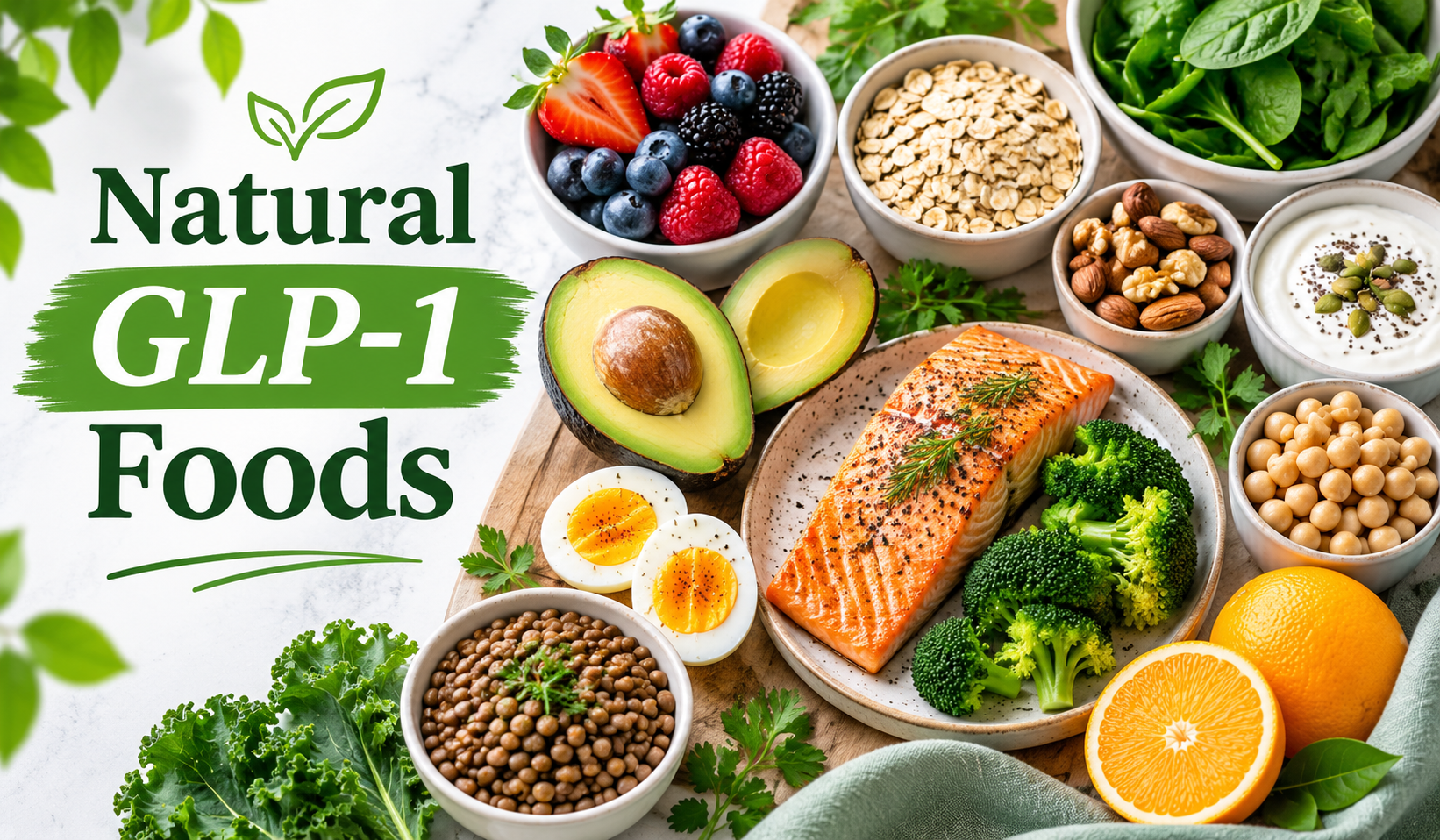
The exciting part is that everyday foods may help support the body’s natural GLP-1 response. Foods rich in protein, dietary fiber, healthy fats, and certain plant compounds can influence digestive hormones involved in hunger, fullness, and glucose metabolism.
From oats and lentils to eggs, avocados, and berries, many nutritious foods fit into a GLP-1-friendly eating plan without requiring expensive ingredients or complicated meal preparation.
In this guide, we’ll explore the 15 best natural GLP-1 foods, how they work, their potential benefits, and practical ways to include them in your daily diet.
 GLP-1 Starting at $59 Per Month – 100% Online
What Is GLP-1 and Why Is It Important?
GLP-1 stands for glucagon-like peptide-1, a hormone naturally produced by specialized cells in the intestines. It plays an important role in regulating appetite, digestion, and blood sugar levels.
When you eat, your digestive system releases GLP-1 in response to nutrients entering the gastrointestinal tract. This hormone communicates with different organs, including the pancreas and brain, to help coordinate the body’s response to food.
GLP-1 performs several important functions:
-
Supports appetite regulation: Sends signals involved in feelings of satisfaction and fullness.
-
Promotes insulin secretion: Helps the pancreas release insulin when blood glucose rises.
-
Regulates glucagon: Reduces excessive glucagon secretion when blood glucose is elevated.
-
Influences digestion: Can slow stomach emptying and help regulate the movement of food.
-
Supports metabolic health: Participates in processes involved in blood sugar balance and energy regulation.
Natural GLP-1 secretion is part of normal digestion. Research suggests that food composition, nutrient absorption, and interactions with gut bacteria can influence how much of this hormone the body releases.
How Do Natural GLP-1 Foods Work?
Natural GLP-1 foods support the body’s existing digestive and metabolic processes rather than acting like prescription GLP-1 medications.
Different nutrients influence GLP-1 secretion through several biological pathways.
Protein-rich foods contain amino acids and peptides that interact with nutrient-sensing systems in the intestines. These signals may encourage GLP-1 release and contribute to meal satisfaction.
Fiber-rich foods support digestive health and provide nourishment for beneficial gut bacteria. When certain fibers are fermented in the colon, they produce short-chain fatty acids that can interact with receptors involved in GLP-1 secretion.
Healthy fats also activate intestinal nutrient-sensing mechanisms. Foods containing unsaturated fats can contribute to fullness when included in balanced meals.
Plant foods containing polyphenols and other bioactive compounds are being studied for their possible influence on gut hormones and metabolic regulation.
Research remains ongoing, and not every food produces a consistent or meaningful increase in GLP-1 in humans. Still, these dietary patterns offer nutritional benefits beyond their effects on this hormone.
GLP-1 Starting at $59 Per Month – 100% Online
15 Best Natural GLP-1 Foods to Add to Your Diet
The following foods provide nutrients that may support normal GLP-1 signaling, appetite control, digestive health, and blood sugar management.
1. Oats – A Fiber-Rich Breakfast Choice
Oats are among the most practical natural GLP-1-friendly foods because they contain beta-glucan, a soluble fiber associated with digestive and metabolic benefits.
Beta-glucan forms a gel-like substance when mixed with water, which can slow digestion and help moderate glucose absorption. Certain fibers may also influence GLP-1 through gut fermentation, although results vary between studies.
Oats make a satisfying breakfast when combined with protein-rich toppings.
Best ways to eat oats: Prepare oatmeal with plain Greek yogurt, chia seeds, berries, or nuts. Choose plain rolled or steel-cut oats to avoid unnecessary added sugars.
2. Eggs – High-Quality Protein for Fullness
Eggs are an excellent source of complete protein, providing essential amino acids that support muscle maintenance and normal body functions.
Protein-containing meals can stimulate digestive hormones, including GLP-1, while helping people feel satisfied after eating.
Eggs also provide vitamin B12, choline, selenium, and other important nutrients.
Best ways to eat eggs: Enjoy boiled eggs with fruit, scrambled eggs with vegetables, or an omelet alongside whole-grain toast.
Combining eggs with fiber-rich foods creates a more balanced meal than relying on protein alone.
3. Lentils – Plant Protein and Prebiotic Fiber
Lentils offer an impressive combination of plant-based protein, dietary fiber, complex carbohydrates, and essential minerals.
Their fiber supports beneficial gut bacteria, which break down fermentable carbohydrates into metabolites involved in intestinal hormone signaling.
Lentils also digest relatively slowly and can help promote satisfying meals and more gradual blood glucose responses.
Best ways to eat lentils: Add cooked lentils to vegetable soups, grain bowls, salads, or homemade curries.
For people following a plant-based diet, lentils provide an affordable way to increase both protein and fiber intake.
4. Avocados – Healthy Fats and Dietary Fiber
Avocados contain monounsaturated fats and dietary fiber, two nutrients that make them valuable additions to a GLP-1-friendly eating pattern.
Healthy fats stimulate gastrointestinal nutrient-sensing systems involved in hormone release. Fiber contributes to digestive regularity and meal satisfaction.
Avocados also provide potassium, folate, and several antioxidant compounds.
Best ways to eat avocados: Add sliced avocado to salads, spread mashed avocado on whole-grain toast, or include a moderate portion in a vegetable bowl.
Because avocados are energy-dense, portion size still matters for weight management.
5. Greek Yogurt – Protein for Appetite Support
Plain Greek yogurt is a convenient source of protein and calcium. Some varieties also contain live bacterial cultures.
Its high protein content can help make breakfast or snacks more satisfying, particularly when combined with fiber-rich foods.
Fermented dairy products are also being studied for their potential effects on gut microbiota and metabolic signaling. The evidence for direct GLP-1 enhancement remains variable.
Best ways to eat Greek yogurt: Combine unsweetened Greek yogurt with berries, ground flaxseed, or chopped almonds.
Look for products without excessive added sugar, and check labels if live cultures are important to you.
6. Chia Seeds – Small Seeds With Valuable Fiber
Chia seeds are rich in dietary fiber, unsaturated fats, and plant-based nutrients.
When soaked in liquid, they absorb water and develop a gel-like texture. This property can contribute to fullness and support digestive function.
Their fermentable fiber may also provide substrates for gut bacteria involved in short-chain fatty acid production.
Best ways to eat chia seeds: Stir one or two tablespoons into yogurt, overnight oats, smoothies, or chia pudding.
Start with smaller portions if you are not accustomed to high-fiber foods.
7. Salmon – Protein and Omega-3 Fatty Acids
Salmon provides high-quality protein and omega-3 fatty acids, including EPA and DHA.
Long-chain fatty acids can interact with intestinal receptors involved in GLP-1 secretion. Researchers are studying whether omega-3-rich foods have meaningful effects on appetite and glucose regulation.
Salmon also supplies vitamin B12, selenium, and, depending on the variety, vitamin D.
Best ways to eat salmon: Bake or grill salmon and serve it with roasted vegetables, brown rice, or quinoa.
Other nutritious oily fish include sardines, trout, and mackerel.
8. Apples – A Simple Source of Fiber
Apples contain dietary fiber, including pectin, along with water and naturally occurring plant compounds.
Pectin is a soluble fiber that can be fermented by intestinal bacteria. This makes apples a useful addition to an eating pattern focused on gut health.
Eating whole apples also provides more fiber and chewing satisfaction than drinking apple juice.
Best ways to eat apples: Enjoy a whole apple with peanut butter, add apple slices to oatmeal, or combine chopped apples with unsweetened yogurt.
Keeping the edible peel provides additional fiber.
9. Beans – Fiber and Protein in One Food
Black beans, kidney beans, chickpeas, and other legumes provide plant protein, fiber, and slowly digestible carbohydrates.
These nutrients work together to support meal satisfaction and healthy glucose metabolism.
Beans also contribute fermentable carbohydrates that can influence the activity of beneficial intestinal bacteria.
Best ways to eat beans: Add beans to salads, chili, soups, tacos, and vegetable bowls.
If beans cause bloating, begin with smaller servings, rinse canned varieties thoroughly, and increase intake gradually.
10. Berries – Antioxidants and Fiber
Blueberries, raspberries, blackberries, and strawberries are nutritious choices for people interested in natural GLP-1 foods.
Berries provide dietary fiber, vitamin C, and polyphenols, including anthocyanins.
Polyphenols may interact with the gut microbiome and pathways involved in metabolic regulation. Direct effects on human GLP-1 secretion are still being investigated.
Best ways to eat berries: Add fresh or frozen berries to oatmeal, Greek yogurt, or smoothies.
Whole berries are especially useful because they retain fiber that is often reduced or removed in juices.
11. Broccoli – A Nutrient-Dense Vegetable
Broccoli contains fiber, vitamin C, vitamin K, folate, and naturally occurring phytochemicals.
Its fiber contributes to healthy digestion and supports the overall quality of meals.
Although broccoli should not be considered a proven GLP-1 booster on its own, regularly eating vegetables is associated with better dietary quality and improved long-term metabolic health.
Best ways to eat broccoli: Steam, roast, or lightly sauté broccoli and serve it alongside lean protein and whole grains.
Broccoli also works well in vegetable soups and stir-fries.
12. Almonds – Healthy Fats, Protein, and Fiber
Almonds contain monounsaturated fats, plant protein, magnesium, vitamin E, and dietary fiber.
This combination makes them a satisfying snack and a useful alternative to highly refined snack foods.
Their fats and proteins can influence digestive hormone signaling, while fiber contributes to intestinal health.
Best ways to eat almonds: Enjoy a small handful of unsalted almonds, sprinkle chopped almonds onto oatmeal, or combine them with fruit.
Almond butter without added sugar can also fit into a balanced eating plan.
13. Barley – A Whole Grain Rich in Beta-Glucan
Barley is another valuable source of beta-glucan fiber.
Like oats, barley can contribute to slower carbohydrate absorption and support healthy cholesterol levels.
Its fermentable carbohydrates may also influence gut bacteria and their metabolic products, which are involved in intestinal hormone regulation.
Best ways to eat barley: Use cooked barley in vegetable soups, grain salads, or as a substitute for refined grains.
Pearled barley remains nutritious, while hulled barley generally retains more of the original grain.
14. Flaxseeds – Fiber and Plant-Based Omega-3s
Flaxseeds contain soluble and insoluble fiber, plant omega-3 fatty acids, and lignans.
These nutrients support digestive health and may make meals more satisfying.
Ground flaxseeds are often preferable to whole flaxseeds because the body can access their nutrients more easily.
Best ways to eat flaxseeds: Add ground flaxseeds to oatmeal, plain yogurt, or smoothies.
Store ground flaxseed properly to help preserve freshness.
15. Kefir – A Fermented Dairy Option
Kefir is a fermented milk drink that provides protein, calcium, and, depending on the product, live microorganisms.
Researchers are exploring how fermented foods influence gut microbiota and pathways involved in glucose and appetite regulation.
Kefir may complement a varied diet, but it has not been established as a reliable treatment for raising GLP-1 levels.
Best ways to drink kefir: Choose plain, unsweetened kefir and combine it with berries or enjoy it as part of breakfast.
For those who avoid dairy, fortified alternatives may provide similar convenience, though their protein and microbial contents can differ.
GLP-1 Starting at $59 Per Month – 100% Online
Which Foods May Be Most Helpful for Natural GLP-1 Support?
No single food has been proven to be the most effective natural GLP-1 booster for everyone.
Current research suggests that meals combining protein, fermentable fiber, and unsaturated fats may influence several pathways involved in GLP-1 secretion and fullness.
A practical approach is to build meals around:
-
Protein: Eggs, fish, Greek yogurt, tofu, and legumes.
-
Fermentable fiber: Oats, beans, lentils, barley, and selected fruits.
-
Healthy fats: Avocados, almonds, olive oil, and seeds.
-
Colorful plant foods: Berries, leafy vegetables, broccoli, and other produce.
A 2026 review of 52 human studies examining individual dietary fibers found that effects on GLP-1 and satiety differed considerably by fiber type. This reinforces the value of focusing on an overall nutritious eating pattern rather than one supposedly powerful ingredient.
Natural GLP-1 Foods for Weight Loss
Natural GLP-1 foods may support weight management by contributing to fullness, providing essential nutrients, and helping create more satisfying meals.
For example, a breakfast containing eggs, oats, and berries offers protein, fiber, and complex carbohydrates. This combination can help support steady energy and reduce the likelihood of feeling hungry immediately afterward.
Similarly, a lunch containing lentils, vegetables, and avocado delivers a mixture of fiber, protein, and healthy fats.
These benefits matter because sustainable weight management depends on more than a temporary increase in one hormone.
Consistent eating habits, appropriate portions, sufficient sleep, physical activity, and an overall balanced calorie intake all contribute to long-term results.
Natural GLP-1 foods are therefore best viewed as supportive dietary choices, not replacements for prescription weight-management treatments.
GLP-1 Starting at $59 Per Month – 100% Online
7-Day Natural GLP-1 Food Meal Plan
The following meal plan demonstrates how to incorporate protein-rich, fiber-rich, and healthy-fat foods throughout the week. Portions can be adjusted to individual nutritional needs.
| Day | Breakfast | Lunch | Dinner |
|---|---|---|---|
| Monday | Oatmeal with berries and chia seeds | Lentil and avocado salad | Grilled salmon with broccoli |
| Tuesday | Eggs with whole-grain toast | Chickpea and vegetable bowl | Chicken with quinoa and greens |
| Wednesday | Greek yogurt with flaxseeds | Black bean and vegetable soup | Baked fish with barley |
| Thursday | Overnight oats with almonds | Lentil and spinach curry | Tofu stir-fry with brown rice |
| Friday | Eggs with avocado toast | Salmon and vegetable salad | Bean chili with vegetables |
| Saturday | Plain kefir smoothie with berries | Chickpea and quinoa bowl | Grilled chicken with roasted broccoli |
| Sunday | Greek yogurt with apples and chia | Bean and avocado wrap | Baked salmon with vegetables |
Water, unsweetened tea, and other low-sugar beverages can accompany meals. Snacks such as fruit, yogurt, or a small portion of nuts can be added based on hunger and energy requirements.
How to Increase GLP-1 Naturally Through Your Daily Diet
Building a GLP-1-friendly eating routine does not require dramatic dietary restrictions. Small, repeatable habits can make a meaningful difference in overall nutrition.
Start Your Morning With Protein
A protein-containing breakfast can improve meal satisfaction and help you meet your daily protein needs.
Eggs, Greek yogurt, tofu, and other protein-rich choices pair well with fruit and whole grains.
Increase Fiber Gradually
Include more vegetables, legumes, whole grains, and fruit throughout the day.
Fiber supports digestive health, and fermentable varieties can influence microbial metabolites involved in GLP-1 signaling.
Increase fiber gradually and drink sufficient fluids to minimize digestive discomfort.
Include Unsaturated Fats
Use foods such as olive oil, avocado, seeds, and nuts in appropriate portions.
These foods provide essential nutrients and can help make meals more satisfying.
Combine Nutrients Rather Than Focusing on One Food
A meal containing protein, fiber, and healthy fat provides a broader range of nutrients than a meal dominated by refined carbohydrates.
For example, pairing oatmeal with yogurt and nuts may be more satisfying than eating plain oatmeal alone.
Maintain Consistent, Balanced Eating Habits
Regular meals, adequate hydration, and attention to hunger and fullness signals can support a sustainable dietary routine.
There is no established universal meal schedule that maximizes natural GLP-1 activity for everyone.
Foods to Limit in a GLP-1-Friendly Diet
Eating for metabolic health does not mean eliminating entire food groups. The goal is to prioritize nutrient-dense foods and reduce habitual reliance on options that offer little fiber or protein.
Foods worth limiting include sugary beverages, highly refined sweets, frequent large portions of fried foods, and ultra-processed snacks that are easy to overeat.
These choices can displace more nutritious foods and may make it difficult to maintain a balanced calorie intake.
It is important to remember that carbohydrates themselves are not the problem. Whole grains, fruits, beans, and vegetables contain carbohydrates alongside valuable fiber, vitamins, and minerals.
Choosing minimally processed, nutrient-rich foods more often is generally more useful than following rigid food restrictions.
GLP-1 Starting at $59 Per Month – 100% Online
Can Natural GLP-1 Foods Replace Ozempic or Wegovy?
No. Natural GLP-1 foods and prescription GLP-1 medications work differently.
Eating activates the body’s natural release of GLP-1, but the hormone is broken down quickly. Prescription GLP-1 receptor agonists are designed to produce stronger and longer-lasting effects on GLP-1 receptors.
Foods may modestly influence endogenous GLP-1 secretion, while medications can provide clinically significant effects on appetite, blood glucose, and body weight for eligible patients.
A 2026 research review emphasized that dietary increases in GLP-1 do not consistently translate into sustained weight loss and should not be considered equivalent to GLP-1 medications.
People using medications for diabetes or weight management should consult their healthcare professional before making treatment changes.
A nutritious diet can complement prescribed treatment and support long-term health.
Final Thoughts:
Natural GLP-1 foods are a practical way to support appetite regulation, digestive health, and balanced nutrition. Everyday choices such as oats, eggs, lentils, Greek yogurt, salmon, avocados, and berries provide valuable nutrients that work with the body’s normal metabolic processes.
Rather than relying on one ingredient, focus on combining protein, fiber, healthy fats, and colorful plant foods across your meals.
These foods can help create satisfying eating patterns that support healthy blood sugar levels and long-term weight management.
While dietary strategies cannot reproduce the effects of prescription GLP-1 medications, they remain an important foundation for metabolic health.
For most people, the best place to start is simple: choose a nutritious breakfast, include vegetables and protein at lunch, and build a balanced dinner around whole foods. Repeating these habits consistently is more useful than searching for a single food that promises dramatic results.
GLP-1 Starting at $59 Per Month – 100% Online
References
https://www.healthline.com/health/nutrition/glp-1-diet
https://en.wikipedia.org/wiki/Semaglutide
https://www.webmd.com/obesity/ss/eating-tips-low-appetite-glp1s
