Important medical context
This article is educational and is not medical advice or personalized nutrition advice. If you're on GLP-1 medication, your clinician — and ideally a registered dietitian — should be your primary source for nutrition recommendations tailored to your medical history.
Patients with kidney disease, diabetes, eating disorder history, pregnancy, or other conditions need individualized nutrition plans that may differ from general recommendations.
The short answer: The best GLP-1 foods are high-protein (eggs, fish, chicken, Greek yoghurt, legumes), high-fiber (vegetables, fruits, oats, beans, chia), healthy fats in moderation (olive oil, avocado, nuts, fatty fish), and gut-supporting (yoghurt, kefir, fermented vegetables). The same foods that boost natural GLP-1 are also the best foods to eat while on medication.
Foods to avoid: greasy/fried, ultra-processed sugary foods, spicy/acidic foods, large carbonated drinks, alcohol, and oversized portions. Protein target on medication: 0.6-0.8 g per pound of ideal body weight daily. Prioritize protein first at every meal.
In this guide
- What "GLP-1 foods" really means
- The 4 GLP-1-friendly food categories
- High-protein foods — the cornerstone
- High-fiber foods — slow-release satiety
- Healthy fats — moderate but mattering
- Gut-supporting foods — the microbiome connection
- Best foods while on GLP-1 medication
- Foods that worsen GLP-1 side effects
- Foods for muscle preservation
- Hydration and electrolyte foods
- The ideal GLP-1 plate
- Your GLP-1 shopping list
- Common food mistakes on GLP-1
- Telehealth platforms with nutrition support
- Frequently asked questions
What "GLP-1 Foods" Really Means
The phrase "GLP-1 foods" actually covers two related but distinct ideas — both legitimate, both important:
- Foods that boost natural GLP-1 secretion — for patients trying lifestyle approaches before medication, or alongside medication, or those who simply want to support natural satiety hormones.
- Foods that work best while on GLP-1 medication — for patients on Ozempic, Wegovy, Zepbound, compounded semaglutide, or other GLP-1 drugs who want to optimize results, minimize side effects, and preserve muscle.
The good news: the food list overlaps significantly. The same protein-forward, fiber-rich, plant-supporting eating pattern that boosts natural GLP-1 is also the foundation for eating well on medication. This guide covers both angles, with specific notes where the recommendations differ.
The 4 GLP-1-Friendly Food Categories
At a glance, the foods that support GLP-1 — naturally or alongside medication — fall into four categories:
High-protein foods
CornerstoneStrongest natural GLP-1 stimulator. Critical for muscle preservation during rapid weight loss. Should be the protein foundation of every meal. Eggs, fish, poultry, Greek yoghurt, legumes, tofu.
High-fiber foods
Slow-releaseSlow gastric emptying, support gut microbiome, blunt glucose spikes, prolong satiety. Vegetables, fruits, oats, legumes, chia seeds, psyllium. Soluble fiber especially.
Healthy fats
ModerateOlive oil, avocado, nuts, fatty fish. Mild GLP-1 stimulation, support nutrient absorption, slow digestion. Use moderate portions — excess fat can worsen reflux/nausea on medication.
Gut-supporting foods
MicrobiomeYoghurt, kefir, fermented vegetables, prebiotic fibers. Influence gut bacteria that produce short-chain fatty acids supporting natural GLP-1 secretion.
High-Protein Foods — The Cornerstone
Protein is the most reliable natural GLP-1 stimulator, and it's the foundation of every meal recommendation for patients on GLP-1 medications. Adequate protein during rapid weight loss is the single most important variable for preserving muscle mass — which preserves metabolic rate, strength, and long-term weight maintenance.
★ Best high-protein foods
- Eggs — complete protein, satiating, versatile. 6-7 g protein per large egg.
- Greek yoghurt (plain) — 15-20 g protein per cup. Probiotic bonus. See our GLP-1 yoghurt guide.
- Cottage cheese — 14 g protein per half cup. Slow-release casein.
- Chicken breast — 26 g per 3 oz. Lean, versatile.
- Salmon — 22 g per 3 oz plus omega-3 fats. Twice weekly recommended.
- Other fatty fish — sardines, mackerel, herring, trout.
- Tuna — 22 g per 3 oz. Watch sodium in canned varieties.
- Lean beef / sirloin / 93% lean ground — 22-25 g per 3 oz.
- Turkey breast — 24 g per 3 oz.
- Pork tenderloin — leanest pork cut, 22 g per 3 oz.
- Tofu (firm) — 10-15 g per half cup. Plant-based complete protein.
- Tempeh — 18 g per half cup. Fermented bonus.
- Lentils — 9 g per half cup cooked plus fiber.
- Black beans, kidney beans, chickpeas — 7-8 g per half cup plus fiber.
- Edamame — 9 g per half cup.
- Whey or casein protein powder — 20-25 g per scoop. Useful when appetite is low.
High-Fiber Foods — Slow-Release Satiety
Fiber slows gastric emptying (extending the GLP-1 effect window), feeds beneficial gut bacteria, blunts post-meal glucose spikes, and helps with digestive regularity — particularly relevant on GLP-1 medications, which can slow gut transit and cause constipation.
★ Best high-fiber foods
- Leafy greens — spinach, kale, arugula, swiss chard, romaine. Nearly unlimited portion freedom.
- Cruciferous vegetables — broccoli, cauliflower, brussels sprouts, cabbage.
- Bell peppers, zucchini, asparagus, green beans, cucumbers, mushrooms, tomatoes.
- Berries — blueberries, raspberries, blackberries, strawberries. Lower-sugar fruits.
- Apples, pears (with skin) — pectin (soluble fiber).
- Avocado — fiber + healthy fat.
- Oats / steel-cut oats — beta-glucan soluble fiber. Best when paired with protein.
- Quinoa — complete protein + fiber. ~5 g protein, 3 g fiber per half cup cooked.
- Brown rice, farro, barley — whole grains in measured portions.
- Sweet potatoes — fiber + nutrients. Moderate portions.
- Chia seeds — 10 g fiber per ounce. Add to yoghurt or smoothies.
- Ground flaxseed — fiber + omega-3.
- Psyllium husk — 7 g soluble fiber per tablespoon. Especially useful for constipation prevention.
- Legumes (all) — protein + fiber double-duty.
Fiber + GLP-1: ramp up slowly
GLP-1 medications already slow gut transit. If you suddenly increase fiber from 15 g to 35 g daily, expect bloating, gas, and possibly worsened nausea. Increase fiber by 5 g every few days to let your gut adjust. Pair fiber with adequate water — without it, fiber can constipate.
Healthy Fats — Moderate but Mattering
Fats trigger modest GLP-1 release and slow gastric emptying. They support nutrient absorption and satiety. But on GLP-1 medications, large high-fat meals are a common trigger of nausea, reflux, and that "food sits in my stomach" feeling. Moderate is the operative word.
★ Best healthy fats
- Extra-virgin olive oil — Mediterranean staple. 1-2 tablespoons per meal.
- Avocado — fiber + monounsaturated fat. Half avocado is a typical portion.
- Almonds, walnuts, pistachios, cashews — measured portions (~1 oz / small handful).
- Almond butter, peanut butter — 1-2 tablespoons. Watch for added sugar.
- Chia, flax, hemp seeds — omega-3 plus fiber.
- Fatty fish — salmon, mackerel, sardines.
- Eggs (whole) — protein and healthy fat together.
- Olives — Mediterranean staple. Sodium-aware.
Limit these fats on GLP-1 medication
Fried foods, fast food, butter-heavy dishes, fatty cuts of meat, full-fat dairy in large portions, deep-fried snacks, large servings of heavy cheese. These accelerate the "food sitting in my stomach" sensation that GLP-1 medications already produce. Many patients report a clear correlation between high-fat meals and worse nausea or reflux that day.
Gut-Supporting Foods — The Microbiome Connection
Your gut bacteria influence natural GLP-1 secretion through short-chain fatty acids produced from fiber fermentation. Supporting microbiome diversity is part of supporting natural GLP-1.
★ Best gut-supporting foods
- Plain yoghurt (with live cultures) — see our GLP-1 yoghurt deep-dive.
- Kefir — fermented milk drink, more probiotic diversity than yoghurt.
- Sauerkraut (refrigerated, unpasteurized) — live lactobacillus.
- Kimchi — fermented vegetables, probiotic.
- Miso paste — fermented soybean.
- Tempeh — fermented soybean, protein bonus.
- Kombucha — fermented tea. Watch added sugar.
- Prebiotic fibers — onions, garlic, leeks, asparagus, dandelion greens, jerusalem artichoke.
- Whole grains and legumes — feed beneficial bacteria.
- Polyphenol-rich foods — berries, dark chocolate (modest portions), green tea, extra-virgin olive oil.
Best Foods While on GLP-1 Medication
Beyond the general food categories, patients actively on GLP-1 medication face specific food challenges: reduced appetite, faster fullness, possible nausea, and the need to hit protein targets despite eating less.
Nutrient-dense foods when appetite is low
When you can only eat a small meal, every bite needs to count. Prioritize:
- Greek yoghurt parfaits — protein + probiotic + fiber-rich berries + nuts in one small bowl.
- Cottage cheese with fruit and seeds — easy 25+ g protein in a small portion.
- Eggs in any form — 6-7 g protein per egg, easily digested.
- Tuna, salmon, sardines — protein + omega-3 in a small can.
- Bone broth-based soups — protein + electrolytes + easy to consume.
- Protein smoothies — when solid food isn't appealing, blend whey + Greek yoghurt + frozen berries + spinach + chia.
- Hard cheeses in small portions — protein + fat density.
- Hummus + raw vegetables or whole grain crackers — protein + fiber.
- Edamame — protein-rich snack.
- Cherry tomatoes + mozzarella balls + basil — Mediterranean small plate.
Foods That Worsen GLP-1 Side Effects
Certain foods reliably worsen nausea, reflux, bloating, or other GLP-1 side effects. Most patients identify these patterns within weeks of starting.
Greasy / fried foods
Fried chicken, french fries, fast food, deep-fried apps, heavy cream sauces, butter-laden dishes. Fat slows gastric emptying further on top of what GLP-1 already does — leading to the "I still feel full from 4 hours ago" sensation. Strongly correlated with worse nausea episodes.
Ultra-processed sugary foods
Sodas, candy, packaged baked goods, dessert pastries, ice cream in large portions. Rapid glucose spikes followed by reactive nausea is a common pattern on GLP-1 medication. Also: most patients report sugar cravings naturally decrease on GLP-1, so this category often phases out naturally.
Spicy / very acidic foods
Hot sauce, spicy curries, citrus juices in large quantities, tomato sauce in large servings, chili-heavy dishes. Worsen reflux, which is more common on GLP-1 due to slower gastric emptying. Tolerance varies — many patients tolerate mild spice fine.
Large carbonated drinks
Big sodas, large sparkling water portions, beer in large servings. Worsen bloating and reflux. Small portions of unsweetened sparkling water are usually fine.
Alcohol
Beer, wine, spirits, cocktails. Increases nausea risk, dehydration, blood sugar variability, and reduces fat metabolism. Many patients find alcohol tolerance drops significantly on GLP-1 medication. Some specialists recommend abstaining; others permit modest occasional use. Discuss with your prescriber.
Large portions of anything
Even healthy foods cause problems if portions are too large. GLP-1 medication shrinks meal capacity considerably. Eat slowly, stop at "comfortable" not "stuffed," accept that some meals will be smaller. This is a feature, not a problem.
Ultra-low-protein meals
Plain pasta, white rice with vegetables only, just-a-salad lunches, smoothies that are mostly fruit. While these aren't unhealthy in isolation, they don't deliver protein — and on GLP-1, missed protein opportunities compound into muscle loss over months.
Foods for Muscle Preservation
Rapid weight loss — whether from GLP-1, surgery, or aggressive diets — causes muscle loss alongside fat loss if protein and resistance training aren't prioritized. Patients on GLP-1 medications can lose 25-40% of their weight loss as muscle if they don't pay attention. The food strategy:
- Hit 0.6-0.8 g protein per pound of ideal body weight daily — non-negotiable for most patients.
- Distribute protein across 3-4 meals/snacks — your body builds muscle better with 25-40 g protein per meal than 100 g in one meal.
- Include leucine-rich proteins — whey, dairy, beef, chicken, eggs, salmon. Leucine is the amino acid that most directly triggers muscle protein synthesis.
- Don't skip post-workout protein — within 1-2 hours of resistance training, get 25-40 g protein.
- Combine with resistance training — protein alone doesn't preserve muscle if you're not using it.
- Consider creatine monohydrate — 5 g daily, well-evidenced for muscle preservation in older or weight-losing populations. Discuss with clinician.
Hydration and Electrolyte Foods
GLP-1 medications can mask thirst and increase risk of dehydration. Adequate fluid intake (often 64-100 oz daily) is important. Beyond plain water, certain foods contribute usefully:
- Watermelon, cucumber, lettuce — 90%+ water content.
- Berries, oranges, grapes — high water content fruits.
- Broths and soups — fluid + electrolytes.
- Coconut water — natural electrolytes (moderate portions, contains sugar).
- Sugar-free electrolyte drinks — useful especially in heat or with GI symptoms.
- Banana — potassium.
- Dark leafy greens — magnesium, potassium.
- Avocado — potassium.
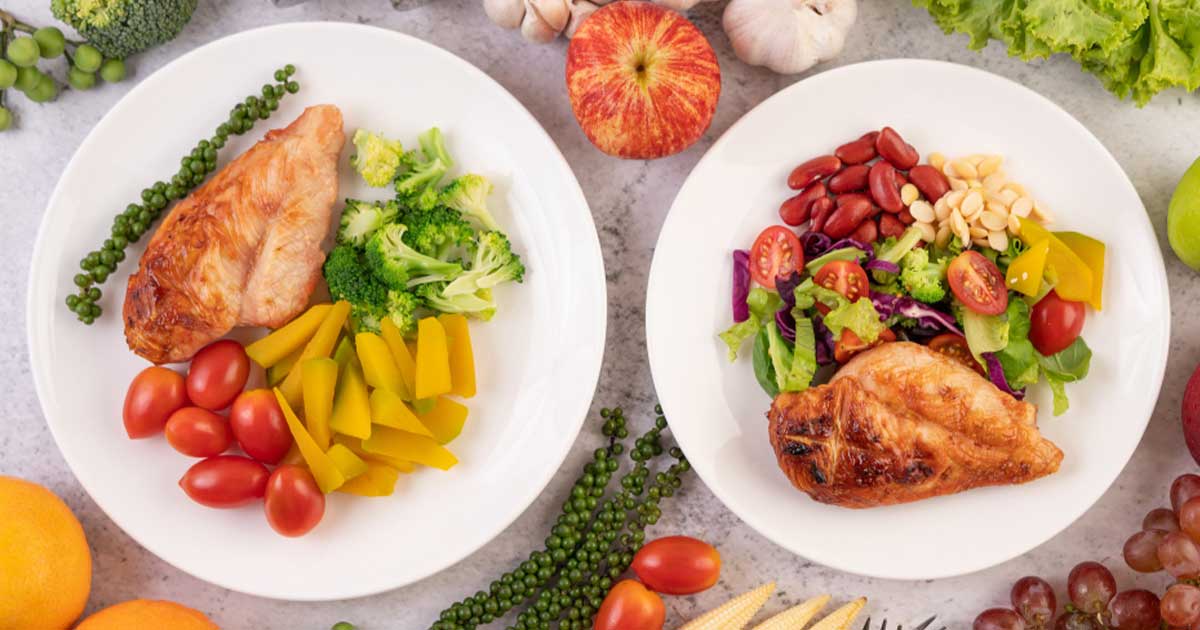
The Ideal GLP-1 Plate
If you want a single visual that anchors GLP-1 eating, use a four-quadrant plate model:
Eat in this order if you can: protein and vegetables first, starches and fats last. This sequencing further blunts post-meal glucose spikes and ensures you hit protein targets even if appetite drops mid-meal.
Your GLP-1 Shopping List
A practical weekly grocery list. Adjust to your preferences and budget. Aim for variety across the categories rather than perfection on any single one.
The weekly GLP-1 grocery list
Proteins
- 2 dozen eggs
- Greek yoghurt (plain) — large container
- Cottage cheese
- Chicken breast — 2 lbs
- Salmon — 1 lb (fresh or frozen)
- Canned tuna or sardines — 4 cans
- Lean ground turkey or beef
- Tofu — 2 packages
- Lentils or canned beans
- Whey protein powder
Vegetables & fruits
- Mixed salad greens
- Spinach, kale
- Broccoli, cauliflower
- Bell peppers, zucchini
- Cucumbers, tomatoes
- Onions, garlic
- Berries (fresh or frozen)
- Apples, pears
- Avocados
- Lemons / limes
Whole grains & starches
- Steel-cut or rolled oats
- Quinoa
- Brown rice
- Sweet potatoes
- Whole-grain bread (limited)
Fats, seeds, gut-supporting
- Extra-virgin olive oil
- Almonds, walnuts, pistachios
- Chia seeds, ground flaxseed
- Almond butter
- Kefir or yoghurt drinks
- Sauerkraut or kimchi
- Hummus
- Hard cheeses (small)
- Olives
Common Food Mistakes on GLP-1
- Skipping protein when you don't feel hungry. Reduced appetite is the medication working — but it's also the moment muscle loss begins. Eat protein anyway, even if small portions.
- Eating "whatever" because you can. The point of GLP-1 isn't license to eat ultra-processed foods in smaller quantities; it's an opportunity to build sustainable healthy patterns.
- Ignoring fiber until constipation hits. Build fiber and water intake gradually from day one.
- Drinking calories. Sugary lattes, juice, smoothies-as-meal-replacements often deliver hundreds of calories with little protein or satiety.
- Not adjusting meal size to appetite. Listen to fullness signals. Stop at comfortable, not stuffed.
- Skipping meals entirely. Going from 0 to a large meal often worsens nausea. Three small meals plus snacks usually works better.
- Heavy alcohol use. Compounds nausea, dehydration, and undermines weight-loss progress.
- Forgetting electrolytes during GI symptoms. Nausea, vomiting, or diarrhea on GLP-1 require attention to fluid and electrolyte replacement.
- Not seeing a registered dietitian. If your platform includes coaching or RD access, use it — generic guides only go so far.
Telehealth Platforms with Strong Nutrition Support
Food guidance is most useful when paired with personalized clinical support. Several telehealth platforms in our 2026 editorial set include meaningful nutrition coaching alongside GLP-1 medication. The shuffle below features platforms not heavily highlighted in our most recent guides:
If you want medication with unlimited clinician access for nutrition questions.
TrimRx (4.8/5) offers $179/mo flat-rate cash-pay with unlimited provider check-ins — meaning when nutrition questions, side-effect concerns, or food adjustments come up, you can reach a clinician without paying extra. Covers both compounded GLP-1 and FDA-approved branded options (Wegovy, Zepbound, Mounjaro). Direct-to-patient model with a simple sign-up flow.
Get TrimRx › ★ Sponsored · TrimRx is a Bartley sponsor. We earn a commission if you sign up.Frequently Asked Questions
What foods are best for GLP-1?
The best GLP-1-supporting foods fall into four categories: (1) High-protein foods (eggs, fish, chicken, Greek yoghurt, lean beef, tofu, lentils, beans) that stimulate natural GLP-1 release and preserve muscle while on medication; (2) High-fiber foods (vegetables, fruits, oats, chia seeds, legumes) that slow gastric emptying and support gut microbiome; (3) Healthy fats (olive oil, avocado, nuts, fatty fish) in moderate portions; (4) Gut-supporting foods (yoghurt, kefir, fermented vegetables) that influence microbiome and natural GLP-1 secretion. The same foods that boost natural GLP-1 are also the best foods to eat while on Ozempic, Wegovy, or Zepbound — with extra attention to protein for muscle preservation.
What foods should I avoid on GLP-1?
Foods to limit while on GLP-1 medications because they worsen common side effects: (1) Greasy or fried foods — exacerbate nausea and slow gastric emptying further; (2) Ultra-processed foods high in refined sugar — cause rapid glucose spikes followed by reactive nausea; (3) Spicy or very acidic foods — can worsen reflux symptoms common on GLP-1; (4) Large carbonated drinks — worsen bloating and reflux; (5) Alcohol — increases nausea risk, dehydration risk, and can affect blood sugar control; (6) Very large portions — your stomach empties slowly, so volume matters. Also: ultra-low-protein diets risk muscle loss during GLP-1 treatment.
How much protein should I eat on GLP-1 medication?
Most clinicians recommend at least 0.6-0.8 grams of protein per pound of ideal body weight per day while on GLP-1 medication — often 80-120 grams daily for women, 100-150 grams for men. Adequate protein is critical for preserving muscle mass during rapid weight loss. Distribute protein across 3-4 meals/snacks. Hit protein targets first at each meal before other foods. Patients with kidney disease should discuss protein targets with their nephrologist — recommendations differ in CKD.
What foods boost natural GLP-1 secretion?
Foods proven to stimulate natural GLP-1 release from intestinal L-cells include: high-protein foods (especially whey protein, eggs, fish, Greek yoghurt), monounsaturated fats (olive oil, avocado, almonds), soluble fiber (oats, chia seeds, psyllium, apples, beans), and resistant starch foods (cooked-and-cooled rice/potatoes, green bananas). The effect on circulating GLP-1 is modest compared to medication, but these foods support satiety, glucose regulation, and metabolic health as part of an overall eating strategy. See our GLP-1 natural alternative guide.
Can I drink coffee on GLP-1?
Most people tolerate coffee fine on GLP-1 medications. Coffee itself does not significantly interact with semaglutide or tirzepatide. However, large coffee intake can worsen reflux and dehydration — both of which are concerns on GLP-1. Limit to moderate intake (1-3 cups daily), prefer it with food rather than on an empty stomach, and stay well hydrated. Black coffee or coffee with minimal added sugar is preferable. If you're experiencing nausea or reflux, temporarily reducing coffee may help.
Should I eat a low-carb diet on GLP-1?
Not necessarily. Moderate carb intake from whole-food sources (oats, quinoa, brown rice, fruit, legumes, sweet potato) is fine for most patients on GLP-1. What matters more is the composition of your meals — protein and vegetables first, refined carbs limited, total portion sizes appropriate. Some patients prefer low-carb or keto eating and that's also workable. The bigger food principle on GLP-1 is hitting protein, not minimizing carbs.
Can I drink alcohol on GLP-1?
Alcohol on GLP-1 medication is best minimized. Many patients find their alcohol tolerance drops significantly on semaglutide or tirzepatide — and even small amounts can worsen nausea. Alcohol also increases dehydration, complicates blood sugar control, and undermines weight-loss goals. Some specialists recommend abstaining entirely; others permit modest occasional use. Discuss with your prescriber. Most patients find their craving for alcohol naturally decreases on GLP-1 anyway.
What if I can only eat tiny portions on GLP-1?
Tiny portions are normal — that's the medication working. Focus on nutrient density over portion size: Greek yoghurt parfaits, eggs, tuna or salmon, cottage cheese with fruit, protein smoothies, bone broth-based soups. Hit protein at every small meal even if you can only manage a few bites. Aim for 3-4 small meals/snacks daily rather than 1-2 forced larger meals. If portions remain extremely small for weeks and you're losing weight too rapidly, discuss with your prescriber.
Are there specific food brands for GLP-1?
No specific brand has unique GLP-1-friendly properties. Focus on whole foods first — fresh meats, fish, eggs, dairy, vegetables, fruits, legumes, whole grains. For convenient protein-forward options: Fage 0% Greek yoghurt (high protein, no added sugar), Good Culture cottage cheese, Wild Planet canned tuna and salmon, Siggi's skyr, frozen wild salmon portions, plain whey protein from reputable brands. Avoid products marketed as "Ozempic-friendly" with unsupported claims — they're typically marketing rather than meaningful differentiation.
Can I work with a registered dietitian for GLP-1 food guidance?
Yes — and it's often worth it. Several telehealth platforms include registered dietitian (RD) access with GLP-1 prescriptions (Calibrate, Found, Mochi, Fridays are notable examples). Otherwise, your insurance may cover an outpatient RD visit. RDs can personalize protein targets, troubleshoot side effects, optimize meal timing, and translate generic principles into your specific food preferences and budget.
References & Further Reading
- U.S. Food & Drug Administration. Medications Containing Semaglutide. fda.gov
- NIH Office of Dietary Supplements. Dietary Reference Intakes for Protein. ods.od.nih.gov
- Academy of Nutrition and Dietetics. Nutrition for Weight Management. eatright.org
- Academy of Nutrition and Dietetics. Find an RDN. eatright.org/find-a-nutrition-expert
- Harvard T.H. Chan School of Public Health. The Nutrition Source — Protein. nutritionsource.hsph.harvard.edu
- Harvard T.H. Chan School of Public Health. The Nutrition Source — Fiber. nutritionsource.hsph.harvard.edu
- Mayo Clinic. Dietary Fiber Recommendations. mayoclinic.org
- Mayo Clinic. Protein and Weight Loss. mayoclinic.org
- Cleveland Clinic. GLP-1 Agonists Overview. my.clevelandclinic.org
- Cleveland Clinic. Mediterranean Diet Guide. my.clevelandclinic.org
- USDA. MyPlate Nutrition Guidance. myplate.gov
- American Heart Association. Dietary Recommendations. heart.org
- National Library of Medicine. PubMed Research Database. pubmed.ncbi.nlm.nih.gov
Last reviewed: June 24, 2026 · Spot a factual issue? Tell our editors.